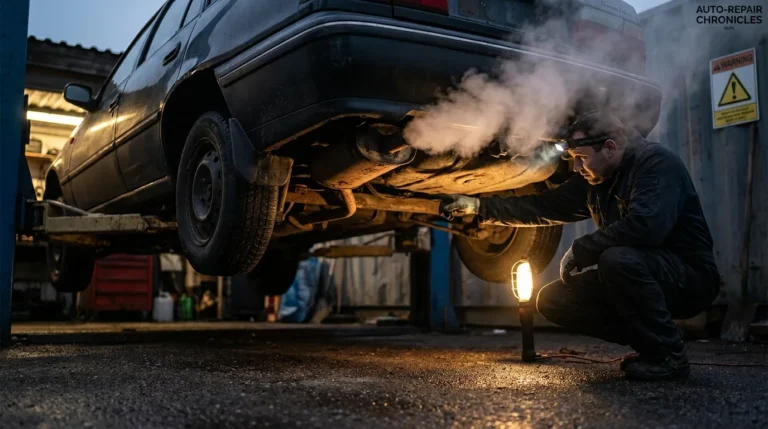
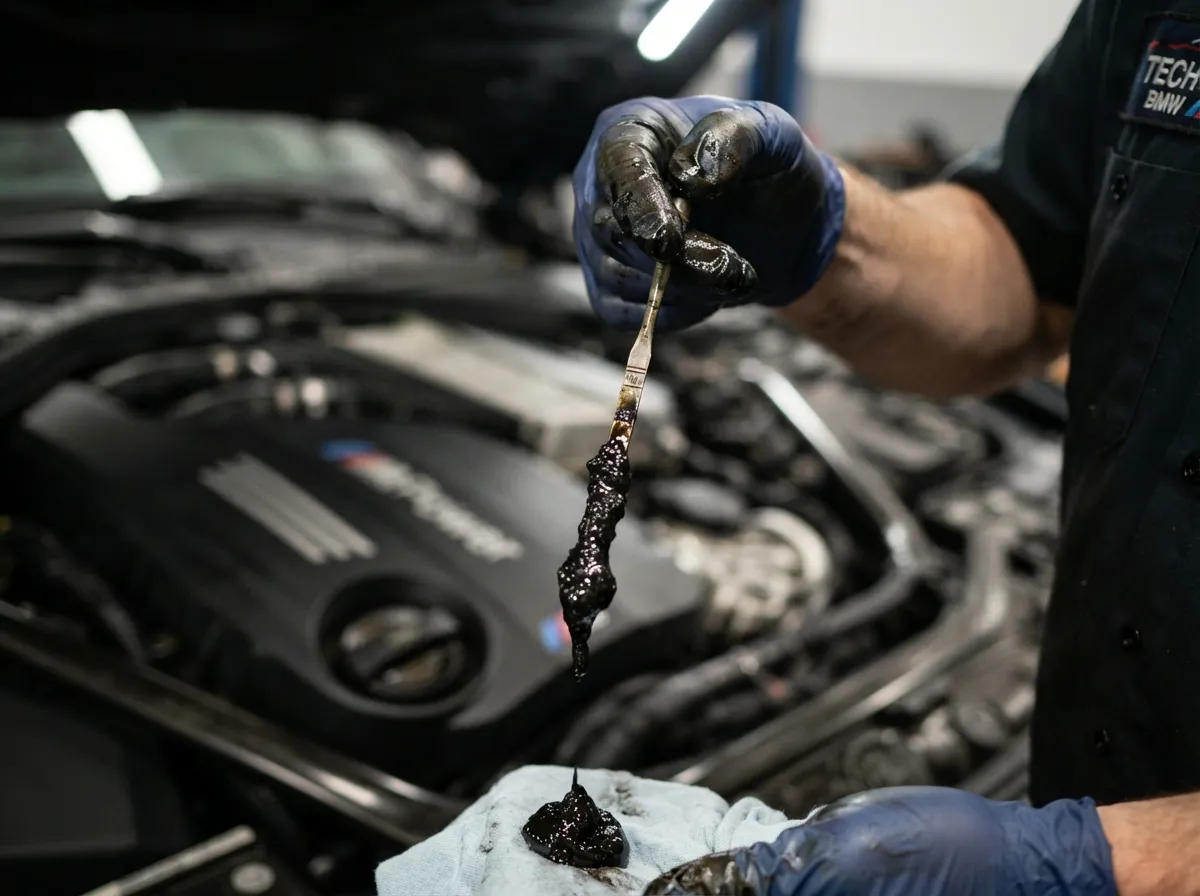
Thick, sticky build-up in your engine oil often causes rough idle, poor performance, and leaks.
I have spent years working on cars and talking with mechanics about engine oil sludge symptoms. This article explains what sludge is, how to spot it early, and what to do next. Read on for clear, tested advice you can use today to protect your engine and avoid costly repairs Motor oil breakdown.
What is engine oil sludge?
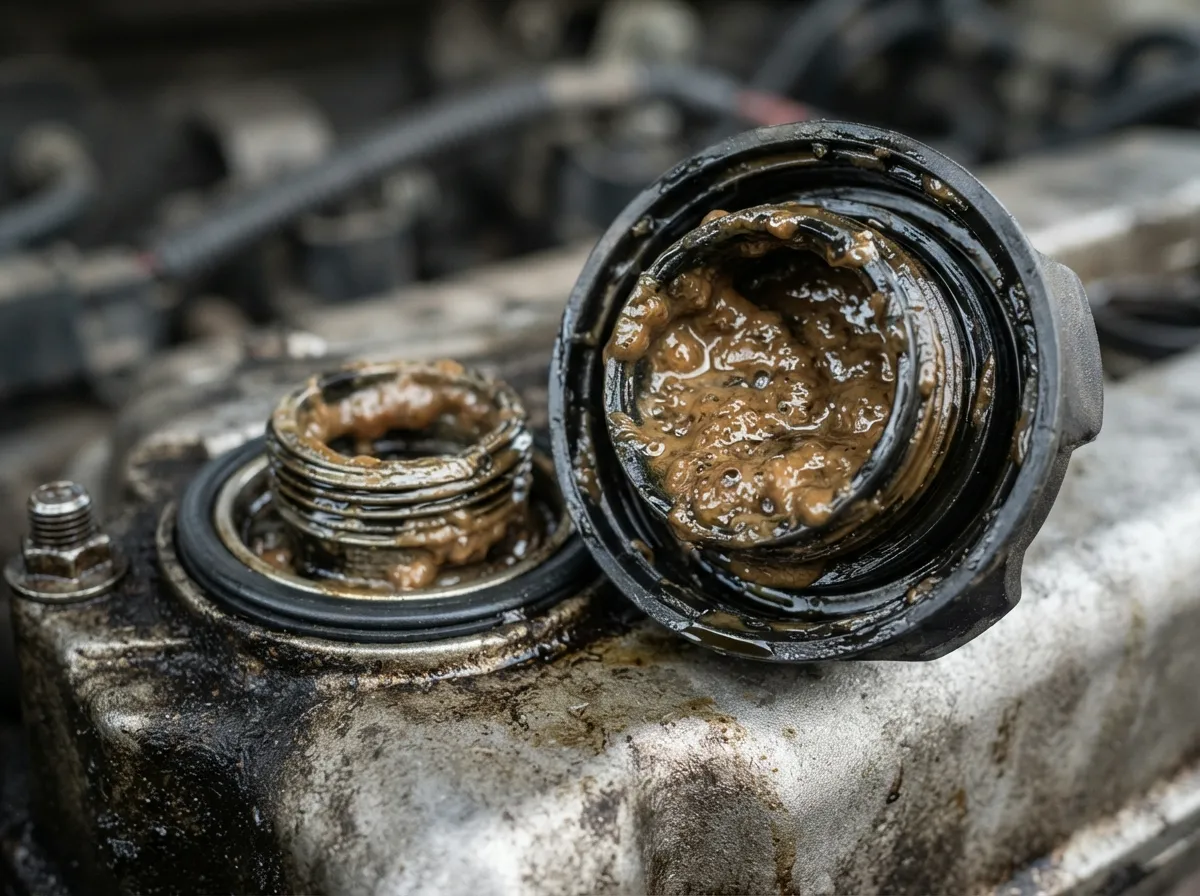
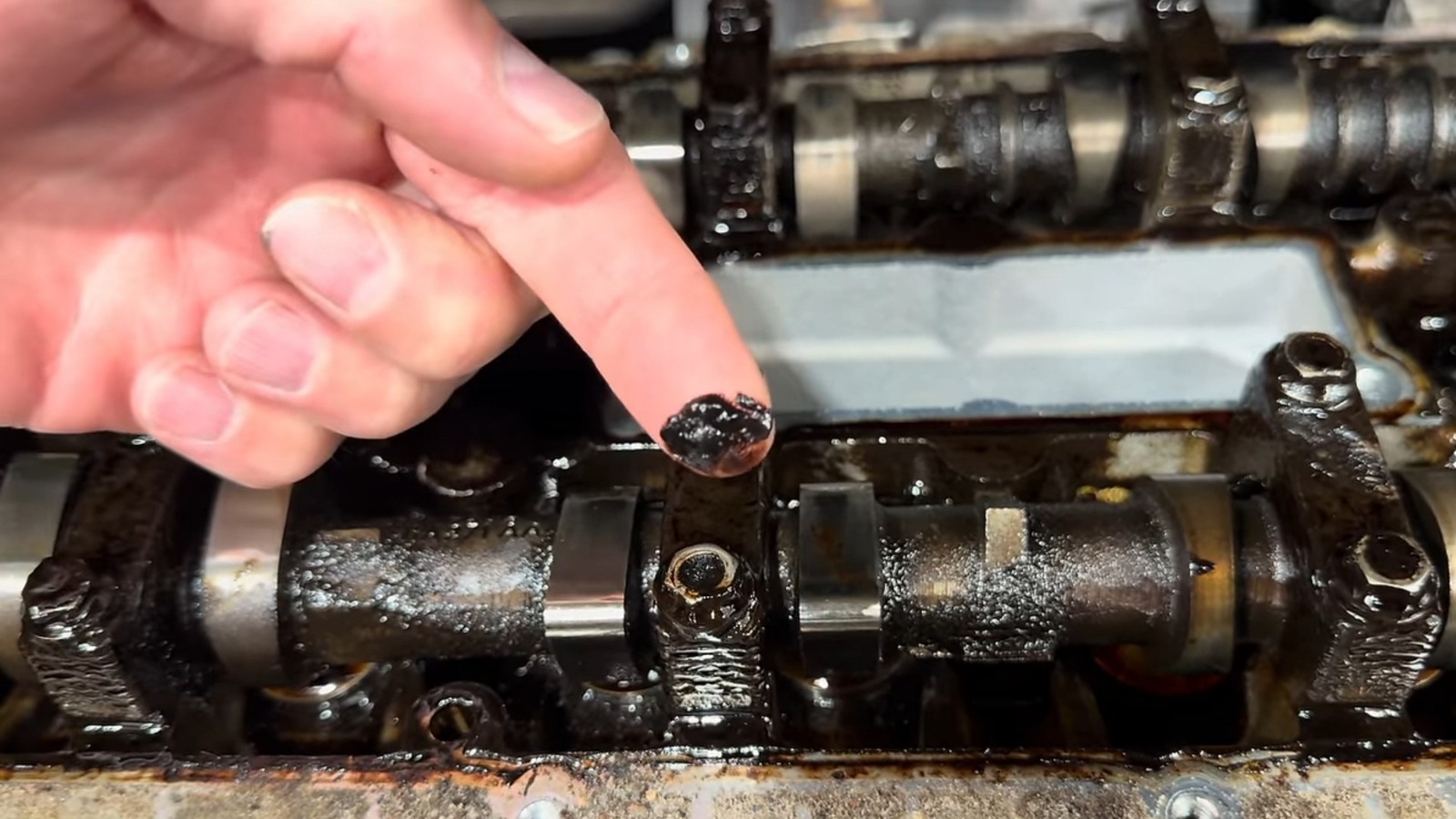
Engine oil sludge is a dark, jelly-like deposit that forms when oil breaks down. Heat, moisture, and contaminants change oil into a sticky mass. Sludge can clog passages, coat moving parts, and reduce oil flow. Early detection of engine oil sludge symptoms helps prevent major damage.
Common engine oil sludge symptoms
Recognizing engine oil sludge symptoms early saves money. Below are the most frequent signs and what each usually means recommended oil change intervals.
Symptoms list
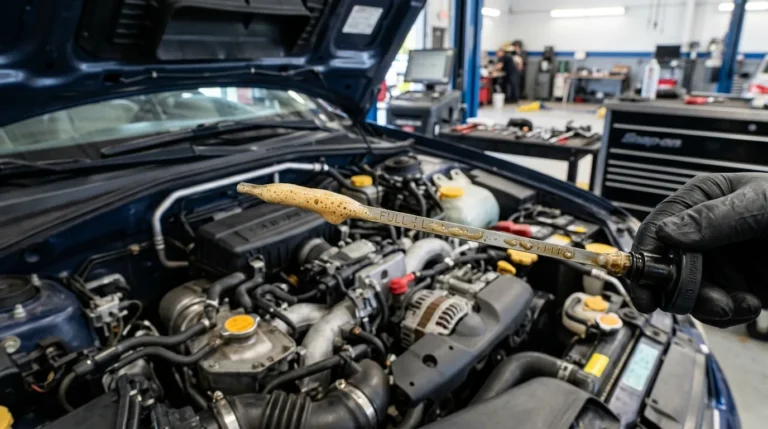
- Dark, burnt-smelling oil on dipstick — Oil looks thick and smells harsh when sludge starts forming.
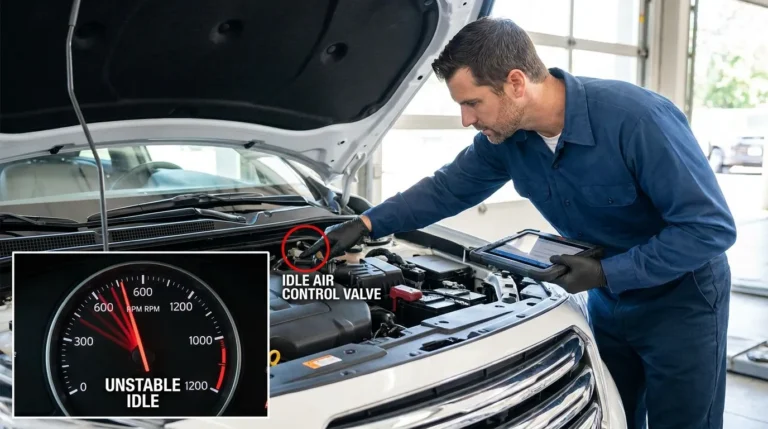
- Rough idle or stalling — Sludge can restrict oil flow to valves and lifters, causing rough running.
- Reduced fuel economy and power — Blocked passages and sticky rings cause loss of compression and efficiency.
- Visible oil leaks — Sludge can clog PCV and oil return lines, increasing pressure and forcing oil past seals.
- Overheating and high oil temperatures — Thickened oil cannot cool or lubricate well.
- Ticking, knocking, or lifter noise — Lack of proper lubrication leads to metal-on-metal noise.
- Check engine or oil pressure warning lights — Sensors detect pressure drops or engine misfires from sludge effects.
How these symptoms progress
Early signs are usually subtle. You might see slightly dark oil and minor rough idle. If ignored, the engine will show louder noise, frequent stalls, and persistent leaks. Severe sludge can lead to full engine failure. Recognizing engine oil sludge symptoms early makes repair simpler and cheaper.
Why sludge forms: causes and risk factors
Understanding causes helps you prevent sludge. Many factors combine to make oil degrade quickly.
Main causes
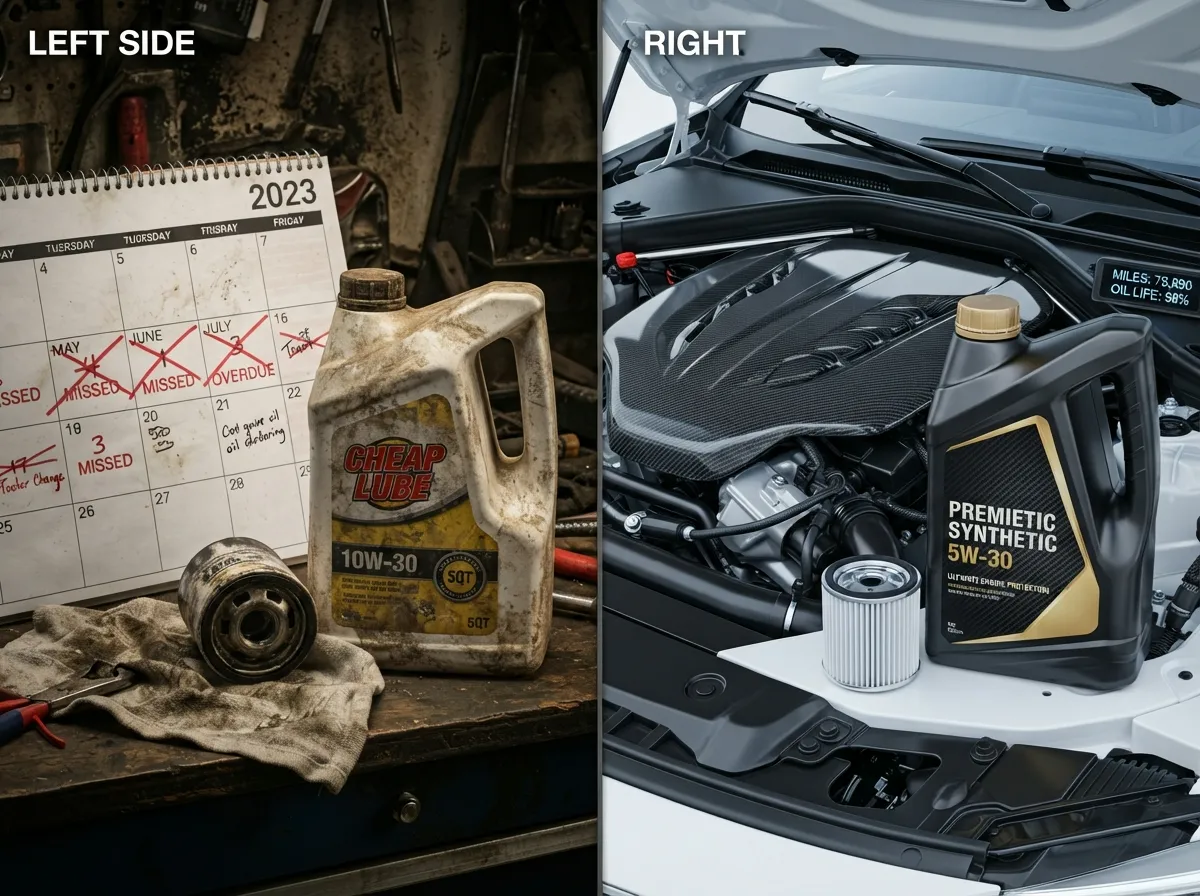
- Long oil-change intervals — Old oil breaks down and forms varnish and sludge.
- Low-quality or wrong oil — Oils without proper detergents or viscosity break down faster.
- Short trips and cold driving — Moisture and fuel dilution do not evaporate fully, promoting sludge.
- Engine overheating — High heat speeds chemical breakdown of oil.
- Faulty PCV system — Poor ventilation increases moisture and sludge buildup.
- Contaminants and coolant leaks — Dirt, metal, or coolant in oil accelerates sludge formation.
Who is at higher risk
- Drivers who mostly do short trips.
- Owners using low-cost or off-spec oil.
- Vehicles with poor maintenance history.
- Older engines with worn seals and high blow-by.

How sludge affects engine performance and longevity
Sludge wears parts and blocks passages. It reduces oil pressure and causes uneven wear.
Specific impacts
* Blocked oil galleries cause thin lubrication in key areas.
- Sticky lifters and camshafts lead to rough running and valve damage.
- Clogged oil pickup screens can starve the engine of oil.
- Increased friction raises fuel use and lowers horsepower.
The longer sludge sits, the more metal wears. Small leaks and noises become big repairs. Fixing engine oil sludge symptoms early preserves life and value of the engine.

Diagnosing sludge: inspections and tests
You can check for sludge with simple steps before visiting a shop.
DIY checks
- Check the oil on the dipstick — Smell and look for thick, dark residue.
- Inspect under the oil cap — Sludge often shows as a brown or black film.
- Look at valve cover and around PCV — Remove the cap to see deposits.
- Monitor oil pressure gauge or light — Low pressure can indicate blockages.
Professional tests and inspections
- Oil analysis — Lab tests detect contaminants, fuel dilution, and viscosity loss.
- Compression and leak-down tests — Reveal damage from sludge-clogged rings or valves.
- Visual inspection with borescope — Mechanics can view internal sludge without major disassembly.
If DIY checks show signs, schedule a professional inspection. Early diagnosis of engine oil sludge symptoms keeps fixes simple.

Fixes and repairs: DIY and professional options
Fixing sludge depends on severity. Small cases can be managed; severe cases may need engine work Best Car Maintenance Tools.
Simple DIY solutions
- Frequent oil and filter changes with high-detergent oil — Flushes thin sludge and keeps oil clean.
- Use engine flush products carefully — They can break deposits but may dislodge large chunks that clog galleries.
- Replace PCV valve and clean oil cap and passages — Improves ventilation and reduces moisture buildup.
When to see a mechanic
- Persistent ticking or low oil pressure.
- Visible sludge inside valve covers or on engine internals.
- Oil pickup or pump issues suspected.
Professional repairs
- Manual cleaning of components — Valve covers, oil pan, and pickup screen cleaning.
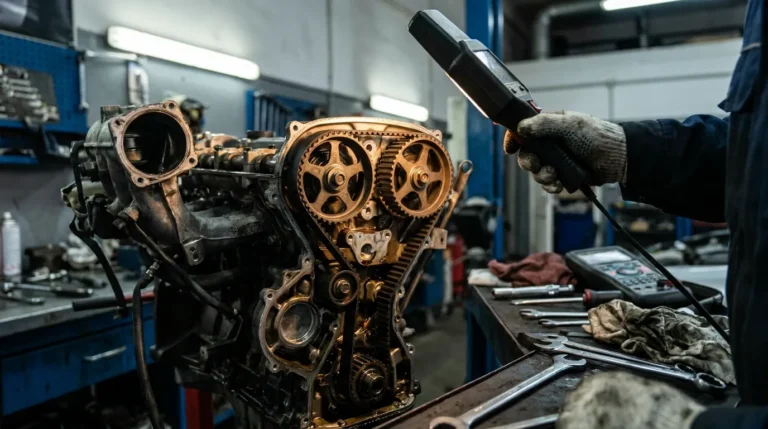
- Partial engine disassembly — Required if sludge blocks galleries or damage exists.
- Oil pump or seal replacement — Fixes pressure and leak problems.
- In extreme cases, engine rebuild or replacement.
Weigh cost versus vehicle value when choosing repair. Address engine oil sludge symptoms promptly to limit repair scope.
Prevention and maintenance tips
Preventing sludge is easier than fixing it. These habits cut risk dramatically.
- Change oil on the schedule recommended by the maker and more often if you do short trips.
- Use OEM-spec or high-quality synthetic oil with strong detergents.
- Replace oil filter at every oil change to keep contaminants out.
- Fix coolant leaks and worn head gaskets immediately to stop contamination.
- Replace faulty PCV valves and maintain correct engine temperature.
- Periodically run the engine at operating temp for longer drives to burn off moisture.
Simple care reduces engine oil sludge symptoms and keeps engines cleaner for longer.
Cost considerations and what to expect
Costs vary by severity and vehicle type. Simple cleanups are cheap. Rebuilds are expensive.
- Oil change and filter replacement — Low cost and first line of defense.
- Professional cleaning and flush — Moderate cost, usually worth it early.
- Partial engine labor (valve cover, pan removal) — Higher cost due to labor.
- Full rebuild or replacement — Highest cost and typically for severe, long-term sludge.
Get multiple quotes and ask for a clear diagnosis. Repair promptly to avoid escalating expenses linked to engine oil sludge symptoms.
Personal experience: lessons from the garage
I once worked on a commuter car with classic sludge signs. The owner skipped oil changes for 18 months. The dipstick showed a dark, tacky film and the engine ticked at idle. A thorough cleaning, new PCV valve, and proper oil fixed the noise. The lesson: small, regular steps prevent big bills. I now recommend short-trip drivers change oil 25–30% more often than the book says.
Frequently Asked Questions of engine oil sludge symptoms
What are the earliest signs of engine oil sludge symptoms?
The earliest signs are dark oil on the dipstick and a slight rough idle. You may also see a film under the oil cap or smell burnt oil.
Can I fix engine oil sludge symptoms with an oil change?
Minor sludge can improve after a full oil change and filter swap using high-detergent oil. Severe sludge may need manual cleaning or professional work.
Are certain cars more prone to sludge?
Yes. Older engines, cars with many short trips, and those using low-quality oil are more prone to sludge. Modern engines with strict maintenance tend to resist sludge.
Is engine flush safe for sludge removal?
Flush products can help but must be used with care. They can loosen chunks that clog passages, so have a mechanic inspect the engine if sludge is heavy.
How often should I check for engine oil sludge symptoms?
Check the oil and cap monthly and before long trips. Look for changes in color, smell, or texture to catch sludge early.
Conclusion
Engine oil sludge symptoms start small but can lead to major engine damage if ignored. Watch for dark, sticky oil, rough idle, leaks, and warning lights. Simple care—regular oil and filter changes, proper oil choice, and fixing PCV or coolant issues—prevents most sludge. Take action now: check your oil, schedule service if you see signs, and protect your engine from costly repairs. Leave a comment with your experience, subscribe for more car tips, or book a checkup with a trusted technician today.