Most car stalls while driving causes trace to fuel, spark, air, or sensor faults.
A sudden stall feels scary. I’ve diagnosed hundreds in the shop and on the roadside. This guide breaks down car stalls while driving causes in plain English, with real fixes and simple steps you can use today. If you want a clear path from symptom to solution, you’re in the right place.
Safety steps when your engine dies while moving
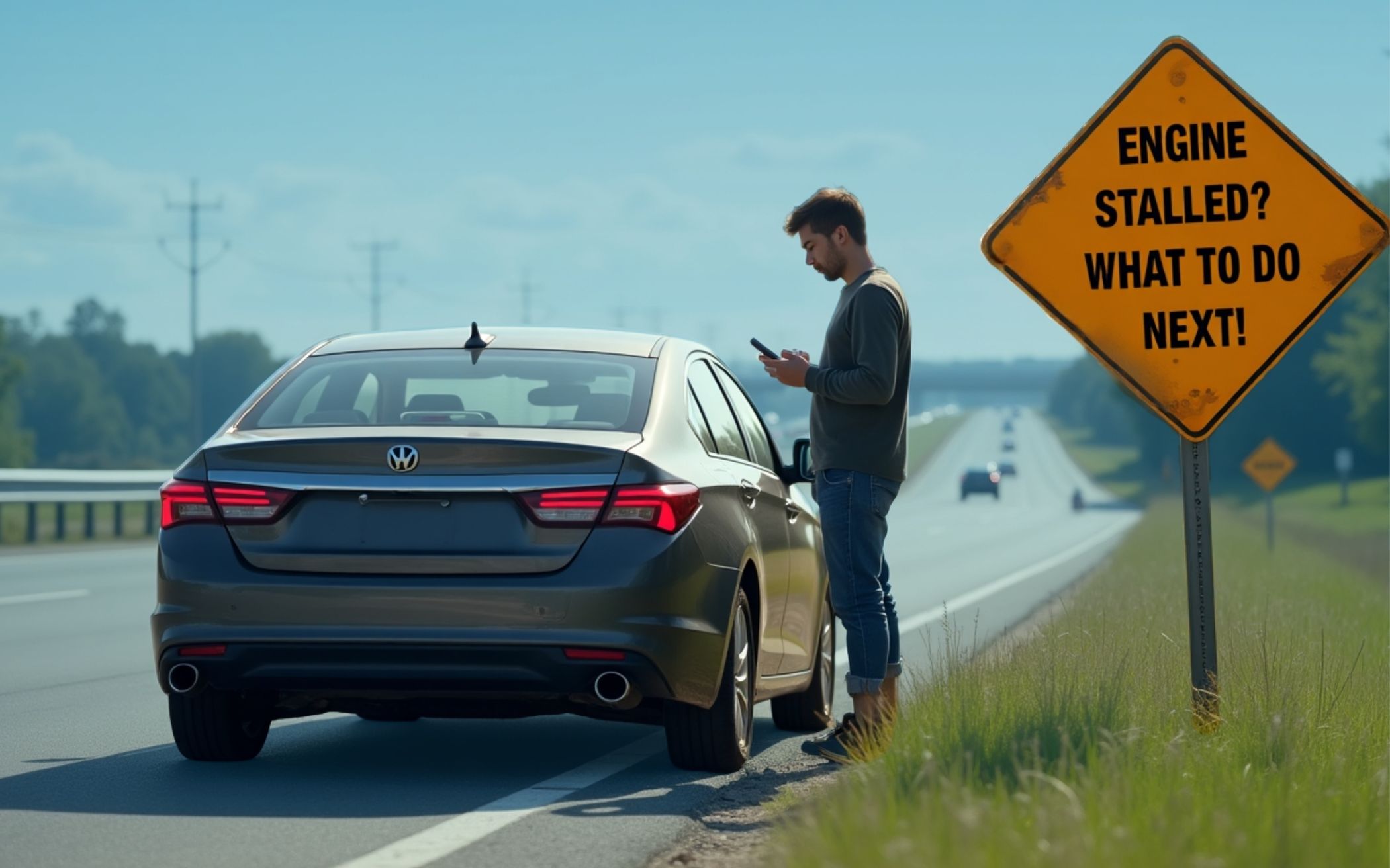
A stall can turn fast traffic into a hazard. Understanding car stalls while driving causes helps you react fast and stay calm. Here is what to do if the engine quits while the car is still rolling.
- Keep steering straight and calm. Power assist drops, so the wheel gets heavy.
- Turn on hazard lights. Signal and move to the shoulder or a safe lane.
- Shift to neutral. Try a quick restart as you coast.
- Do not slam the brakes. Brake steady and smooth.
- If it restarts, watch for warning lights. If not, stop safe and call for help.
From years of road tests, I can say a clean restart often points to an intermittent sensor or fuel issue. A no-restart may hint at a failed pump, a broken belt, or a dead battery-Alternator pair. Note the smell, sounds, and dash lights. Those small clues cut diagnosis time.
How an engine stays running: the simple chain
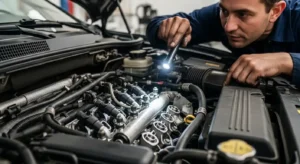
Engines need air, fuel, spark, and timing. The ECU reads sensors and fires injectors and coils at the right time. If any link drops, the engine can stall.
- Air path must be clear. The throttle, MAF, and idle valve set flow.
- Fuel must meet demand. The pump, filter, and regulator keep pressure stable.
- Spark must be strong. Coils, plugs, and crank/cam sensors set timing.
- Exhaust must breathe. A clogged catalytic converter can choke the engine.
Knowing the core systems behind car stalls while driving causes helps you test the right part first. Think of the engine like a relay race. If one runner slips, the baton drops.
 The most common causes of stalling while driving
Below are the most common car stalls while driving causes, grouped by system. I list telltale signs, simple checks, and likely fixes.
Fuel delivery problems
These make up a big share of car stalls while driving causes.
- Failing fuel pump: Stalls after 15–30 minutes, then restarts when cool. Listen for a weak pump prime.
- Clogged fuel filter: Loss of power on hills. Feels starved at high load.
- Bad fuel or water in fuel: Sudden stall after refuel. Rough idle and surging.
What to try: Check fuel pressure with a gauge. Use a water remover if fuel is suspect. Replace a known old filter.
Ignition and timing faults
Another chunk of car stalls while driving causes sits here.
- Worn spark plugs or coils: Misfire, bucking, and P0300 codes.
- Crankshaft or camshaft position sensor failure: Clean shutoff like a switch. Often no restart until cool. Codes like P0335 or P0340.
- Loose coil harness or poor grounds: Intermittent stall over bumps.
What to try: Scan for misfire or sensor codes. Wiggle test harnesses with the engine idling.
Air and intake issues
Airflow errors are frequent car stalls while driving causes.
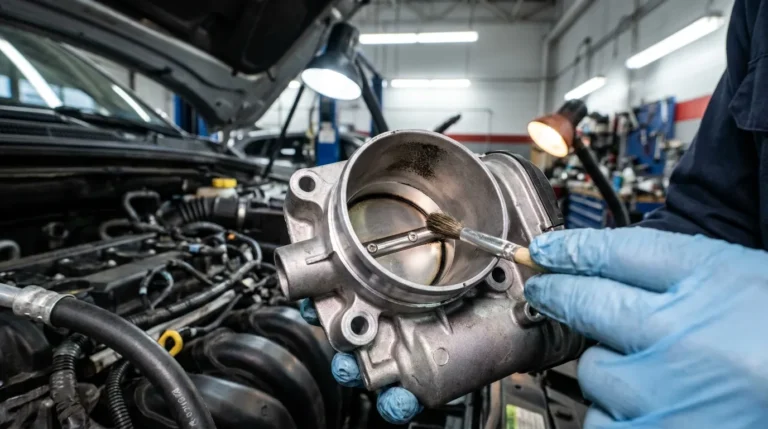
- Dirty throttle body or stuck idle air control: Stalls at stops or when turning with AC on.
- Bad MAF or MAP sensor: Hesitation, surging, and lean codes like P0171.
- Vacuum leaks: Whistle sound, high idle, then stall when load changes.
What to try: Clean the throttle body. Smoke test or propane test for leaks.
Emissions and exhaust
These can choke the engine under load.
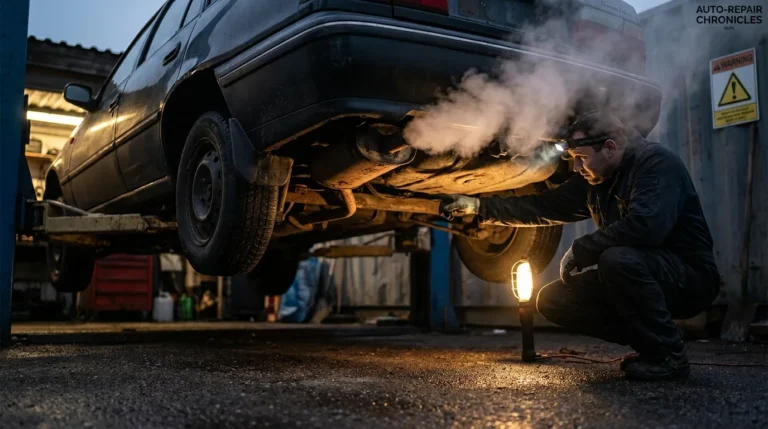
- Clogged catalytic converter: Power fades with heat. Exhaust smells hot. Code P0420 may show later.
- Stuck EGR valve: Rough idle and stalls when opening. Often worse when warm.
What to try: Check backpressure. Tap the cat and listen for rattles. Command EGR closed with a scan tool if possible.
Electrical and charging system
Many car stalls while driving causes hide in poor power.
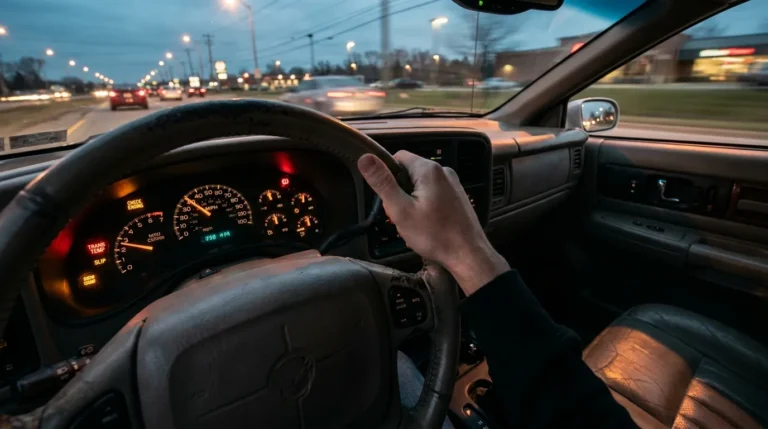
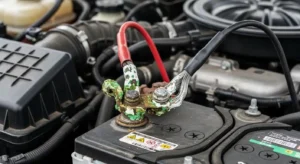
- Weak alternator or loose belt: Dim lights, battery light, and stall at low speed.
- Bad battery or corroded terminals: Random cutouts over bumps.
- Poor grounds: Many strange faults at once, including stalls.
What to try: Measure 13.8–14.6 V at idle with lights on. Clean and tighten terminals and grounds.
Sensor and ECU issues
The brain can get bad data.
- Oxygen sensor stuck rich or lean: Surging and stall at cruise. Code like P0133.
- Coolant temp sensor lying: Mix gets too rich or too lean.
- ECU software glitches: Rare, but seen after parts swaps.
What to try: Check live data. Does coolant temp match the dash? Do trims swing in a normal range?
Transmission and clutch
Stalls can be load-related.
- Manual clutch not fully disengaging: Stalls when stopping.
- Automatic torque converter clutch stuck on: Shudders and stalls at lights.
- Low trans fluid on some models: Erratic load and sudden stall.
What to try: For manuals, test in neutral. For automatics, see if shifting to neutral saves the idle.
Overheating and lubrication
Heat kills spark and sensors.
- Overheat: Knock, loss of power, then stall.
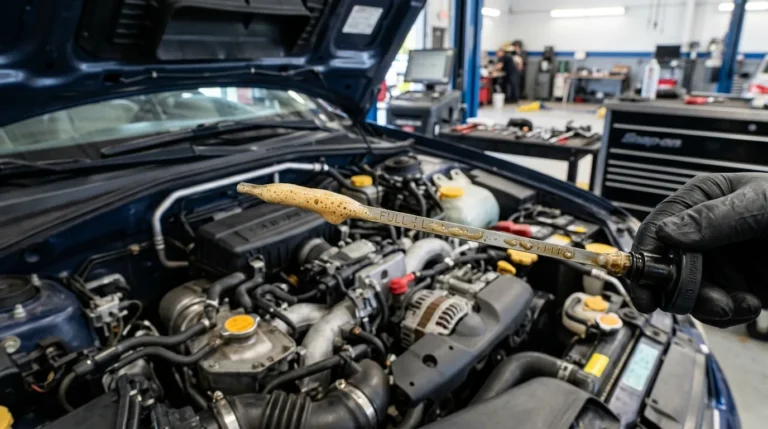
- Low oil or wrong viscosity: Ticks, low pressure light, and stall.
What to try: Verify coolant and oil levels. Cool the engine before restart.
Security and add-ons
Aftermarket parts can be the culprit.
- Alarm or immobilizer faults: Random no-spark or no-fuel.
- Bad remote start or stereo wiring: Cuts power to key circuits.
What to try: Remove or bypass suspect add-ons. Restore stock wiring.
Real-world note: A customer’s SUV stalled only on hot days in slow traffic. Fuel trims were lean and the cat glowed. A clogged converter was the final car stalls while driving causes. A new cat and upstream O2 fixed it.
How to diagnose a stall: a step-by-step checklist
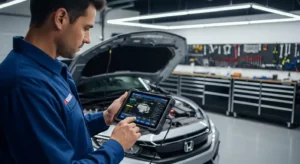
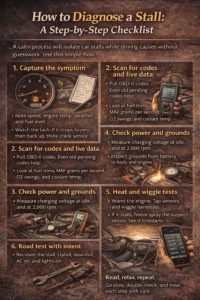
A calm process will isolate car stalls while driving causes without guesswork. Use this simple flow.
- Capture the symptom
- Note speed, engine temp, weather, and fuel level.
- Watch the tach. If it drops to zero then back up, think crank sensor.
- Scan for codes and live data
- Pull OBD-II codes. Even old pending codes help.
- Look at fuel trims, MAF grams per second, O2 swings, and coolant temp.
- Verify spark, fuel, air
- Check for spark with a tester during a no-start.
- Measure fuel pressure and see if it holds after key off.
- Inspect the throttle body and air filter.
- Check power and grounds
- Measure charging voltage at idle and at 2,000 rpm.
- Inspect grounds from battery to body and engine.
- Heat and wiggle tests
- Warm the engine. Tap sensors and wiggle harnesses.
- If it stalls, freeze-spray the suspect sensor. See if it restarts.
- Road test with intent
- Recreate the stall. Uphill, downhill, AC on, and lights on.
- Log data or use a simple phone OBD app.
Tip from the field: Intermittent stalls love to hide in connectors. A light tug on the crank sensor plug once saved me an hour. The latch was cracked. A new pigtail ended weeks of random shutoffs.
Fixes, parts, and typical costs
Here are fixes that match common car stalls while driving causes. Prices are ballparks and vary by model and region.
- Fuel pump and filter: Parts 150–600, labor 1–3 hours. Always replace the filter and strainer.
- Spark plugs and coils: Plugs 20–80, coils 40–120 each. Do plugs first if coils test fine.
- Crank or cam sensor: Parts 25–200, labor 0.5–1.5 hours. Route harness away from heat.
- MAF clean or replace: Cleaner 10, sensor 60–250. Clean first if data looks close.
- Throttle body service: 0.5–1 hour. Idle relearn may be needed.
- Alternator and belt: Parts 150–600, labor 1–2 hours. Test battery health too.
- Catalytic converter: Parts 300–2,000. Confirm with backpressure or scope before you buy.
- EGR valve: Parts 80–350. Check passages for carbon.
What not to do: Do not parts-cannon. I once saw a driver replace a pump, coils, and ECU. The real fault was a loose ground on the fender. Ten minutes to clean it and the stall was gone.
How to prevent a stall
You can stop many car stalls while driving causes with simple care. Keep the basics tight and your odds drop by a lot.
- Follow service intervals for plugs, filters, and belts.
- Use quality fuel. Avoid near-empty tanks on long hot drives.
- Clean the throttle body every 30,000–50,000 miles.
- Inspect battery, alternator output, and grounds twice a year.
- Keep sensors dry and harnesses clipped away from heat and sharp edges.
- Fix small vacuum leaks and exhaust leaks early.
I keep a small kit in my trunk: OBD scanner, gloves, a 10 mm wrench, contact cleaner, and a spare serpentine belt. That kit has saved me and my clients more than once.
Special cases: what the pattern tells you
Patterns point to the right bucket of faults. Use these to narrow car stalls while driving causes fast.
- Stalls at stops only: Dirty throttle body, IAC, or brake booster leak.
- Stalls on turns or hills: Low fuel, slosh, or a weak pump pickup.
- Stalls hot but not cold: Failing crank sensor, ignition module, or clogged cat.
- Stalls after refuel: Bad fuel or EVAP purge stuck open flooding the intake.
- Stalls with battery light on: Alternator, belt, or main ground issue.
- Stalls at highway speeds: Fuel starvation, MAF faults, or exhaust restriction.
Field story: My old Civic died on a mountain pass at dusk. No codes. Tach dropped to zero during the stall. That told me to check the crank sensor. Its wire was rubbed through by a loose clip. A quick tape fix got me home. A new pigtail made it right.
Source: autozilla.co
Frequently Asked Questions of car stalls while driving causes
What are the first things to check after a stall?
Check battery terminals, fuel level, and look for warning lights. Scan for codes and note if the tach dropped to zero.
Can a bad alternator cause stalling while driving?
Yes. Low voltage can shut the ECU, fuel pump, or coils off. Dim lights and a battery light are common clues.
Why does my car stall only at red lights?
Often a dirty throttle body, weak idle control, or vacuum leak. AC load or power steering load can tip a weak idle over.
Could bad gas make the engine stall while driving?
Yes. Water or wrong octane can cause stumble and stall. If the issue started after a fill-up, suspect fuel quality.
Is a clogged catalytic converter a cause of stalling?
It can be. As backpressure rises, power fades and the engine can die under load. Heat and a sulfur smell are common signs.
What codes point to stall-related problems?
Look for P0300 series for misfire, P0335/P0340 for crank or cam sensors, P0171 for lean, and P0420 for cat efficiency. Pending codes help too.
Should I keep driving if my car stalls and restarts?
Only if you can restart at once and reach a shop. If it stalls again or voltage is low, pull over and seek help.
Conclusion
A stall is a symptom, not a verdict. When you map the event to air, fuel, spark, and timing, you can isolate the fault and fix it with confidence. Start with simple checks, use data, and resist guesswork.
Take one action today. Clean your throttle body, check your grounds, and scan for codes. Want more guides like this? Subscribe, share your stall story, or ask a question in the comments so we can help you get back on the road.