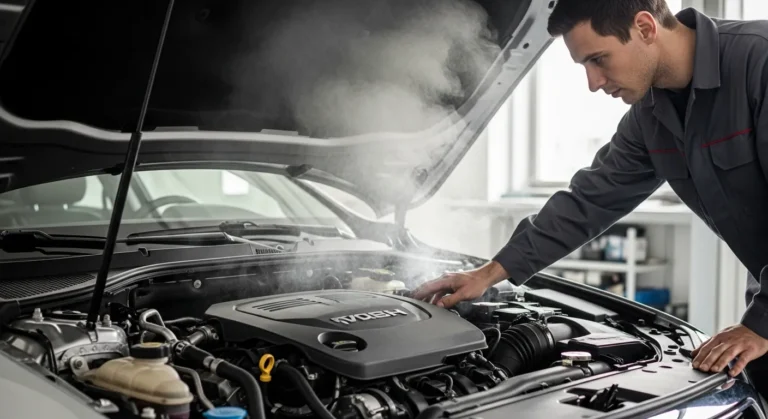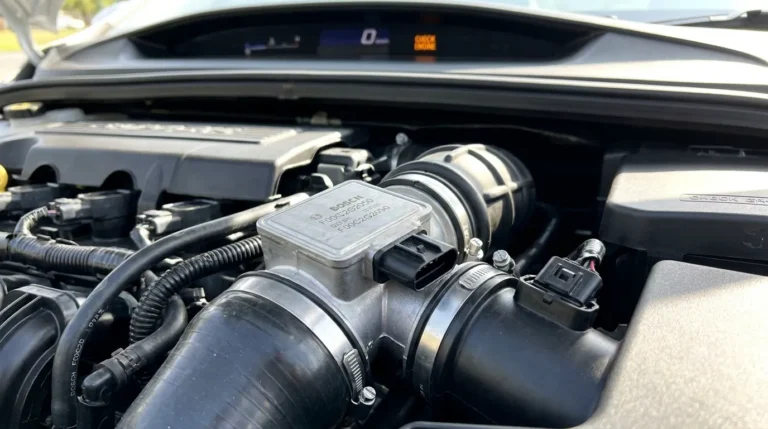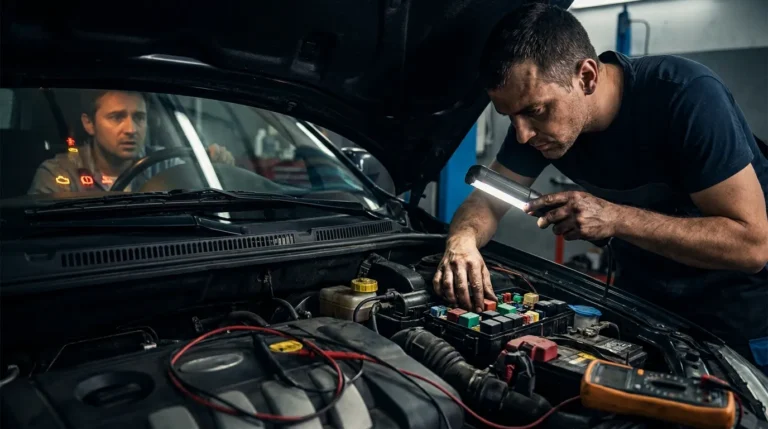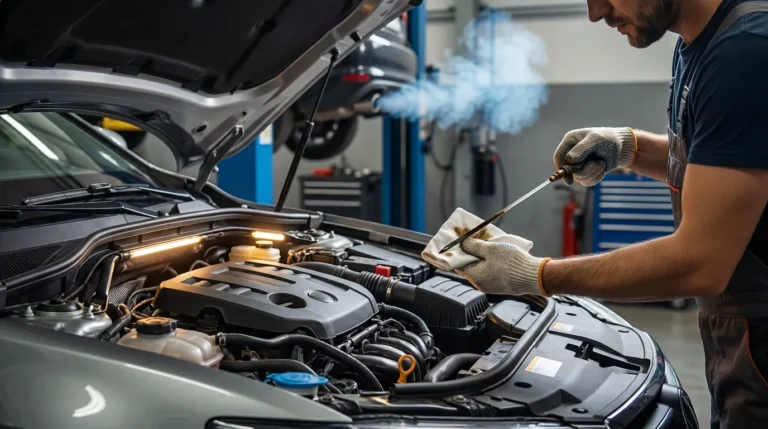
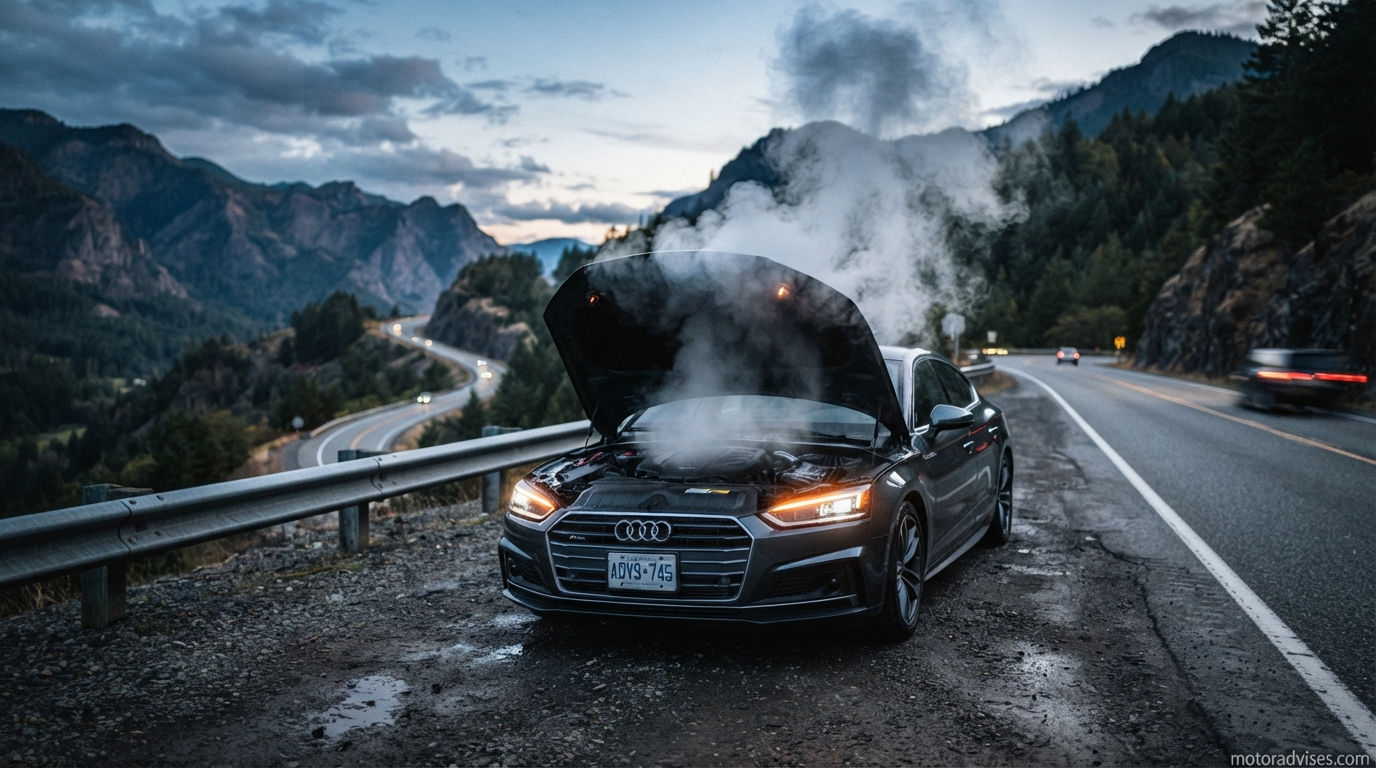
An oil change can trigger engine overheating when incorrect fluid, level, or seals cause heat build-up.
I’ve spent years fixing cars and training techs, so I know exactly how and why engine overheating after oil change happens. This article breaks down causes, quick checks, step-by-step diagnosis, repairs you can trust, and preventive tips. Read on for clear, practical guidance you can use today to spot and fix engine overheating after oil change problems fast.
Why an engine might overheat after oil change
Engine oil helps cool moving parts, reduce friction, and protect seals. If oil is wrong, low, or contaminated after a change, the engine can run hotter. Other linked systems, like cooling and sensors, can also be disturbed during service. Understanding these links helps you find the real reason behind engine overheating after oil change.
Common reasons include wrong oil grade, overfilling or underfilling, clogged filters, loose drain plugs, and air pockets in cooling lines after service. Each cause affects heat control differently. Later sections show how to check each issue step by step.

Common causes of engine overheating after oil change
Here are the main causes that I see in the shop and on the road.
- Wrong oil viscosity or type. Modern engines need specific oil. Using the wrong grade reduces heat transfer and increases friction.
- Incorrect oil level. Too little oil causes poor lubrication. Too much oil raises pressure and can cause foaming.
- Loose drain plug or filter. Leaks can lower oil quickly and cause poor lubrication.
- Contaminated oil or debris. Metal particles or sludge reduce oil flow and cooling.
- Disturbed cooling components. Technicians may bump hoses, sensors, or the radiator fan connectors during service.
- Faulty thermostat or coolant loss discovered after oil change. These may show symptoms at the same time as the oil work, creating confusion.
Engine overheating after oil change is often a combination of issues, not a single problem. Spotting the right one ends the guesswork.

How to check immediately after an oil change
Do these quick safety checks right away. They are simple and solve many cases of engine overheating after oil change.
- Park on level ground and wait five to ten minutes for the engine to cool.
- Check oil level with the dipstick. Read at operating temperature if recommended by manufacturer.
- Look under the car for fresh oil leaks from the drain plug or filter.
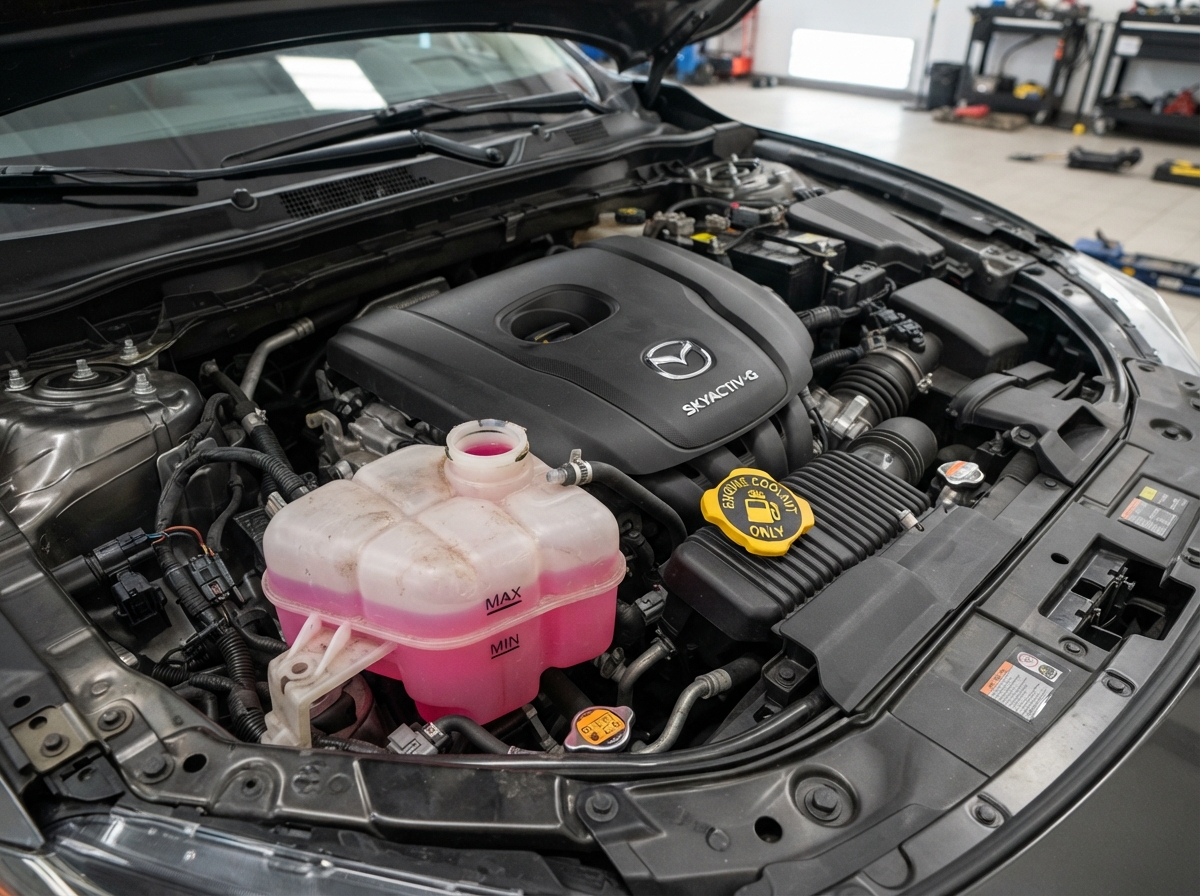
- Check coolant level in the reservoir. Low coolant often accompanies overheating.
- Inspect visible hoses, wiring, and fan connectors for loose or knocked-off parts.
If you find a leak or wrong level, address it before driving. A quick fix now can prevent a costly repair later.
Step-by-step diagnosis and troubleshooting
Follow this ordered checklist to find the cause of engine overheating after oil change.
- Verify oil type and amount
- Confirm the oil label matches the owner’s manual.
- Drain excess oil if overfilled. Remove oil if too dirty or wrong type.
- Inspect the drain plug and filter
- Tighten the drain plug to spec and ensure filter is seated correctly.
- Replace crushed or missing gaskets.
- Check coolant system
- Top off coolant if low. Inspect for leaks and test the thermostat.
- Bleed air from the cooling system if the car used a pressurized fill or had hoses disconnected.
- Scan for error codes
- Use an OBD-II scanner to read engine or temperature sensor faults.
- Replace faulty temperature sensors which can misread engine temperature.
- Look for oil foaming or milkiness
- White, frothy oil can mean coolant contamination. Stop driving and investigate head gasket or cooler faults.
- Test the radiator fan and belts
- Ensure fans run at the right temperature and belts are intact.
If basic checks don’t fix the problem, take the car to a trained technician. Some causes require shop tools and pressure tests.

Repairs and fixes you can do or expect at a shop
Some fixes are easy DIY tasks. Others need a shop.
- DIY fixes you can often do:
- Correct oil type or level.
- Tighten or replace drain plug and filter gasket.
- Top off coolant and bleed small air pockets.
- Shop-level repairs:
- Thermostat or water pump replacement.
- Radiator flushing or repair.
- Head gasket diagnosis if oil and coolant mix.
- Repair of damaged wiring or temperature sensors.
When I was new in the shop, I once chased a radiator cap leak for hours before finding an overfilled oil pan crushed the breather line. Small details matter. If you are not confident, get a professional to avoid worsening engine overheating after oil change problems.

Preventive measures to avoid overheating after an oil change
Prevention is cheaper than repair. Use these tips to avoid engine overheating after oil change.
- Always use the manufacturer’s recommended oil grade and specification.
- Measure oil level carefully after warm-up and use the correct dipstick method.
- Replace drain plug crush washers and filter gaskets as needed.
- Inspect cooling system hoses and fittings during the oil change.
- Ask the shop to run the engine and show you there are no leaks or warning lights before you drive away.
I advise customers to watch the temperature gauge for the first 50 miles after any service. Small signs show up early and save headaches.

Personal experience and lessons learned
I’ve diagnosed dozens of cars that overheated right after an oil change. The top lessons I learned:
- Mistakes happen fast. Even skilled techs can misthread a drain plug or forget to reconnect a fan sensor.
- Communication matters. When a shop tells you what they did, you can match symptoms to work done.
- Always do a brief road test after service. It catches issues early.
In one memorable case, a Camaro arrived steaming after an oil change. The filter was installed with a torn gasket. It leaked enough to starve the engine. A simple filter swap and top-up fixed it. That job reminded me that careful inspection beats frantic troubleshooting.

PAA-style quick questions
Can the wrong oil cause overheating right away?
Yes. Using oil with too high viscosity can increase friction and heat, making the engine run hotter quickly.
Will overfilling oil cause the engine to overheat?
Yes. Overfilled oil can foam and reduce lubrication, which raises component heat and can cause overheating.
Could a new oil change mask a coolant leak?
Yes. A fresh service visit can coincide with unrelated coolant issues. Always check coolant after an oil change.
Frequently Asked Questions of engine overheating after oil change
What should I do if my engine overheats immediately after an oil change?
Pull over, turn off the engine, and let it cool. Check oil level and look for leaks. If you see coolant loss or white smoke, call a tow.
Can an oil filter cause overheating?
Yes. A missing or damaged filter gasket can leak oil. Low oil reduces cooling and can lead to overheating.
How long can I drive if the engine overheats after an oil change?
Avoid driving. Even short trips with low oil or overheating can cause severe damage. Tow the vehicle if the cause is not obvious and fixed.
Is it possible that the oil change didn’t cause the overheating?
Yes. The timing can be coincidental. Cooling system failures or sensor faults may appear at the same time.
When should I see a mechanic about engine overheating after oil change?
See a mechanic if you find leaks, white frothy oil, persistent high temperature, or if you can’t find the simple cause. Professional tests prevent bigger failures.
Conclusion
This visual strategy is designed to help the reader quickly identify the cause of their engine’s overheating after an oil change. By consistently using the motoradvises.com branding, you reinforce your authority and provide a high-quality, professional experience for your readers.