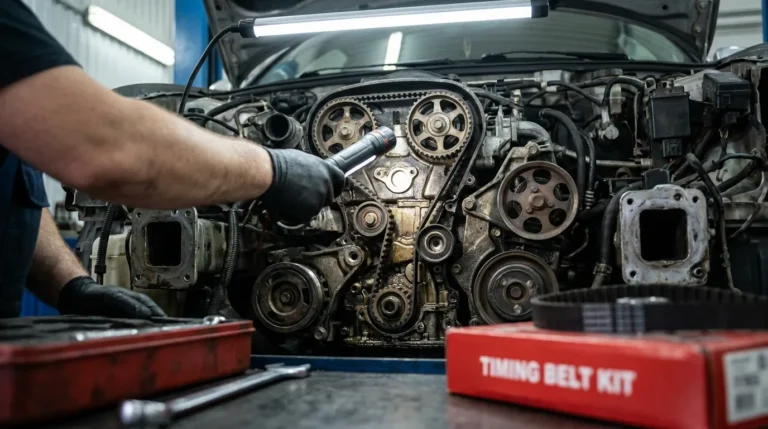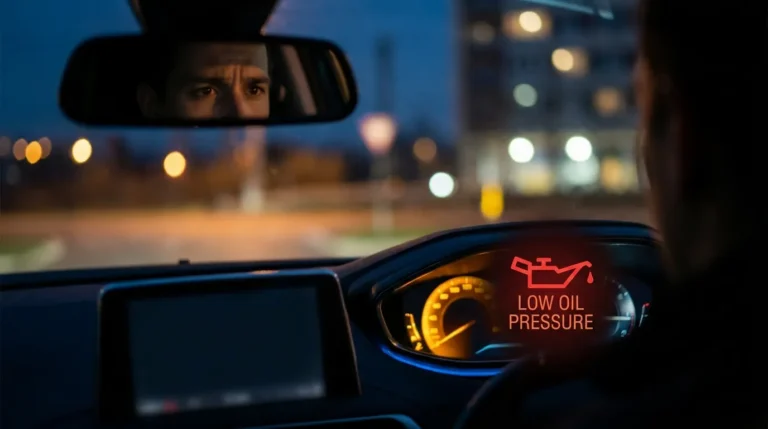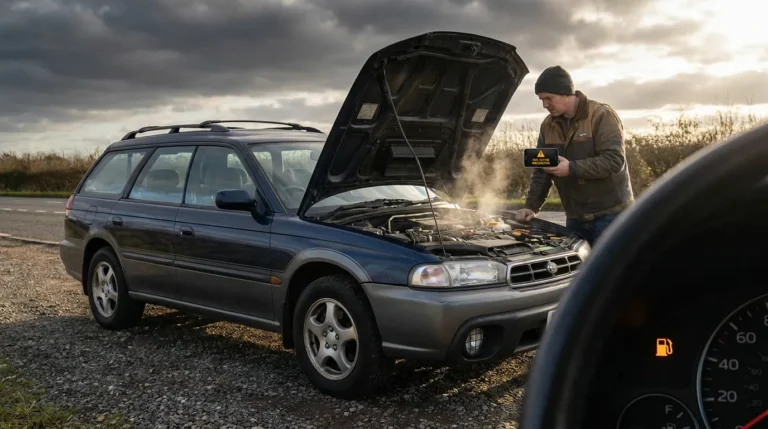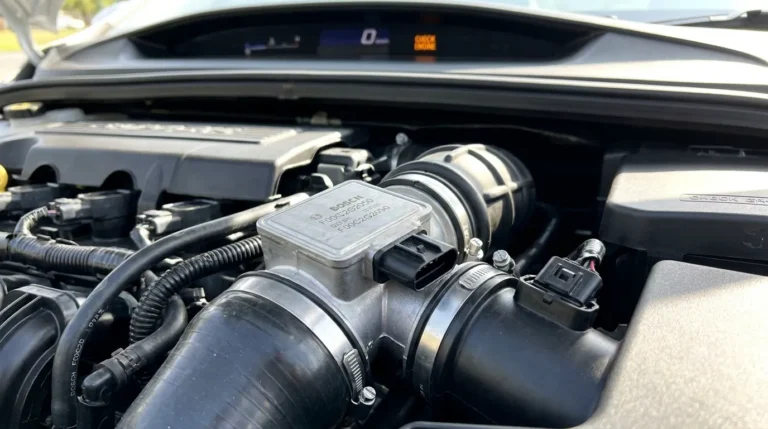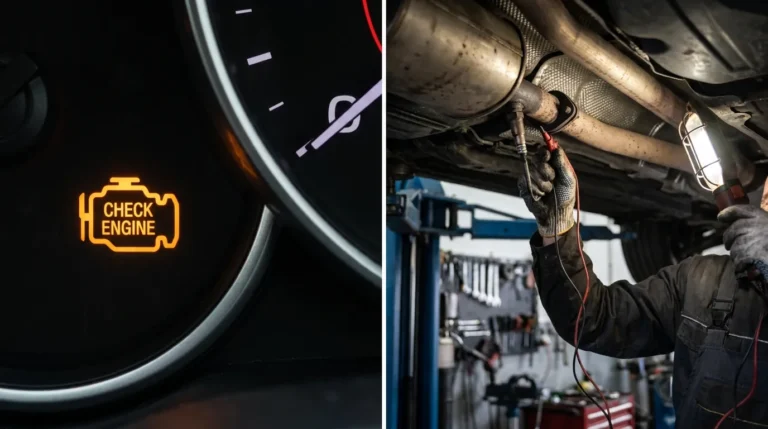
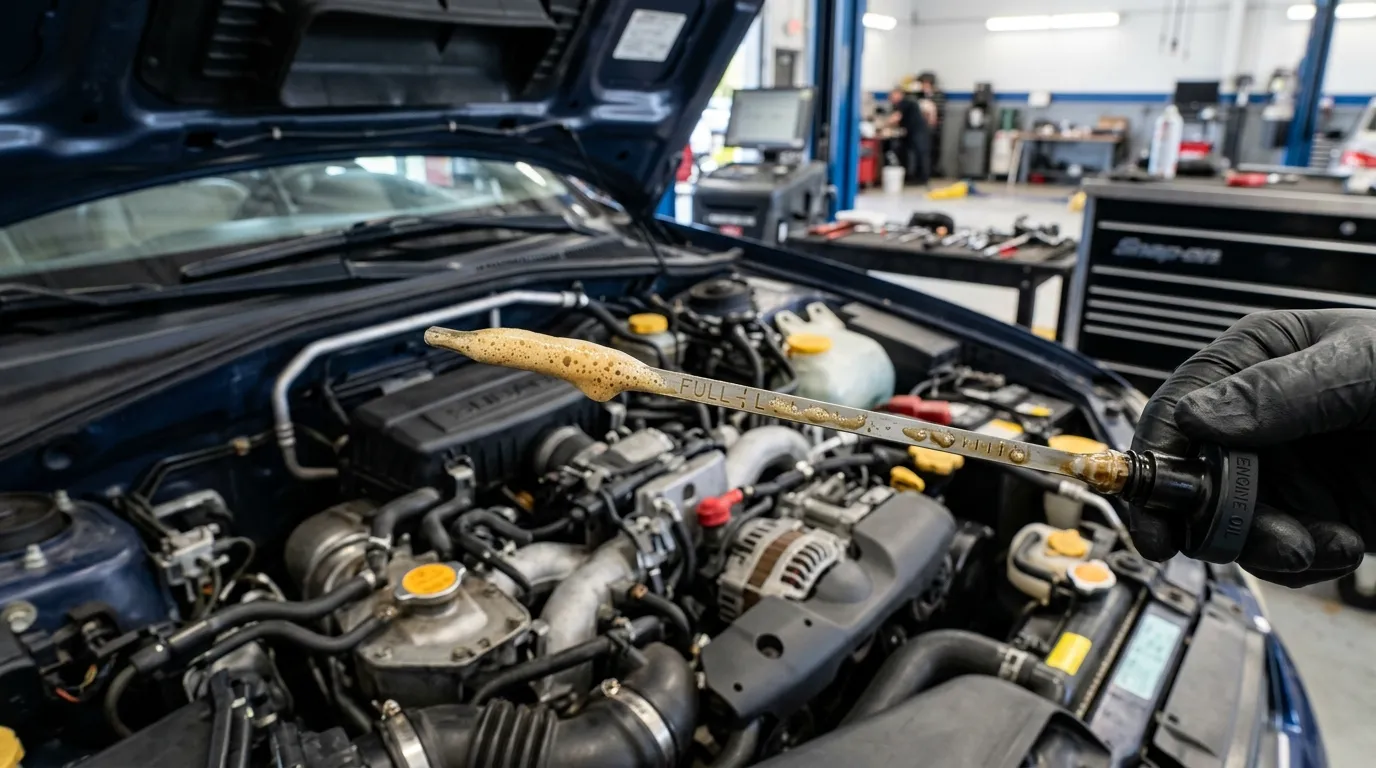
Engine oil foaming happens when air, contamination, overfill, or weak additives create stubborn bubbles.
If you want a clear, expert breakdown of what causes engine oil foaming, you are in the right place. I have chased foaming problems in daily drivers, track builds, and high-mileage trucks. In this guide, I explain the real reasons behind engine oil foaming, how to spot it fast, and what fixes actually work. Stick with me, and you will avoid costly damage and get your engine back to smooth, steady oil pressure.

What is engine oil foaming?
Engine oil foaming is when bubbles form and stay in the oil. Foam can sit on the surface or mix through the oil. It is not the same as simple aeration, which is many tiny bubbles that can release fast.
Both foam and aeration reduce film strength. That means thinner protection on bearings, cams, and lifters. Most oils fight foam with defoamers, but they can fail when the oil is stressed or contaminated.
In labs, foam tendency and stability are checked by ASTM D892. Air release is checked by ASTM D3427. Good oils meet API SP or ACEA limits for these tests. Bad foam scores often show up as poor air release in service.
Engine oil foaming does not fix itself. It needs a cause found and a clear action plan.

Why engine oil foaming matters
Foam looks harmless. It is not. Air in the oil cuts pressure and makes the pump work harder. That starves parts at high load or high RPM.
Here is what I see when engine oil foaming takes hold:
- Oil pressure needle flickers or drops on throttle.
- Lifter tick or top-end chatter after a hard pull.
- Oxidation speeds up. Oil turns dark and smells burnt.
- Filters can go into bypass. Wear metals jump on a lab report.
- Turbo bearings or cam lobes score fast under load.
A small amount of entrained air is normal. Persistent foam is not. If you are asking what causes engine oil foaming, you are already on the right path.
Quick answers you might be searching for
- Does synthetic oil foam less? Yes, most synthetics have better air release, but the wrong grade or contamination can still cause engine oil foaming.
- Can you drive with foamy oil? You can, but you should not. The risk of wear and pressure loss rises fast.
Source: cadencepetroleum.com
Main causes of engine oil foaming
Engine oil foaming has many triggers. Below are the common ones I find in the shop.
Overfill and crankshaft whipping
Too much oil lets the crankshaft slap the oil like a mixer. This whips air into the sump. It is a classic source of engine oil foaming after a service.
Low level and high turbulence
Very low oil levels cause the pump to gulp air. Hard cornering, steep grades, and high RPM make it worse. Weak baffles or no windage tray let splash aerate the sump.
Water or coolant contamination
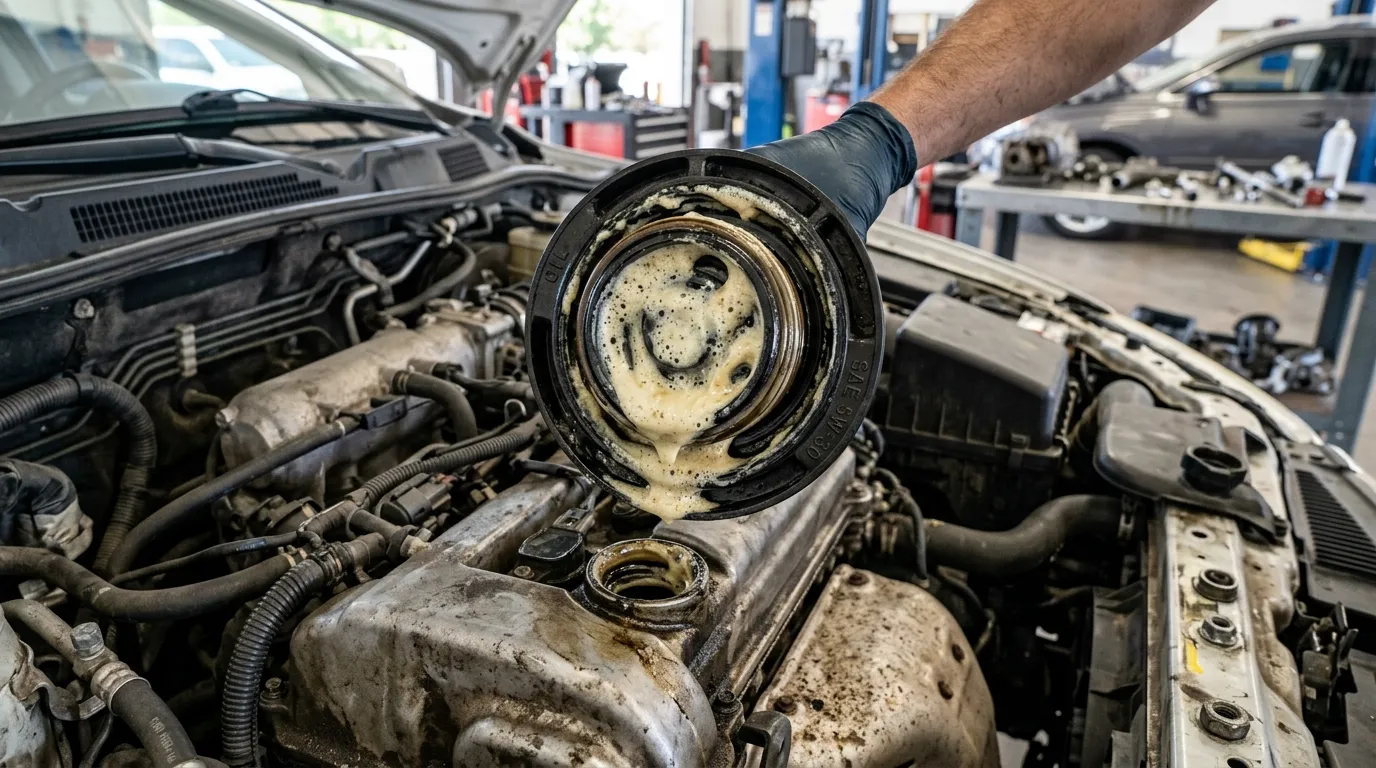
Condensation from short trips builds water in the oil. A small head gasket leak adds glycol. Both cause stubborn foam and a tan, milky look. If you wonder what causes engine oil foaming in winter, this is a top reason.
Fuel dilution
Leaky injectors, lots of idling, or failed cold starts thin the oil with fuel. Thin oil holds more air and loses defoamer strength. You get engine oil foaming and low hot pressure.
Wrong oil or mixed oils
Oils are complex. Additive packs must match engine needs. Mixing brands, dumping in gear oil, ATF, or snake-oil “boosters” can wreck defoamer balance. The result is engine oil foaming and sticky valves.
Additive depletion and oxidation
Long drains, high heat, and shear beat up defoamers. Oxidized oil makes natural surfactants that trap bubbles. Old oil foams more and drains slow.
Suction leaks on the pickup side
A cracked pickup tube, a hard O-ring, or loose fittings let air in before the pump. Oil looks fine at rest but foams under load. Watch for pressure drop on throttle.
PCV and blow-by issues
A stuck PCV valve or heavy blow-by pushes moisture and acids into the crankcase. That creates the perfect storm for engine oil foaming. It also accelerates sludge.
Viscosity mismatch and cold starts
Oil that is too thin for the bearing clearances can churn and hold more air. Very thick oil at cold start can trap bubbles and resist air release. Follow the manual and the API or ACEA spec.
Design and operating extremes
Track days, towing, and desert heat raise sump turbulence. Engines without good baffles, scrapers, or windage trays are prone to engine oil foaming. Dry-sump systems reduce this, but poor setup still foams.
How to diagnose engine oil foaming
You can confirm engine oil foaming with a few clear checks.
Fast checks at home
- Look at the dipstick and filler cap. Frothy, tan bubbles or milkshake streaks point to water or coolant.
- Watch the oil pressure gauge. Flutter or sag under load hints at entrained air.
- Do a jar test. Warm a small oil sample, shake it for 30 seconds, and let it sit. If big bubbles persist beyond 2–3 minutes, suspect foam tendency.
Checks on the car
- Inspect the PCV valve and hoses. Replace a stuck or clogged valve.
- Verify oil level. Drain to the correct mark if overfilled.
- Listen for top-end tick after a pull. It often pairs with engine oil foaming.
Shop or lab tests
- Oil analysis. Ask for water by Karl Fischer, glycol, fuel dilution, oxidation, and insolubles.
- Cooling system pressure test. A slow drop can reveal a head gasket seep.
- Oil pump pickup smoke test or vacuum test. Leaks on the suction side induce aeration.
- Review oil specs. Ensure the oil meets API SP/ILSAC GF-6 or the ACEA grade your engine needs.
- Understand foam and air tests. ASTM D892 shows foam tendency; ASTM D3427 shows air release.

Fixes and prevention for engine oil foaming
Here is what works in real life. I order them from easy to advanced.
- Set the oil level right. If it is high, drain to the correct mark. If it is low, top up with the correct grade.
- Change oil and filter. Use the viscosity and spec in your manual. Choose an API SP, ILSAC GF-6, or the ACEA class your engine calls for. This alone fixes engine oil foaming in many cases.
- Stop contamination. Fix coolant leaks. Replace bad injectors. Address fuel dilution.
- Service the PCV system. Replace the valve and cracked hoses. Clean the ports.
- Skip aftermarket additives. Most upset the defoamer balance and make engine oil foaming worse.
- Inspect the pickup path. Replace hardened O-rings and cracked tubes. Reseat fittings.
- Improve sump control for performance use. Add better baffles, a windage tray, or a deeper pan. For heavy track use, consider a dry-sump system.
- Mind filling and handling. Pour slow, avoid froth, and let oil settle before high RPM.
- Match viscosity to use. Cold climate needs the right winter rating. Towing and heat need a sturdy high-temp grade. Wrong viscosity is a common cause of engine oil foaming.
- Short-trip drivers, take a weekly highway run. Get the oil fully hot to boil off moisture.
Real-world examples and lessons learned
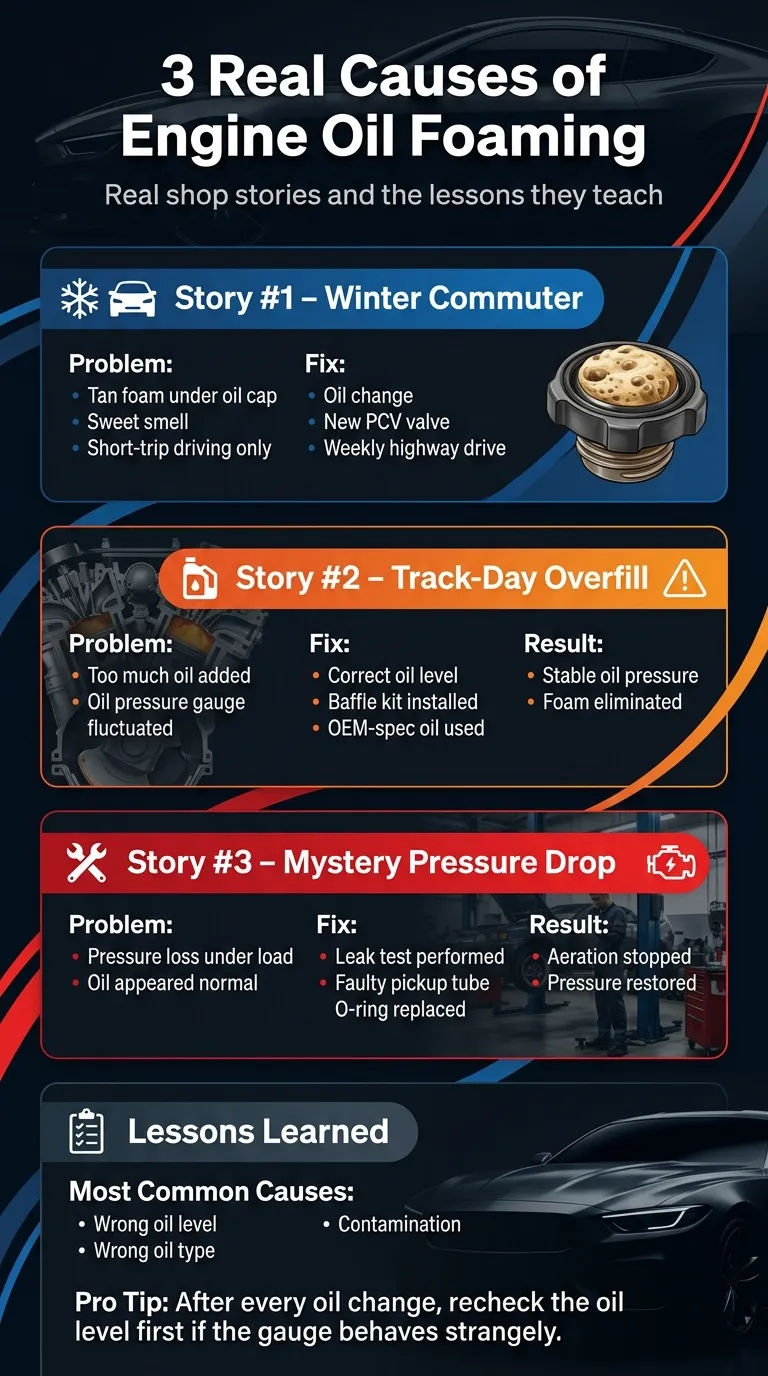
Story 1: The winter commuter
A compact car came in with tan foam on the cap and a sweet smell. The owner did short trips only. We changed the oil, replaced the PCV valve, and advised a weekly 20-minute highway drive. Lab results later showed the water dropped to normal, and the engine oil foaming stopped.
Story 2: The track-day overfill
A customer added “a bit extra for safety.” The crank whipped the sump. The gauge fluttered on corners. We set the level, added a baffle kit, and used the OEM-spec oil. Oil pressure stabilized and the foam was gone.
Story 3: The mystery pressure dip
A V8 truck had a pressure drop under load. Oil looked clean. We smoke-tested the pickup and found a tiny leak at the O-ring. A new seal fixed the aeration. This is a classic hidden cause of engine oil foaming.
What I have learned
- Most engine oil foaming comes from simple errors: wrong level, wrong oil, or contamination.
- Additives rarely help. Fresh, correct-spec oil almost always beats a bottle fix.
- If the gauge flickers after you did any oil change, recheck the level first.
Related concepts, standards, and data
Understanding a few key terms will help you solve what causes engine oil foaming with confidence.
- Aeration vs foam. Aeration is many small bubbles mixed through the oil. Foam is larger, stable bubbles often on the surface. Both reduce film strength.
- Defoamers. Common types are silicone polymers and organic defoamers. They reduce bubble stability but can be poisoned by contaminants or overdosed by mix-and-match oils.
- Demulsibility. Good oils shed water fast. ASTM D1401 checks this. Poor demulsibility traps water and promotes engine oil foaming.
- Viscosity index improvers. These help multigrade oils. Shear or heat can weaken them and change how oil traps air.
- Industry tests and specs. ASTM D892 (foam), ASTM D3427 (air release), API SP and ILSAC GF-6 for gasoline engines, ACEA sequences for Euro engines, and OEM specs like VW, MB, BMW, or Ford add extra limits.
- Sensor and control tie-ins. Modern ECUs respond to oil pressure and temp. Foaming can trigger limp modes, misfire codes, or VVT issues.
No oil is perfect. Even premium synthetics can foam in the wrong setup, at the wrong level, or with contamination. The fix is a system view: oil, engine design, and use case.
Frequently Asked Questions of what causes engine oil foaming
Can overfilling cause engine oil foaming?
Yes. Excess oil lets the crank whip air into the sump like a blender. Set the level to the dipstick mark to prevent this.
Does synthetic oil prevent engine oil foaming?
Synthetics often have better air release and thermal stability. They still foam if contaminated, overfilled, or mismatched to the engine.
How can I tell if coolant is causing engine oil foaming?
Look for a sweet smell, milky streaks, or a dropping coolant tank level. A pressure test and oil analysis for glycol give a clear answer.
Is it safe to drive with engine oil foaming?
It is risky. Foam reduces oil pressure and film strength, which can speed up wear or trigger lifter noise.
Will an additive stop engine oil foaming?
Most aftermarket additives do not help and can make it worse. Use the correct oil spec, fix the root cause, and change the oil and filter.
Why does engine oil foaming happen more in winter?
Short trips add water from condensation, and cold oil resists air release. The PCV system can also stick in cold weather, raising moisture.
What tests confirm engine oil foaming issues?
ASTM D892 shows foam tendency and stability, and ASTM D3427 shows air release. Oil analysis for water, glycol, and fuel dilution helps find the root cause.
Conclusion
Engine oil foaming comes down to air, contamination, wrong level, or chemistry out of balance. Start with the basics: set the level right, run the correct spec oil, and remove water, fuel, and coolant sources. Check the PCV system and the pickup path, and upgrade sump control if you drive hard.
Act now if you see foam, smell coolant, or watch the gauge flutter. A simple oil service and one small fix can save a bearing set. Want more tips like this? Subscribe, ask a question in the comments, or share your own oil story so we can troubleshoot together.