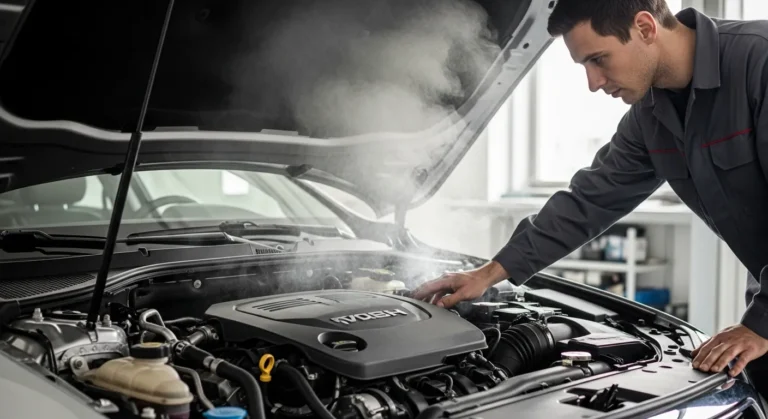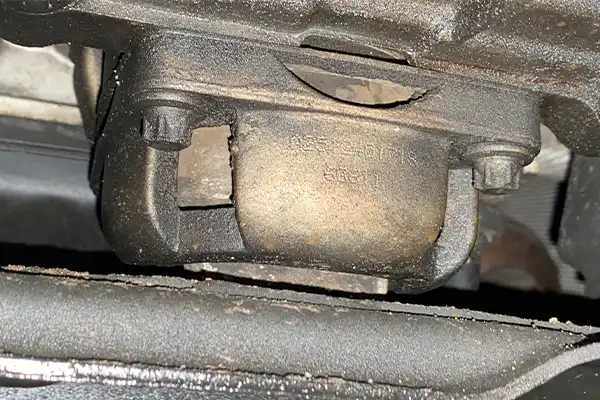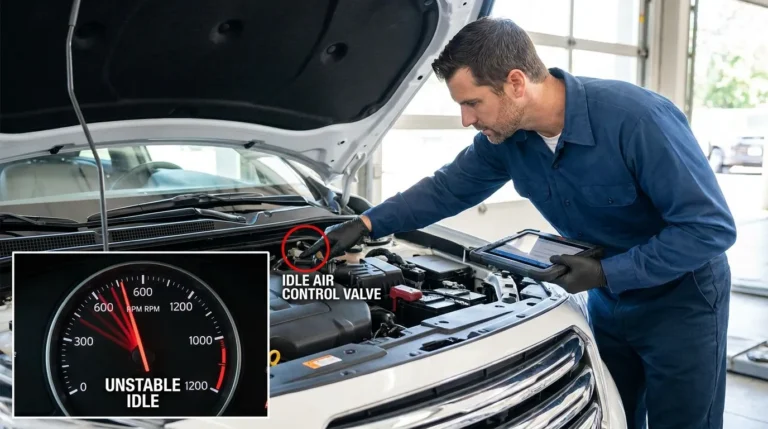
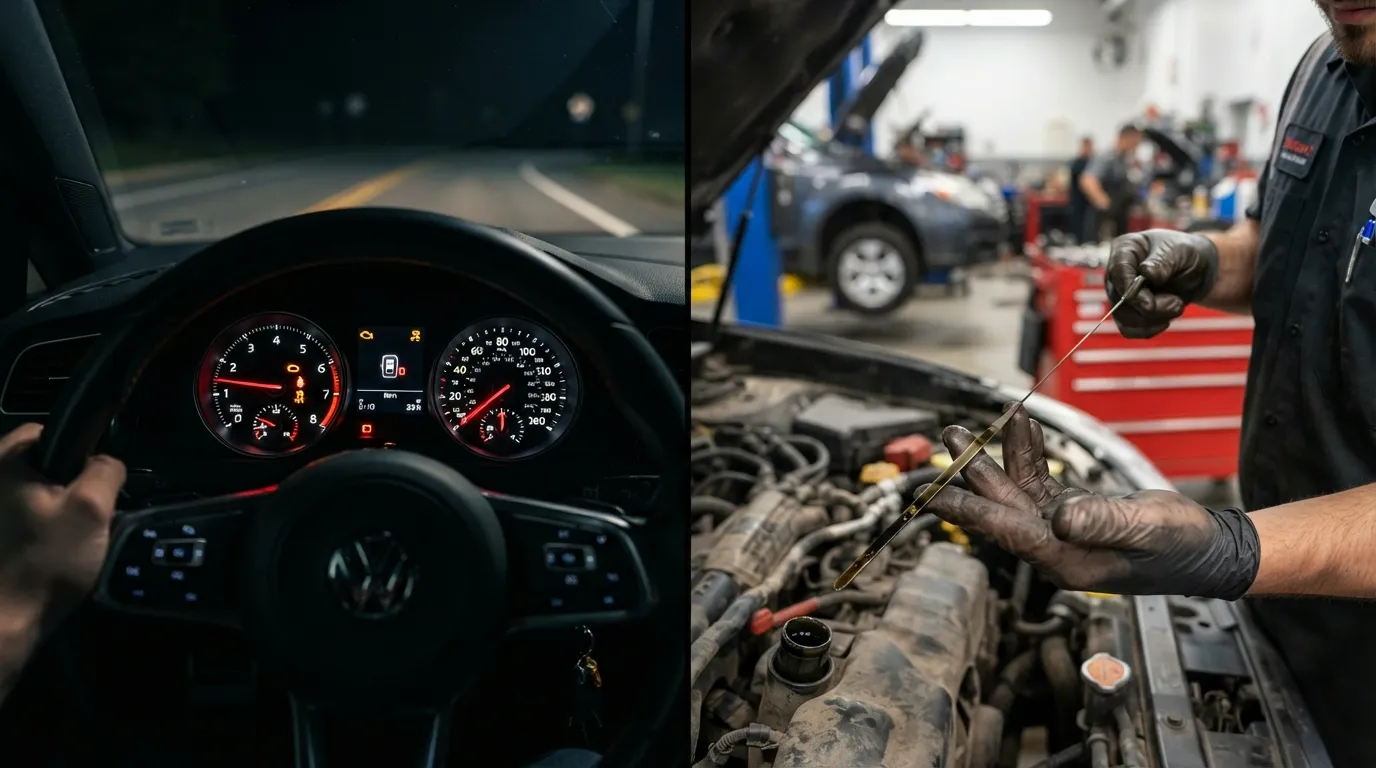
Transmission slipping symptoms include engine revs without movement, delayed engagement, shuddering, and gear hunting.
I’ve spent years diagnosing and fixing drivetrains, and I’ll walk you through the key transmission slipping symptoms, why they happen, how pros test for them, and what you can do right now. This guide explains symptoms clearly, offers real-world examples from my shop experience, and gives practical steps to prevent costly repairs. Read on to learn how to spot transmission slipping symptoms early and protect your car.
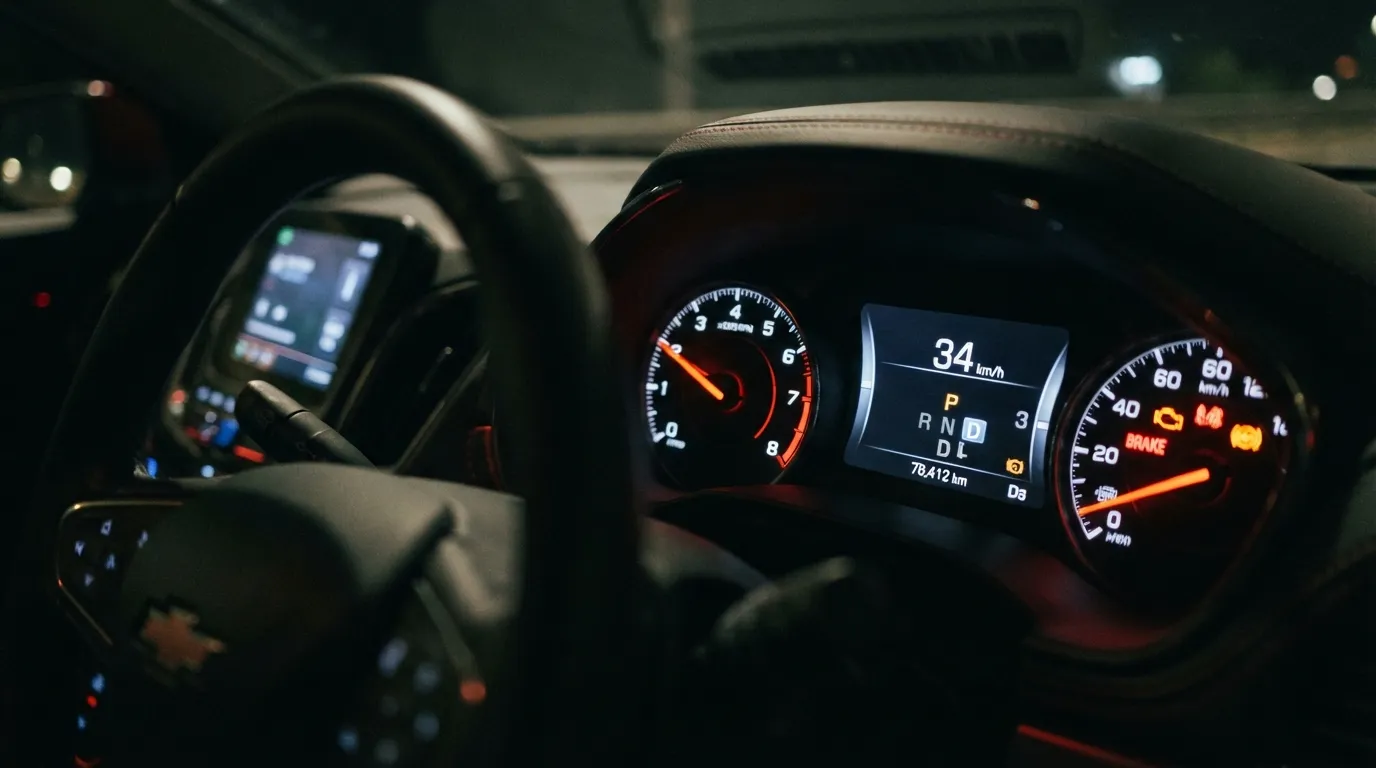
What does transmission slipping mean?
Transmission slipping happens when the transmission fails to stay engaged in the intended gear. The engine may rev, but the car fails to accelerate as expected. Slipping can be sudden or gradual and can affect both automatic and manual transmissions.
Transmission slipping symptoms can point to worn parts, fluid problems, or electronic faults. Early detection often saves time and money. I’ll explain the signs, root causes, and next steps for diagnosis and repair.
Common transmission slipping symptoms
- Engine revs rise but acceleration lags.
- You press the gas and RPM climbs, but speed does not increase proportionally. This is one of the clearest transmission slipping symptoms.
- Delayed engagement when shifting into drive or reverse.
- The car hesitates before moving after you shift into gear. This delay often signals internal wear or low fluid.
- Gear hunting or intermittent slipping between gears.
- The transmission jumps between gears or shifts erratically. This makes driving unpredictable and can be dangerous.
- Shuddering, jerking, or vibrating during acceleration.
- A shudder that feels like a light shake during gear changes is a common transmission slipping symptom, often tied to torque converter or clutch issues.
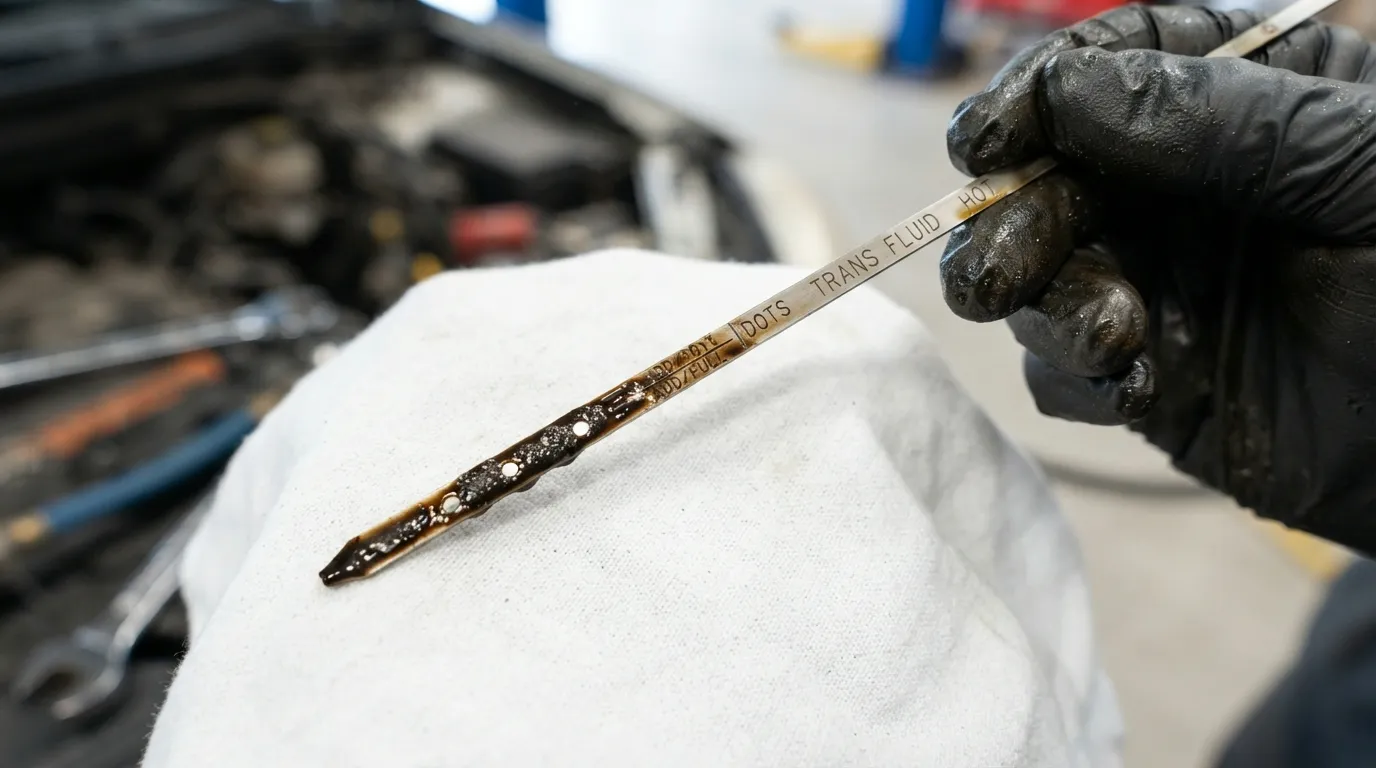
- Burning smell or dark, burnt transmission fluid.
- Overheated fluid smells like burnt toast and may look dark brown or black. This indicates stress and potential damage.
- Sluggish acceleration under load or on hills.
- The car fails to build speed on inclines. This symptom often appears once slipping is advanced.
- Unusual noises: whining, clunking, or grinding.
- Noises during shifting can accompany slipping and help localize the problem.
- Warning lights on the dash.
- The check engine light or transmission warning may come on. These codes help pinpoint electrical or sensor-related causes.
Causes of transmission slipping
Automatic and manual transmissions have different failure modes, but many causes overlap.
- Low or contaminated transmission fluid.
- Fluid lubricates, cools, and transmits hydraulic pressure. Low level or dirty fluid reduces pressure and causes slipping.
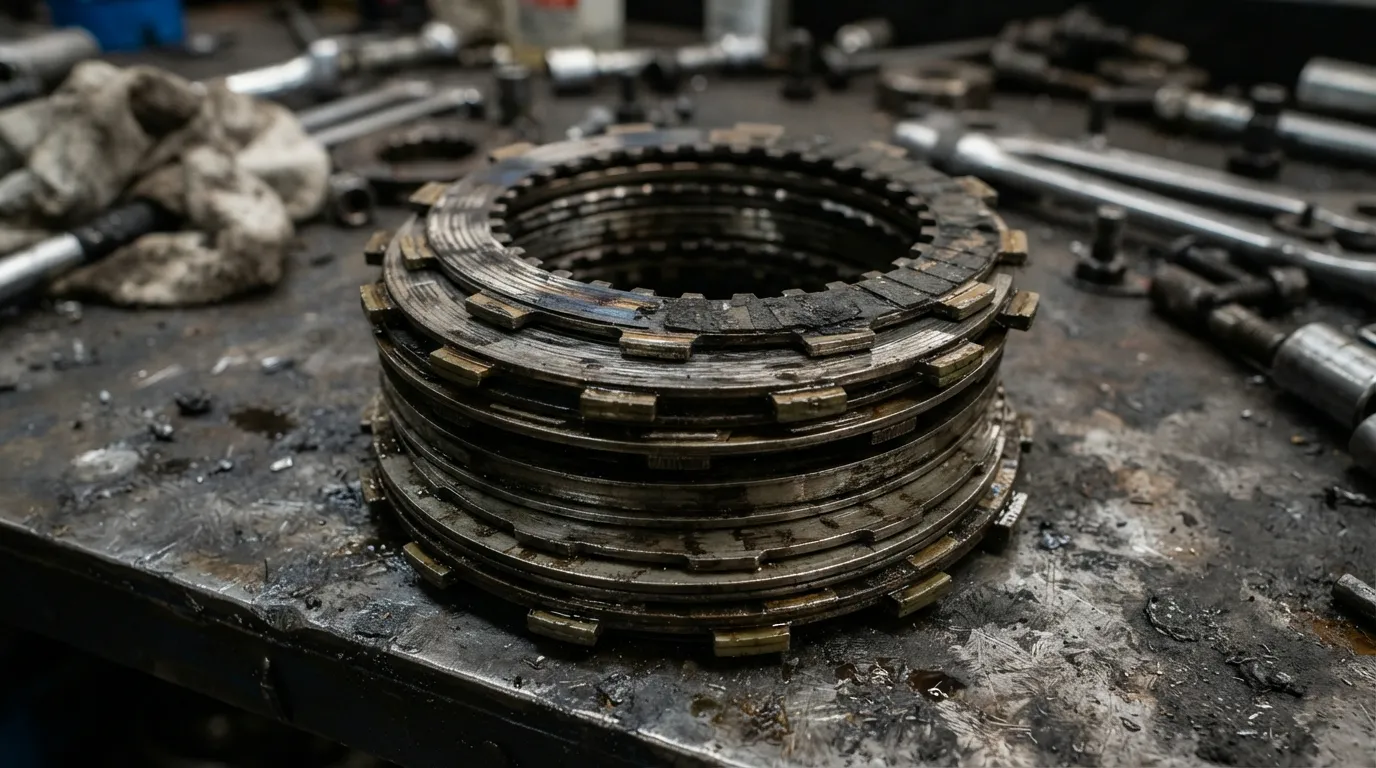
- Worn clutch plates or bands.
- In automatics, clutch packs and bands wear with use. In manuals, the clutch disc can slip when worn.
- Faulty torque converter.
- The torque converter locks and unlocks to transfer power. Internal damage can cause shuddering and slipping.
- Valve body or hydraulic control faults.
- The valve body routes fluid to the right clutches. Sticking valves or solenoid failure change shift timing and cause slipping.
- Overheating and thermal breakdown of components.
- Heat accelerates wear. Repeated overheating leads to burnt fluid and damaged seals.
- Electronic control module or sensor failures.
- Modern cars use sensors and software to manage shifts. Bad sensors or software glitches can mimic slipping.
- Mechanical wear: gears, bearings, or planetary sets.
- Internal gear wear is a deeper problem and usually requires major repair or replacement.
- Wrong fluid type or recent improper service.
- Using the wrong fluid or a botched fluid change can create pressure problems and slipping.
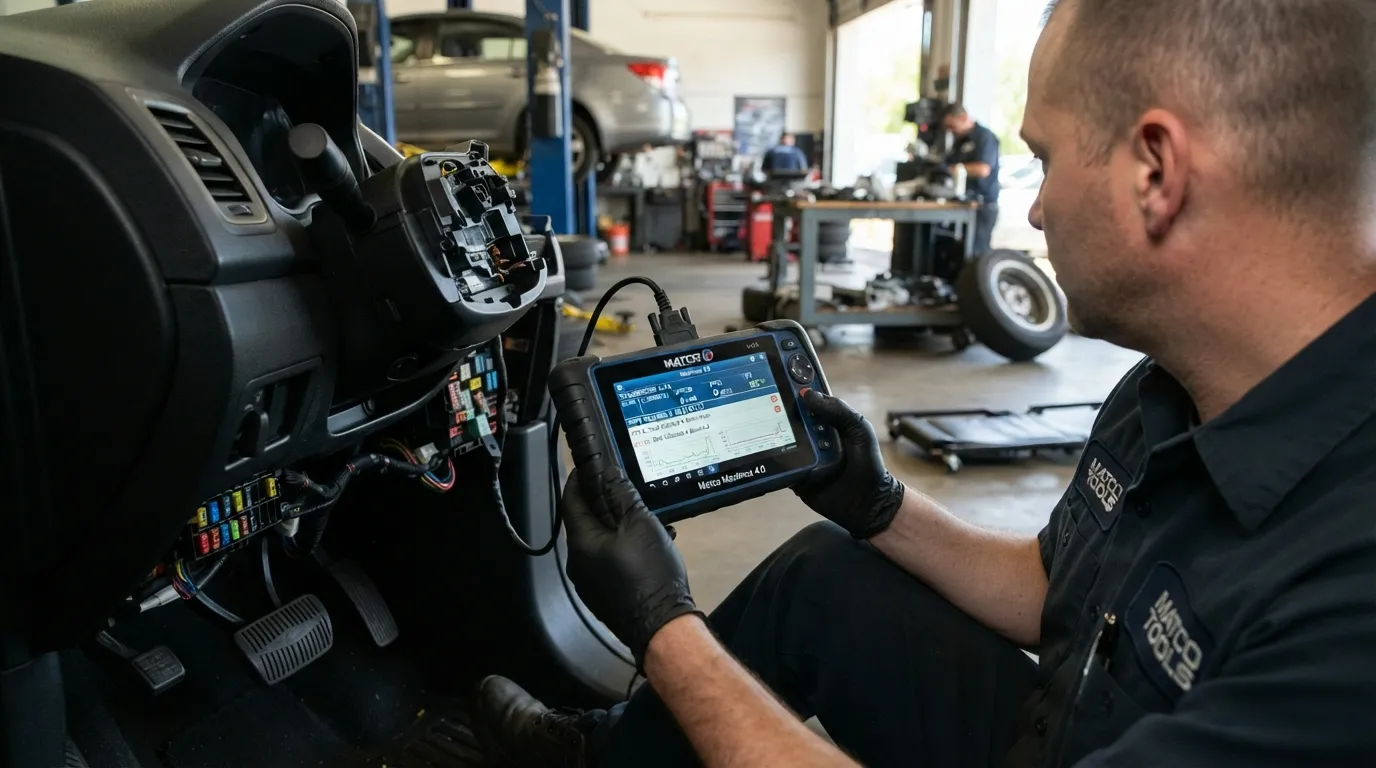
How mechanics diagnose transmission slipping symptoms
Good diagnosis follows a clear checklist. I use these steps in my shop.
- Visual and fluid inspection.
- Check fluid level, color, and smell. Look for leaks and external damage.
- Road test and symptom replication.
- Drive the car under different loads to reproduce slipping behavior and note when it occurs.
- Scan for codes and live data.
- Read transmission and engine codes. Watch shift solenoid activity, pressure readings, and sensor inputs.
- Pressure and leak-down tests.
- Measure hydraulic pressure to verify pump and valve body function. Low pressure often causes slipping.
- Torque converter and clutch tests.
- Check for slipping clutch by measuring stall speed or feeling lock-up performance. Torque converter problems often cause shudder.
- Inspect filter and pan residue.
- Metal shavings or burnt fluid in the pan often signal internal wear.
- Road-load simulation and controlled tests.
- Use simulated loads to isolate the issue without risking damage. This helps determine if the problem is mechanical or electronic.
Accurate diagnosis avoids unnecessary repairs. I’ve seen owners replace transmissions only to find a simple fluid or solenoid fix was needed.
.jpg)
Repair options, timelines, and cost estimates
Repairs vary by cause, vehicle, and labor rates. Below are common fixes and rough cost ranges.
- Transmission fluid and filter change.
- Cost estimate: low. Time: 1–2 hours. Best first step for fluid-related slipping symptoms.
- Solenoid or sensor replacement.
- Cost estimate: moderate. Time: 1–4 hours. Often fixes shift control and electrical slip problems.
- Torque converter repair or replacement.
- Cost estimate: moderate to high. Time: 4–8 hours. Necessary when converter damage causes shudder or slip.
- Valve body rebuild or replacement.
- Cost estimate: moderate to high. Time: 4–8 hours. Rebuilds restore hydraulic control.
- Clutch replacement (manual).
- Cost estimate: moderate to high. Time: 5–8 hours. Worn clutch discs cause manual transmission slipping symptoms.
- Rebuild or replace transmission.
- Cost estimate: high. Time: several days. When internal gear wear or major damage exists, rebuild or replacement is needed.
- Used or remanufactured transmission swap.
- Cost estimate: varies widely. Time: several hours to days. Useful when cost matters and matching part is available.
Always get a written estimate and ask about warranties. I recommend professional diagnosis before committing to major work.
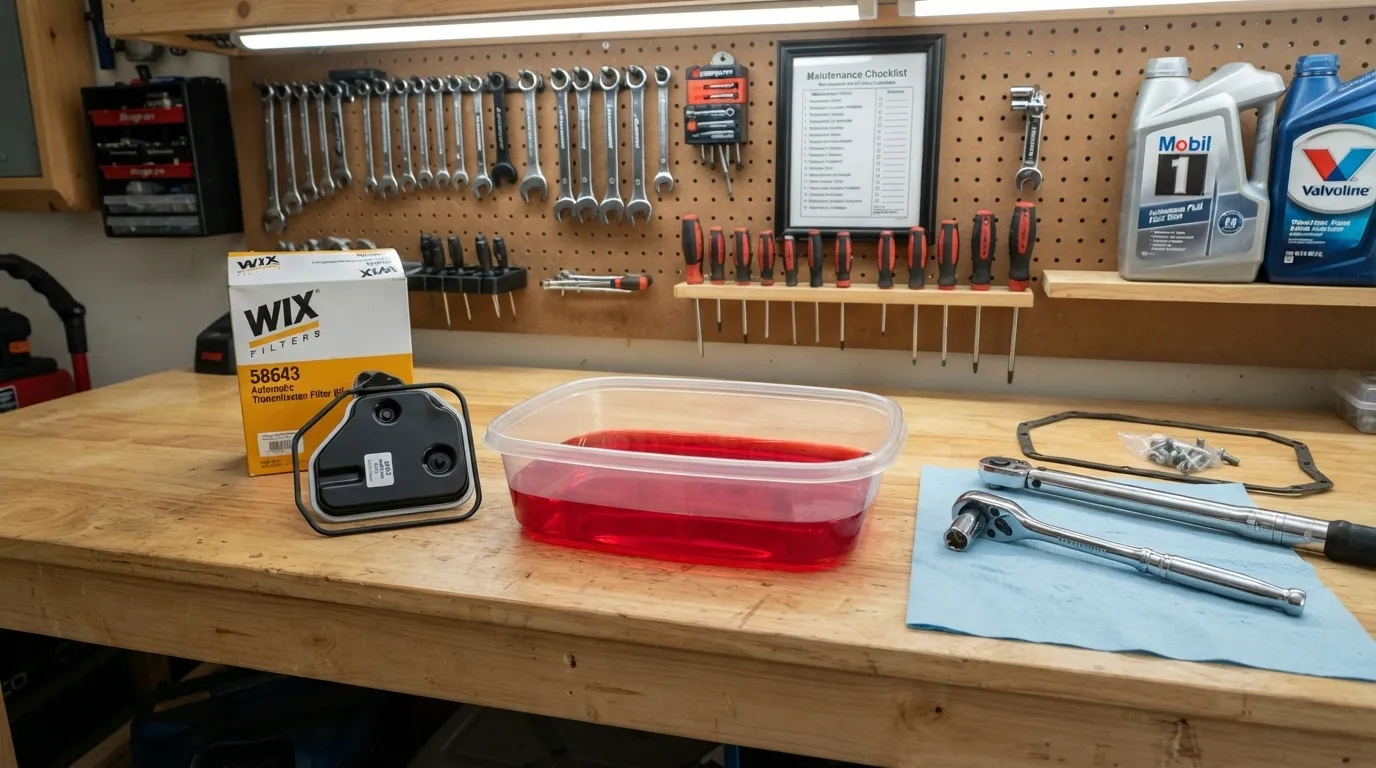
Preventing transmission slipping and maintenance tips
Simple habits can prevent many slipping problems.
- Check fluid regularly and follow schedule.
- Use the manufacturer’s fluid type and interval. Fluid checks are quick and cheap.
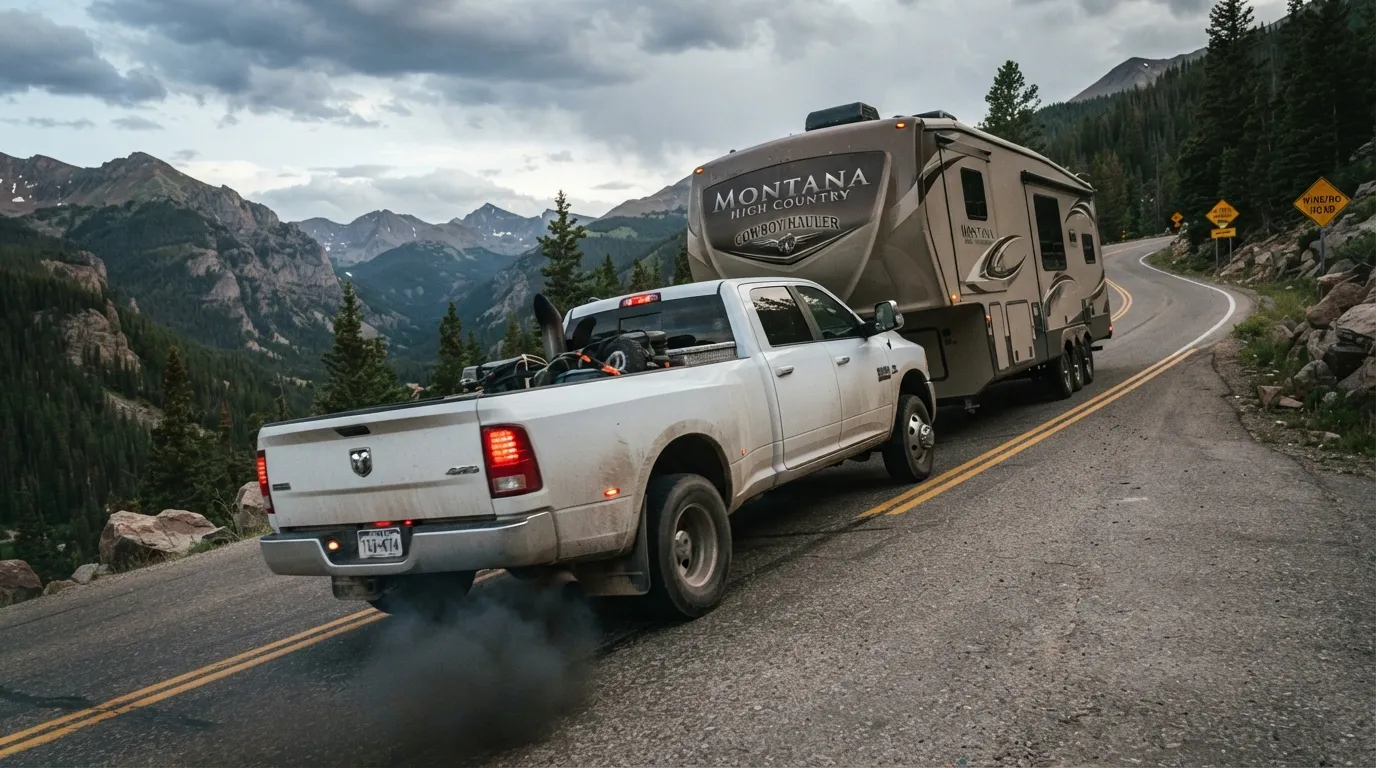
- Avoid towing beyond vehicle limits.
- Excess load overheats transmissions and speeds wear.
- Use gentle driving habits.
- Avoid aggressive starts and sudden load changes. Smooth driving extends transmission life.
- Service cooling systems.
- A healthy radiator and cooler lines keep temperatures down.
- Respond promptly to symptoms.
- Early action on minor slipping saves big repair costs later.
- Keep software up to date.
- OEM updates can fix shifting control issues in modern cars.
These steps cut risk and often stop slipping before it becomes costly.
Personal experience and lessons learned
I once diagnosed a car that felt like it had transmission slipping symptoms but only needed a fluid change. The owner had ignored a faint shudder for months. After a fluid and filter service, shifting returned to normal.
Lesson learned:
- Small symptoms often precede big failures. Catching slipping early saves money.
Common mistake:
- Replacing the transmission without full diagnosis. Don’t assume the worst. Check fluid and codes first.
Practical tip:
- Keep service records. They help your mechanic trace the issue fast and avoid repeat mistakes.

Related concepts and myths about transmission slipping symptoms
- Myth: “Transmission slipping only happens in old cars.”
- Reality: New cars can slip due to fluid issues, software bugs, or manufacturing defects.
- Myth: “If engine revs, transmission is toast.”
- Reality: Engine revs without movement can be caused by low fluid, a bad solenoid, or worn clutch—not always total failure.
- Related term: torque converter shudder.
- This is a specific feel of vibration during acceleration and is often tied to slipping.
- Related term: delayed engagement.
- The brief pause when selecting drive is a classic early slipping symptom.
- Related tool: OBD-II scanner.
- Codes and live data from a scanner give key clues about slipping causes.
Frequently Asked Questions of transmission slipping symptoms
What are the first signs of transmission slipping?
Early signs include engine revving without proportional speed, delayed engagement when shifting into drive, and light shuddering during acceleration. Check fluid and warning lights immediately.
Can low transmission fluid cause slipping?
Yes. Low or dirty transmission fluid is a common cause of slipping because it reduces hydraulic pressure and lubrication. A fluid check is a quick first diagnostic step.
Is transmission slipping dangerous to drive with?
Driving with slipping can be risky. It reduces control and can lead to sudden loss of drive. Address slipping symptoms quickly to avoid further damage.
How much does fixing transmission slipping usually cost?
Costs range widely: a fluid change is low cost, solenoid fixes are moderate, and rebuilds or replacements are expensive. Get a diagnosis before assuming the worst.
Can a simple fluid change fix transmission slipping symptoms?
Sometimes. If slipping is caused by contaminated or low fluid, a fluid and filter change often restores normal operation. Persistent symptoms need deeper checks.
How do I tell if it’s the torque converter or the transmission?
Torque converter issues often cause shuddering at steady speeds and poor lock-up, while internal transmission wear causes slipping across multiple gears. A pro test, including stall speed and pressure checks, helps tell them apart.
Conclusion
Transmission slipping symptoms are a clear red flag that something in the drivetrain needs attention. Spot the signs early—engine revs without movement, delayed engagement, shuddering, and odd smells—and start with fluid and code checks. Use this guide to communicate clearly with a mechanic and to take practical steps to prevent repeat problems. If you notice slipping, schedule a diagnostic soon, keep service records, and share your observations with your technician. Leave a comment with your experience, subscribe for repair tips, or book a checkup to protect your vehicle.