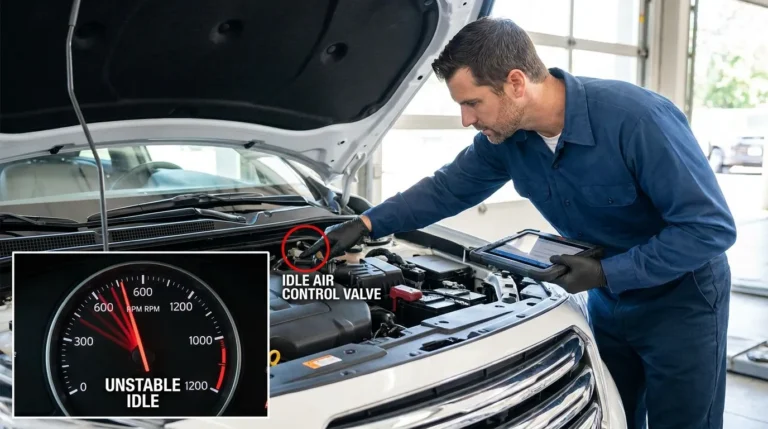
Engine mount failure symptoms include vibration, clunking noises, and visible engine movement under load.
I’ve worked on many cars and seen the full range of engine mount failure symptoms up close. This guide explains what to look for, why mounts fail, how to test for trouble, and what repairs usually cost. Read on to learn clear, practical steps to spot and fix engine mount problems before they turn into bigger repairs.
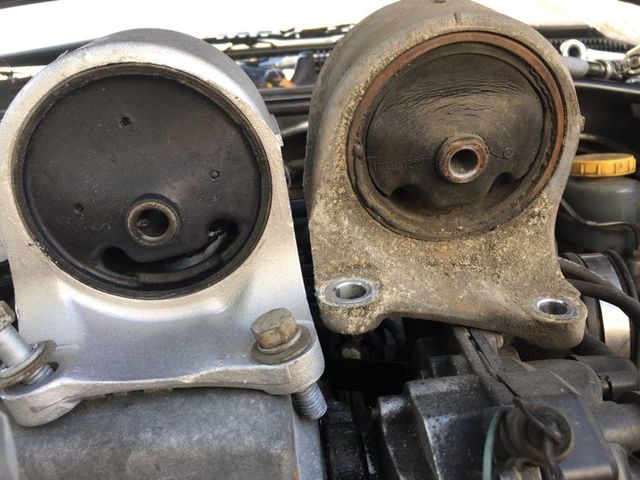
Source: tolimas-auto.com
What engine mounts are and why they matter
Engine mounts hold the engine in place and absorb engine motion. They keep the engine aligned with the transmission and frame. Good mounts cut vibration and protect hoses, wires, and drivetrain parts. Bad mounts let the engine move too much, which causes noise, wear, and safety issues. Understanding engine mount failure symptoms helps you stop damage early and keep your car safe.
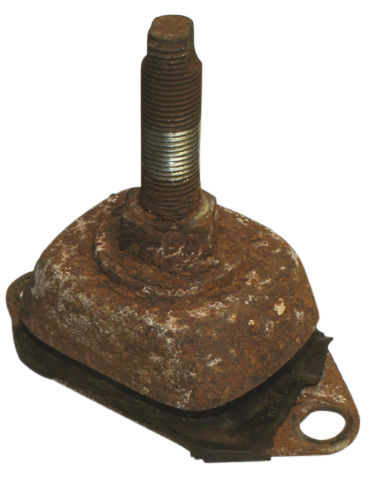
Source: co.uk
Common engine mount failure symptoms
Below are the typical engine mount failure symptoms. Spotting these early can save time and money.
- Excessive vibration while idling or driving.
If you feel strong shaking at idle or under acceleration, a mount may be soft or broken. - Clunking, banging, or knocking when shifting gears or accelerating.
The engine can shift and hit chassis parts when a mount no longer holds it steady. - Visible engine movement when revving or during quick throttle changes.
Look under the hood for the engine rocking forward or sideways while someone revs. - Uneven or rapid wear on hoses, belts, or wiring.
Extra engine motion strains components. You may see chafing or stretched lines. - Transmission misalignment or shifting issues.
Movement from failed mounts can affect transmission linkages and cause rough shifts. - Unusual noise during acceleration or deceleration.
Sounds often come from contact between engine and surrounding parts. - Leaking fluid from hydraulic mounts.
Some mounts are filled with fluid; leaks mean lost damping and a failed mount.
People also ask
How quickly do engine mounts fail?
Engine mount lifespan varies widely. They often last 60,000 to 100,000 miles but can fail sooner due to heat, oil exposure, or rough driving.
Can bad mounts damage my car?
Yes. Failed mounts can cause stress on the drivetrain, cracked exhaust parts, and worn wires or hoses. Fix mounts to avoid these costs.
Are mounts repairable or only replaceable?
Most mounts are replaced rather than repaired. Worn or torn rubber and leaking hydraulic mounts require new parts.

Source: youtube.com
What causes engine mount failure
Understanding causes helps you prevent failure. Common causes include:
- Time and wear.
Rubber hardens and cracks over years. - Heat exposure from engine and exhaust.
Heat speeds rubber breakdown and degrades adhesive bonds. - Oil or fluid leaks.
Oil softens rubber and ruins mount integrity. - Aggressive driving and engine torque.
Hard launches and heavy load cycles stress mounts. - Road salt and corrosion.
Metal brackets rust and fail in cold, salty climates. - Poor installation or cheap aftermarket parts.
Wrong parts or bad installation cause early failures and added wear.
From my experience, oil leaks are the single biggest accelerator of mount failure. Fix leaks early to protect the mounts.
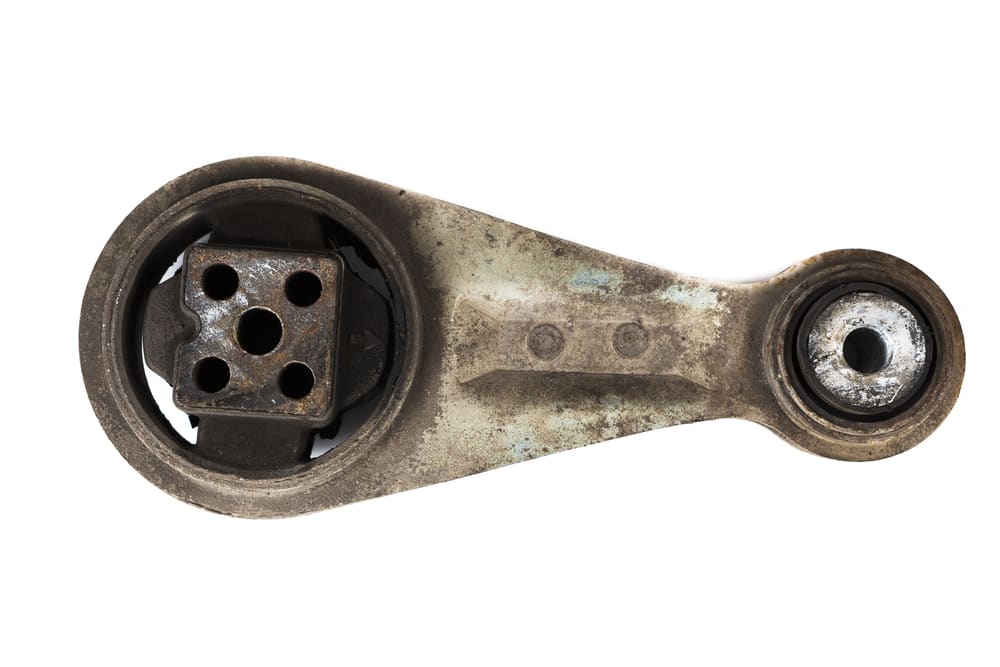
Source: yourmechanic.com
How to diagnose engine mount failure
Follow these steps to check for engine mount failure symptoms and confirm the problem.
- Visual inspection
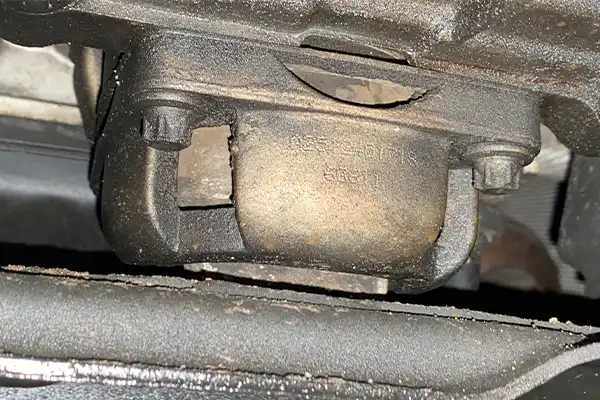
Inspect mounts for cracks, tears, or leaking fluid. Check metal brackets for rust or bending. - Shake test (engine off)
With the car in park and parking brake on, grasp the engine where accessible and gently rock it. Excessive movement suggests weak mounts. - Rev test (one person inside car)
Have someone slowly rev the engine while you watch engine movement. Large shifts indicate a problem. - Listen for noises while shifting and accelerating
Note clunks, bangs, or metal-on-metal noises. These often match mount failures. - Road test under different conditions
Drive at low speed, then accelerate briskly. Pay attention to vibrations and change in noise. - Professional inspection and lift check
A mechanic can use a pry bar and lift to check alignment, torque, and mount mount condition. They may also check transmission mounts.
Safety tip: Avoid extreme rocking. If unsure, get a pro to inspect. I once missed a cracked mount because a quick visual check didn’t show the tear; a rev test revealed the movement. That saved me from a broken exhaust hanger later.

Source: youtube.com
Repair options, parts, and cost expectations
Knowing repair options helps you plan time and money.
- Replace single mount or full set.
Some cars need only one mount replaced. Others benefit from replacing multiple mounts at once for balanced support. - OEM vs aftermarket parts.
OEM parts match factory fit and durability. Quality aftermarket mounts can be fine but check reviews and material. - Hydraulic vs solid mounts.
Hydraulic mounts damp vibration better but cost more. Solid mounts can increase vibration and noise. - Labor and cost range.
Mount replacement costs vary by vehicle. Expect parts and labor from about $150 to $800+ per mount. Labor increases for hard-to-reach mounts and AWD cars. - DIY vs pro replacement.
Simple front mounts are DIY-friendly with basic tools. Complex mounts or mounts requiring engine support should be done by a shop.
Practical tip: When replacing mounts, also inspect related parts like transmission mounts, exhaust hangers, and engine brackets. I usually replace one adjacent mount when I find a failed mount. It prevents repeat visits.
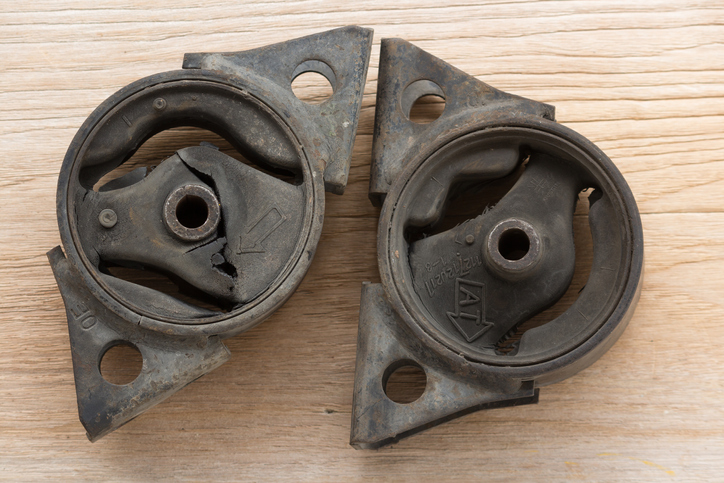
Source: rivergatemuffler.com
Prevention and maintenance tips
Simple habits lengthen mount life and reduce engine mount failure symptoms.
- Fix oil leaks quickly to avoid rubber damage.
- Avoid repeated hard launches and rough driving.
- Inspect mounts during routine service, especially after 60,000 miles.
- Use quality parts and correct torque specs when replacing mounts.
- Keep exhaust and heat shields intact to reduce thermal stress on mounts.
- Replace worn transmission mounts to reduce strain on engine mounts.
Small checks every oil change can catch wear early and avoid bigger failures.

Source: youtube.com
Frequently Asked Questions of engine mount failure symptoms
What does a bad engine mount sound like?
A bad engine mount often causes clunks or bangs during acceleration, deceleration, or gear changes. You may also hear increased vibration or metal-on-metal sounds.
Can a bad engine mount cause vibrations in the steering wheel?
Yes, severe engine mount failure can transfer vibration to the chassis and steering wheel. However, steering vibrations can also come from tires or suspension parts.
Is it safe to drive with a failing engine mount?
Short trips are possible, but driving with a failed mount risks further damage and safety issues. Get the mount inspected and repaired soon.
How long does replacing an engine mount take?
For a single easy mount, replacement can take 1 to 2 hours. Complex mounts or mounts requiring engine support can take several hours.
Will replacing engine mounts improve fuel economy?
Replacing mounts mainly improves comfort and reduces wear. It may slightly improve efficiency if mounts caused misalignment or drivetrain drag, but fuel savings are usually small.
Conclusion
Engine mount failure symptoms are often easy to spot if you know what to look for: vibration, clunks, visible engine movement, and leaks. Catching these signs early prevents added wear and larger repair bills. Take action by inspecting mounts, fixing leaks, and choosing quality replacements when needed. If you suspect a failing mount, schedule an inspection or leave a comment below—share your symptoms and I’ll help you diagnose the next steps.