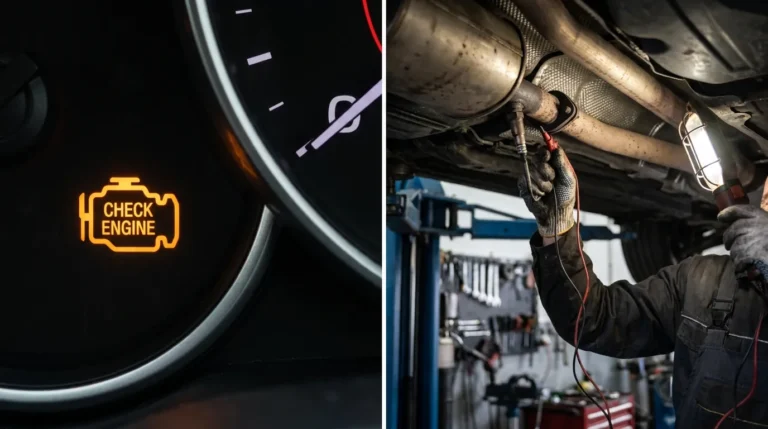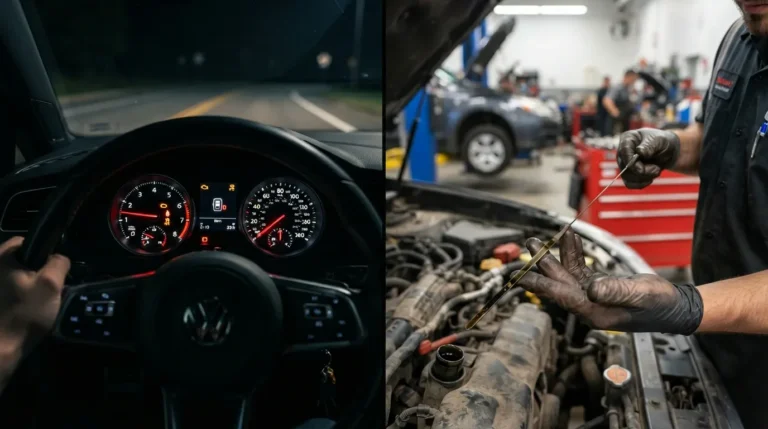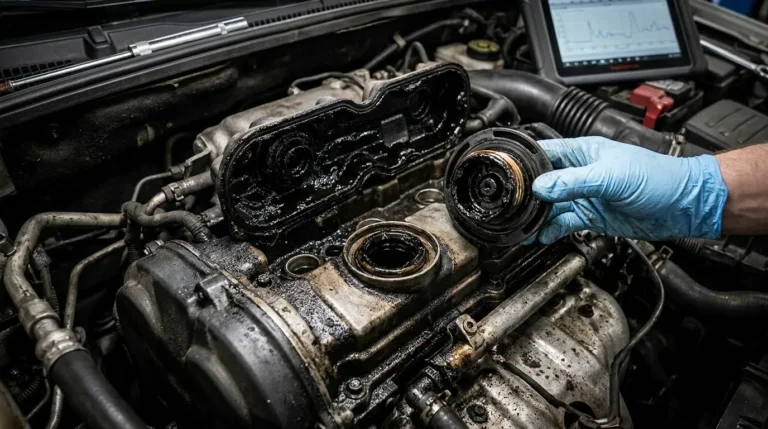

Faulty tires, wheels, axles, engine mounts, or drivetrain issues usually cause vibration when accelerating.
I’ve worked on cars for years and I’ve seen nearly every cause of car vibration when accelerating. This guide explains what shakes your ride, how to find the source, and what to do next. I use simple steps, real examples, and clear fixes so you can spot problems fast and decide whether to DIY or visit a pro. Read on to learn the likely causes of car vibration when accelerating and how to stop the shake.
Common causes of car vibration when accelerating
Cars vibrate under throttle for a few common reasons. This section lists the usual suspects and how each one makes the car shake.
- Tires and wheels
- Out-of-balance wheels cause vibration at specific speeds.
- Bent rims, uneven wear, or flat spots also create shake when accelerating.
- Wheel alignment and tire defects
- Poor alignment can make the car tug and vibrate.
- Internal tire damage or delamination may cause rhythmic vibration.
- Driveshaft, axles, and CV joints
- A bent driveshaft or damaged CV joint transmits vibration into the cabin.
- Axle imbalance or worn U-joints cause vibration that grows with speed.
- Engine and transmission mounts
- Worn mounts let the engine move under load and cause shuddering.
- Transmission mount failure can feel like a shudder during acceleration.
- Engine misfire and fuel issues
- Misfires from bad spark plugs, coils, or fuel delivery cause rough acceleration.
- A misfire often shows engine note changes and a jumpy feel.
- Torque converter and transmission problems
- Slipping torque converter or transmission issues create vibration under load.
- These problems may also bring hard shifts or slipping.
- Suspension and steering components
- Worn bushings, loose control arms, or bad shocks can produce vibration.
- Steering play or loose parts increase oscillation during acceleration.
- Wheel bearings and brake issues
- Bad bearings can buzz and vibrate, often with noise.
- Warped rotors mainly show vibration during braking, but severe rotor issues can show under acceleration too.
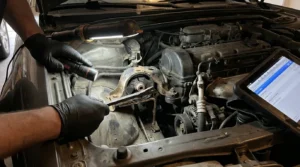
How to diagnose the vibration
Diagnosing is about narrowing where the shake comes from. Use these steps to find the likely cause.
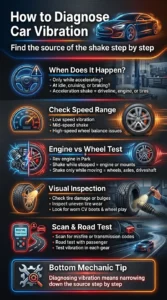
- Note when it happens
- Does the vibration start only while accelerating, or also at idle, cruising, or braking?
- Vibration only under acceleration often points to driveline, engine, or tire issues.
- Check speed ranges
- Does it occur at low speed, mid speed, or high speed?
- Wheel balance problems often appear at specific speeds.
- Isolate engine vs wheel
- While stopped, rev the engine in park. If the shake happens, suspect engine or mounts.
- If only while moving, focus on wheels, axles, and driveshaft.
- Visual and hands-on checks
- Inspect tires for damage, bulges, or uneven wear.
- Jack the car safely and check for wheel play and worn CV boots.
- Scan for codes and engine issues
- Use an OBD-II scanner to find misfire or transmission codes.
- Misfire codes narrow down engine firing issues.
- Road test and replicate
- Drive with a passenger to feel and describe the shake.
- Try gentle acceleration in each gear to see where the vibration changes.
Fixes and repair options by cause
Once you diagnose, choose the right fix. This section lists common repairs and realistic expectations.
- Tire balancing and replacement
- Have wheels balanced and aligned. Replace tires with severe wear or damage.
- Balancing is quick; new tires solve many vibration issues.
- Wheel and rim repair
- Bent rims may be repairable, but heavy damage needs rim replacement.
- Small bends often cause noticeable vibration at speed.
- CV joint, axle, and driveshaft repair
- Replace damaged CV joints or bent axles.
- Driveshaft repair can be complex and may need a shop.
- Engine and transmission mounts
- Replace worn mounts to stop engine movement and reduce shudder.
- Mount replacement is a common, effective fix.
- Engine tune and ignition repairs
- Replace worn spark plugs, faulty coils, or clogged injectors.
- Fixing misfires often restores smooth acceleration.
- Transmission and torque converter work
- Service the transmission fluid and inspect the torque converter.
- Major transmission repairs require a specialist.
- Suspension and steering parts
- Replace worn bushings, shocks, or control arms.
- Tighten loose components and test drive again.
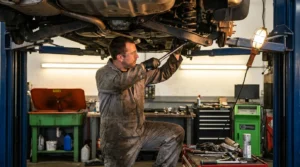
Costs and DIY vs professional decisions
Some fixes are DIY-friendly. Others need tools or experience. Here’s how to decide.
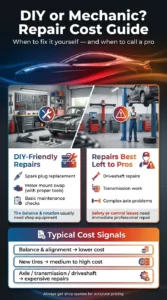
- Simple DIY jobs
- Tire balancing at a shop, replacing spark plugs, and swapping mounts if you have lifts.
- Balance and rotation often require shop equipment.
- When to hire a pro
- Driveshaft repairs, transmission work, and complex axle issues need a mechanic.
- If a problem affects safety or control, seek professional help immediately.
- Typical cost signals
- Tire balance and alignment are low cost. New tires cost more depending on brand.
- Axle, transmission, or driveshaft repairs range higher; expect shop quotes for accuracy.
Preventive maintenance to avoid vibration
Routine care reduces the risk of future vibration and keeps your ride smooth.
- Regular tire rotation and balance every 5,000 to 7,000 miles.
- Inspect tires for wear and damage monthly.
- Replace engine mounts and worn suspension parts as they age.
- Keep engine tune-up items current: plugs, filters, and fuel system cleaning.
- Address unusual noises or small shakes early before they get worse.
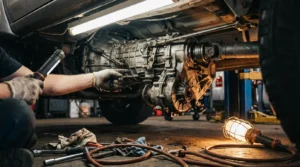
Personal experience and tips from the shop
I once had a compact car that vibrated badly at 55 mph. Many owners jump to big repairs. I found two small wheel weights had fallen off. After balancing the wheel, the shake stopped. That taught me to always check simple things first. Another time, a car shook under load due to a failing motor mount. Replacing the mount fixed the problem and saved expensive transmission work later. My rule: start with tires and mounts, then move to drivetrain and engine if needed.
Warning signs: when to stop driving
Some vibration signs mean immediate danger. Stop and get help if you see these.
- Severe shaking that affects steering or control.
- Loud grinding, clunking, or smoke from under the car.
- Sudden fluid leaks, overheating, or loss of power.
- If you feel the car pulling sharply or a wheel locks.
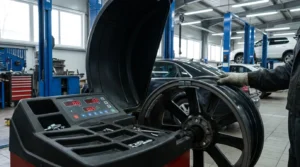
Frequently Asked Questions of causes of car vibration when accelerating
Why does my car vibrate only when I accelerate?
Vibration only during acceleration often indicates wheels, tires, or drivetrain issues. It can also come from engine misfire or worn mounts that show under load.
Can bad tires cause vibration when accelerating?
Yes. Unbalanced, damaged, or worn tires often cause vibration at certain speeds. Rebalancing or replacing the tires usually fixes the issue.
How do I know if the vibration is from the engine or the wheel?
Rev the engine while parked; if the shake appears, the engine or mounts are likely at fault. If it only happens while driving, suspect wheels, axles, or driveshaft.
Is it safe to keep driving with vibration?
Minor vibration may be safe short-term, but persistent or worsening vibration can be dangerous. If the shake affects handling or is severe, stop driving and get a mechanic.
Will wheel alignment fix vibration when accelerating?
Alignment helps steering and uneven tire wear but may not fix vibration from balance or drivetrain issues. Start with balance, then alignment if wear is present.
Conclusion
Vibration when accelerating usually comes from tires, wheels, drivetrain parts, or engine mounts. Use simple checks to narrow the cause: note when it happens, scan for engine codes, and inspect tires and mounts first. Fixing small items early often saves money and prevents bigger repairs later. Take action: start with a tire balance and visual checks, then consult a mechanic for driveline or transmission concerns. Share your experience, subscribe for more tips, or leave a comment about your vehicle’s shake.