Most serpentine belt noises come from wear, misalignment, weak tensioners, or contamination.
If that sound makes you wince, you’re in the right place. I’ve diagnosed hundreds of belts in shops and driveways. In this guide, I’ll break down serpentine belt noise causes with clear steps, real fixes, and pro tips you can use today. You’ll see what each noise means, how to test it fast, and how to solve it for good.
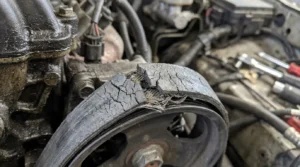
What the serpentine belt does and why noise matters
Your serpentine belt drives the alternator, power steering pump, water pump, and A/C. When it slips or chatters, parts lose speed. That can mean dim lights, poor steering assist, low charging, or engine heat. Noise is not just a bother. It is a first warning.
Most serpentine belt noise causes trace back to poor grip, bad alignment, or failing parts. Modern EPDM belts rarely show big cracks, so sounds often come before you see damage. Treat noise early and you avoid tow trucks and big bills.
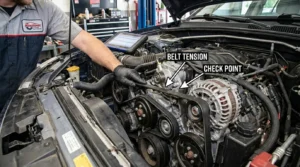
Common serpentine belt noise causes
Below are the serpentine belt noise causes I see most in the field. Match the sound and the clues to narrow it fast.
Worn or glazed belt
- The belt hardens with age and heat.
- It gets shiny, slips, and squeals under load.
- EPDM belts can look fine but still be worn thin in the ribs.
Weak or sticking automatic tensioner
- The spring gets weak or the pivot binds.
- The belt loses grip and squeals on cold starts or when you turn on A/C.
- The tensioner arm may bounce. That is a red flag.
Idler or accessory pulley bearing wear
- A dry, rough bearing makes a chirp, whine, or growl.
- The sound often changes with RPM.
- With the belt off, a bad pulley feels gritty or has play.
Pulley misalignment
- A bent bracket or wrong pulley offset causes a rhythmic chirp.
- New alternator or pump installs often leave things a hair off.
- A straightedge on pulley faces helps spot this fast.
Fluid contamination
- Oil, coolant, or ATF on the belt lowers friction.
- Expect a squeal and a burnt rubber smell.
- Even water can trigger a short chirp on wet mornings.
Wrong belt size or rib count
- A belt that is too long, too short, or wrong width will slip or ride high.
- Ribs must match pulley grooves. One rib off can cause noise.
Damaged ribs or grooves
- Debris, rust, or a nicked pulley eats ribs.
- You may hear a ticking or chirp once per revolution.
Failing accessories
- Alternator decoupler pulley failure causes rattle or chirp.
- A/C clutch drag squeals when the compressor kicks on.
- A failing power steering pump or water pump adds load and noise.
Crankshaft harmonic balancer issues
- A slipped rubber damper ring makes a wobble and rumble.
- If the crank pulley wobbles, stop and fix. That can shred belts.
Weather, load, and cold starts
- Moisture can cause a brief chirp.
- If it lasts more than a minute, look deeper.
- Load changes that spark noise point to grip or alignment.
Each of these serpentine belt noise causes has a pattern. Pair the sound with the test steps below to confirm before you buy parts.
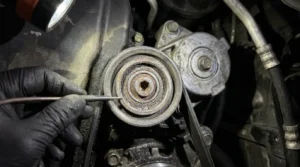
How to diagnose serpentine belt noises at home
Use these steps to find the fault fast and safe.
- Listen and label the sound
- Squeal is slip. It is steady and loud.
- Chirp is misalignment. It is a sharp, repeating tweet.
- Growl or grind is a bearing. It rises with RPM.
- Rumble and wobble hint at the crank damper.
- Do a quick water test
- Lightly mist the rib side with water while idling. Keep fingers clear.
- If it goes quiet, suspect slip or low tension.
- If it gets worse, suspect misalignment. Belt dressings are not advised.
- Load the system on and off
- Turn on A/C, headlights, and rear defrost. Turn the wheel at idle.
- If noise starts with load, think belt grip or tension.
- If noise starts only with A/C, check the compressor clutch.
- Inspect the belt and pulleys
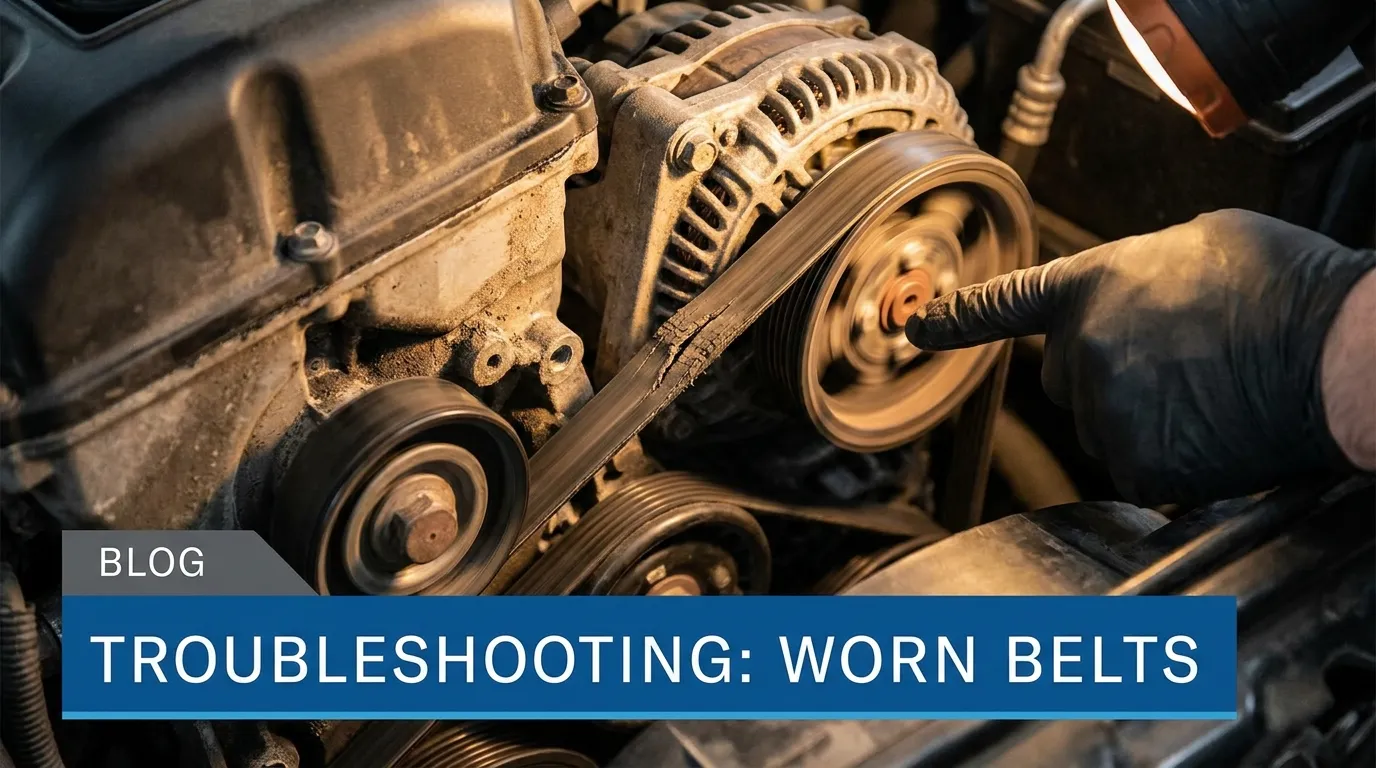
- Look for shiny ribs, frayed edges, or rib chunking.
- EPDM belts can wear without cracks. A wear gauge or rib-depth check helps.
- Check pulleys for rust, chips, or contamination.
- Check tensioner action
- Watch the arm at idle and during quick throttle blips.
- Big bounce or slow return means it is worn.
- Compare the index marks if your tensioner has them.
- Rule out bearings
- With the engine off, remove the belt.
- Spin each pulley by hand. It should be smooth and quiet.
- Wiggle for play. Any roughness needs a new pulley or part.
- Check alignment
- Use a straightedge across pulley faces.
- Any offset or angle is a misalignment.
- After parts replacement, confirm brackets sit flush.
- Check for leaks
- Look under the water pump, front main seal, and valve covers.
- Coolant or oil on the belt means replace the belt after fixing the leak.
PAA-style quick answers
- Does belt dressing help on serpentine belts? No. It masks slip for a moment and can harm EPDM rubber. Fix the root cause.
- How do I tell if the tensioner is bad? Look for bounce, slow return, or belt flutter. If the noise stops when you press on the belt with a long tool, tension is low.
- Can a new belt still squeal? Yes. If pulleys are dirty, misaligned, or the tensioner is weak, a new belt will still slip.
These steps will pinpoint most serpentine belt noise causes in minutes. Stay safe and keep hands and tools clear of moving parts.
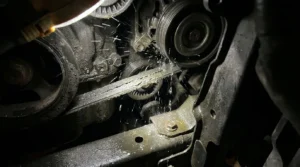
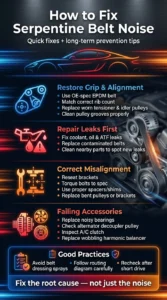
Fixes and prevention: from quick checks to lasting repairs
Start with the root cause, not a band-aid.
- Restore grip and alignment
- Replace the belt with OE-spec EPDM and the correct rib count.
- Replace the automatic tensioner and idler pulleys as a set if worn.
- Clean pulley grooves. Use a brush and brake cleaner on metal pulleys.
- Repair leaks first
- Fix coolant, oil, or ATF leaks. Then replace the belt.
- Wipe down nearby parts so new contamination is obvious.
- Correct misalignment
- Reseat brackets. Torque bolts to spec.
- Add the proper spacer or shim if the service info calls for it.
- Replace bent pulleys or brackets.
- Address failing accessories
- Replace noisy bearings, alternator decoupler pulleys, or A/C clutches.
- Replace a wobbling harmonic balancer at once.
- Good practices
- Avoid belt dressings and silicone sprays.
- Route the belt per the underhood diagram. Double-check each rib.
- Recheck after a short drive. Listen for any return of noise.
Done right, these steps solve most serpentine belt noise causes the first time. You save time, money, and stress.
Costs and when to see a pro
Typical costs vary by car and access.
- Parts
- Serpentine belt: 20 to 60 dollars.
- Tensioner: 40 to 150 dollars.
- Idlers: 15 to 50 dollars each.
- Harmonic balancer or accessories: higher and model specific.
- Labor
- Belt: 0.4 to 1.0 hours.
- Tensioner and idlers: 0.8 to 1.5 hours.
- Accessories: varies by space and tooling.
Seek a pro now if you see these signs:
- Battery light on, steering feels heavy, or engine runs hot.
- Crank pulley wobbles or you hear a deep rumble.
- The belt flips, shreds, or walks off a pulley.
- You replaced the belt and tensioner, and noise remains.
These cases point to deeper serpentine belt noise causes that need special tools or data.
Real-world cases and lessons learned
Case 1: Post-alternator chirp
- A client had a sharp chirp after a DIY alternator swap.
- The new unit had a slightly different pulley offset.
- A thin factory shim and a new belt fixed it. Lesson: confirm alignment after any accessory change.
Case 2: Wet-morning squeal
- A sedan squealed only on damp mornings.
- Coolant was weeping from the water pump and misting the belt.
- New pump, flush, and belt solved it. Lesson: small leaks cause big noise.
Case 3: Bounce and squeal with A/C on
- The tensioner arm shook hard when the A/C kicked in.
- The spring was weak and the idler bearing was dry.
- Replacing the tensioner assembly and idler cured it. Lesson: replace matched wear parts together.
These stories show how small details create big serpentine belt noise causes. Slow down, test once, fix once.
Frequently Asked Questions of serpentine belt noise causes
Is it safe to drive with a noisy serpentine belt?
Short drives may be fine, but noise means a risk. If it fails, you can lose charging, steering assist, or cooling, which can leave you stranded.
How long should a serpentine belt last?
Modern EPDM belts often last 60,000 to 100,000 miles. City driving, heat, and leaks shorten that span.
Will a new belt always stop the noise?
Not if the tensioner, pulleys, or alignment are bad. Replace worn parts and clean grooves to prevent the return of noise.
Can a bad alternator cause belt noise?
Yes. A seized bearing or a failed decoupler pulley on the alternator can chirp or squeal. It also adds load that triggers slip.
What is the difference between a chirp and a squeal?
A chirp is a sharp, repeating sound from misalignment or a bad rib. A squeal is a steady slip sound from low tension, glaze, or contamination.
Do belt dressings work for serpentine belts?
They can quiet noise for a moment, but they are not a fix. They can harm the belt and hide the real fault.
Conclusion
Belt noise is more than a nuisance. It is a clear clue. When you link the sound to the test and fix, you solve the real serpentine belt noise causes fast. Start with a clean belt path, proper tension, and true alignment. Replace worn parts together and skip dressings.
Take ten minutes today to inspect your belt, tensioner, and pulleys. If you found this helpful, share it, subscribe for more hands-on guides, or drop your question in the comments. Your next quiet start could be one small fix away.