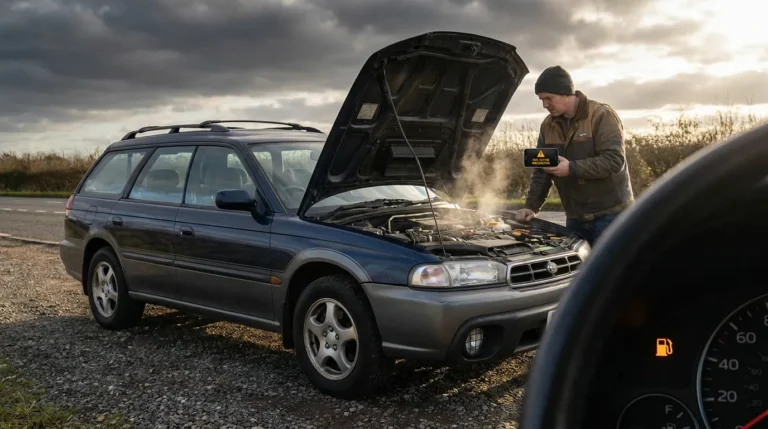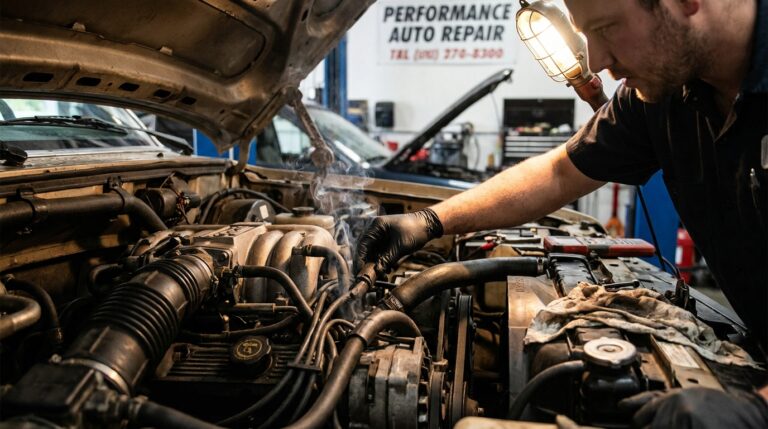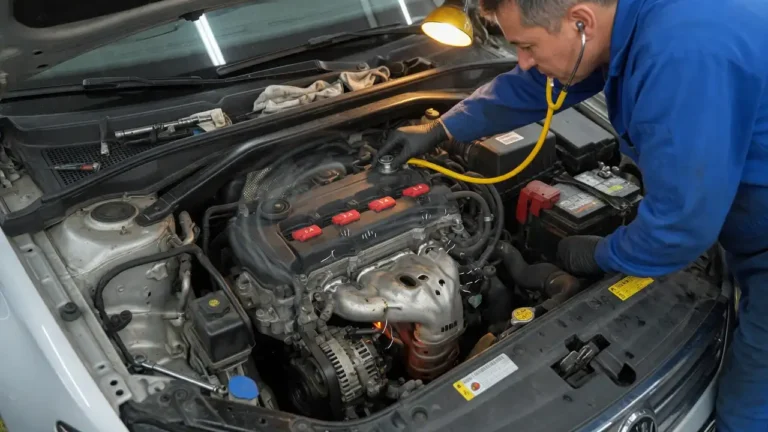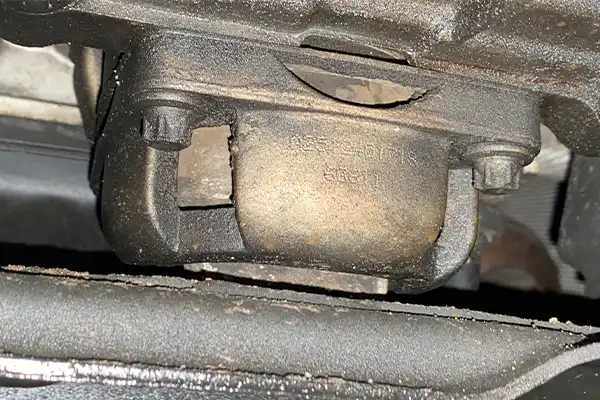

Low fuel pressure, air leaks, dirty sensors, or idle control faults usually cause engine stalls at idle.
I’ve worked on cars and written about vehicle repair for years, so I know how confusing it is when your engine stalls at idle. This article explains engine stalls at idle causes in clear, practical terms, shows how to diagnose the problem, and gives step-by-step fixes and prevention tips you can trust. Read on to learn simple tests, real-world examples from my shop experience, and a maintenance plan to keep your car running smoothly.
Common causes of engine stalls at idle causes
Engine stalls at idle causes fall into a few repeatable groups. Most problems are about air, fuel, spark, or engine control systems.
- Low fuel pressure or clogged fuel filter — Not enough fuel to keep the engine running at low rpm.
- Vacuum or intake air leaks — Extra air fools the computer and leans the mixture at idle.
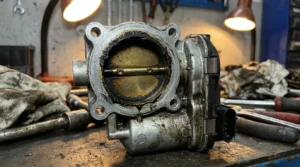
- Faulty idle air control valve or electronic throttle body — Idle speed cannot be held steady.
- Dirty or bad mass airflow or throttle position sensors — Wrong signals lead to incorrect fuel.
- Bad spark or ignition parts — Weak spark causes misfires and stalling at low speed.
- EGR or vacuum system issues — Exhaust gas recirculation problems upset idle combustion.
- Battery, alternator, or charging faults — Low voltage can shut down control modules or coils.
- Contaminated or wrong fuel — Poor combustion causes rough idle and stall.
These engine stalls at idle causes are a strong starting list. In many modern cars, one faulty sensor can cause an idle stall. Older cars often stall due to fuel system wear or carburetor issues. Knowing the likely groups lets you narrow the problem fast.
How to diagnose engine stalls at idle causes
Start with simple checks. A step-by-step approach saves time and money.
- Visual and basic checks
- Look for loose vacuum hoses or disconnected intake tubes.
- Check fuel level and listen for fuel pump noise when key is turned on.
- Scan for stored trouble codes with an OBD2 reader.
- Fuel system checks
- Measure fuel pressure at the rail. Low pressure points to pump, filter, or regulator.
- Replace a clogged fuel filter before more invasive work.
- Air and intake checks
- Spray a small amount of carb cleaner or starter fluid around intake boots while idling. If idle changes, you likely have a vacuum leak.
- Inspect intake gaskets and hose clamps for cracks.
- Sensors and idle control
- Test mass airflow, throttle position, and idle air control devices. Clean the throttle body if dirty.
- If a sensor reads out of range, replace or clean as recommended.
- Ignition and charging
- Check spark plugs, wires, coils, and battery voltage at idle. Weak spark or low voltage can cause stalls.
- Confirm alternator output with a multimeter.
- Live-data scanning
- Watch fuel trims, intake air temp, RPM, MAF, and O2 readings while revving and idling. Abnormal values reveal the cause faster.
Quick checks like listening, scanning codes, and watching live data catch many engine stalls at idle causes in minutes. When in doubt, replace inexpensive parts first (air filter, fuel filter, spark plugs) before deeper diagnosis.
Quick PAA-style questions
Why does my car stall only when stopped and idling?
A vacuum leak, idle control failure, or low fuel pressure often shows only at idle because the engine needs precise air-fuel balance at low rpm.
Can a clogged fuel injector cause stalls at idle?
Yes. A clogged injector can reduce fuel delivery to one cylinder and cause rough idle or stalling.
Will the check engine light always come on for idle stalls?
Not always. Some intermittent idle stalling issues may not trigger a stored code, so live-data checks help.

Source: simonsautomotiveserviceabington.com
How to fix engine stalls at idle causes
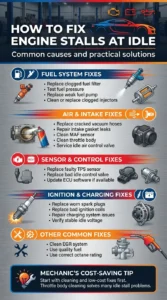
Fixes match the diagnosis. Here are common solutions organized by cause.
- Fuel system fixes
- Replace clogged fuel filter and test fuel pressure.
- Replace failing fuel pump or regulator if pressure is low or unstable.
- Clean injectors or replace severely clogged ones.
- Air and intake fixes
- Replace cracked vacuum hoses and intake gaskets.
- Clean or replace the mass airflow sensor as needed.
- Clean the throttle body and idle air control assembly.
- Sensor and control fixes
- Replace faulty throttle position sensors and idle control valves.
- Update engine software or ECU calibration if a manufacturer fix exists.
- Ignition and charging fixes
- Replace worn spark plugs, coils, and ignition wires.
- Repair charging system faults and ensure stable voltage at idle.
- Other fixes
- Clean or service the EGR system if it misbehaves at idle.
- Use quality fuel and correct octane to avoid combustion issues.
Practical tip from my experience: when a customer came with intermittent stalls at red lights, cleaning the throttle body and replacing a tired idle control valve fixed it. Start with low-cost parts and cleaning, then move to sensors and modules if the issue persists. This cost-first approach resolves many engine stalls at idle causes without major repair bills.
Preventive maintenance to avoid engine stalls at idle causes
Routine care reduces the chance of stalls. A small investment in time and parts pays off.
- Regular fuel filter replacement as part of scheduled service.
- Keep air filter and intake components clean.
- Clean throttle body and MAF sensor every 30k miles or as needed.
- Replace spark plugs at recommended intervals.
- Use fuel system cleaner occasionally and use quality gasoline.
- Inspect vacuum hoses and replace brittle lines before they fail.
- Maintain battery and charging system to avoid low-voltage stalls.
A checklist approach keeps things simple: fuel, air, spark, and sensors. I learned to inspect vacuum hoses every oil change; catching a cracked hose saved a customer from repeated idle stalling and tow bills.
When to seek professional help for engine stalls at idle causes
Some issues need a mechanic with tools and training.
- Intermittent stalls with no codes or unclear live data.
- Complex electrical issues or intermittent wiring faults.
- ECU or software-related idle bugs requiring updates.
- Multiple failed components or when repairs don’t stop the stall.
If you feel unsure about fuel pressure tests, high-voltage ignition work, or live data interpretation, get professional help. Shop technicians can run pressure tests, scope ignition, and apply manufacturer fixes. Being honest about your skills prevents injuries and saves time.
Frequently Asked Questions of engine stalls at idle causes
Why does my car stall at idle after warming up?
After warm-up, the engine relies less on enrichment. A failing idle control valve or vacuum leak can then cause the air-fuel mix to be too lean and stall the engine.
Can a dirty throttle body cause engine stalls at idle?
Yes. Carbon buildup can prevent the throttle plate from seating or the idle control from working, making the engine stall at idle.
Does a low battery cause stalls at idle?
A weak battery or charging system can cause control modules and ignition coils to perform poorly, which can lead to stalling at low speeds.
Will topping up fuel stop stalling at idle?
Only if low fuel or contaminated fuel is the cause. Topping up won’t fix vacuum leaks, sensors, or ignition faults.
Is it expensive to fix engine stalls at idle causes?
Costs vary. Cleaning and replacing small parts is inexpensive, but failing fuel pumps, injectors, or ECU work can be costly. Diagnosis first keeps costs down.
How long does it take to diagnose an idle stall problem?
Simple causes can be found in 30–60 minutes. Complex intermittent issues may take several visits or detailed live-data logging.
Can I drive a car that stalls at idle?
You can for short trips, but it’s risky. Stalling in traffic can cause dangerous situations. Fix the issue promptly or arrange for towing.
Conclusion
Engine stalls at idle causes are usually tied to fuel, air, spark, or control systems. Start with simple checks—fuel pressure, vacuum leaks, throttle cleanliness, and basic sensors—then move to targeted repairs. My experience shows that cleaning and replacing inexpensive parts often solves the problem and keeps repair costs low. Take action: run the basic tests, fix or replace simple parts, and consult a pro for complex faults. If this guide helped, subscribe for more car care tips or leave a comment with your stall symptoms.