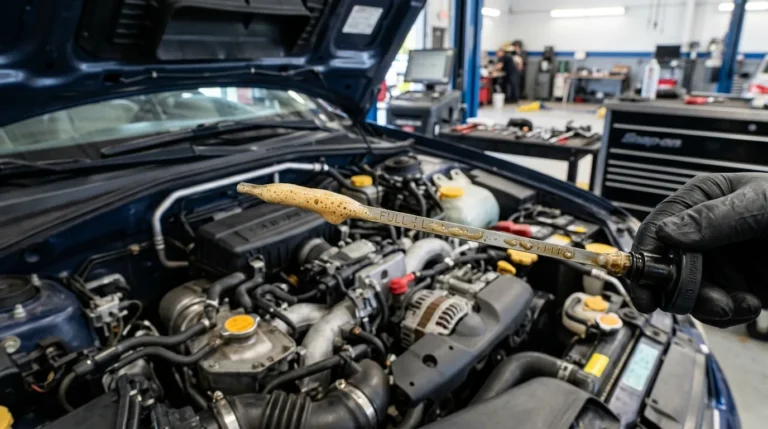

Worn engine or transmission mounts, ignition issues, vacuum leaks, or dirty idle systems often cause idle vibrations.
I’ve spent years fixing cars and troubleshooting engine problems. If you’re asking what can cause a car to vibrate when idling, this guide walks you through the likely causes, how to diagnose them, and what to do next. Read on for clear, tested steps you can try at home or discuss with your mechanic.
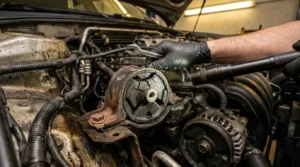
Why a car vibrates when idling
Vibration at idle is when the engine or chassis shakes while the car sits in gear or neutral. It feels different from road vibration. Idle vibration often points to an imbalance between engine power delivery and what the mounts or drivetrain can absorb.
Knowing what can cause a car to vibrate when idling helps you narrow down fixes faster. Simple problems like bad spark plugs create similar symptoms as worn mounts. More complex issues can hide behind noise or rough idle. Keep reading to learn how to spot each one.
Top causes of vibration when idling
Below are the most common causes and quick signs to identify them.
Worn or broken engine mounts
Engine mounts hold the engine in place and damp vibration. When mounts fail, the engine shifts and transmits vibration to the frame. Look for visible cracks, movement when revving, or clunks when shifting into gear.
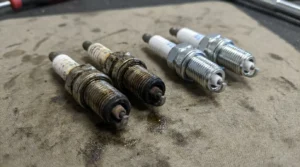
Faulty ignition components (spark plugs, coils)
Bad spark plugs or ignition coils cause misfires. Misfires make the engine run unevenly and shake at idle. Check for a flashing check engine light or stored misfire codes with an OBD-II scanner.
Vacuum leaks
A vacuum leak lets extra air into the intake. That upsets the air/fuel mix and can make the idle rough or high. Listen for hissing near the intake, throttle body, or vacuum hoses.
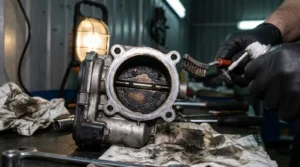
Dirty throttle body or idle air control valve
Carbon buildup blocks airflow control and confuses idle controls. That causes rough or fluctuating idle and sometimes vibration. Cleaning these parts often restores smooth idle.
Clogged fuel injectors or fuel system issues
Weak or clogged injectors cause uneven fuel delivery. A lean or inconsistent cylinder makes the engine shake. Fuel pressure tests or injector cleaning help find and fix this.
Transmission or torque converter problems
If the tranny or torque converter is failing, vibrations can show at idle in gear. Symptoms include shuddering when the car is in drive or delayed engagement.
Exhaust restrictions or mount problems
A blocked catalytic converter or loose exhaust mount changes backpressure and can create engine strain and vibration. A hot spot under the car or reduced power can be clues.
Accessory drive issues (belts, pulleys, AC compressor)
Bad belts, pulleys, or a failing AC compressor add load or wobble when the engine runs. You might feel vibration only when the AC is on or hear squealing.
Engine mechanical problems
Low compression, worn bearings, or timing chain issues make the engine run rough. These are more serious and need a mechanic for diagnosis.
When considering what can cause a car to vibrate when idling, these causes cover most real-world cases. Start with the easy checks and move to deeper diagnostics if needed.
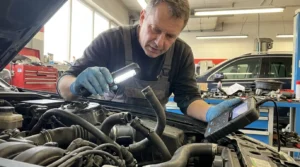
How to diagnose vibration when idling
Follow a simple, safe process to find the cause.
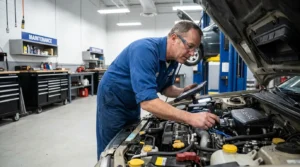
- Perform a visual inspection. Check mounts, hoses, belts, and visible wiring for damage or looseness.
- Scan for codes. An OBD-II scan will show misfires and sensor faults.
- Listen and feel. Note if vibration happens only in park, neutral, or drive, and if it changes with RPM or AC load.
- Do a spark check. Swap suspect spark plugs or ignition coils between cylinders to see if vibration moves.
- Check vacuum. Use a spray of carb cleaner around intake seals and watch RPM changes to find a leak.
- Test fuel pressure. Low fuel pressure points to pump, filter, or regulator issues.
- Inspect exhaust. Look for rattles, unusual soot, or a clogged converter by checking back pressure.
People also ask
- Why does the vibration sometimes go away when I rev the engine? Often revving changes engine load and smooths out misfires or idle-control issues briefly.
- Can bad motor mounts cause vibration only at idle? Yes, mounts often show symptoms at low RPM when engine movement is greatest relative to the frame.
- Is a check engine light always present with idle vibration? Not always; some mechanical or mount issues won’t trigger a code.
Common repairs and typical costs
Here are common fixes and rough cost ranges. Prices vary by region and car model.
- Replace engine mounts: labor heavy; $150–$600 for parts and labor depending on model.
- Replace spark plugs or coils: $100–$400 depending on engine access and parts.
- Clean throttle body and idle control: $50–$200.
- Repair vacuum leaks: $20–$250 depending on hose or gasket replacement.
- Fuel injector cleaning or replacement: $75–$400 for cleaning; $150–$600 per injector to replace.
- Fix torque converter or transmission: can be $800–$3,500 for major repairs or rebuilds.
- Replace catalytic converter: $500–$2,500 depending on aftermarket vs OEM.
When you weigh what can cause a car to vibrate when idling, start with low-cost checks like plugs and mounts. That often saves time and money.
Prevention and maintenance tips
A little routine care prevents many idle vibration issues.
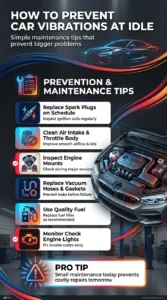
- Replace spark plugs on schedule and inspect coils.
- Keep air intake and throttle body clean.
- Inspect engine mounts during major services.
- Replace old vacuum hoses and gaskets proactively.
- Use quality fuel and replace the fuel filter per manufacturer recommendations.
- Monitor engine lights and address codes quickly.
Regular checks make it easier to spot what can cause a car to vibrate when idling before the problem gets worse.
Personal experience and lessons learned
I once chased a persistent idle shake on a daily driver for weeks. I replaced plugs, cleaned the throttle body, and scanned for codes without success. The real culprit was a cracked rear engine mount that only revealed movement under the car. Replacing the mount fixed the vibration instantly. Lesson: don’t skip the visual checks and simple physical tests. They often point to the real issue.

Source: gilshalfmoon.com
Frequently Asked Questions of what can cause a car to vibrate when idling
What are the first things to check if my car vibrates when idling?
Check engine mounts, spark plugs, and for visible vacuum hose cracks. Also scan for engine codes with an OBD-II tool.
Can bad spark plugs make a car shake at idle?
Yes. Worn or fouled spark plugs cause misfires and rough running, which commonly shows as vibration when idling.
Is it safe to drive with idle vibration?
Short drives are usually okay, but avoid long trips. Severe vibration can indicate engine or transmission damage that could worsen.
How do I tell if the problem is engine mounts or an engine misfire?
If vibration changes when you rev the engine or is accompanied by a misfire code, suspect ignition or fuel. If you see engine movement and feel clunks, mounts are likely.
Will cleaning the throttle body fix vibration at idle?
Cleaning the throttle body often helps if carbon buildup caused poor idle control. It won’t fix mounts, fuel, or major mechanical issues.
Conclusion
Vibration at idle is a common symptom with many possible causes, from simple spark plug wear to engine mounts or fuel delivery problems. Use methodical checks: scan for codes, listen and feel under different loads, inspect mounts and hoses, and start with low-cost fixes. If you’re unsure, get a pro diagnosis to avoid costly damage. Try the basic checks above, share your results with a mechanic, or leave a comment about your car’s symptoms to get more targeted help.