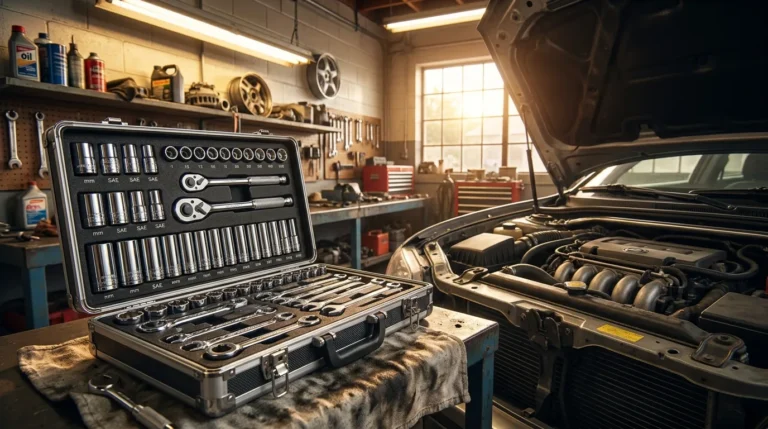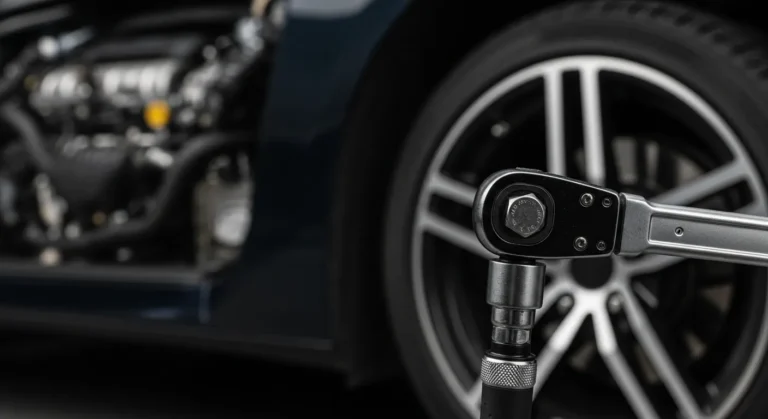
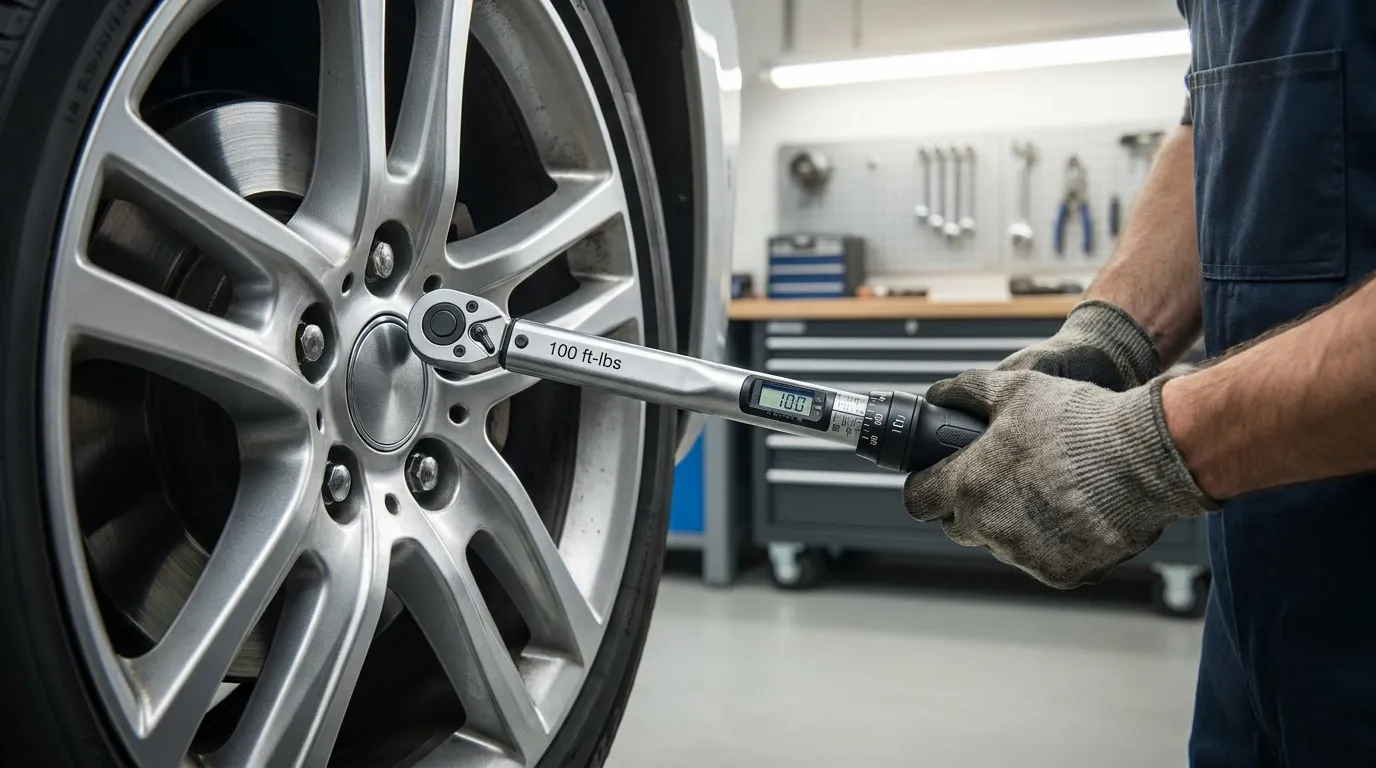
Use steady force, set the target, and stop at the click to torque correctly.
I’ve worked with torque wrenches for years in garages and on projects. This guide explains how to use a torque wrench correctly with clear steps, simple tips, and real-world advice. By the end you will know which wrench to pick, how to set it, how to torque bolts safely, and how to care for the tool so it stays accurate.
Why torque matters and what “correctly” means
Torque controls how tight a fastener is. Too loose and parts can move. Too tight and threads or parts can fail. Knowing how to use a torque wrench correctly keeps machines safe and reliable.
When you follow torque specs you match the part’s design. For critical joints, like wheel studs or engine bolts, correct torque prevents leaks and breaks. I have seen wheels come loose when people skip torque checks. That taught me to always use the right torque wrench for the job.
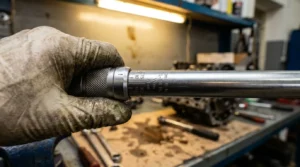
Types of torque wrenches and when to use each
There are several common wrench types. Each fits specific tasks.
- Click-type torque wrench
- Gives an audible click at set torque. Best for most shop work.
- Beam torque wrench
- Simple scale and pointer. Cheap and durable.
- Dial torque wrench
- Shows exact reading on a dial. Good for precise work.
- Digital torque wrench
- Electronic readouts and memory. Useful for repeated specs.
Pick the type that fits your needs and budget. For most DIY car work, a click-type covering the right torque range works well. Learn how to use a torque wrench correctly by matching wrench range to the fastener spec.
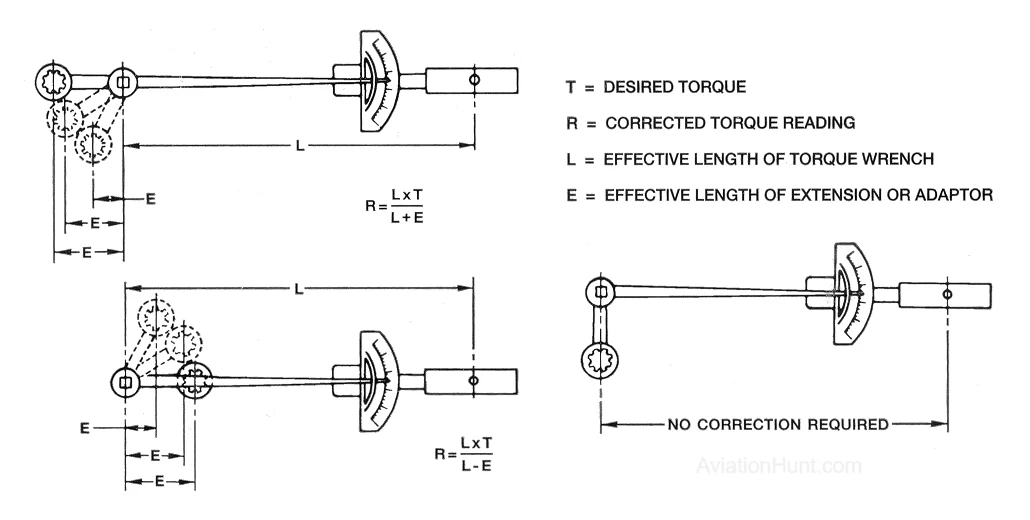
Source: aviationhunt.com
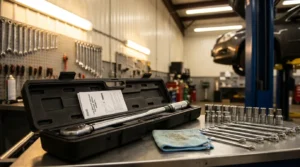
Tools and prep you need before you torque
Good prep makes torque reliable.
- Torque wrench rated for the job
- Choose a wrench with a range that includes the required torque.
- Correct sockets and extensions
- Use quality sockets sized to the fastener.
- Clean threads and lightly lubricate if spec calls for it
- Lubrication changes torque-to-clamp force. Follow spec.
- Manufacturer torque specs
- Always use the spec from the part maker.
If you don’t have the right range, the wrench will be less accurate. That’s a common mistake when learning how to use a torque wrench correctly.
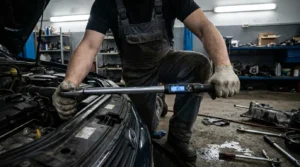
Step-by-step: how to use a torque wrench correctly
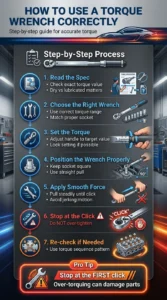
Follow these steps for reliable results.
- Read the spec
- Find the torque value for the fastener. Note whether spec is dry or lubricated.
- Choose the right wrench and socket
- Pick a wrench whose mid-range includes your target torque.
- Set the torque
- Turn the handle to the desired value and lock it if possible.
- Position the wrench
- Place the socket squarely on the fastener. Use a straight pull. Do not use extensions unless you recalc torque.
- Apply smooth force
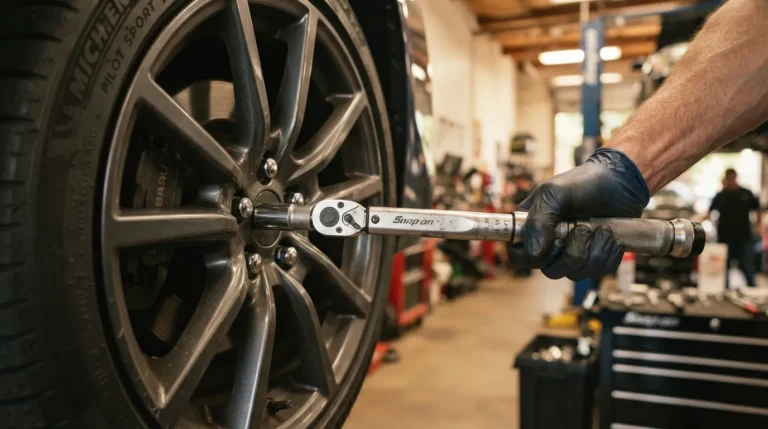
- Pull the wrench handle steadily until it clicks (click-type) or you read the target (dial/digital).
- Stop immediately at the target
- Do not add extra force after the click.
- Re-check in sequence if needed
- For critical assemblies, torque in a pattern and re-check values.
Practice helps. I once over-torqued a flange by pushing past the click. After that, I trained myself to stop at the first click and verify torque with a second wrench.
Torque patterns, sequences, and practical examples
Some assemblies need a pattern to seat parts evenly.
- Wheel lug nuts
- Use a star or crisscross pattern for 4- or 5-lug wheels.
- Cylinder head bolts
- Tighten in specified pattern and stages (e.g., 30%, 60%, 100% of final torque).
- Flanges
- Use alternating bolts to avoid warping.
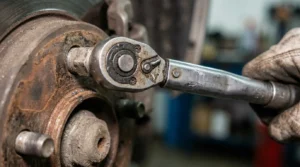
Example: For five lug nuts at 80 ft-lb, tighten in star pattern. Set the wrench to 80 ft-lb. Torque each in sequence. Then re-check all nuts once more.
How you use a torque wrench correctly often depends on following the correct pattern.
Calibration, accuracy, and maintenance
Calibration keeps a torque wrench accurate. Most click wrenches drift over time.
- Calibrate annually or after heavy use
- Calibration ensures the wrench reads correctly.
- Store at lowest setting
- Set the wrench to its lowest torque before storing.
- Avoid drops and shocks
- Impact can shift internal settings.
- Clean and lightly oil moving parts
- Keep the mechanism free of grit and rust.
If a wrench loses accuracy you can ruin bolts. I keep a spare wrench for checks and send mine for calibration yearly. That habit saved me from a failed repair.
Common mistakes and how to avoid them
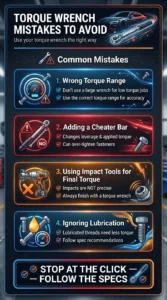
Avoid these errors to learn how to use a torque wrench correctly.
- Using the wrong torque range
- Don’t use a big wrench to apply low torque.
- Adding a cheater bar
- That changes the leverage and the applied torque.
- Using impact tools to set torque
- Impacts are not precise for final torque.
- Not accounting for lubrication
- Lubricated threads need less torque for same clamp load.
Simple habits prevent costly mistakes. Stop at the click and follow specs.
Safety tips and best practices
Safety keeps you and your work safe.
- Wear eye protection and gloves when needed
- Protects from debris and slips.
- Keep a steady stance and use both hands if possible
- Stability helps you stop at the correct torque.
- Use torque wrenches only for final tightening
- Run bolts down by hand or with a breaker, then torque to spec.
- Mark bolts when required
- Paint or markers can show bolt history and torque checks.
Following these helps you use a torque wrench correctly every time.
Real-world lessons and personal tips
Here are things I learned on the job.
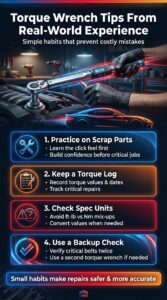
- Practice on scrap parts
- Get comfortable with the click feel before working on important parts.
- Keep a torque log
- Note values, date, and who torqued critical bolts on major repairs.
- Check spec units
- ft-lb vs Nm mix-ups are common. Convert if needed.
- Use a backup check
- For mission-critical joints, verify with a second wrench.
These tips come from years of hands-on work. They make the task easier and safer.
Limitations and when to seek help
Some jobs need specialized tools or pros.
- High-precision assemblies may need lab-calibrated wrenches
- Aircraft or race engines often require certified torque control.
- Unknown thread conditions
- If threads are damaged, replace parts rather than just torquing.
- Conflicting specs
- When specs differ, consult a professional or manufacturer.
Be honest about limits. Knowing when to ask for help is part of knowing how to use a torque wrench correctly.
Frequently Asked Questions about how to use a torque wrench correctly
What is the best torque wrench for home use?
A click-type torque wrench with a range that covers most car and bike specs is best. It is accurate, easy to use, and affordable.
Can I use a torque wrench to loosen bolts?
No. Torque wrenches are for tightening to a set value. Use a breaker bar or impact wrench to loosen stuck bolts.
How often should I calibrate my torque wrench?
Calibrate at least once a year or after being dropped or heavily used. Frequent use may need more frequent checks.
Does lubrication change torque settings?
Yes. Lubrication reduces friction and can lower the torque needed for the same clamp force. Always follow the spec for dry or lubricated threads.
What torque wrench range should I buy?
Pick a wrench where your typical targets fall in the middle third of its range. This gives the best accuracy and control.
Conclusion
Mastering how to use a torque wrench correctly takes a few simple habits: choose the right wrench, follow the spec, apply smooth force, and stop at the click. Practice on low-stakes parts, keep your tool calibrated, and follow patterns for critical assemblies. Start using these tips today to make your repairs safer and more reliable. If this guide helped you, try a practice run on a scrap bolt, subscribe for more how-to guides, or leave a comment with your torque questions.