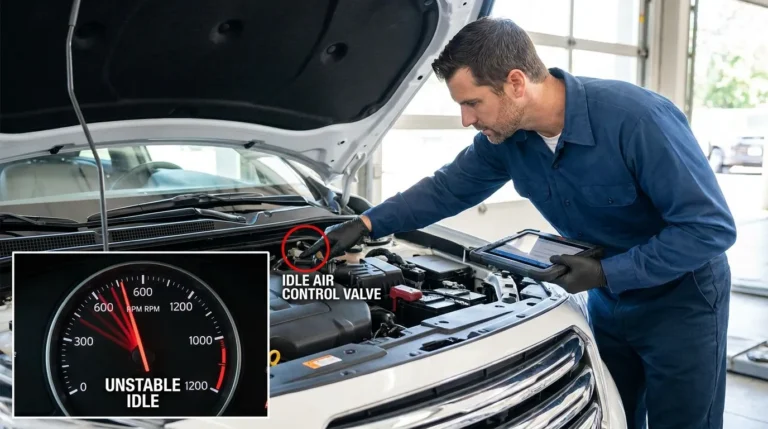
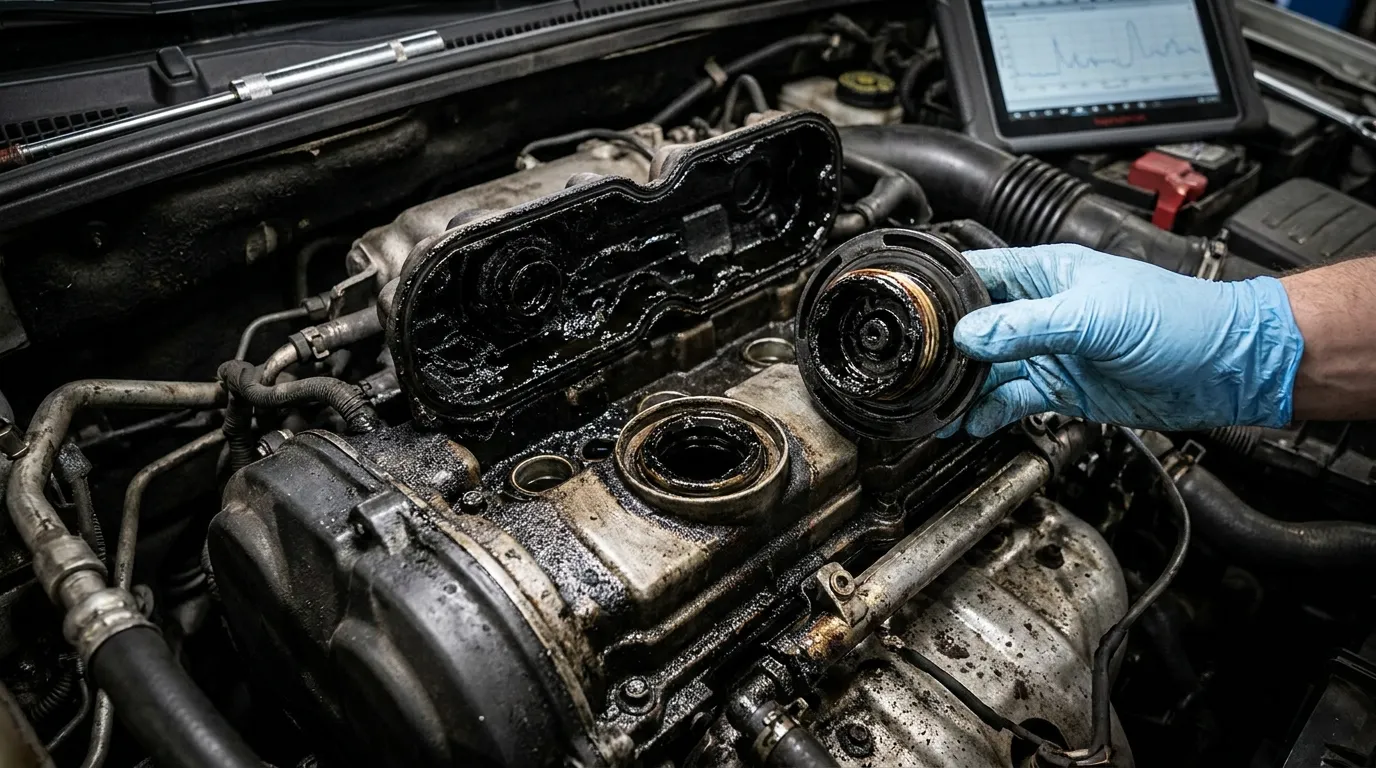
Most engine oil sludge forms from heat, contamination, long oil intervals, and poor maintenance.
I’ve spent years fixing engines and teaching owners how to avoid costly damage. This article explains engine oil sludge causes in clear, practical terms. You’ll learn what sludge is, why it forms, how to spot it early, how to prevent it, and realistic repair options. I mix industry know-how with hands-on tips I’ve used in the shop, so you can act fast and save money.
What is engine oil sludge and why it matters
Engine oil sludge is a thick, tar-like deposit that forms when oil breaks down. Sludge clogs passages, starves parts of oil, and raises engine temps. Left alone, it can destroy an engine. Understanding engine oil sludge causes helps you stop it before it ruins your car.
Primary engine oil sludge causes
Below are the main reasons sludge forms. Each cause is simple to understand and easy to act on.
- Poor maintenance and long oil change intervals
Long gaps between oil changes let contaminants build up. Over time, oil loses detergents and starts to gum up. - Low-quality or wrong oil
Cheap oil or oil with the wrong viscosity breaks down faster. This speeds up sludge formation. - Frequent short trips
Short drives don’t let the engine reach full temp. Moisture and fuel blow-by remain in the oil and form sludge. - Overheating and poor cooling
High engine temps speed oxidation and varnish. Heat makes oil degrade and stick to metal surfaces. - Contamination from coolant or fuel
A blown head gasket or fuel leak mixes coolant or fuel with oil. That mix creates thick, sticky sludge fast. - Excessive soot from diesel or worn engines
Diesel engines and older, worn engines produce more soot. Soot binds with oil additives and turns into sludge. - Blocked PCV (positive crankcase ventilation)
A stuck PCV valve traps gases and moisture in the crankcase. That encourages sludge and acid build-up. - Additive depletion in high-mileage engines
Additives that protect oil wear out with age and heat. Without them, oil forms deposits quicker.
These engine oil sludge causes often act together. Fix one and you lower the chance of the others.
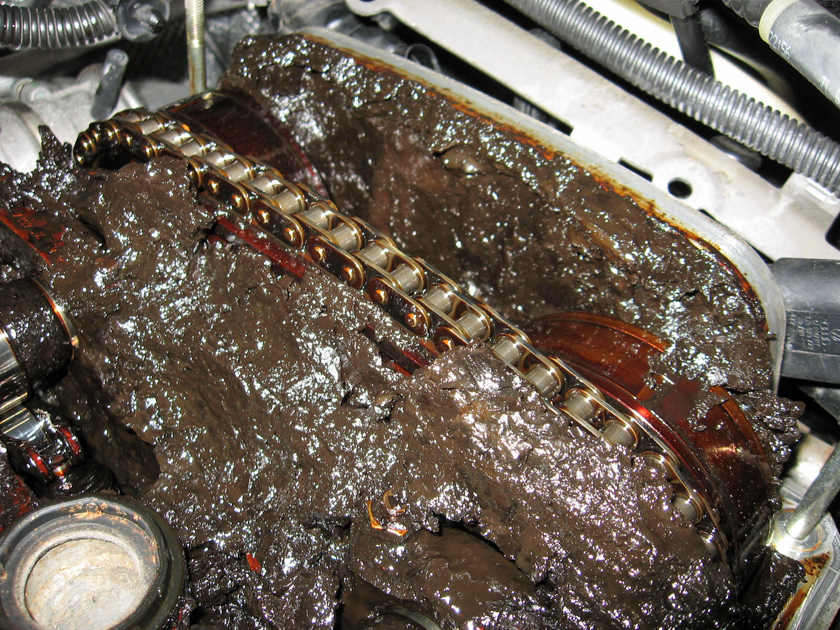
Source: 1aauto.com
Signs and symptoms of sludge in your engine
Catching sludge early saves money. Watch for these signs.
- Thick, dark oil on the dipstick that smells burnt
Clean oil is amber. If it looks like tar, sludge may be forming. - Poor oil pressure or warning light
Sludge blocks oil passages and trashes pressure readings. - Rough idle, misfires, or poor performance
Sludge can clog oil pickup and valve train parts, causing noise and rough running. - Visible sludge under the oil filler cap
Opening the cap and seeing goo is a clear warning. - Overheating engine and unexplained oil loss
Sludge reduces cooling and can cause leaks or burning oil.
If you see any of these, stop driving and get a check. Small problems grow quick.
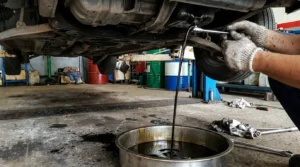
How mechanics diagnose sludge
A simple inspection often reveals sludge. Here’s what a shop will do.
- Visual check under the oil cap and valve cover
They look for thick deposits and varnish. - Oil analysis
A lab test tells how contaminated or oxidized the oil is. It finds coolant or fuel in the oil. - Compression and leak-down tests
These tests check for head gasket issues that can cause contamination. - Inspection of PCV system and cooling
A clogged PCV or weak cooling system shows up in tests. - Endoscope inspection
A borescope can check valve train areas without tearing the engine apart.
These checks help pinpoint which engine oil sludge causes apply to your car.

Preventing engine oil sludge: simple, effective steps
Prevention is far cheaper than repair. Use these practical tips.
- Follow manufacturer oil-change intervals
Use the right schedule for your car and driving style. - Use the recommended oil grade and quality
Choose oil that meets the carmaker’s specs and the right viscosity. - Drive longer occasionally to reach full operating temp
A 20-30 minute highway drive burns off moisture and fuel in the oil. - Replace the PCV valve regularly
A working PCV removes gases and moisture from the crankcase. - Fix cooling problems fast
Maintain thermostat, radiator, and hoses to avoid overheating. - Address oil leaks and seal failures quickly
Leaks lower oil level and draw contaminants into systems. - Use quality filters and change them each oil change
Filters trap particles that can form sludge. - Consider periodic oil analysis for high-mileage or fleet vehicles
It catches issues before they become severe.
I recommend setting reminders and keeping records. In my shop, simple service logs cut sludge cases by half.
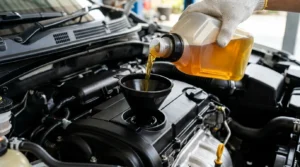
How to remove sludge: options and expectations
If sludge forms, removal can range from easy to extensive. Choose the right method.
- Engine flush additives
Additives can dissolve light sludge. Use them cautiously and follow directions. - Professional hot flush or chemical clean
Shops can flush the oil passages and replace oil several times. It works for moderate sludge. - Partial disassembly and manual cleaning
For heavy sludge under the valve cover, parts may need to be removed and cleaned. - Full engine rebuild or replacement
Severe sludge that blocks oil passages may need an engine rebuild or swap.
Note: Flushing a badly sludged engine can dislodge chunks that clog the oil pump. A careful inspection first helps avoid making the problem worse.
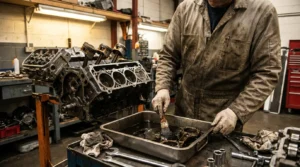
Costs and consequences of ignoring sludge
Ignoring engine oil sludge costs more than a timely service.
- Reduced fuel economy and power
Sludge stresses moving parts and cuts efficiency. - Accelerated wear and bearing damage
Blocked oil flow starves bearings and cam lobes. - Frequent overheating and breakdowns
Sludge reduces cooling and can cause engine failure. - High repair costs
Repairs range from hundreds for a flush to thousands for an engine rebuild.
Preventive service is almost always cheaper than major repairs.

Personal experience: what I’ve seen and tips that work
Years in the shop taught me a few simple truths.
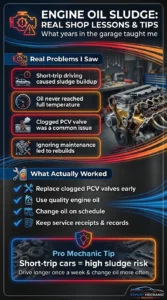
- One of my first rebuilds came from ignoring short-trip driving.
The owner drove 5 minutes each way for years. The oil never reached temp and sludge formed. - A clogged PCV valve was a repeat theme.
Replacing one valve often stopped sludge in its tracks. - Quality oil and on-time changes prevented 80% of sludge cases I saw.
I now advise owners to keep service receipts and set a clear oil schedule.
My tip: treat short-trip cars like high-risk. Change oil more often and run the engine longer once a week.
Common myths about engine oil sludge causes
Let’s clear a few false ideas.
- Myth: Only old cars get sludge
New cars can get sludge if oil is wrong or maintenance is poor. - Myth: Thicker oil prevents sludge
Wrong viscosity can starve passages and make things worse. - Myth: Additives cure all
Additives can help light sludge, but they are not a fix for severe build-up.
Know the facts and act early.
People also ask
What causes engine oil to turn into sludge so fast?
Rapid oil breakdown from heat, contamination, or wrong oil grade causes quick sludge. Short trips and coolant or fuel contamination speed the process.
Can oil sludge form even with regular oil changes?
Yes. If the wrong oil is used, PCV is blocked, or the engine overheats, sludge can appear despite regular changes.
Is engine sludge repair always expensive?
No. Early sludge often clears with a flush or targeted cleaning. Severe cases that block oil passages may require a rebuild and become costly.
Does synthetic oil reduce sludge risk?
Synthetic oil resists breakdown and often cuts sludge risk. It still needs proper change intervals and correct viscosity.
How soon will sludge damage an engine?
Damage timing varies. Light sludge may take years, but heavy contamination or overheating can cause severe damage within months.
Frequently Asked Questions of engine oil sludge causes
What is the single biggest cause of engine oil sludge?
Poor maintenance and extended oil-change intervals are the most common cause. Letting oil age removes detergents and allows deposits to form.
Can short drives really cause sludge?
Yes. Short drives don’t let the engine reach full temperature, so moisture and fuel remain in the oil and form sludge.
Will switching to synthetic oil fix existing sludge?
Synthetic oil can slow future sludge, but it won’t remove heavy deposits. A professional cleaning or flush may still be needed.
How often should I check my PCV valve to prevent sludge?
Check the PCV valve every oil change or at least once a year. Replace if it’s stuck or oily.
Is engine flushing safe for all cars?
Flushing is safe for many cars but can be risky on heavily sludged engines. Have a mechanic inspect the engine before a flush to avoid pump blockages.
Conclusion
Engine oil sludge causes are usually simple problems that get worse if ignored. Follow the right oil schedule, use correct oil, keep the PCV and cooling systems healthy, and watch for early signs. Small, regular actions prevent big bills and keep your engine running longer. Take one step today: check your oil and set a service reminder. If this article helped, leave a comment or subscribe for more practical car care tips.