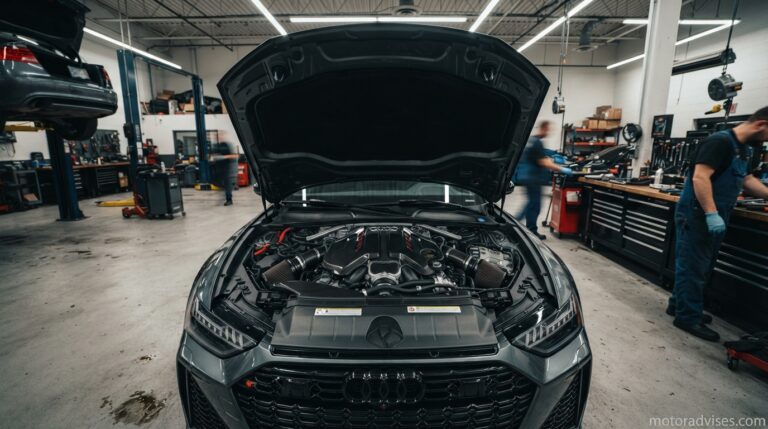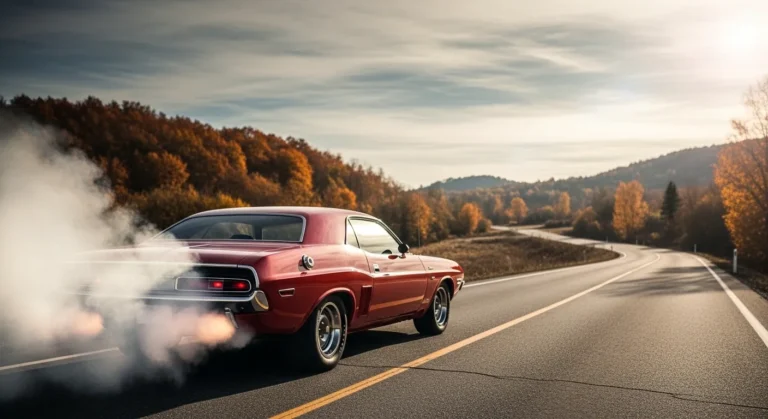
Most catalytic converter failure symptoms include poor power, rough idle, loud exhaust, and failed emissions.
I have worked on cars and emission systems for years. I will walk you through catalytic converter failure symptoms step by step. Expect clear explanations, practical checks you can do, and repair guidance so you know what to do next. Read on to spot problems early and save time and money.
What is a catalytic converter and why it matters
A catalytic converter cleans exhaust gases. It turns harmful gases into less harmful ones. Modern cars rely on it for emissions and engine efficiency. A bad converter affects performance, fuel use, and legal emissions testing. Understanding catalytic converter failure symptoms helps you act fast.
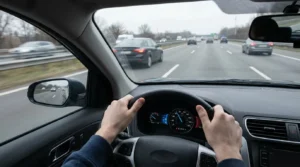
Common catalytic converter failure symptoms
Here are the top signs to watch for. Each symptom can point to a failing converter or related systems.
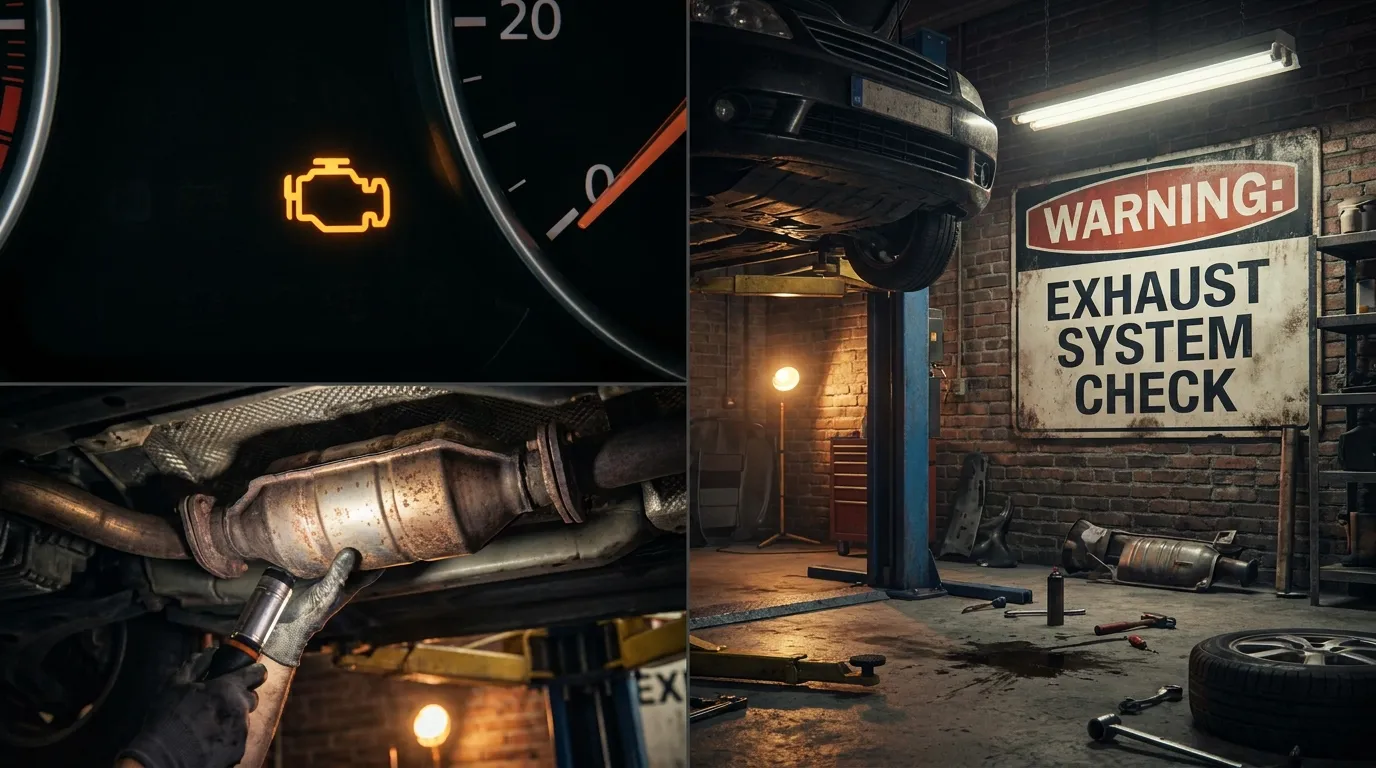
- Check engine light on and steady. A lit light often flags catalytic issues or oxygen sensor faults.
- Reduced engine power and sluggish acceleration. The car may feel choked when you push the gas.
- Poor fuel economy. A failing converter can raise fuel burn without other obvious causes.
- Rattling noise from under the car. Broken internal parts make a metallic rattle, especially on start or acceleration.
- Strong rotten-egg or sulfur smell from the tailpipe. This odor signals incomplete catalytic reactions.
- Failed emissions test. High NOx, CO, or hydrocarbons often mean the converter is not working.
- Engine misfire or stalling. Unburned fuel can overheat and damage the converter and cause misfires.
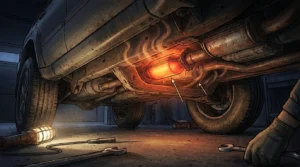
- Overheating under the vehicle. A plugged converter traps hot exhaust and can glow red.
These catalytic converter failure symptoms often show together. Spotting one early can prevent bigger damage.

Causes of catalytic converter failure
Knowing why converters fail helps prevent trouble. Typical causes are mechanical, chemical, and thermal.
- Physical damage from road debris or impact. Bent or cracked cases let parts break.
- Oil or coolant entering the exhaust. Contaminants coat the catalyst and block reactions.
- Engine misfires and rich running. Unburned fuel burns in the converter and overheats it.
- Age and normal wear. Catalysts degrade after many miles and heat cycles.
- Contaminated fuel or additives. Some additives leave residues that foul the catalyst.
Most catalytic converter failure symptoms trace back to one of these causes. Fix the root cause or you risk repeat failure.

How mechanics diagnose catalytic converter failure
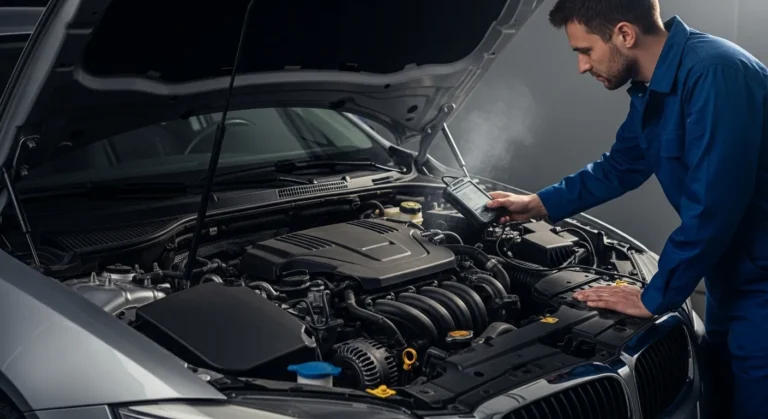
A proper diagnosis avoids unnecessary parts swaps. Mechanics use checks that are fast and clear.
- Visual and sound inspection. Look for dents, discoloration, or rattles.
- Backpressure test. High backpressure suggests a clog.
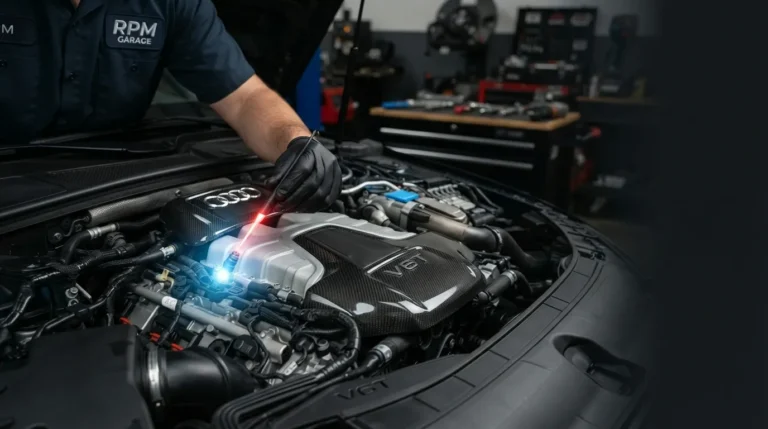
- Temperature check with infrared gun. A big temperature drop across the converter may mean blockage or failure.
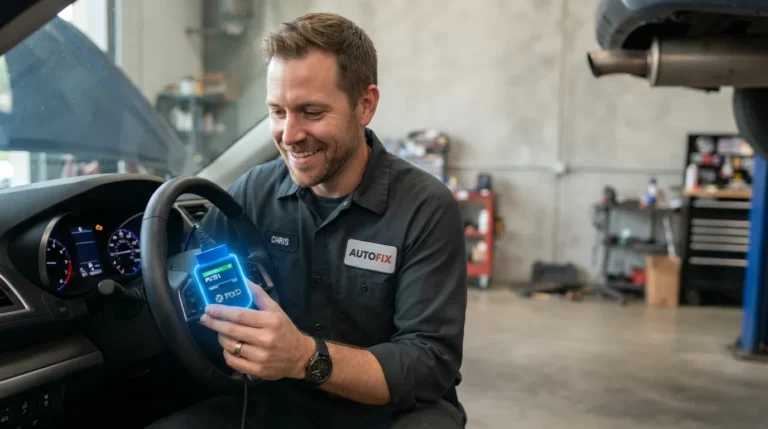
- OBD-II scan for codes. Codes like P0420 often point to catalyst efficiency problems.
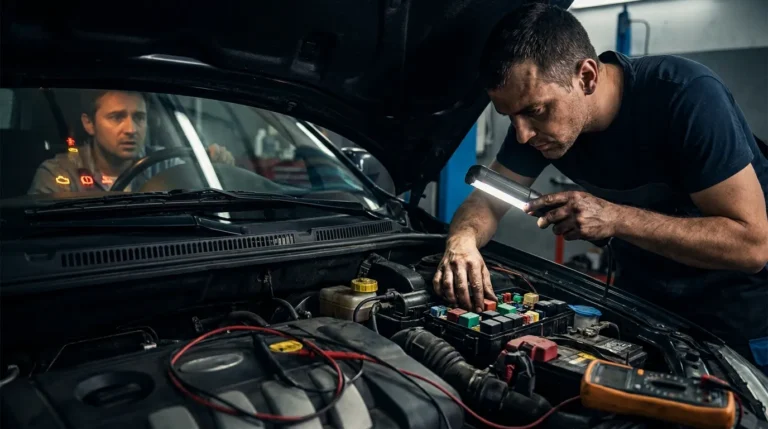
- Oxygen sensor readings and live data. Bad patterns show the converter is not cleaning exhaust properly.
Diagnosis confirms the problem and helps decide repair or replacement options.
When to repair or replace the catalytic converter
Deciding what to do depends on damage and cause. Here are clear guidelines.
- Replace if internal pieces are loose, or if the catalyst is melted. These cause loud rattles and fail emissions.
- Repair or clean only for minor external damage or removable blockages. Cleaning rarely restores old or contaminated catalysts fully.
- Fix engine problems first. Repair misfires, oil leaks, or coolant leaks before swapping the converter.
- Check warranty and local laws. Some parts may be covered or regulated differently.
Timely action on catalytic converter failure symptoms prevents more cost and repair work.
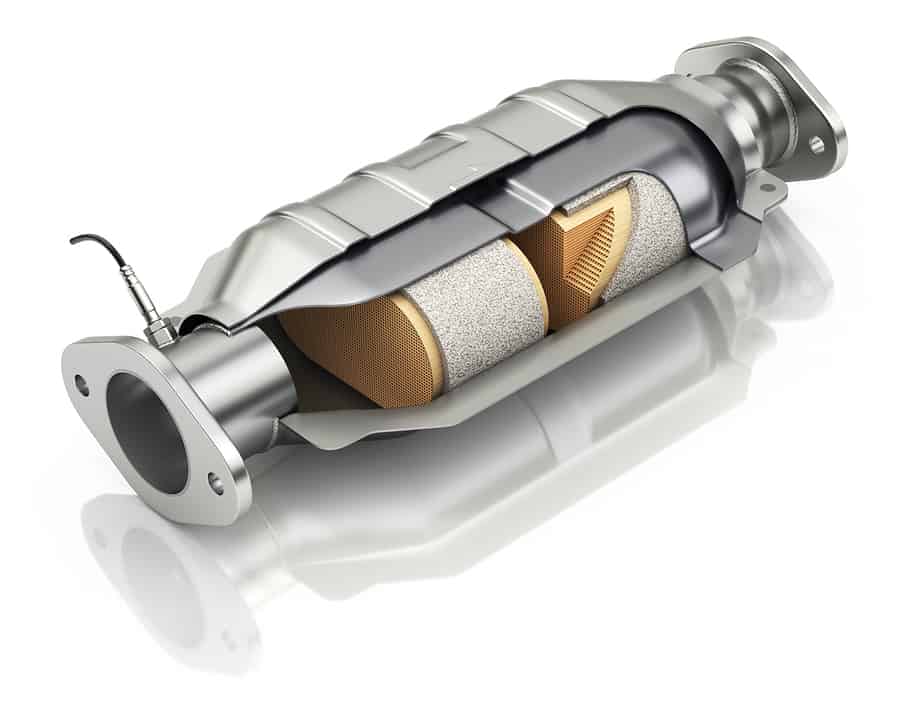
Source: breakerlink.com
Prevention and maintenance tips
Preventing failure is cheaper than repair. Simple habits go a long way.
- Keep your engine tuned. Replace plugs and coils on schedule to avoid misfires.
- Fix oil and coolant leaks quickly. Contamination kills catalysts.
- Use correct fuel and avoid unapproved additives. Bad additives can coat the catalyst.
- Replace worn oxygen sensors. Bad sensors lead to improper fuel trims and stress the converter.
- Avoid frequent short trips that never fully heat the exhaust. Full heat helps burn off deposits.
These tips reduce the chance you will see catalytic converter failure symptoms.
Costs, parts, and repair timelines
Expect variation by car make and region. Know the typical ranges.
- Aftermarket converter replacement tends to be cheaper but vary in quality. Expect mid-range costs.
- OEM converters cost more but match original specs and emissions compliance.
- Labor time is usually one to three hours. Complex exhaust layouts increase time.
- Repair timelines can be same-day for diagnosis and minor fixes. Replacement often takes a few hours to a day.
Plan for inspection first. A clear diagnosis saves you money and avoids unneeded parts swaps.
My experience and practical tips
I have diagnosed dozens of converters in shop and roadside calls. A few lessons stand out.
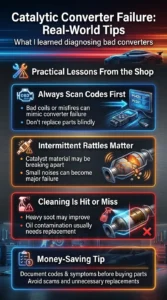
- I once replaced a converter only to find a bad coil was the real cause. Always scan for engine codes first.
- Rattles that appear only sometimes often mean the catalyst is coming apart. Don’t ignore intermittent noises.
- Cleaning attempts fixed one car with heavy soot build-up, but failed on a car with oil contamination. Cleaning is hit or miss.
If you find catalytic converter failure symptoms, document codes and symptoms before you shop for parts. That helped me avoid reseller scams and saved clients money.
Related checks and concepts to know
When you suspect catalytic converter failure consider these related systems.
- Oxygen sensors. They feed the engine computer and affect converter load.
- Exhaust leaks. Leaks can mimic some catalytic converter failure symptoms.
- Engine tune and fuel trim. Poor tuning leads to converter stress.
- Emissions testing thresholds. Local rules determine pass/fail levels.
Checking related parts gives a complete picture and reduces repeat problems.
Frequently Asked Questions of catalytic converter failure symptoms
What does a failing catalytic converter smell like?
A failing catalytic converter often smells like rotten eggs or sulfur. That odor comes from unprocessed sulfur compounds in fuel.
Can a bad catalytic converter cause poor acceleration?
Yes. A clogged converter restricts exhaust flow and chokes the engine, causing slow acceleration. You may feel the car lag when you press the gas.
Will a catalytic converter cause the check engine light?
Often. Codes such as P0420 or P0430 flag poor catalyst efficiency and usually trigger the check engine light.
How can I test for catalytic converter failure at home?
You can listen for rattles, smell exhaust for sulfur, or compare front and back exhaust temperatures with a simple infrared thermometer. For a full check, a shop scan and backpressure test are best.
Is it legal to drive with a bad catalytic converter?
Laws vary, but driving with a failing converter may fail emissions tests and can be illegal in some areas. It can also harm the engine over time.
How long does a catalytic converter last?
Life varies, but many last 70,000 to 100,000 miles under normal conditions. Factors like engine health and fuel quality affect longevity.
Can cleaning a catalytic converter fix all issues?
No. Cleaning can help if the issue is light soot. It rarely restores heavily contaminated or melted catalysts. Replacement may be required.
Conclusion
You can catch catalytic converter failure symptoms early by watching for check engine lights, poor power, odd smells, rattles, and failed emissions. Act quickly: diagnose engine issues first, then address the converter. Take preventive steps like keeping the engine tuned and fixing leaks to extend the life of the converter. If you spot symptoms, schedule a scan and inspection, and share your notes with your mechanic to speed repairs. Leave a comment with your experience, subscribe for more car care guides, or book a professional check if you suspect trouble.