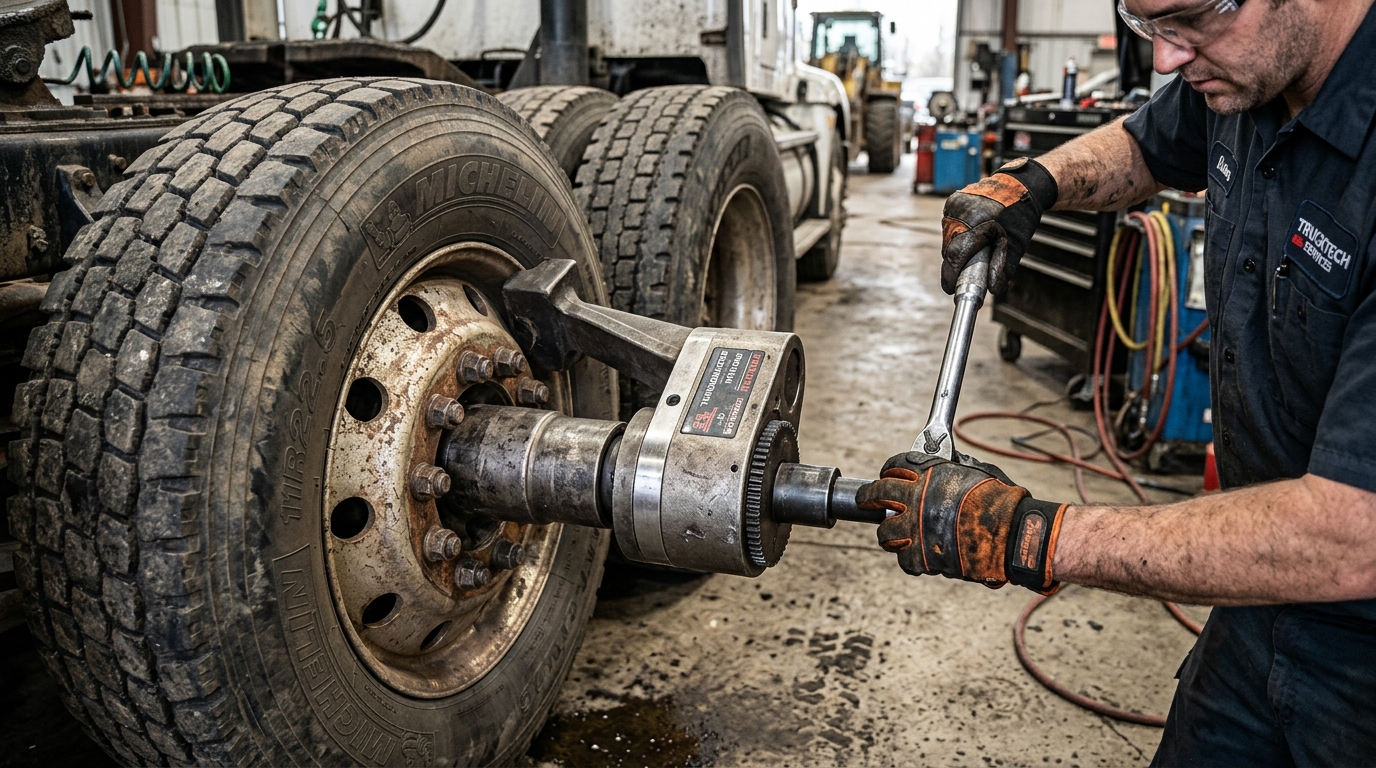
Set the correct ratio, lock the reaction arm, apply smooth input, and stop.
If you work with stubborn bolts or precision assemblies, learning how to use torque multiplier is a game changer. I’ve used them on wind turbines, heavy trucks, and plant gearboxes. This guide shows you how to use torque multiplier with clear steps, simple math, and real tips you can trust.
What a torque multiplier is and how it works
A torque multiplier is a tool that increases the torque you apply. It uses planetary gears to boost input torque from a hand wrench or a small air tool. You get big torque at the output with less effort.
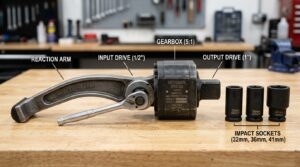
Key parts include the input drive, the gear head, and the reaction arm. The gear ratio tells you how much the tool multiplies your input. A 4:1 tool makes 100 ft‑lb at the input into about 400 ft‑lb at the output.
I’ve seen people try to muscle large bolts with long cheater bars. That is risky and often unsafe. A good multiplier gives you control, repeatability, and safety.
When to use a torque multiplier (and when not to)
Use a torque multiplier when you need high torque with precision and safety. It shines on wheel lugs for heavy trucks, wind turbine nacelles, flanges, and big anchor bolts. It is also great where power tools are not allowed or there is no air or battery power.
Avoid it if a standard torque wrench already covers the spec. Do not use it if you cannot brace the reaction arm on a solid stop. Skip it if the joint is unsafe, corroded to failure, or needs heat or penetration first.
When in doubt, start low and ramp up. Clean threads and use the right lube or anti‑seize if the spec allows.

Types, gear ratios, and key parts
There are two main types of torque multipliers.
- Manual gear multipliers use planetary gears and a reaction arm. They are quiet, stable, and easy to carry.
- Powered torque multipliers use a motor plus gears. They give faster cycles and digital control.
Know these parts before you learn how to use torque multiplier.
- Input drive. Where you attach your torque wrench or ratchet.
- Output drive. The square drive that holds the socket on the bolt or nut.
- Reaction arm. A bar that braces against a firm stop to resist the gear torque.
- Anti‑wind‑up device or pawl. Stops back‑driving and protects the tool.
Gear ratio matters. Common ratios are 3:1, 4:1, 5:1, and 25:1. Higher ratios give more output with less input, but they turn slower.

Tools you need before you start
Gather what you need so the job is smooth and safe.
- Torque multiplier with a known gear ratio and in good shape.
- Calibrated torque wrench for the input. A click or digital wrench works fine.
- Sockets rated for impact or high torque. Fit them snug to avoid rounding.
- Reaction arm extensions or pads to reach a solid stop point.
- PPE such as gloves, eye protection, and steel‑toe boots.
- Thread cleaner, brush, and lube if your spec allows it.
Having the right gear is half of how to use torque multiplier the right way.
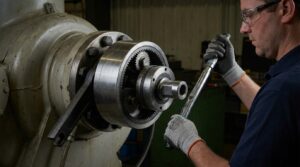
Step‑by‑step: how to use torque multiplier
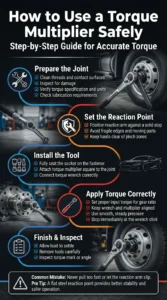
Follow these steps to keep it safe and accurate. This is the core of how to use torque multiplier.
- Prepare the joint
- Clean threads and contact faces. Check for damage.
- Confirm torque spec and unit. Note if lube is allowed or banned.
- Plan the reaction point
- Set the reaction arm against a solid stop, like a frame member.
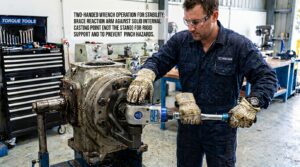
- Avoid fragile edges and rotating parts. Keep hands away from pinch points.
- Fit the socket and tool
- Seat the socket fully on the fastener.
- Attach the torque multiplier. Align it square to the joint.
- Attach the torque wrench
- Set the wrench to the required input value based on the gear ratio.
- Keep the wrench and multiplier in the same plane.
- Stabilize your stance
- Brace the reaction arm. Hold the tool so it cannot kick.
- Keep your body out of the reaction line.
- Apply torque smoothly
- Pull the wrench handle with steady pressure. No jerks.
- Listen and feel for the click if using a click wrench. Stop at the click.
- Release and remove
- Allow any load to settle. Remove the wrench and tool.
- Inspect the joint mark or angle if needed.
- For removal
- Set the reaction arm again. Use a breaker bar or low‑range torque input.
- Increase input in small steps until the fastener breaks loose.
I once watched a trainee pull fast and miss the stop. The arm slipped and the tool spun. We changed the stop to a flat steel plate. The next pull was smooth. That simple change is a big part of how to use torque multiplier safely.
Torque math, settings, and calibration
Here is the simple rule for how to use torque multiplier math.
- Output torque ≈ Input torque × Gear ratio × Efficiency.
- Most good tools list nominal efficiency near 80–90 percent.
Example:
- Spec is 800 ft‑lb. Ratio is 4:1. Assume 85 percent efficiency.
- Needed input ≈ 800 ÷ (4 × 0.85) ≈ 235 ft‑lb.
Tips that keep you honest:
- Use the chart from your tool maker when you can. It bakes in losses.
- If you add an extension to the torque wrench lengthwise, correct for length. Better yet, keep the wrench straight onto the input square without added length.
- Calibrate your torque wrench to ISO 6789 or a similar standard. Maintain the multiplier per manufacturer guidance.
For very high torque, use a snug angle turn after seating. Or use a load‑indicating washer. That reduces the risk of over‑tightening due to lube change or scatter.
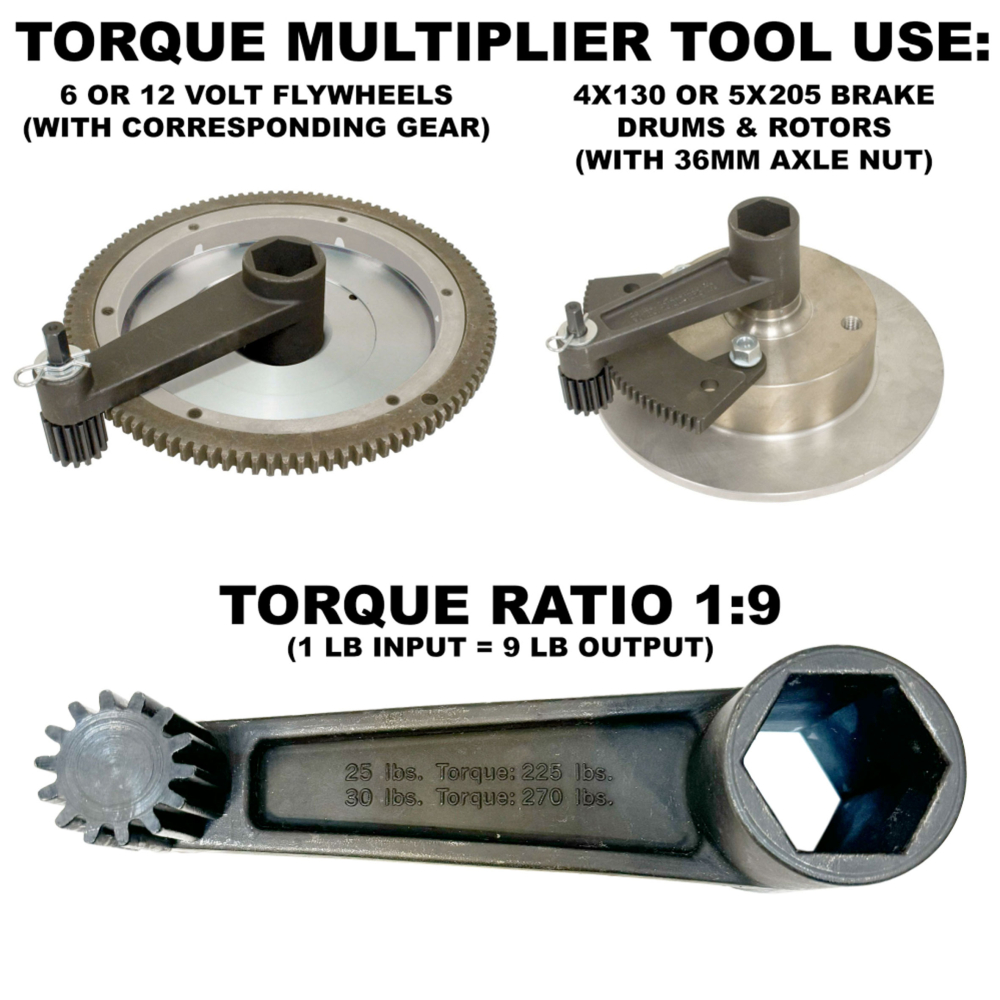
Source: jbugs.com
Safety, care, and common mistakes
Safety is the backbone of how to use torque multiplier.
Do this:
- Keep fingers and sleeves clear of the reaction arm.
- Use the right socket depth so the tool sits square and low.
- Check the reaction stop is solid and close to the nut.
Avoid this:
- Do not add a cheater bar to the input wrench.
- Do not brace the reaction arm on thin castings or hoses.
- Do not exceed the rated output of the multiplier or sockets.
Care tips:
- Wipe the tool after use. Store it in its case.
- Grease per the manual. Check for gear play and bent arms.
- Re‑certify on a torque tester at scheduled intervals.

Real‑world examples and troubleshooting
A wind farm hub bolt needed 1,600 N·m. Our 4:1 tool with 3/4‑inch wrench made it easy. We set the input to 470 N·m using the maker’s chart. The click was crisp, and the mark‑to‑mark line held after a short dwell.
On a truck wheel, a student asked how to use torque multiplier for removal. We set the arm onto a frame web. We ramped input in 20 ft‑lb steps. The nut freed cleanly without shock or hammering.
If things go wrong:
- Tool slips. Re‑seat the socket. Move the reaction point to a flat surface.
- Click feels late. Check your math. Verify units and ratio.
- Output feels low. Inspect for worn gears or a dragging reaction pad. Check efficiency or use the maker’s table.

Source: tw-torquetech.com
Quick answers to common questions
These fast notes help reinforce how to use torque multiplier.
Do I set my torque wrench to the final torque value?
No. Set the input based on gear ratio and efficiency. Use the tool chart or do the math.
Does reaction arm length change the torque?
No. It changes stability, not torque. Torque is set by input, ratio, and tool losses.
Can I use an impact gun on the input?
Only if the maker says it is impact‑rated. Many manual multipliers are not designed for impacts.
Maintenance and storage
Good care is part of how to use torque multiplier for the long haul.
- Inspect the reaction arm, pins, and locking features before each use.
- Keep the gearbox clean. Add lube per the schedule. Avoid solvent baths that strip grease.
- Store flat in the case. Do not stack heavy items on the arm or head.
- Log usage hours and peak loads if your quality plan needs it.
- Follow industry good practice from torque tool standards for checks and service.
I once found a unit with gritty gears after scaffold dust got in. A quick strip, clean, and re‑grease restored smooth clicks and repeatable pulls.
Frequently Asked Questions of how to use torque multiplier
What size torque wrench should I use with a multiplier?
Use a wrench with an input range that keeps you in the middle of its scale. This gives the best accuracy and feel.
How accurate are torque multipliers?
Good tools are accurate when used with a calibrated wrench and solid reaction. Expect a few percent variation unless the maker’s chart is used.
Can I use how to use torque multiplier for angle‑tightening?
Yes, if the joint calls for angle after snug torque. Mark the nut and turn the angle with steady pull.
What happens if the reaction arm slips?
Stop at once and reset the arm on a firm, flat stop. Check for damage and restart with a lower input, then rise slowly.
Do I need lubrication on the threads?
Follow the spec. Lube can raise clamp load at the same torque, so only use it if called for in the procedure.
Conclusion
You now know how to use torque multiplier with confidence. Choose the right ratio, plan the reaction point, set the input with sound math, and pull smooth. That is how you get safe, repeatable torque on big fasteners without brute force.
Try these steps on your next wheel pack, flange, or hub. Keep notes on settings and results so your process gets faster and more accurate. Want more guides like this? Subscribe, share your questions, or leave a comment with your torque challenges.