Keep terminals clean, test voltage often, charge fully, secure the battery, and avoid deep drains.
If you want to know how to maintain car battery the right way, you’re in the perfect place. I’ve serviced hundreds of cars in hot summers and freezing winters, and I’ve seen the same issues repeat. In this guide, I’ll show you how to maintain car battery for long life, steady starts, and fewer surprises. I’ll share what works, what fails, and the simple steps that make a big difference. Read on, and you’ll feel confident every time you turn the key.
How a car battery works (and why care matters)
A car battery stores energy and delivers a big burst of power to start the engine. Once you’re running, the alternator takes over and keeps the system charged. Most cars use a 12-volt lead-acid battery. Some use AGM or EFB types for start-stop systems.
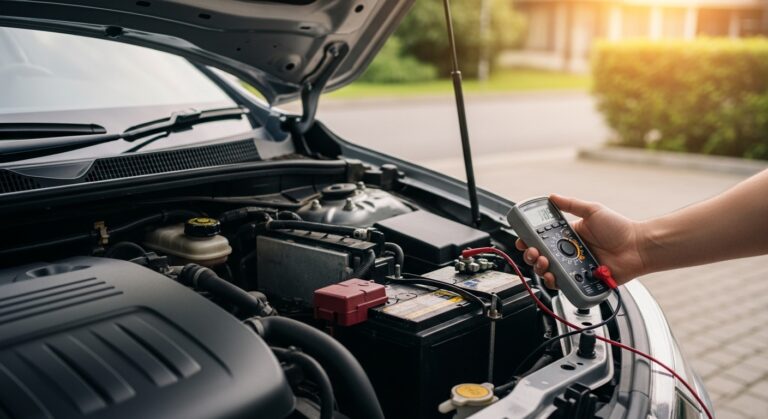
A healthy resting battery reads about 12.6 volts. At 12.4 volts, it is okay. At 12.2 volts, it is about half charged. Near 12.0 volts, it is very low. While running, you should see around 13.8 to 14.7 volts. Heat ages the battery. Cold slows it down. That is why smart care matters.
Knowing how to maintain car battery starts with knowing these numbers. When you know what “normal” looks like, it’s easy to spot trouble early.
The quick maintenance checklist
Use this simple routine to master how to maintain car battery without guesswork.
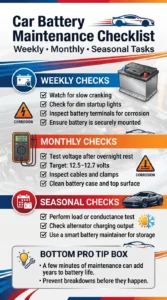
Weekly
- Check your start. Slow cranking or dim lights at start can be a warning.
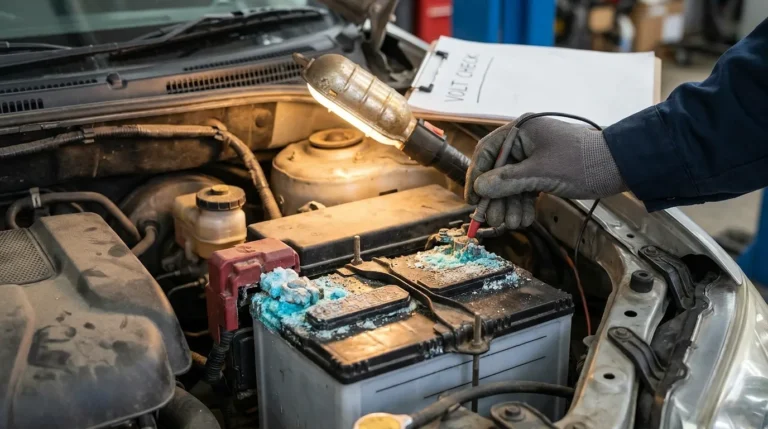
- Look for corrosion on the terminals. White or blue fluff means action is needed.
- Make sure the battery is secure. Loose batteries fail faster.
Monthly
- Measure voltage after the car sits overnight. Aim for 12.5 to 12.7 volts.
- Inspect cables and clamps for cracks or looseness.
- Clean the case and top. Dirt can cause small drains across the case.
Seasonal
- Before summer and winter, do a load test or conductance test.
- Check the alternator output with the engine on.
- If parked long term, use a smart maintainer.
If you follow this list, you will understand how to maintain car battery in real life, not just in theory.
Step-by-step: Clean and protect your battery
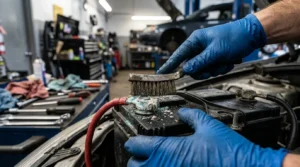
Keeping terminals clean is the easiest win in how to maintain car battery.
What you need
- Safety glasses and gloves
- 10 mm or 12 mm wrench
- Baking soda and water mix
- Small brush or terminal brush
- Clean rag and dielectric grease or terminal protectant
Steps
- Turn everything off. Remove the negative cable first, then the positive.
- Mix baking soda with water. Dip the brush and scrub the terminals and clamps.
- Rinse with clean water. Dry with a rag.
- Lightly coat the terminals with dielectric grease or protectant.
- Reconnect the positive cable first, then the negative. Tighten until snug. Do not over-tighten.
Personal tip: In my shop, most “mystery” electrical issues come from dirty or loose terminals. A 10-minute clean-up often fixes them.
Testing and charging the smart way
Testing is key to how to maintain car battery with confidence.
Simple tests
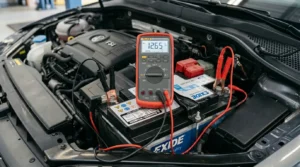
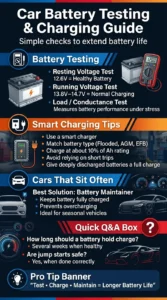
- Resting voltage test. After sitting overnight, 12.6 volts is ideal.
- Running voltage test. With the engine on, 13.8 to 14.7 volts is normal.
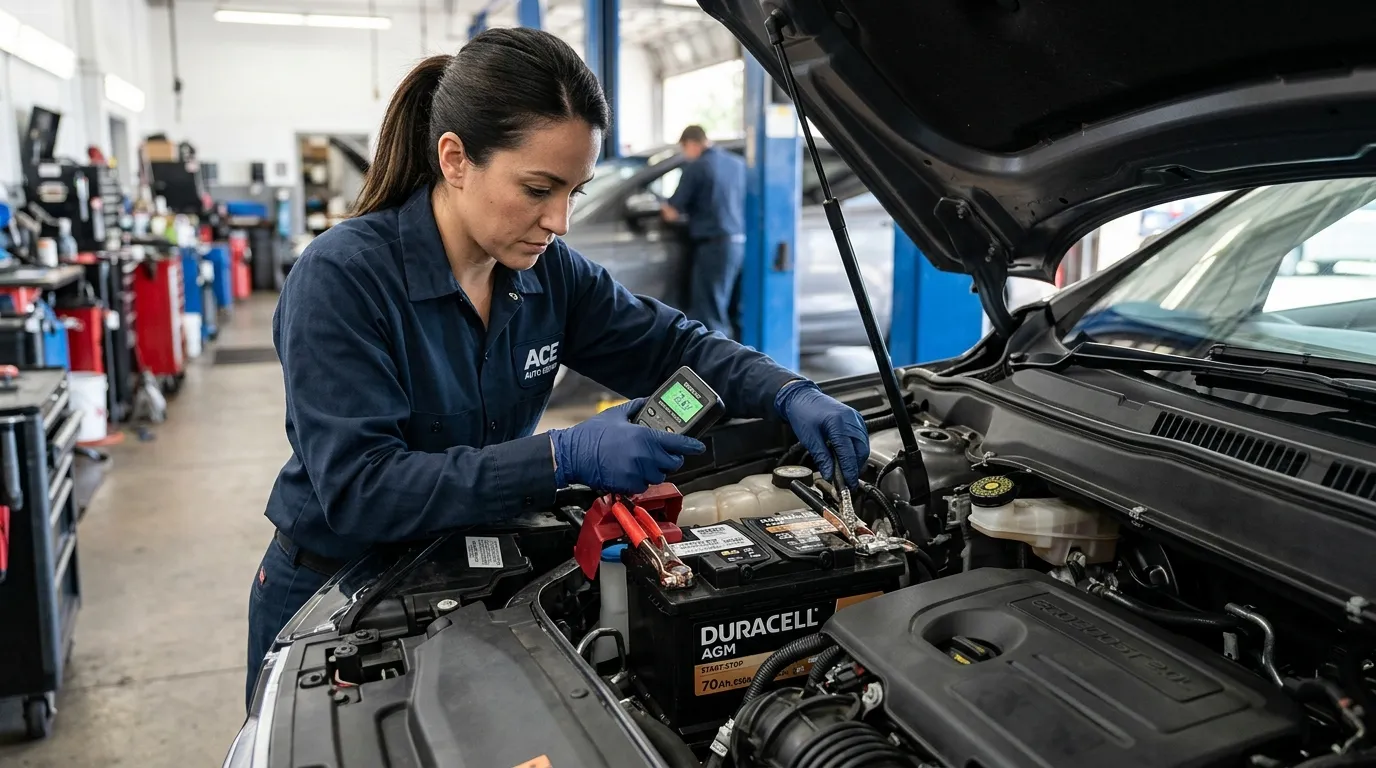
- Load or conductance test. Quick way to see real health under stress.
Charging tips
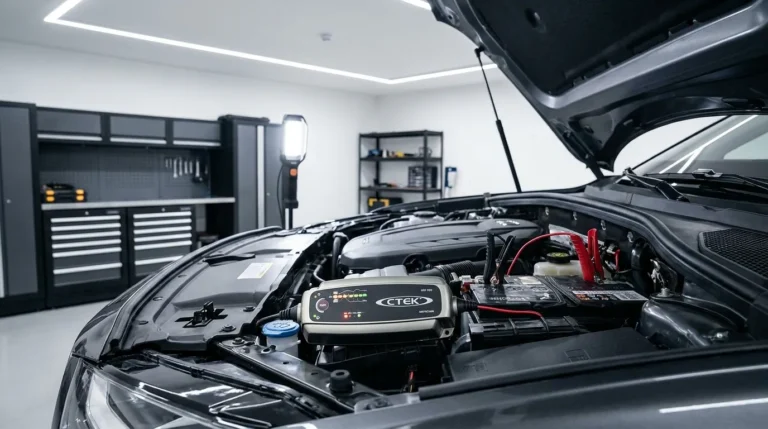
- Use a smart charger set to the right battery type (flooded, AGM, or EFB).
- A safe rule is to charge at about 10% of the battery’s amp-hour rating.
- Do not rely on short trips to recharge a drained battery. It needs a proper full charge.
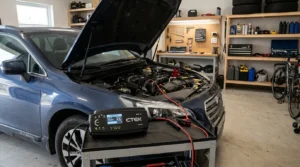
If your car sits a lot, how to maintain car battery becomes simple: use a maintainer. It keeps the battery full without overcharging it.
Quick Q&A
- How long should a battery hold charge? A healthy battery can sit a few weeks, but smart maintainers help.
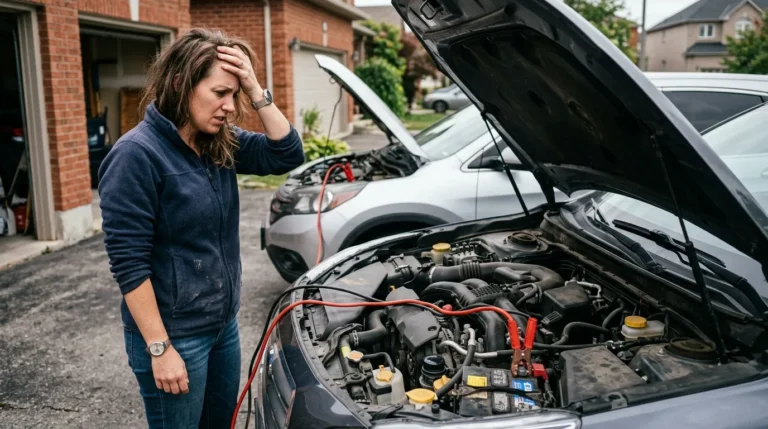
- Are jump starts safe? Yes, if done right. But a weak battery should be tested and charged soon after.
Driving habits that extend battery life
Your routine affects how to maintain car battery more than you think.
- Avoid many short trips. The alternator needs time to replace the energy used at start-up.
- Take a 20–30 minute drive once a week if you work from home.
- Limit key-off draws. Unplug chargers and dash cams when parked.
- Use eco or auto stop-start only if your battery is built for it.
Real-world note: I once tracked a customer’s parasitic draw to a phone charger left in the socket. The fix was to unplug it. The battery lasted two more years.
Weather-specific care: heat and cold
Weather is a silent battery killer. Knowing how to maintain car battery in extreme temps will save you money.
Hot weather
- Heat speeds up corrosion and water loss in flooded batteries.
- Park in the shade or a garage when you can.
- Clean the top of the battery. Dust plus humidity can cause small drains.
Cold weather
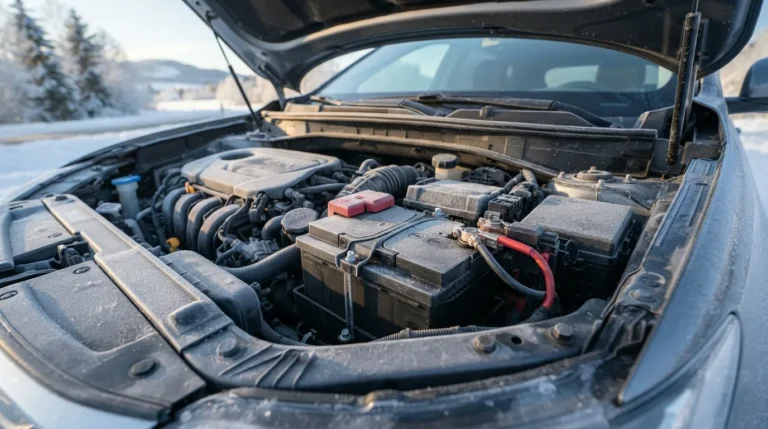
- Cold lowers cranking power. A weak battery fails first on cold mornings.
- Test and fully charge before winter.
- Consider a battery blanket or engine block heater in very cold areas.
Storage
- If storing a car for more than a month, disconnect the negative cable or use a maintainer.
- Top off the charge first. Store the car in a cool, dry place.

Common mistakes to avoid
Avoid these traps to master how to maintain car battery.
- Over-tightening clamps. This can crack posts and loosen them later.
- Wrong charger mode. AGM and EFB need the right profile.
- Letting the battery sit discharged. Sulfation builds fast and reduces capacity.
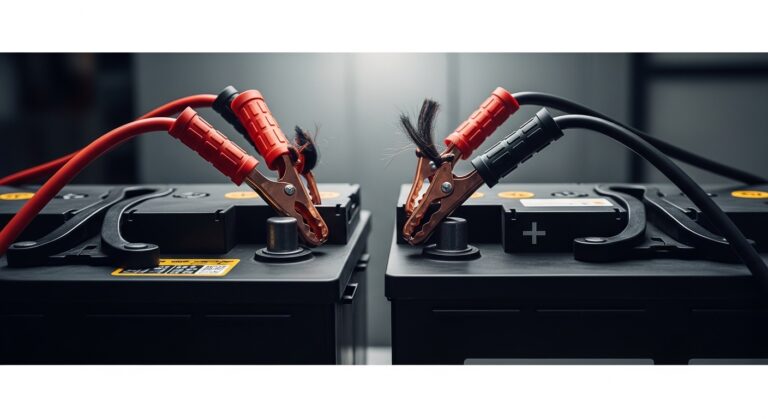
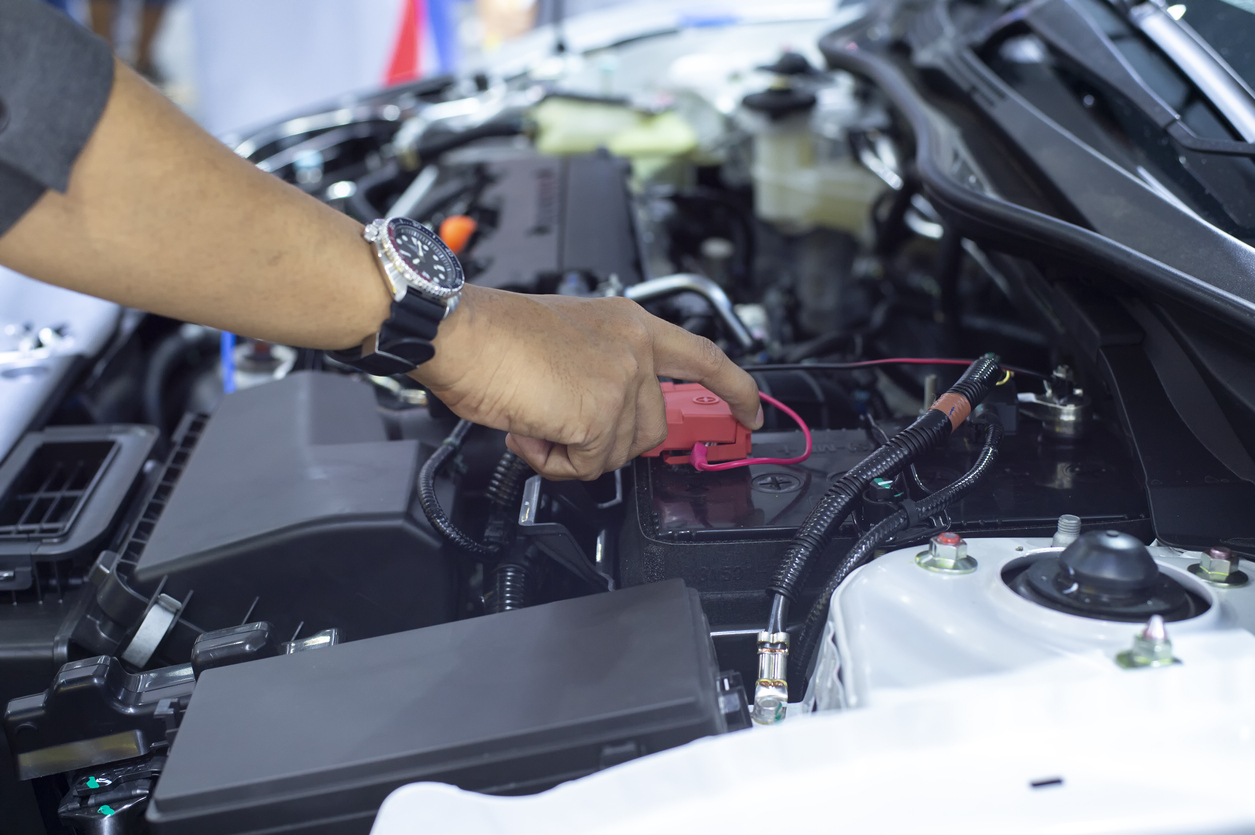
- Jump-start errors. Wrong order or reversed cables can fry modules.
- Loose hold-downs. Vibration ruins plates and shortens life.
From my bench: The most expensive repair I’ve seen from a simple mistake was a reversed jump. The battery and a control module both died. Take a breath, clip carefully, and double-check.
Source: aaa.com
Replacement, recycling, and choosing the right battery
Even with the best plan for how to maintain car battery, they wear out.
When to replace
- Slow cranking, frequent jump starts, or a reading below 9.6 volts during a load test.
- Swollen case, foul odor, or leaking acid.
- Older than 3–5 years and showing any warning sign.
Choosing the right one
- Match group size and terminal layout for your car.
- Check cold cranking amps (CCA) and reserve capacity to meet or beat factory specs.
- Use AGM or EFB if your car has start-stop. Do not downgrade.
After install
- Clean and secure the battery.
- Some cars need battery registration or reset with a scan tool. This keeps charging smart and safe.
- Always recycle the old battery. You get a core refund, and it keeps lead out of landfills.
Real-world lessons from the garage
Here’s what years of hands-on work taught me about how to maintain car battery.
- A clean top is not just for looks. Dirt can create a tiny path for current. That slow leak adds up.
- Most “bad alternators” I test are weak batteries in disguise. Test both before you buy parts.
- A battery can read 12.6 volts and still be weak. That’s why a load or conductance test matters.
- Cars that sit are the hardest on batteries. A $30 maintainer beats a $200 tow every time.
- Keep records. Date the battery. Log voltage checks. Small notes save big money later.
Frequently Asked Questions of how to maintain car battery
How often should I test my car battery?
Test once a month if you drive short trips or use many accessories. In normal use, check each season and before long road trips.
What is the ideal resting voltage for a healthy battery?
A fully charged battery should read about 12.6 to 12.7 volts after sitting overnight. Anything near 12.2 volts needs charging soon.
Can I use any charger on my battery?
Use a smart charger and pick the right mode for flooded, AGM, or EFB. Wrong charging can shorten battery life.
Do short trips harm the battery?
Yes, many short trips do not give the alternator time to recharge. Plan a longer weekly drive or use a maintainer.
How long does a car battery usually last?
Most last 3 to 5 years depending on climate and use. Heat, deep drains, and vibration reduce that lifespan.
Is it safe to clean terminals with baking soda?
Yes, a baking soda and water mix neutralizes acid and removes corrosion. Rinse and dry well, then apply a light protective coating.
Should I disconnect the battery for long storage?
If parked over a month, disconnect the negative or use a maintainer. This prevents parasitic drains from killing the battery.
Conclusion
Knowing how to maintain car battery is simple once you build a routine: keep it clean, keep it charged, keep it tested, and keep it secure. Small habits, like a monthly voltage check and a seasonal load test, prevent no-start mornings and save cash.
Start today. Pick one step from this guide and do it now. Then set a reminder for next month. If you found this useful, share it, subscribe for more car care tips, or drop your questions in the comments so I can help next.