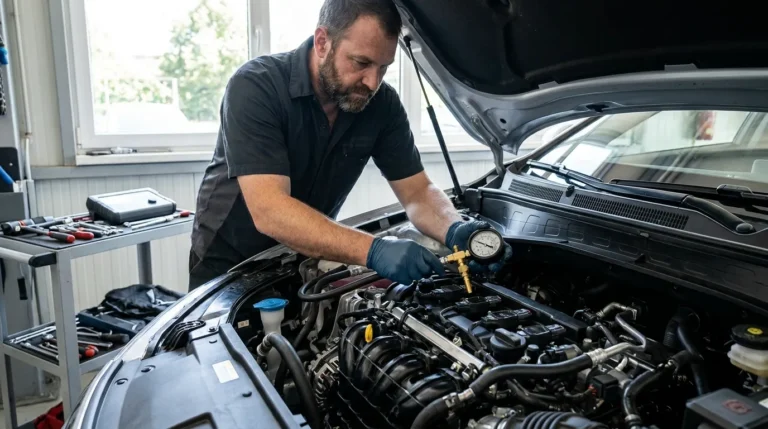
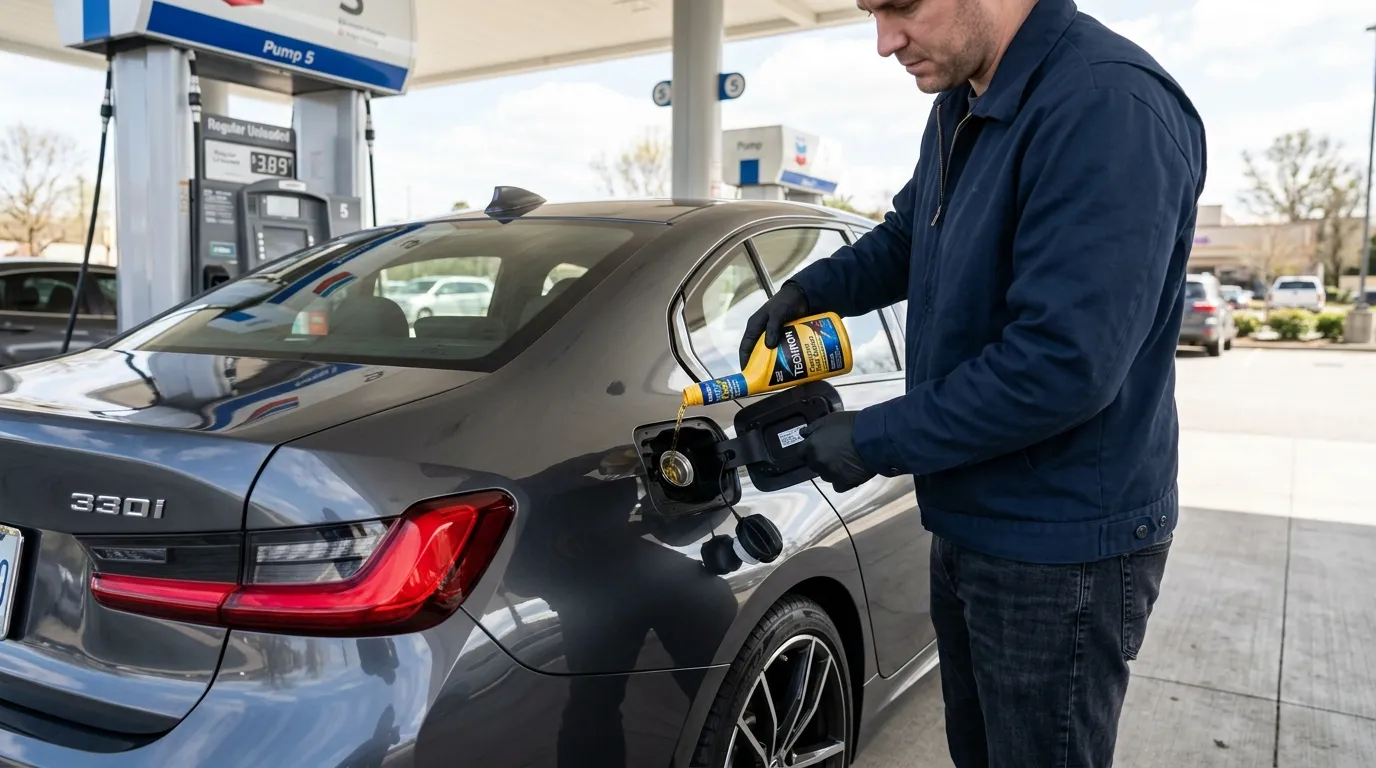
Pour the recommended fuel injector cleaner into a nearly full tank and drive to mix fully.
I’ve spent years fixing common car performance problems and testing fuel additives. This guide shows exactly how to use fuel injector cleaner safely and effectively. You’ll learn when to add it, which type to pick, step-by-step use, common mistakes, and when to seek professional help. Read on for clear, practical advice drawn from real experience and industry best practices.
How fuel injectors work
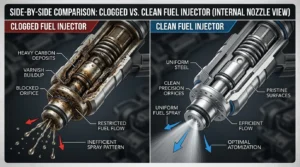
Fuel injectors spray fuel into the engine’s intake or combustion chamber. They must deliver a precise spray pattern and quantity. Dirt and varnish build up over time. That build-up changes the spray pattern. Poor spray leads to rough idle, low fuel economy, and reduced power.
Modern engines use electronic controls to time injection. Direct-injection engines inject fuel directly into the cylinder. Port-injection engines spray into the intake port. Both types can suffer from deposits. Regular maintenance keeps injectors performing well.
Why use fuel injector cleaner
Fuel injector cleaner removes carbon and varnish on injector tips and in fuel passages. Cleaner improves spray pattern and restores smooth idling. You may also see improved throttle response and slightly better fuel economy after cleaning.
Cleaner is an inexpensive preventive step. It is not always a cure-all though. Heavy deposits or mechanical failure need professional cleaning or replacement. Still, most drivers see tangible benefits from periodic use.
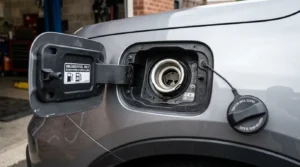
Types of fuel injector cleaners
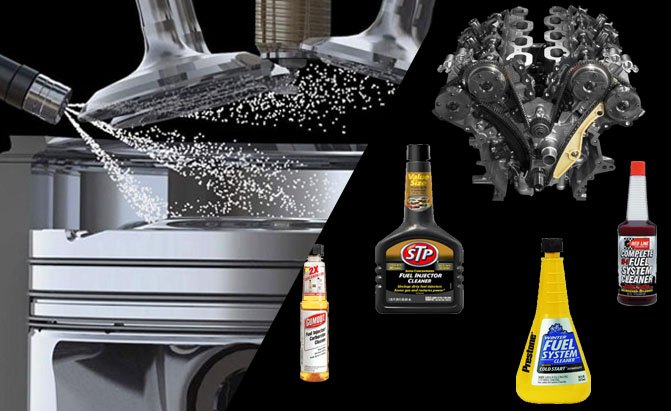
There are several types of cleaners. Choose the right one for your needs.
- Bottle-in-tank additives: Add to the fuel tank and drive normally. These are common and easy to use.
- Concentrated shop cleaners: Used with a pressurized canister and hooked to the fuel rail by a mechanic. These are stronger and used in workshops.
- Intake or induction cleaners: Spray directly into the intake while the engine runs. These require skill and are best for pros.
- Universal vs. vehicle-specific formulas: Some products include detergents tuned for direct-injection engines. Check the label for compatibility.
Read the product label and your owner’s manual before choosing. Some automakers recommend or forbid certain chemistries.
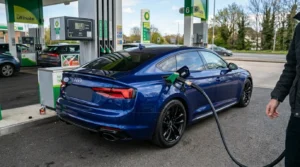
When to use fuel injector cleaner
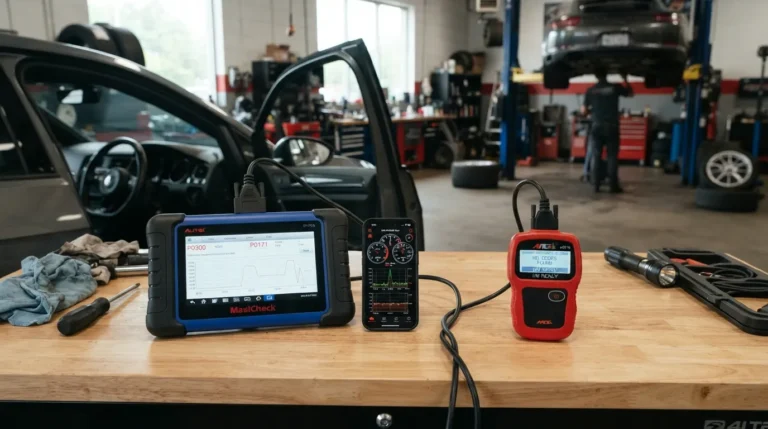
Use cleaner as preventive maintenance or when you see symptoms. Symptoms include rough idle, misfire at low load, poor acceleration, or reduced fuel economy. A check engine light for a lean or misfire code may also point to injector issues.
General guidelines:
- Every 3,000 to 5,000 miles for mild preventive use if you drive a lot in city traffic.
- Every 10,000 to 15,000 miles for standard maintenance with quality fuel.
- Use a stronger shop service if symptoms persist after bottle-in-tank treatment.
If you notice persistent misfires, strong knocking, or smoke, seek professional diagnosis. These signs can mean mechanical failure beyond what a cleaner can fix.

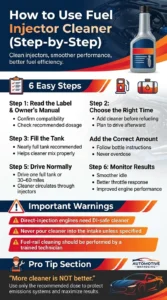
Step-by-step: how to use fuel injector cleaner
Follow these steps for safe, effective use of bottle-in-tank fuel injector cleaner.
- Read the label and your owner’s manual
- Confirm product compatibility with your engine type. Note recommended dose.
- Choose the right time
- Add cleaner when you plan to drive shortly after filling. A nearly full tank helps mix the cleaner.
- Fill the tank partially or nearly full
- Most products work best when added to a nearly full tank so the liquid mixes well with fuel.
- Pour the recommended amount
- Use the exact dose on the bottle. More is not better and can harm emissions systems.
- Drive normally for a full tank or at least 30–60 miles
- Driving helps the cleaner circulate and clean injectors under real conditions.
- Monitor results
- Note improvements like smoother idle or better throttle response. If issues persist, repeat once per label instructions or consult a mechanic.
Special notes:
- For direct-injection engines, pick a cleaner labeled safe for direct injection.
- Do not pour cleaner directly into the intake unless the product specifically says so.
- If the product recommends fuel-rail cleaning, have a trained technician perform that service.
Safety, tips, and common mistakes
Safety is simple but crucial. Always follow the label.
- Use gloves and avoid skin contact. Cleaners are chemicals.
- Add only the recommended dose. Overuse can damage sensors or catalytic converters.
- Don’t mix different cleaners. Mixing may create unwanted reactions.
- Avoid pouring into oil or other systems. Use only as directed for fuel.
- Store products away from heat and flame. Keep out of reach of children and pets.
Common mistakes I’ve seen:
- Adding cleaner to an empty tank — it may not mix well and can concentrate chemicals.
- Using every brand without checking for direct-injection compatibility.
- Expecting immediate dramatic gains for engines with mechanical issues.
Source: autoguide.com
My experience and lessons learned
I once treated a daily driver with a persistent rough idle. I used a bottle-in-tank cleaner and drove 100 miles. The idle improved, but I still had a slight misfire. A shop-level cleaning revealed a clogged injector and a failing ignition coil. The cleaner helped but did not fix the coil.
From that experience I learned:
- Use cleaner early as preventive care. It can delay costly repairs.
- Don’t ignore symptoms. Cleaner is a first step, not always the final fix.
- Keep a maintenance log. Note product name, date, and mileage to track results.
Small, regular treatments work best for long-term health.
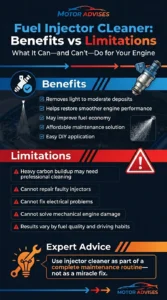
Benefits and limitations
Benefits:
- Removes light to moderate deposits.
- Improves running smoothness and fuel economy.
- Cost-effective and easy for do-it-yourself drivers.
Limitations:
- Heavy deposits may require professional cleaning or injector replacement.
- Cleaner cannot fix electrical faults or mechanical failure.
- Results vary by fuel quality, driving habits, and engine type.
Be realistic. Use cleaner as one tool in a broader maintenance routine.
Quick answers drivers often seek
What to do if the cleaner doesn’t help?
- Recheck symptoms and codes. Consider professional shop cleaning or parts diagnosis.
Can I use cleaner in a high-mileage car?
- Yes. It helps loosen deposits. But high mileage may also hide worn parts that need repair.
Is one treatment enough?
- Often it helps, but repeat treatments per product directions can yield better results.
Are DIY and shop treatments the same?
- No. Shop treatments are stronger and use pressurized cleaning directly on the fuel rail.
Will cleaner harm my catalytic converter?
- When used as directed, no. Overuse or misuse can risk damage.
Frequently Asked Questions of how to use fuel injector cleaner
How often should I use a fuel injector cleaner?
Most drivers use a bottle-in-tank cleaner every 10,000 to 15,000 miles. Heavy city driving may need more frequent use, about every 3,000 to 5,000 miles.
Can I overuse fuel injector cleaner?
Yes. Overusing or using higher-than-recommended doses can harm oxygen sensors or catalytic converters. Always follow the label directions.
Will fuel injector cleaner fix a misfire?
Cleaner can fix misfires caused by deposits. It cannot fix electrical or mechanical faults like bad coils or injectors that are physically damaged.
Is fuel injector cleaner safe for direct-injection engines?
Some cleaners are formulated for direct-injection engines. Always check the label to confirm compatibility with direct injection.
Can I add cleaner to an empty tank?
Avoid adding cleaner to an empty tank. A nearly full tank ensures proper mixing and prevents concentrated chemical exposure to engine parts.
Do I need professional cleaning if my engine still runs rough?
If symptoms persist after a proper cleaner treatment, professional diagnosis and possible shop-level cleaning or injector replacement are recommended.
Are all fuel injector cleaners the same?
No. Formulations vary in strength and ingredients. Some are for light maintenance; others are for shop use and require professional equipment.
Conclusion
Using fuel injector cleaner is a practical way to keep your engine running smoothly. Read labels, use the right product for your engine, add the correct dose to a nearly full tank, and drive to mix it. Be mindful of limits—cleaners help with deposits but don’t replace mechanical repairs. Try a treatment as preventive care, track results, and consult a pro if problems persist.
Take action today: check your owner’s manual, pick a compatible cleaner, note the date and mileage, and add it at your next fill-up. Share your experiences or questions below — I’d love to hear what worked for you.