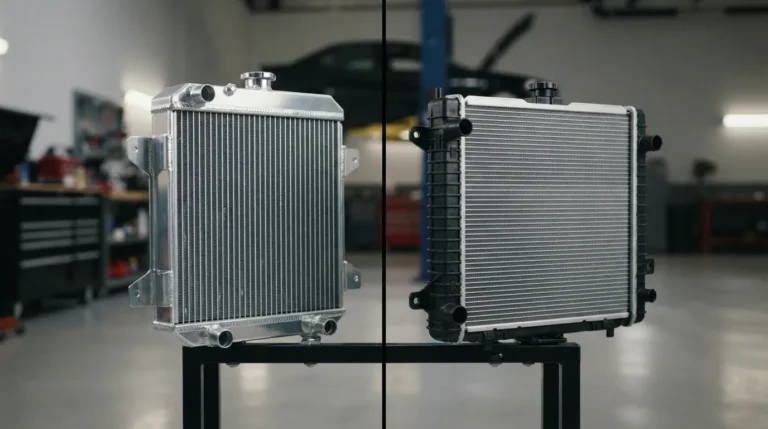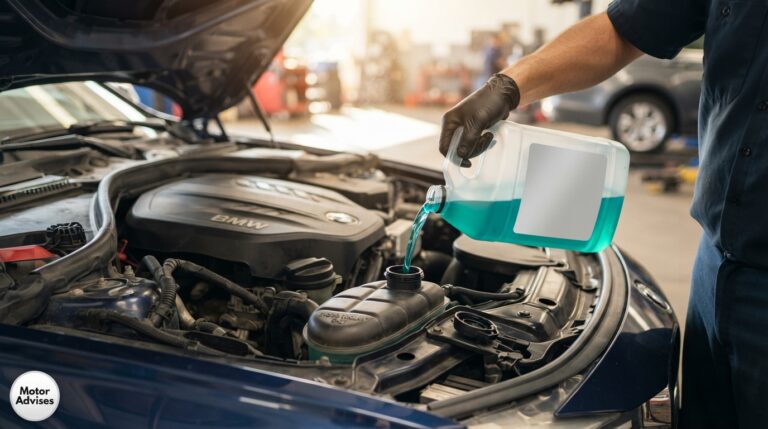
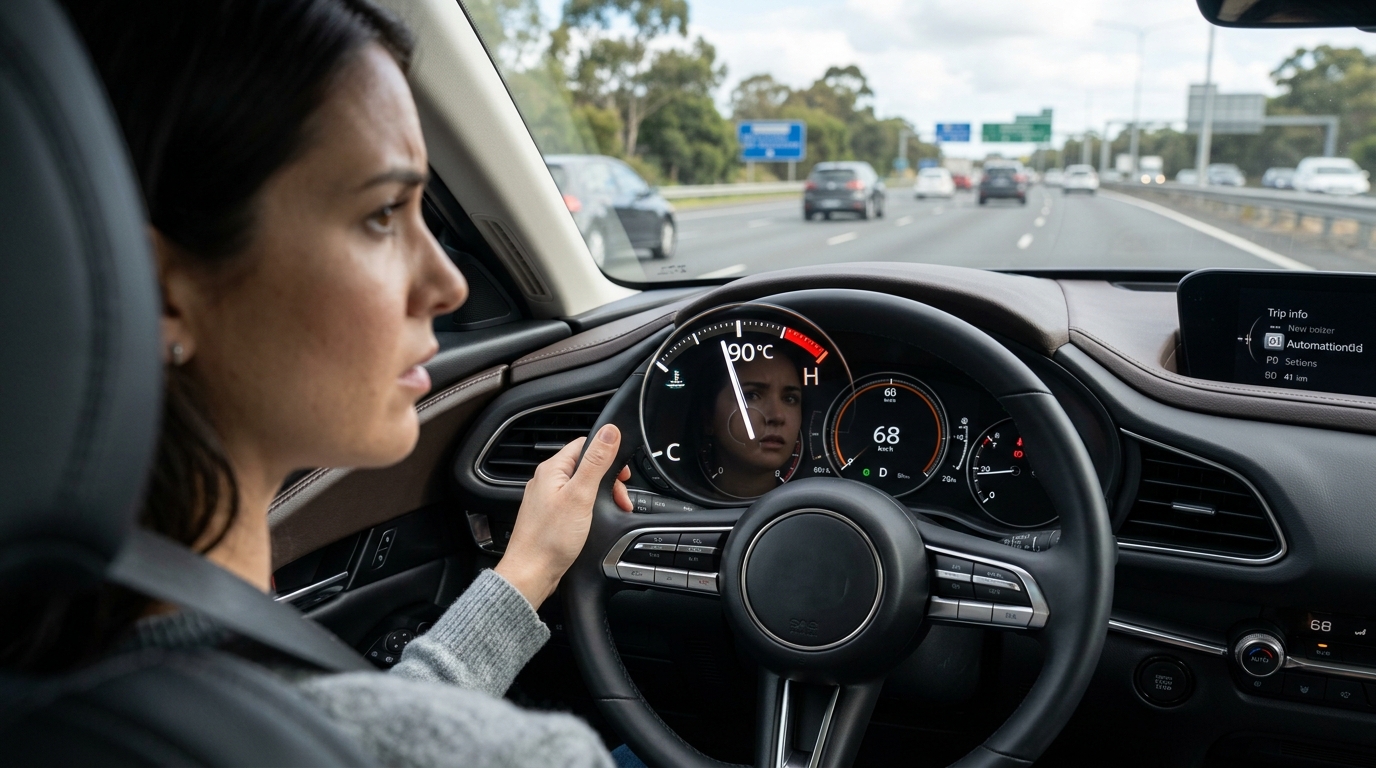
A car can run hot without overheating when cooling issues raise temperature but never cross critical limits.
I’ve spent over a decade fixing cars and teaching drivers about cooling systems. If your engine running hot but not overheating puzzles you, this guide explains why it happens, how to diagnose it, and what to do next. I blend hands-on experience with clear steps so you can spot real problems early, avoid costly damage, and decide when to DIY or call a pro. Read on to learn causes, checks, fixes, and practical tips to keep your engine safe and cool.
Why an engine can run hot but not overheat
An engine running hot but not overheating means the temperature is higher than normal but stays below the red zone. The gauge or temperature sensor shows elevated temps, yet the engine does not reach the critical boiling or shutdown range.
This condition is common and often fixable. Small issues like a sticking thermostat, low coolant, partial air pockets, or a weak fan can cause it. The engine feels warmer. Fuel economy or performance may drop slightly. You usually have time to diagnose and fix things before serious damage occurs.
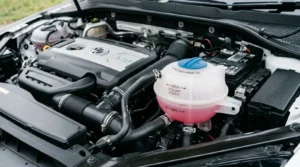
Common causes of an engine running hot but not overheating
Here are the frequent reasons you’ll see higher-than-normal temperatures while avoiding full overheating.
- Low coolant level
- Coolant loss reduces heat transfer. The system still circulates enough fluid to avoid overheating but runs hotter.
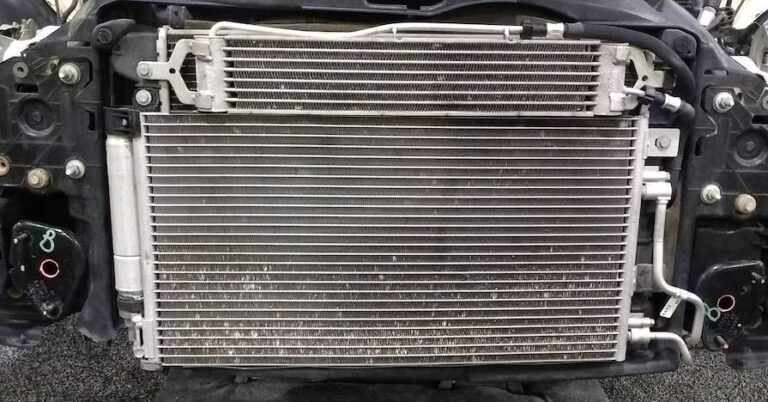
- Partially blocked radiator or hoses
- Sludge or deposits cut cooling flow. Heat builds but may not spike to critical levels.
- Sticking thermostat
- A thermostat that opens late limits coolant flow. Temperatures rise but might not reach the red zone.
- Air trapped in the cooling system
- Air pockets reduce circulation. The engine warms, yet the pump and radiator cope enough to prevent overheating.
- Weak water pump
- A worn pump moves less coolant. Heat rises slowly but stays under the limit.
- Cooling fan issues
- Fans running intermittently or at low speed lead to higher temps, especially at idle.
- Wrong coolant mix or degraded coolant
- Old or incorrect coolant lowers heat capacity and boiling point.
- Small head gasket leak
- A minor gasket issue can introduce combustion heat into the coolant without causing immediate failure.
Each cause creates a specific pattern of symptoms. If a problem gets worse, the engine can move from “running hot” to actual overheating.
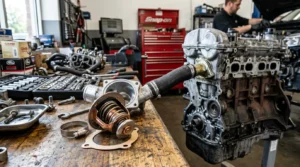
How to diagnose safely when the engine running hot but not overheating
Follow simple, safe steps to find the root cause. Always work with the engine cooled down to avoid burns.
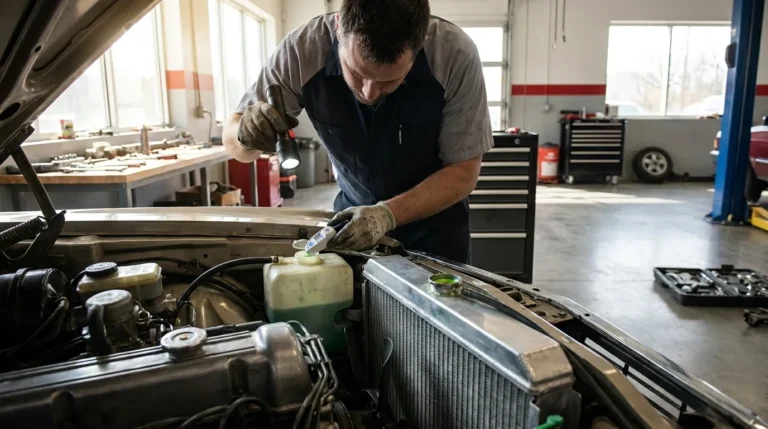
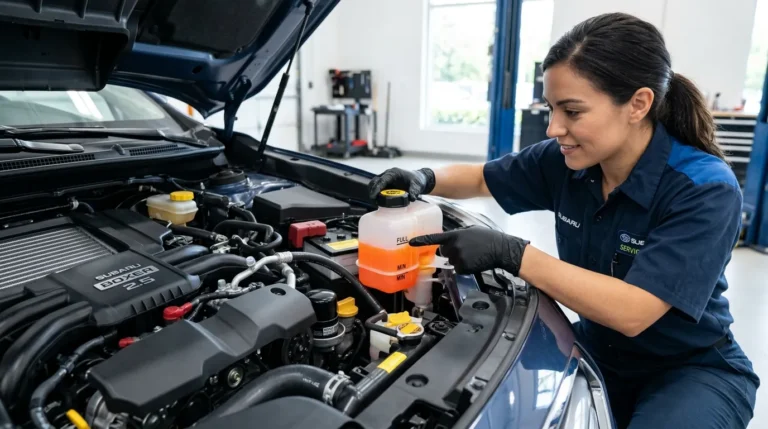
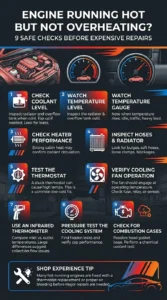
- Check the coolant level
- Inspect the overflow and radiator cap when cold. Top up if low and watch for leaks.
- Observe the temperature gauge and warning lights
- Note when the needle rises. Does it rise at idle, during heavy load, or only in traffic?
- Listen and feel
- Feel the heater output. A hot heater core with high cabin heat can confirm circulation.
- Inspect hoses and radiator
– Look for soft spots, bulges, or blockages. Tighten loose clamps. - Test the thermostat
- A stuck thermostat keeps the engine hot longer. Replacing it is low-cost and often fixes the issue.
- Check the cooling fan operation
- Run the engine to operating temp and watch the fan. If it doesn’t engage, check fuse, relay, or temperature sensor.
- Use an infrared thermometer or scan tool
- Measure radiator inlet and outlet temps. Big differences suggest flow problems.
- Pressure test the system
- A pressure test finds leaks and verifies the cap and hoses hold pressure.
- Inspect for combustion gases in coolant
- A chemical test checks for exhaust gases in the coolant, signaling a head gasket issue.
From my shop experience, a thermostat or simple air bleed fixes many cases. Start with the easy checks before moving to costly repairs.
Immediate actions to take if your engine is running hot but not overheating
If you notice elevated temps, act calmly. These steps limit damage and help diagnosis.
- Reduce load
- Ease off the gas and lower speed. Avoid heavy acceleration and towing.
- Turn on the heater
- Swap some heat to the cabin. This can lower engine temp temporarily.
- Pull over safely if temps keep rising
- Stop in shade and turn off the engine. Let it cool before checking.
- Do not open the radiator cap while hot
- Wait until the system cools to avoid scalding.
- Check coolant and visible leaks
- Look under the car and at hose connections after the engine cools.
- Call for help if smoke, bubbling, or loss of oil appears
- These signs mean a more serious fault.
These measures often prevent escalation from running hot to full overheating.

Source: autonationmobileservice.com
Repairs and preventive maintenance for an engine running hot but not overheating
A mix of repairs and routine care keeps temps steady. Prioritize fixes that restore flow and pressure.
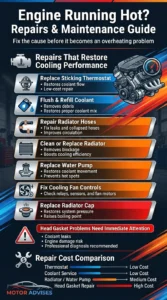
- Replace a sticking thermostat
- Cost-effective and often decisive.
- Flush and refill coolant
- Removes debris and restores correct mix.
- Repair or replace radiator hoses
- Burst or collapsed hoses reduce flow.
- Clean or replace the radiator
- A clogged core reduces cooling efficiency.
- Replace the water pump when worn
- A failing pump will not sustain proper flow.
- Check and fix fan control components
- Replace relays, sensors, or fans as needed.
- Replace the radiator cap
- A bad cap lowers system pressure and boiling point.
- Test and repair head gasket issues
- Small leaks require prompt attention to avoid engine damage.
Estimated cost ranges vary by model and labor rates. A thermostat swap is often low cost. Radiator or pump jobs are mid-range. Head gasket repairs are high cost and need professional work.
When to seek professional help for an engine running hot but not overheating
Some signs mean you should visit a mechanic right away.
- Persistent or worsening temperature rise
- If temps continue to climb despite checks, get professional diagnostics.
- White exhaust smoke or milky oil
- These are clues of coolant mixing with oil or combustion gases entering the coolant.
- Rapid coolant loss with no visible leak
- Internal leaks may be present.
- Multiple system failures
- If fans, pump, and thermostat all show issues, a trained technician can test system pressure and engine health.
Don’t delay if you see these signs. Early professional work can save you from costly engine damage.
Quick PAA-style questions
Q: Can low coolant make the engine run hot but not overheat?
A: Yes. Low coolant reduces cooling capacity and raises temperature, often without crossing the red line.
Q: Will a bad thermostat cause high normal temps?
A: Yes. A thermostat that opens late limits coolant flow and can keep the engine in a hotter range.
Q: Is it safe to drive when the engine is running hot but not overheating?
A: Short, cautious drives are possible, but reduce load and monitor temps. Get the issue checked soon.
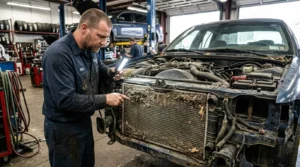
Frequently Asked Questions of engine running hot but not overheating
What does it mean when the engine running hot but not overheating?
It means the engine temperature is above normal but stays below the critical threshold. It usually points to reduced cooling efficiency rather than an immediate failure.
How long can I drive if my engine is running hot but not overheating?
Keep drives short and slow. Avoid heavy loads. Get the cooling system checked within a day or two to prevent escalation.
Can air pockets cause an engine to run hot but not overheat?
Yes. Air in the cooling system reduces coolant flow and creates hot spots while the overall temperature may stay below the overheating point.
Will replacing the thermostat fix this issue?
Often it will. A sticking thermostat is a common cause and replacing it is a low-cost, effective fix in many cases.
How does a weak water pump affect temperature?
A weak pump moves less coolant. That lowers heat transfer and raises engine temperature without an immediate overheating event.
Conclusion
Engine running hot but not overheating is a warning. It shows something in the cooling system is underperforming. Start with simple checks: coolant level, thermostat, hoses, and fan. Use gentle driving and the heater to reduce temps until you can inspect. From my hands-on work, many of these issues are fixable with basic parts and simple tools. Act quickly to avoid bigger problems.
Take one step today: check your coolant level and watch the gauge on your next drive. If you found this useful, leave a comment, share your story, or subscribe for more simple car care tips.