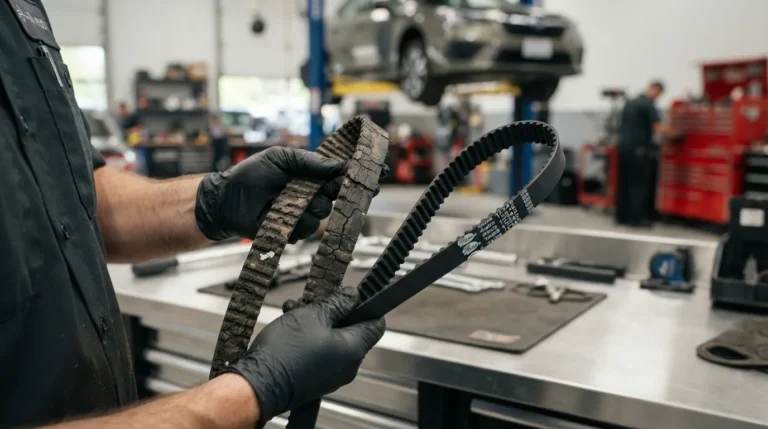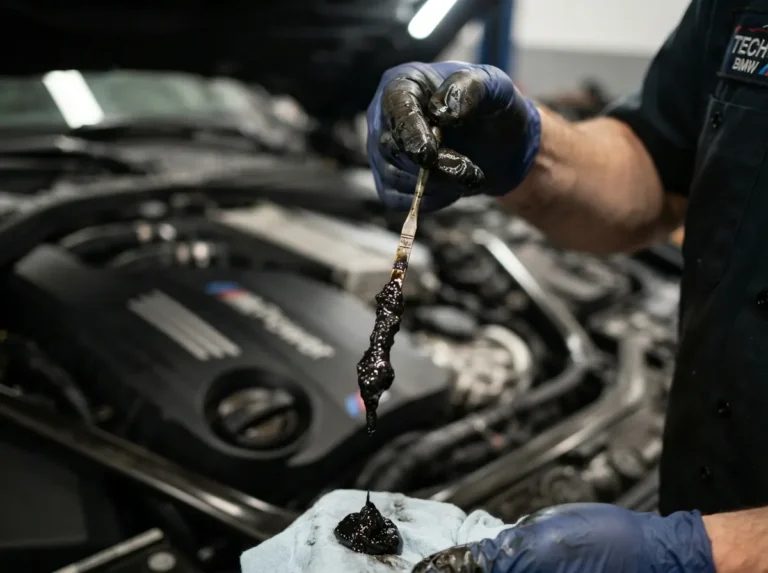
Engine knocking often comes from low octane fuel, lean mixtures, wrong timing, or carbon.
If the pinging under your hood has you worried, you are in the right place. I have spent years diagnosing noisy engines, and I know how fast a light rattle can become a big bill. This guide breaks down engine knocking causes with clear steps, real examples, and fixes you can trust. Keep reading to understand engine knocking causes, avoid damage, and drive with peace of mind.
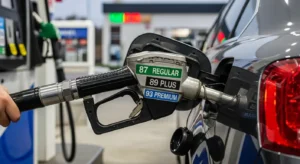
What Is Engine Knock and Why It Matters
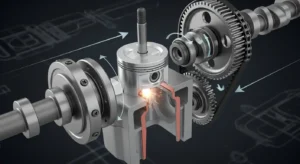
Engine knock is an abnormal combustion event. The air and fuel should burn smoothly after the spark. With knock, pockets of mixture explode on their own. This creates a sharp ping or rattle, often under load or uphill.
You may hear it during hard acceleration. You may feel a loss of power. If it is severe or frequent, it can damage pistons, rings, and bearings. Catching it early is key.
Knock is not the same as pre-ignition, which starts before the spark due to a hot spot. Both sound harsh and both are risky. But the root fixes can differ, so a good diagnosis matters.
The Main Engine Knocking Causes
Engine knocking causes tend to fall into a few buckets. Focus on the ones that match when and how your knock happens.
- Low octane fuel
Lower octane resists knock less. If your engine needs premium and you use regular, it may ping. Old or poor-quality fuel can also raise knock risk. - Lean air-fuel mixture
Too much air or too little fuel makes the burn hot and fast. This can happen from vacuum leaks, a dirty MAF, a weak fuel pump, a clogged filter, or dirty injectors. Check fuel trims for a lean trend. - Incorrect ignition timing or knock control faults
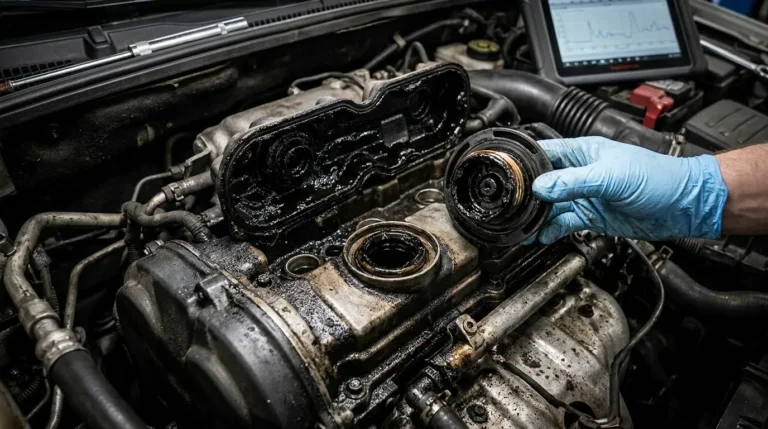
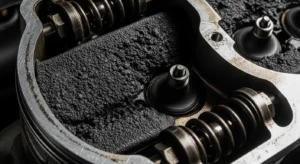
Timing that is too advanced raises pressure and heat. A lazy or failed knock sensor, wiring faults, or ECU issues can stop the system from pulling timing. Older engines with adjustable distributors can drift. - Carbon buildup in the combustion chamber
Carbon raises compression and creates hot spots. That leads to detonation under load. Direct-injection engines often build carbon on valves and chambers. - Engine overheating or hot intake air
High coolant temps, a stuck thermostat, or low coolant can raise knock chance. A heat-soaked intake or a bad IAT sensor can do the same. - Spark plugs with wrong heat range or worn electrodes
Plugs that run too hot can trigger pre-ignition. Worn plugs can misfire and cause unstable burn. Use the exact spec for your engine. - EGR system problems
A stuck or disabled EGR can raise combustion temps. This makes knock more likely at cruise or light load. - High boost or high compression stress
Turbo and supercharged engines push cylinder pressure. Bad tunes, low octane, or high intake temps can tip them into knock fast. Aggressive aftermarket maps raise risk. - Low engine oil or wrong viscosity
Low oil raises engine temps and can cause mechanical noise. Thin or old oil can also raise LSPI risk in some turbo DI engines at low speed and high load. - Software or calibration issues
Aftermarket tunes may run more timing than your fuel can support. Factory updates can also change spark and fueling maps. A bad flash can cause ping.
Noises That Sound Like Knock but Are Not
Some clicks and taps are not combustion knock. They still matter.
- Piston slap
A hollow knock at cold start that softens warm. Common on high-mile engines. - Rod knock or main bearing knock
Deep and heavy under load. This is serious and needs fast action. - Lifter tick or injector tick
Fast, light clicking. Often normal, but can mask other noises.
Engine knocking causes can hide behind these sounds. Use careful checks to tell them apart.
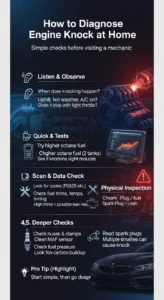
How to Diagnose Engine Knock at Home
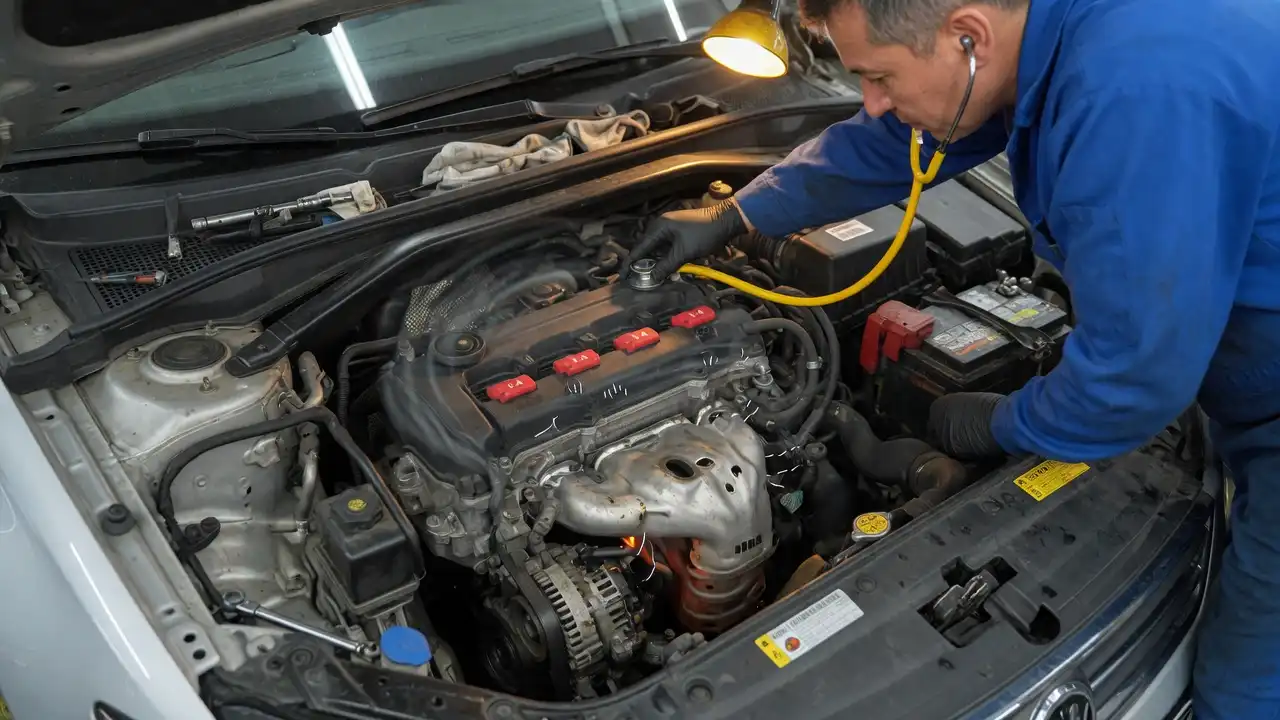
You can narrow down engine knocking causes with simple steps. Take notes on when the sound happens.
- Listen and log conditions
Does it ping only uphill, in hot weather, or with the A/C on? Does it stop with lighter throttle? - Try better fuel
Run two tanks of fresh Top Tier premium. If the ping fades, fuel quality or octane is part of the issue. - Scan for codes and data
Use an OBD-II scanner. Look for knock sensor codes like P0325. Check fuel trims, intake air temp, coolant temp, and ignition advance. High positive trims hint at a lean mix. - Inspect the intake and sensors
Look for cracked hoses and loose clamps. Clean the MAF with the right cleaner. Check the air filter. - Check spark plugs
Pull a plug and read it. White, blistered tips hint at heat or lean mix. Replace if worn and match the heat range. - Test fuel delivery
Check fuel pressure if you can. A weak pump or clogged filter can starve the engine. - Look for carbon
A borescope shows buildup. If you cannot, consider safe top-end cleaning or pro walnut blasting on DI engines.
A quick story from my bay: a 2010 Accord came in with light ping under load. No codes. Fuel trims were a bit lean. The MAF was dusty, and the air filter was old. A careful MAF clean, new filter, and one tank of premium fixed it. Not all engine knocking causes are complex. Start simple.
Fixes for Common Engine Knocking Causes
Match the fix to the cause to avoid guesswork and cost.
- Fuel and octane
Use the octane the manual calls for. If knock persists, try a higher octane for diagnosis. Do not rely on cheap additives long term. - Air and fuel mix
Fix vacuum leaks. Clean or replace the MAF and MAP as needed. Replace a clogged filter and service injectors. Verify fuel pressure and pump health. - Ignition timing and knock control
Replace a failed knock sensor with an OEM-quality part. On older engines, set base timing to spec. Update ECU software if a TSB exists. - Carbon cleanup
Use a trusted intake cleaner as directed. For DI engines, consider walnut blasting. Avoid harsh methods that can harm O2 sensors and cats. - Cooling and intake temps
Service the cooling system. Replace a stuck thermostat and weak radiator cap. Make sure fans and shrouds work. Improve heat shielding if needed. - Spark plugs
Install the exact spec and gap. Use the correct heat range. Replace coils if misfire history exists. - Boosted engines
Reduce boost or add octane. Improve intercooling. Work with a pro tuner. Aggressive timing on pump gas is a recipe for knock. - Oil and LSPI
Use the oil grade the maker calls for. For small turbo DI engines, use oil meeting modern specs that address LSPI. Avoid lugging in high gears at low rpm.
Typical costs vary:
- Spark plugs and a MAF clean: low.
- Knock sensor or fuel pump: moderate.
- Walnut blasting or injector service: moderate to high.
- Engine repairs from severe knock damage: very high.
Engine knocking causes respond well when you act early. Waiting can turn a $50 fix into a $5,000 rebuild.
Prevention, Driving Habits, and Maintenance
Stopping knock is easier than fixing damage. Build good habits.
- Buy Top Tier fuel and match octane to your engine.
- Do not lug the engine. Downshift instead of flooring it at low rpm.
- Keep the cooling system fresh. Watch temps in summer and when towing.
- Replace air filters on time. Clean the MAF with the right spray.
- Keep software stock unless a pro tuner manages fuel, boost, and timing.
- Use the right oil. Change it on time. Short trips can dilute oil and raise risk.
- For DI engines, plan periodic carbon service based on mileage and driving pattern.
Engine knocking causes often stack. Good fuel, clean air, and the right oil remove most of them.

Costs, Risks, and When to Stop Driving
A light ping under heavy load is a warning. Constant, loud knock is dangerous. Stop hard driving at once and seek help.
- Short-term risks
Higher heat and pressure that can chip piston crowns. Power loss and higher emissions. - Long-term risks
Broken ring lands, damaged bearings, and holes in pistons. Catalyst damage from misfires and heavy fuel use. - When to tow
If the knock is loud at light throttle, if the check engine light flashes, or if power drops a lot, stop. Towing is cheaper than a new engine.
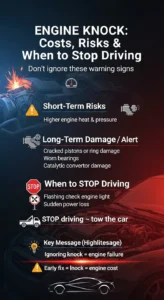
Act fast. Most engine knocking causes are fixable when caught early.
Data and Evidence
Modern research and factory data agree on key points. Knock comes from end-gas auto-ignition when pressure, heat, and time cross a limit. Higher octane fuel resists this by slowing that reaction. Ethanol blends add knock resistance and cool the charge.
Turbo direct-injection engines face LSPI at low speed and high load. The right oil and smart driving cut that risk. EGR and proper spark timing lower peak temps and help avoid knock. High compression and hot intake air do the opposite.
These facts guide smart repairs and help you choose the best fixes for engine knocking causes.
Frequently Asked Questions of engine knocking causes
What does engine knock sound like?
It sounds like a sharp metallic ping, rattle, or clatter. You often hear it under load, uphill, or in hot weather.
Can engine knock go away on its own?
Sometimes it fades with fresh premium fuel or cooler air. But if an underlying issue exists, it will return until you fix the root cause.
Is it safe to drive with engine knock?
Light, occasional ping is a warning to ease off and check fuel quality. Loud or frequent knock can destroy the engine, so get it checked fast.
Will a fuel additive fix engine knock?
Octane boosters can help diagnose an octane issue. They do not fix vacuum leaks, bad sensors, carbon buildup, or wrong timing.
How do I know if it is knock or a mechanical noise?
Knock tracks load and often rises with throttle. Deep, steady clunks at idle may be bearings or piston slap, which need a different repair path.
Do dirty injectors cause engine knock?
Yes, dirty injectors can lean out a cylinder and cause hot spots. Cleaning or replacing them often helps.
Can wrong spark plugs cause engine knock?
Yes, plugs with the wrong heat range or worn tips can start pre-ignition. Always use the exact spec for your car.
Conclusion
A quiet, smooth engine is not luck. It is the result of good fuel, clean air, the right timing, and steady care. Now that you know the main engine knocking causes and how to test them, take small steps today. Use the right octane, scan for clues, fix simple leaks, and keep your cooling and ignition in shape.
Your next drive can be calm and confident. If you found this helpful, share it with a friend, subscribe for more practical car care guides, or leave a question and I will help you sort it out.