Keep it clean, updated, and regularly checked to prevent failures and ensure safe steering.
I’ve worked on dozens of cars with electric power steering systems, and I’ll walk you through how to maintain electric power steering so it stays reliable and responsive. This guide explains what EPS is, why it needs care, simple checks you can do, step‑by‑step maintenance tasks, common failures, and when to call a pro. Read on for practical tips, real-world experience, and an easy maintenance plan you can follow today.
How electric power steering works
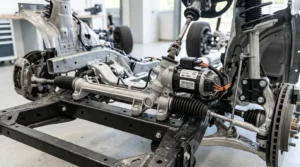
Electric power steering, often called EPS, uses an electric motor, sensors, and a control unit to help you turn the wheel. Unlike hydraulic systems, EPS has no power steering fluid. The steering effort is reduced by the motor based on vehicle speed and input from torque sensors.
Knowing how to maintain electric power steering starts with understanding parts. Key parts include the electric assistance motor, steering rack or column, torque sensor, wiring harness, connector plugs, and the electronic control unit. The motor and control unit do most of the work. Sensors tell the control unit how much help is needed. When any of these fail, steering feel changes and warning lights may appear.
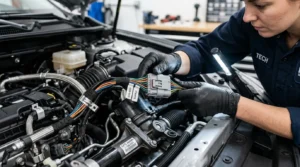
Why maintenance matters for electric power steering
A well‑maintained EPS improves safety and saves money. Faults can cause heavy steering, loss of assistance, or intermittent behavior, which are safety risks. Many EPS failures begin as simple electrical or mechanical issues that grow worse if ignored.
Regular maintenance prevents sudden failure on the road. It keeps steering predictable and reduces wear on tires and suspension. In my own shop, routine electrical checks caught two failing control modules before they locked out assistance. That saved the owners from a costly tow and a stressful roadside failure.
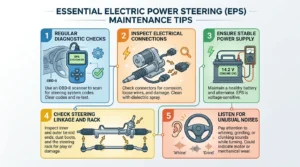
Routine maintenance checklist for electric power steering
Follow this checklist monthly, every 6 months, or at recommended service intervals to keep EPS healthy.
- Visual inspection of wiring and connectors. Look for frays, corrosion, or loose plugs near the steering column and under the hood.
- Check for unusual steering play or noise. Light clunks or extra free play can signal worn parts.
- Scan for fault codes. Use an OBD2 scanner that reads steering module codes and freeze frame data.
- Check wheel alignment and tire wear. Misalignment adds strain to the steering system.
- Inspect mounting bolts. Ensure motor and rack mounts are tight and not rusted or loose.
- Test battery and charging system. Low voltage or a weak alternator affects EPS electronics.
These checks are simple. They catch most problems early and help you act before repair costs rise.
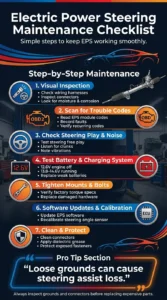
Step-by-step maintenance procedures
Here are practical tasks you can do at home or have done during routine service. Each step helps you learn how to maintain electric power steering clearly.
- Visual and physical checks
- Park on level ground and turn off the engine.
- Inspect wiring harnesses around the steering column and under the dash.
- Check connectors for moisture and corrosion. Clean contacts gently if needed.
- Scan for trouble codes
- Connect a compatible OBD2 scanner and read EPS or steering module codes.
- Record any stored faults and clear them only after repairs. Note repeated codes.
- Check steering play and noise
- With the car off, move the wheel gently left and right. Note free play before rack movement.
- Drive slowly and listen for clunks during low‑speed turns. Record vibrations or roughness.
- Test battery/charging health
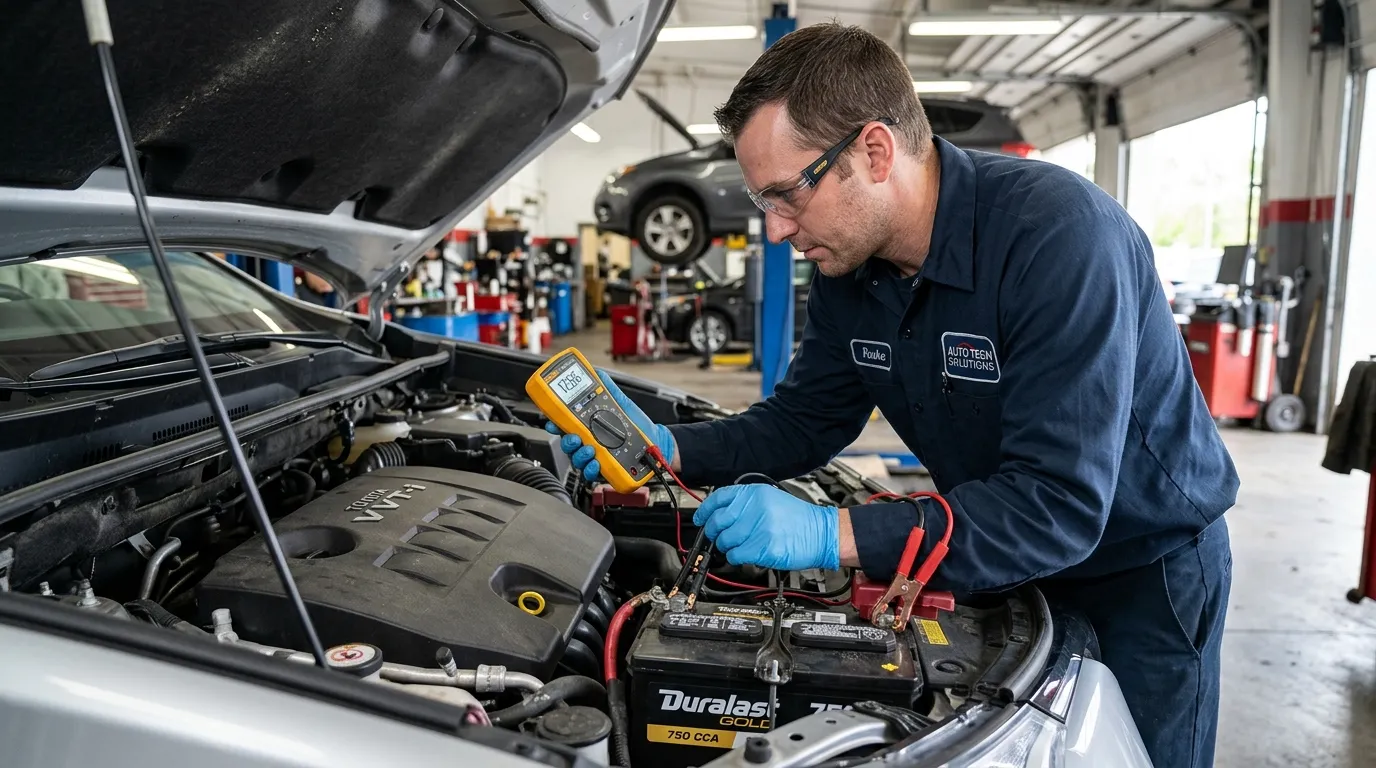
- Measure resting voltage and running voltage. A healthy system shows about 12.6V at rest and 13.8–14.6V while running.
- Replace a weak battery to prevent EPS control faults.
- Tighten mounts and bolts
- Use a torque wrench to check motor and rack mount bolts to factory specs.
- Replace any damaged mounting hardware.
- Update software and recalibration
- Some EPS faults clear only after ECU updates or steering angle sensor recalibration.
- Use dealer or professional tools to apply updates and perform calibration.
- Clean and protect
- Keep connectors dry with dielectric grease after cleaning.
- Apply light corrosion protection to exposed metal fasteners.
I once missed a loose ground connection and the car showed intermittent steering assist loss. After tightening and cleaning the ground, the fault cleared and the steering felt normal again. Small fixes often solve big symptoms.
Common issues, causes, and fixes
Recognizing symptoms speeds repair. Below are common problems and practical responses.
- Symptom: Sudden loss of power assist
- Cause: Electrical fault, failing motor, or depleted battery.
- Fix: Scan codes, test battery and alternator, check wiring, then replace failing module or motor if needed.
- Symptom: Steering is heavy at low speed
- Cause: Motor underperforming, sensor drift, or calibration needed.
- Fix: Recalibrate sensors, check motor current draw, and update ECU software.
- Symptom: Warning light on dashboard (EPS or ASC)
- Cause: Stored fault in steering module.
- Fix: Read codes to find fault and address the specific component.
- Symptom: Vibrations or clunking when turning
- Cause: Worn tie rods, loose mounts, or rack issues.
- Fix: Inspect suspension, tighten mounts, replace worn mechanical parts.
- Symptom: Intermittent or jerky assist
- Cause: Loose connectors, bad grounds, or thermal faults in the motor.
- Fix: Secure wiring, clean grounds, and test under load.
Simple electrical checks and mechanical inspections catch many of these early. If you see recurring faults after fixes, a professional diagnostic is recommended.
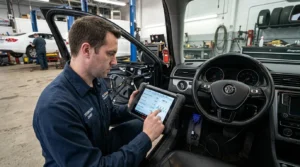
Tools and parts you’ll need
Keeping the right tools helps you maintain EPS safely and easily. Here are common tools and replacement parts to have on hand.
- OBD2 scanner with steering module support
- Multimeter for voltage and continuity checks
- Torque wrench for mount bolts
- Dielectric grease and contact cleaner
- Basic hand tools: sockets, screwdrivers, pliers
- Replacement connectors or terminal kits
- Battery tester or charger
- Vehicle service manual or repair data for torque specs and calibration steps
Having these items saves time. For software updates or steering angle sensor calibration, dealer-level tools may be required.
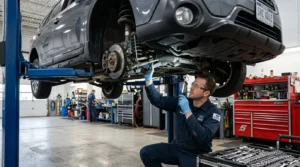
When to seek professional help
Some jobs are best left to trained technicians. Seek professional help if any of these are true.
- The EPS warning light stays on after basic checks.
- You find stored fault codes that need advanced diagnosis.
- Steering feels unsafe, erratic, or suddenly heavy during normal driving.
- The motor or control unit needs replacement or reprogramming.
- Calibration or software updates are required and dealer tools are listed in service instructions.
Professionals can run live data checks, perform ECU reprogramming, and do safe repairs that require vehicle lifts or specialized tools. If you’re unsure, err on the side of safety.
Maintenance schedule and practical tips
A simple plan makes maintenance easy. Here’s a schedule and tips for long life.
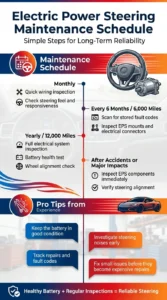
- Monthly
- Quick visual check of wiring and steering feel.
- Every 6 months or 6,000 miles
- Scan for stored codes and inspect mounts and connectors.
- Yearly or 12,000 miles
- Do a full electrical check, battery test, and alignment check.
- After major impacts or accidents
- Inspect EPS components and alignment immediately.
Practical tips from my experience
- Keep battery health strong. Weak batteries trigger strange EPS faults.
- Address steering noise quickly. Small clunks can mean worn tie rods that stress EPS.
- Log faults and repairs. A repair history helps pros diagnose intermittent issues faster.
These steps show how to maintain electric power steering in a way that avoids surprises and keeps driving safe.
Frequently Asked Questions of how to maintain electric power steering
How often should I inspect my electric power steering system?
Inspect visually every month and scan for codes every six months or with routine service. More frequent checks are wise if you notice odd steering feel or warning lights.
Does electric power steering need fluid changes?
No. Most electric power steering systems do not use hydraulic fluid. Maintenance focuses on electrical checks, mounts, and calibration instead.
Can I drive with an EPS warning light on?
It is not recommended. You may still have some steering, but assistance can fail suddenly. Get the system checked promptly.
Will a dead battery cause steering problems?
Yes. Low battery voltage can trigger EPS faults and reduce assistance. Test and replace weak batteries to avoid issues.
Is EPS repair expensive?
Costs vary. Small fixes like wiring repair are inexpensive. Motor or control unit replacement and reprogramming can be costly. Regular maintenance keeps costs down.
Do I need special tools to maintain EPS?
Basic checks use a multimeter, OBD2 scanner, and hand tools. Reprogramming or calibration may require dealer-grade tools.
Conclusion
Keeping your steering reliable is simple when you know how to maintain electric power steering. Do regular visual checks, scan for codes, keep the battery healthy, tighten mounts, and get professional help for ECU work or complicated faults. Small, regular steps prevent big problems and keep your car safe.
Take action this week: do a quick visual check, test your battery, and scan for any stored codes. If you found anything odd, schedule a professional inspection or leave a comment with your symptom for more help.