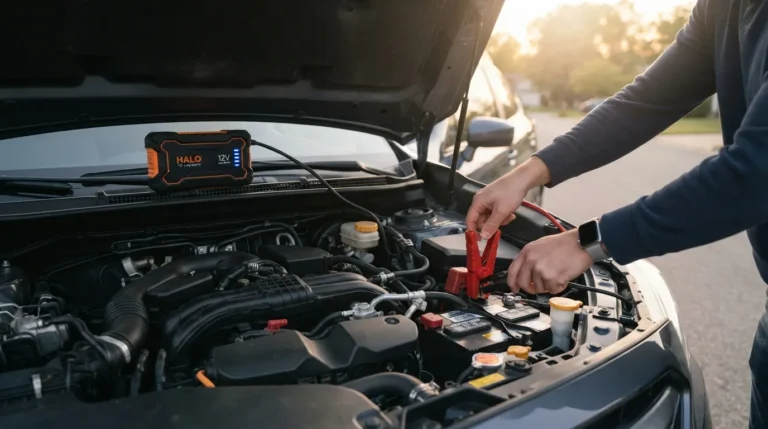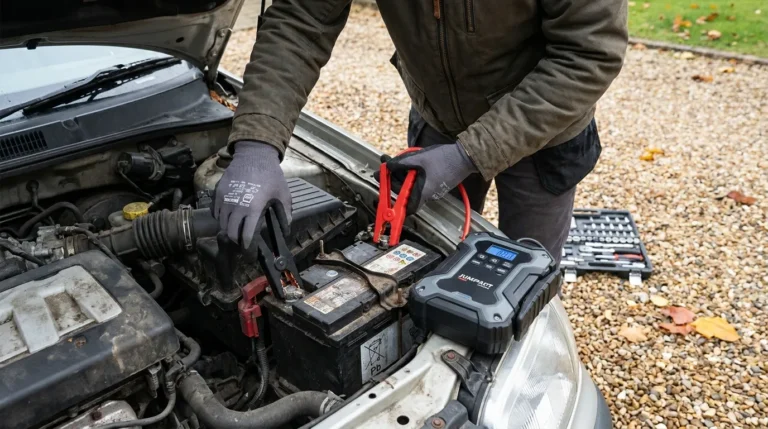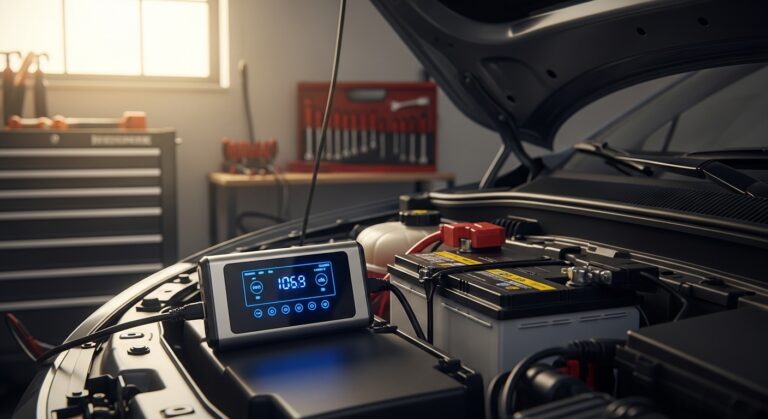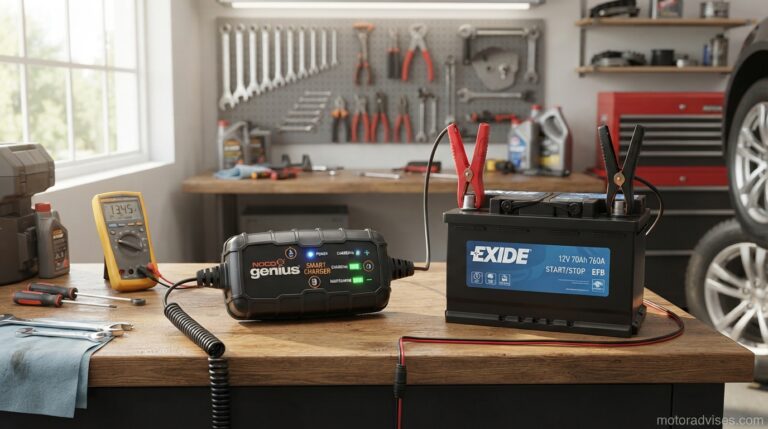
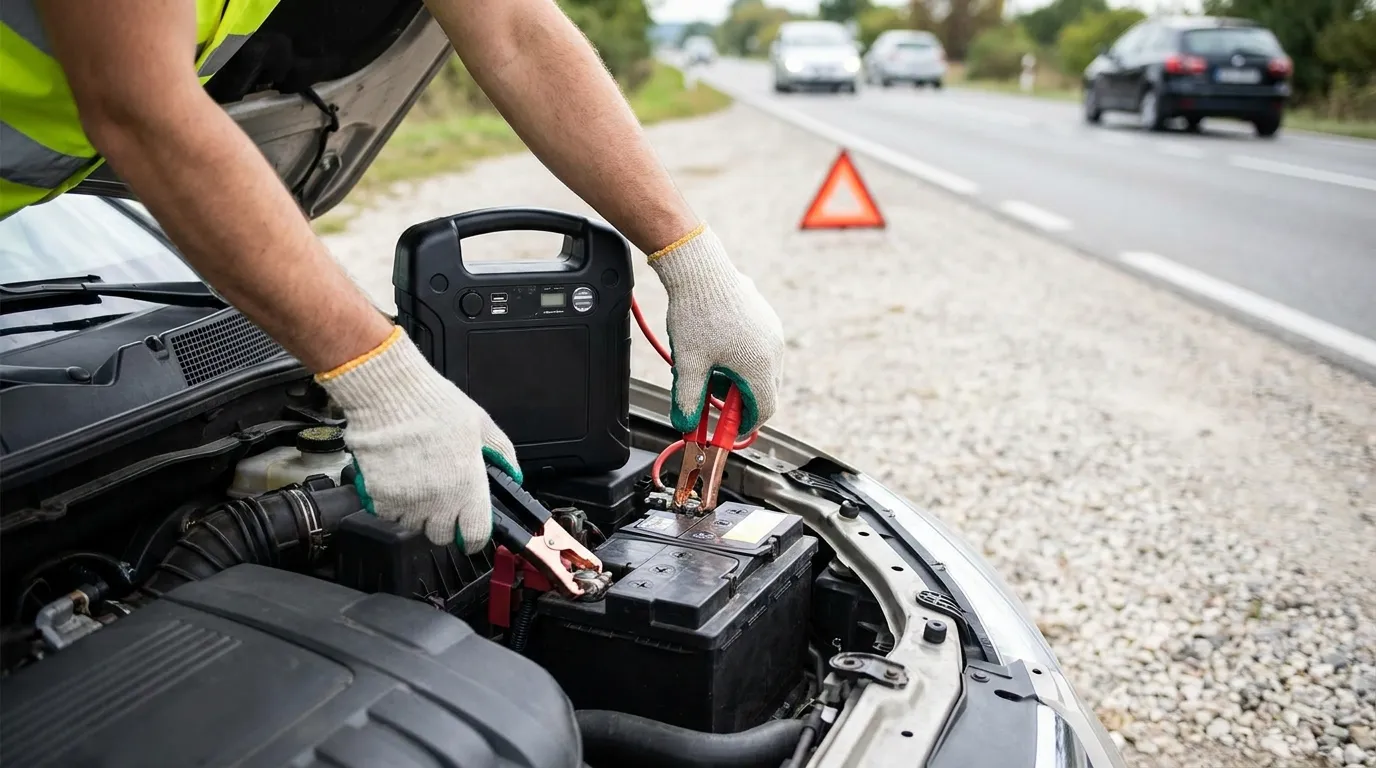
Connect the positive clamp, then negative clamp, turn on the jump starter, and start the car.
I’ve spent years helping drivers get back on the road and teaching roadside safety. This guide on how to use jump starter walks you through clear, safe steps, explains different jump starter types, covers common problems, and shares hands-on tips I learned from real roadside rescues. Read on to learn practical, trustworthy advice so you can confidently use a jump starter when your car battery dies.
What is a jump starter and why it matters
A jump starter is a portable battery pack designed to start a vehicle with a dead battery. It replaces the need for another car and jumper cables. Knowing how to use jump starter helps you avoid long waits and unsafe roadside situations.
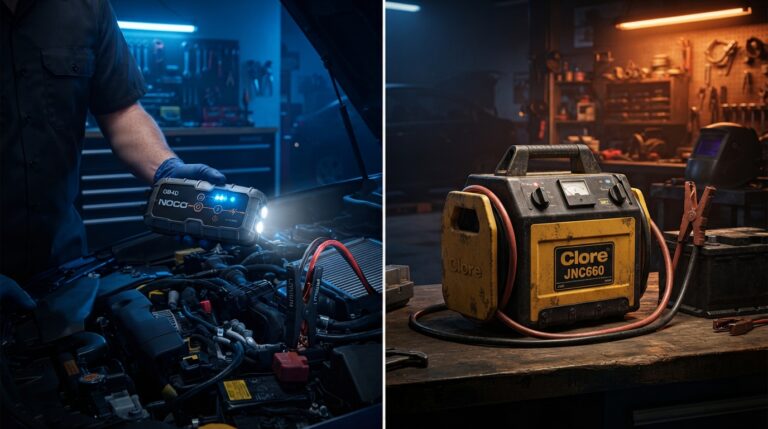
Benefits include fast starts, compact size, and multi-use features like USB charging. Types range from small lithium packs to heavy-duty boosters for trucks. Learn how to use jump starter to match the right tool to your vehicle and needs.
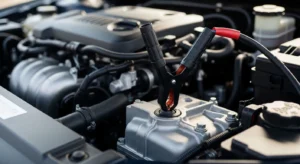
Safety first: rules before you start
Safety matters when learning how to use jump starter. Follow these simple rules to reduce risk.
- Check the user manual for your jump starter and vehicle.
- Wear eye protection and gloves if available.
- Ensure both vehicles or the jump starter and vehicle are off before connecting.
- Keep sparks away from the battery vent area; do not lean over the battery.
- Avoid metal jewelry or tools touching both terminals.
When you know how to use jump starter safely, you protect yourself and your car. If you ever feel unsure, call roadside assistance.
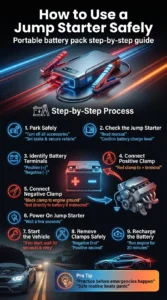
Step-by-step: how to use jump starter (portable battery pack)
This is the most common method for modern drivers. Follow these steps to safely start most cars.
- Park safely and turn off everything in the car.
- Read the jump starter manual. Confirm charge level.
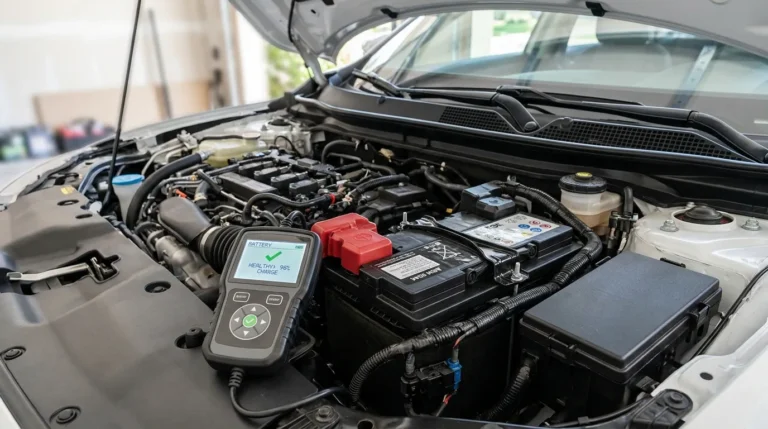
- Identify battery terminals: positive (+) and negative (−).
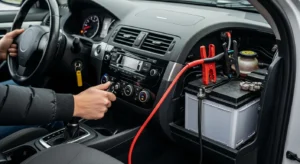
- Connect the positive clamp to the positive terminal.
- Connect the negative clamp to a metal ground on the engine block, not the battery, if instructed.
- Power on the jump starter. Wait a few seconds.
- Start the car. If it doesn’t start, wait 30 seconds and try again.
- Once running, turn off the jump starter and remove clamps in reverse order: negative first, then positive.
- Let the car run for at least 20 minutes to recharge the battery.
Practice these steps to make how to use jump starter second nature. Short, safe practice beats panic.
How to use jump starter with a booster pack and another vehicle
If you use a booster pack with jumper cables and another vehicle, the steps differ slightly. Here’s a clear checklist.
- Park both cars close but not touching, engines off and parking brakes on.
- Locate both batteries and confirm terminals.
- Connect red clamp to the dead battery positive, then red to the good battery positive.
- Connect black clamp to the good battery negative, then black to a metal ground on the dead car.
- Start the working car and let it run for a few minutes.
- Try to start the dead car. If it starts, remove clamps in reverse order.
- Keep the revived car running to charge the battery.
Understanding how to use jump starter with another car helps in older vehicles or when portable packs are low.
Tips for different vehicle types and conditions
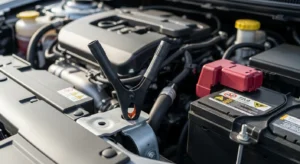
Cars, trucks, motorcycles and diesel vehicles have different needs. Here are quick tips to use a jump starter correctly.
- Small cars: Most compact jump starters work fine.
- Trucks and diesel: Use a high-capacity booster rated for your engine size.
- Motorcycles: Use a small, lightweight lithium pack and avoid over-cranking.
- Extreme cold: Batteries lose power; warm the battery if possible.
- Hybrid cars: Check the owner manual; many hybrids need dealer service.
Learning how to use jump starter across vehicle types saves time and keeps you safe.
Troubleshooting common problems
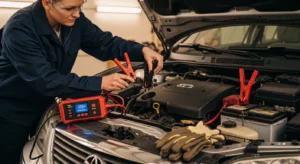
If the car won’t start, stay calm. Try these checks to solve common issues after learning how to use jump starter.
- No power from jump starter: Charge the pack and recheck connections.
- Clicking sound when starting: Battery may be too weak or corroded; try another attempt after a rest.
- Engine starts then dies: Alternator or battery could be failing; get the car tested.
- Sparks when connecting: Clamp placement incorrect or insulation damaged—stop and inspect.
These tips come from hands-on use. Knowing how to use jump starter includes knowing when to stop and call a pro.
Maintenance and storage for reliable use
Keep your jump starter ready. Good care extends its life and ensures you know how to use jump starter when needed.
- Charge the unit after use and every 3 months.
- Store in a dry, cool place away from extremes.
- Inspect cables for wear and clamps for corrosion.
- Replace batteries or units past their warranty or if capacity drops.
- Keep the manual and a set of gloves in the case.
Regular checks mean your jump starter works when you need it most.

Source: popularmechanics.com
My experience: lessons learned on the roadside
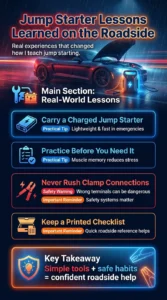
I’ve helped friends and strangers start cars on rainy nights and cold mornings. Here are lessons I learned that changed how I teach how to use jump starter.
- Always carry a small, charged lithium jump starter. It’s light and works fast.
- Practice the steps at home once. Muscle memory helps during stress.
- Never rush clamp connections. I once mixed up terminals and made a mess. Safety saved the day.
- Keep a printed checklist in your glove box for quick reference.
These real moments taught me to keep tools simple and prioritize safety and clarity.
Quick PAA-style questions
How long should a jump starter be connected?
Connect only long enough to start the engine, usually a few seconds to a minute; once running, turn off the jump starter and remove clamps.
Can a jump starter damage my car?
If used correctly, modern jump starters pose minimal risk; incorrect clamp placement or damaged equipment can cause harm.
How often should I charge my jump starter?
Charge the pack after use and top it up every 3 months to maintain readiness.
Frequently Asked Questions of how to use jump starter
What is the first clamp I attach when using a jump starter?
Attach the positive clamp to the positive battery terminal first. Then attach the negative clamp to a grounded metal point.
Can I use any jump starter on my car?
Use a jump starter rated for your vehicle’s engine size. Small packs suit compact cars; heavy-duty packs suit trucks and diesel engines.
How long should I let the car run after jump starting?
Let the car run for at least 20 minutes to allow the alternator to recharge the battery.
Is it safe to jump start a hybrid or electric vehicle?
Many hybrids and EVs have special procedures; check the owner manual. Some require professional service.
What if the car still won’t start after using a jump starter?
If it won’t start after a few tries, the battery may be damaged or the alternator failing. Call a mechanic or roadside service.
Can I keep the jump starter connected while driving?
No. Turn off and disconnect the jump starter once the engine is running to avoid damage to the pack.
How long do jump starters last?
Lifespan varies by type; lithium packs last longer but check the manufacturer’s specs and test capacity yearly.
Conclusion
You can learn how to use jump starter quickly and safely by following clear steps, practicing at home, and maintaining your equipment. Keep a charged, appropriate jump starter in your car, follow safety rules, and know when to call for help. Try the steps once in a calm setting, then you’ll handle a dead battery with confidence. Leave a comment with your jump starter story, subscribe for more car tips, or share this guide with someone who might need it.