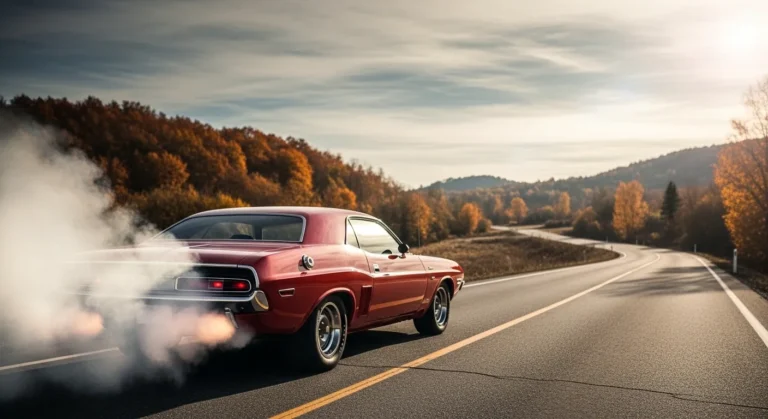
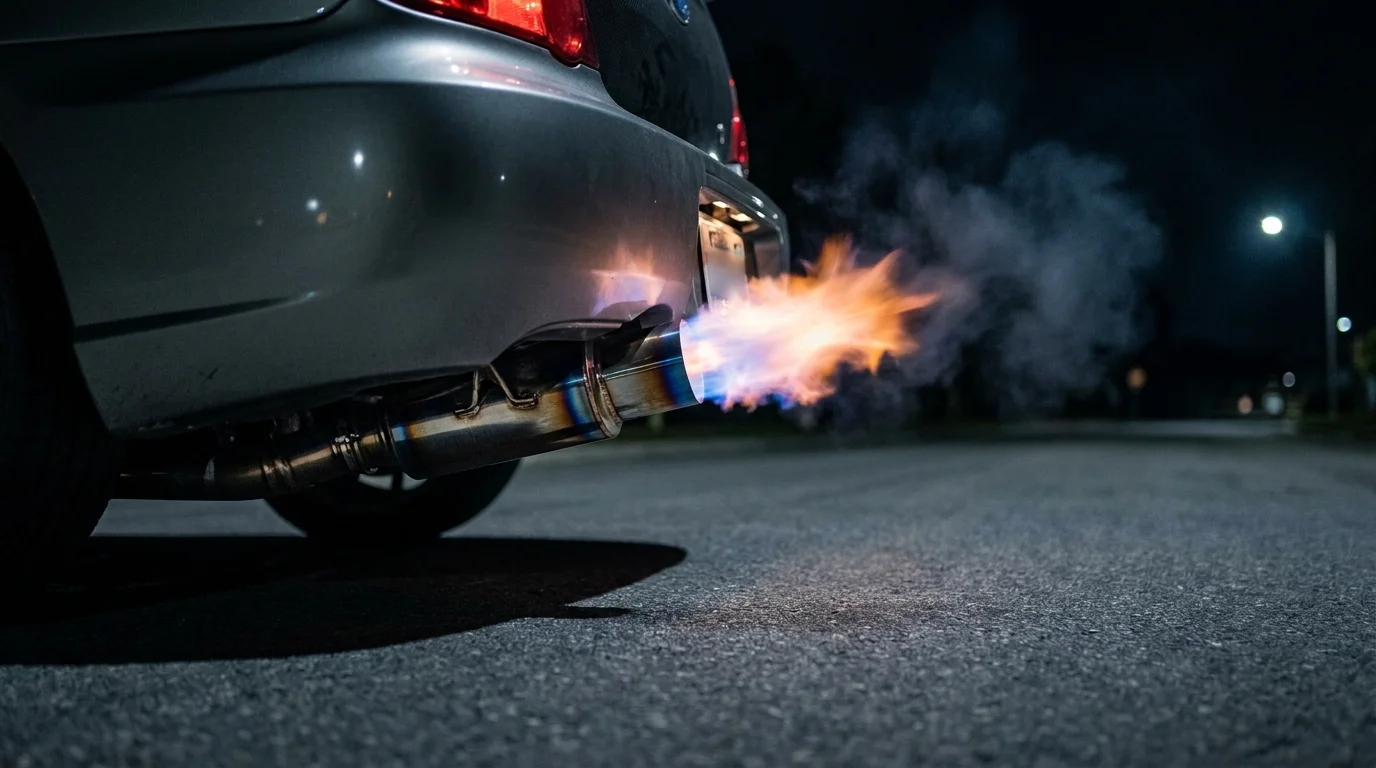
Backfires happen when unburned fuel ignites in the intake or exhaust system.
I have spent years diagnosing and fixing engine noises, and I know how unsettling a backfire can feel. This article dives deep into car backfire causes with clear explanations, practical checks, and real-world tips. You will learn why backfires happen, how to find the source, and what to do next. Read on to get confident about diagnosing and preventing backfires in your vehicle.
What a backfire really is and why it matters
A backfire is a loud pop or bang from the engine, intake, or exhaust caused by fuel igniting where it should not. It can happen on acceleration, deceleration, or at idle. Backfires are not just noisy. They signal inefficiency and can harm components over time.
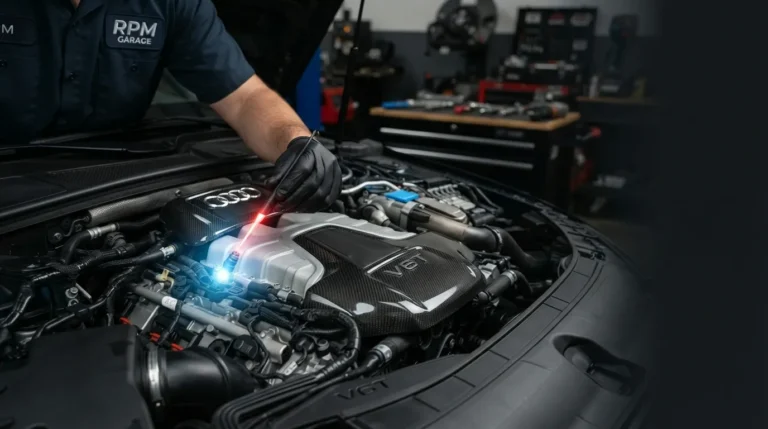
Common car backfire causes include timing issues, fuel mixture problems, ignition faults, and exhaust leaks. Each cause needs a different fix. Understanding the root helps you avoid costly repairs and keeps your car safe on the road.
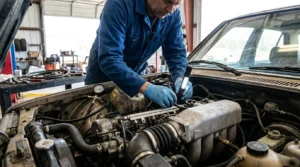
Common mechanical causes
Mechanical faults are a frequent source of car backfire causes. These are hands-on issues you can inspect or have a mechanic check.
- Bad ignition timing
- If timing is too advanced or too retarded, combustion can occur at the wrong moment. This leads to backfires on acceleration.
- Worn or damaged valves
- Valves that leak let combustion gases escape into areas where they can ignite again.
- Broken or weak valve springs
- These cause misfires and inconsistent combustion pressure that can create backfires.
- Faulty camshaft or timing belt/chain issues
- If the cam and crank are out of sync, the engine runs rough and may backfire.
Fuel and ignition system issues
Fuel and ignition systems control when and how the fuel burns. Problems here are a top cause of car backfire causes.
- Rich fuel mixture
- Too much fuel and not enough air means some fuel stays unburned. That fuel can ignite in the exhaust.
- Lean fuel mixture
- Too little fuel can cause misfires, which in turn lead to popping or backfires.
- Bad spark plugs or wires
- Weak or missing sparks let unburned fuel pass into the exhaust where it can ignite later.
- Faulty fuel injectors
- Leaking injectors or ones that spray unevenly upset combustion balance.
- Ignition coil failures
- Intermittent spark from a failing coil often shows as popping or backfiring.
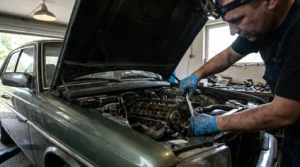
Exhaust and intake related causes
Air paths and exhaust flow matter. Small faults here create big noise and performance hits.
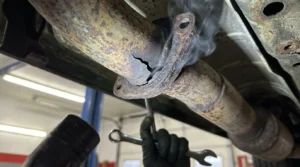
- Exhaust leaks
- Leaks near the header or exhaust manifold let extra oxygen mix with hot gases. That can cause popping or backfires.
- Intake leaks
- Unmetered air changes the fuel-air mix and causes misfires or afterfire.
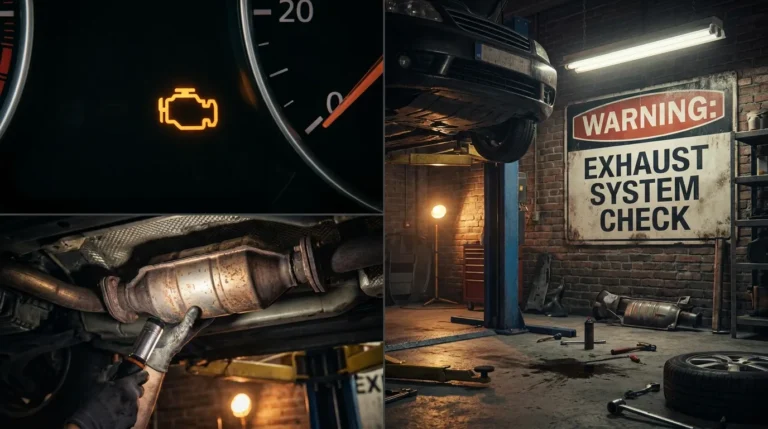
- Catalytic converter problems
- A partially clogged converter can trap unburned fuel and release it in a burst that ignites.
- Modified exhaust or performance tunes
- Aggressive retunes or straight-pipe exhausts can increase backfire frequency if not dialed in.
When backfires happen: timing and conditions
Not all backfires are the same. When they occur helps pinpoint car backfire causes.
- Under load or acceleration
- Often linked to ignition timing or fuel delivery issues.
- During deceleration
- Usually caused by excess fuel or ignition timing set to cause afterfire intentionally in some performance tunes.
- At idle
- May point to vacuum leaks, idle air control faults, or failing sensors.
Source: cbac.com
Diagnosing backfires: steps you can take
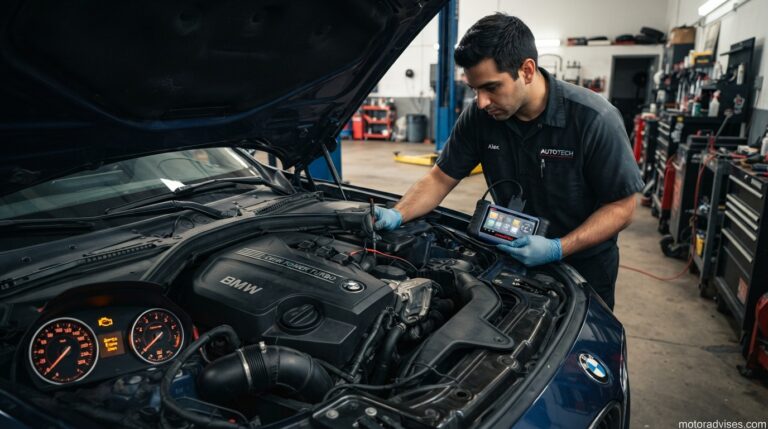
Follow a clear sequence to find the source. I recommend simple checks first, then move to diagnostic tools.
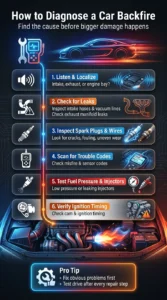
- Listen and localize
- Note whether noise comes from the intake, exhaust, or engine bay.
- Check for obvious leaks
- Inspect exhaust manifold, intake hoses, and vacuum lines.
- Inspect spark plugs and wires
- Look for fouling, cracks, or uneven wear.
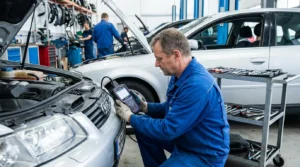
- Scan for codes
- Use an OBD-II reader to find misfire codes or sensor faults.
- Check fuel pressure and injectors
- Low pressure or leaking injectors create mixture issues.
- Verify ignition timing
- Mechanical or cam timing issues require deeper inspection.
These steps cover most car backfire causes. If a clear problem appears, fix it and test drive. If not, consult a qualified technician.
Quick PAA-style questions
Why does my car backfire only when I let off the gas?
Deceleration backfires occur when excess fuel reaches the exhaust and ignites. It often points to a rich mixture, fuel trim issues, or a tuned exhaust map.
Can a vacuum leak cause backfires?
Yes. A vacuum leak adds unmetered air, causing a lean mix and misfires that can result in popping or backfires.
Is a backfire dangerous?
Occasional mild backfires are usually not catastrophic, but repeated backfires can damage the exhaust, catalytic converter, or spark plugs and should be fixed.
Preventive maintenance and fixes
Routine care reduces the chance of backfires. Small habits save money and headaches.
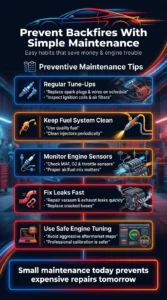
- Regular tune-ups
- Replace spark plugs and wires on schedule. Check ignition coils and filters.
- Keep the fuel system clean
- Use quality fuel and periodic injector cleaning if needed.
- Monitor sensors
- Mass air flow, oxygen sensors, and throttle position sensors affect mix and timing.
- Fix leaks quickly
- Replace cracked hoses and repair exhaust leaks as soon as you spot them.
- Use proper engine tuning
- Avoid aggressive aftermarket maps unless professionally calibrated.
- Avoid aggressive aftermarket maps unless professionally calibrated.
My experience: lessons from the shop
I once diagnosed a car that popped loudly on decel. The owner had recently installed a cheap performance chip. After reverting to stock settings and replacing a fouled spark plug, the backfires stopped. Lesson learned: simple parts and OEM settings often outperform cheap mods. Always check basics first, and document changes so you can reverse them.
When to seek professional help
If you suspect timing chain issues, repeated misfires, or a clogged catalytic converter, see a pro. Complex mechanical faults need tools and experience. A trained technician can perform compression tests, timing checks, and exhaust inspections safely.
Frequently Asked Questions of car backfire causes
What exactly causes a backfire in a car?
A backfire is caused when fuel ignites outside the combustion chamber. This happens because of timing issues, unburned fuel, or leaks that let fuel meet hot exhaust or intake parts.
Can bad fuel cause backfires?
Yes. Contaminated or low-octane fuel can cause poor combustion and misfires, which lead to backfires. Using the right fuel for your engine helps prevent this.
How do I tell if the backfire is from the exhaust or intake?
Listen closely and feel vibrations. A backfire from the intake often sounds sharper and may be accompanied by a puff at the throttle body; exhaust backfires come from the tailpipe or manifold area.
Will a clogged catalytic converter cause popping?
A partially clogged converter can trap unburned fuel and release it in bursts, causing popping or backfire. It can also reduce power and increase exhaust heat.
Can I drive my car if it backfires occasionally?
Occasional backfires are manageable short-term, but you should diagnose the cause soon. Driving long-term with backfires may worsen damage and raise repair costs.
Conclusion
Backfires are noisy warnings. Most car backfire causes trace back to timing, fuel mix, ignition faults, or leaks. Use the diagnostic steps here to find the source, make basic repairs, and seek pros for complex faults. Take action: check plugs, scan for codes, and fix leaks early to avoid bigger repairs. If this guide helped, try the checks and share your results or questions below — I’d love to help you troubleshoot further.