Seasonal car maintenance keeps your vehicle safe, efficient, and reliable all year long.
I have spent over a decade working on cars and advising drivers. I know what seasonal car maintenance means and why it matters. This guide breaks down tasks for spring, summer, fall, and winter. You will get clear steps, checklists, and tips you can use right away. Read on to protect your car, save money, and avoid roadside troubles.
What is seasonal car maintenance and why it matters
Seasonal car maintenance means scheduled checks and tasks based on the time of year. It matches your car to weather and road changes. This routine work keeps systems running well. It prevents big repairs later and helps fuel use. Good seasonal car maintenance also improves safety for you and passengers.
Signs you need seasonal car maintenance
- Cold starts take longer in winter.
- Overheating in summer heat.
- Excessive brake dust after rainy seasons.
- Strange tire wear after road salt use.
Benefits of seasonal car maintenance
- Better fuel economy year round.
- Fewer breakdowns in bad weather.
- Longer life for tires, brakes, and batteries.
- Higher resale value when selling your car.
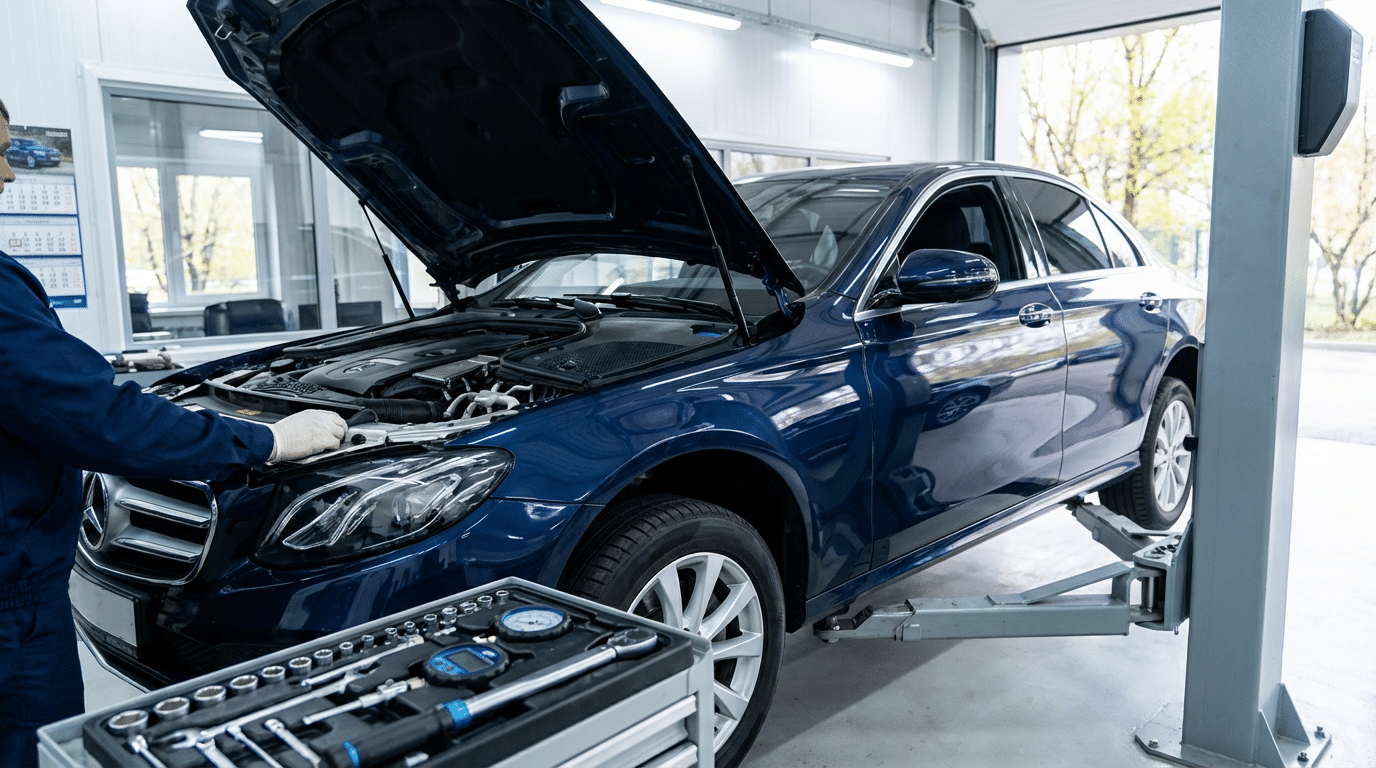
Source: aceautoutah.com
Spring checklist: reset and repair after winter
Spring is for inspection and repair after cold months. Roads and salt can harm your car. Do these tasks to reverse winter damage.
Key spring tasks
- Wash undercarriage to remove salt and grime.
- Inspect brakes for rust and wear.
- Check tires for sidewall cracks and tread depth.
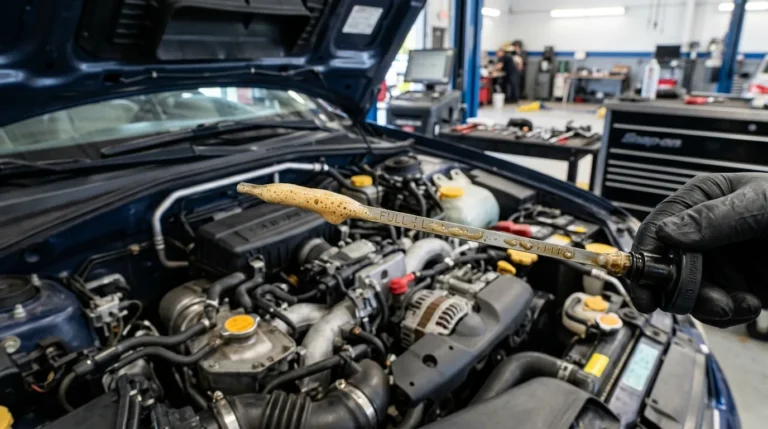
- Change oil and filter if due.
- Replace windshield wipers and top up washer fluid.
Why each task matters
- Salt causes rust if left on metal.
- Brake parts can stick after sitting in cold.
- Tires suffer from low temps and rough roads.
- Fresh oil keeps the engine clean after heavy idling.
Personal note
I once ignored undercarriage wash after a snowy season. A year later, the exhaust had severe rust. I paid more in repair than a single winter service would have cost.
Summer checklist: cool your systems and check A/C
Summer heat stresses the engine and cooling system. Proper checks help prevent overheating and breakdowns.
Main summer tasks
- Inspect and flush coolant if needed.
- Check radiator hoses and clamps.
- Test the air conditioning system.
- Ensure tires are at correct pressure; heat raises pressure.
- Check battery health; heat reduces battery life.
Practical tips
- Use a coolant with the right freeze/boil protection for your climate.
- Run A/C on a mild setting before road trips to spot odd smells or weak airflow.
- Replace belts that show cracks or glazing.
Experience tip
On a hot trip, one roadside call came from a blown hose. I carry a small coolant kit and spare hose clamps now. That simple prep saved time and stress.
Fall checklist: prep for cold and wet weather
Fall is a transition window. Do work now so winter problems do not surprise you.
Essential fall tasks
- Check heater and defroster operation.
- Test battery and clean terminals.
- Inspect lights and replace bulbs.
- Switch to weather-appropriate wiper blades.
- Rotate tires and check alignment.
Why this helps
- A working defroster keeps windows clear.
- Weak batteries fail at first cold snap.
- Proper lights help visibility in shorter days.
Quick example
I recommend replacing wipers even if they look okay. Worn blades fight rain and fog. A quick swap improves visibility and safety.
Winter checklist: stay safe in cold, ice, and snow
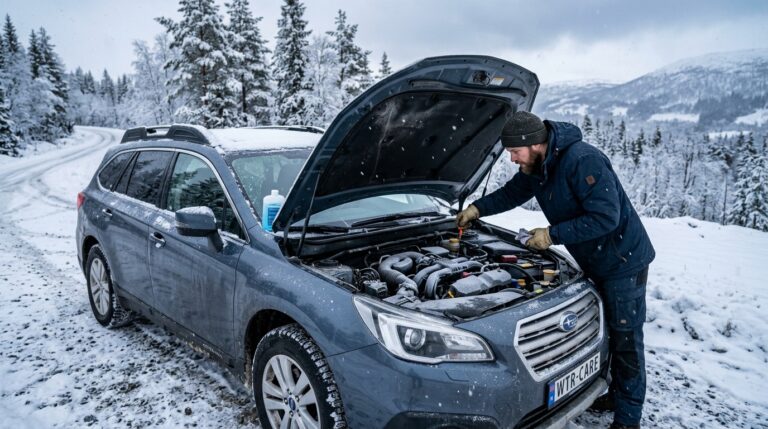
Winter demands focus on traction, heat, and emergency readiness. Seasonal car maintenance is vital now.
Critical winter tasks
- Install winter or all-season tires with good tread.
- Use the correct oil viscosity for cold starts.
- Keep antifreeze mix at proper ratio.
- Stock an emergency kit: blanket, shovel, flashlight, flares, basic tools.
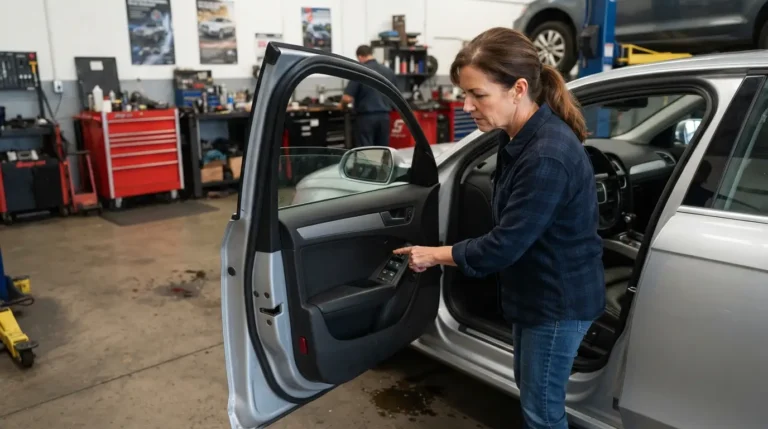
- Check door locks and seals to prevent freezing.
Safety note
Slow starts and thick oil can strain the starter. Use a block heater if you live where temps drop very low.
Personal insight
I once left long trips to chance in winter. After one failed start, I now check battery and oil before any cold-weather drive. A small prep routine avoids big delays.
Year-round tasks that support every season
Some tasks should be done no matter the season. They form the backbone of good seasonal car maintenance.
Year-round checklist
- Follow the manufacturer service schedule for oil, filters, and belts.
- Inspect brakes every 6 months or after heavy use.
- Keep lights, horn, and signals working.
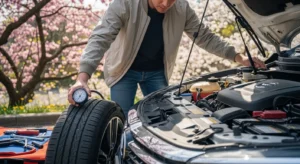
- Monitor tire pressure monthly and inspect tread.
- Keep fluids topped up: brake, transmission, power steering, coolant.
Why consistency pays
- Regular checks catch small issues before they grow.
- This decreases repair costs and improves safety.
DIY vs professional service: when to call a shop
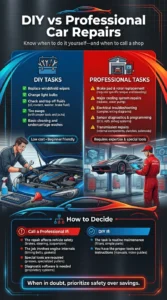
Some tasks are easy to do yourself. Others need trained techs. Pick the right option to save money and stay safe.
DIY tasks
- Replacing windshield wipers and bulbs.
- Checking and topping fluids.
- Swapping tires (if you have the tools).
- Cleaning and minor undercarriage washes.
Professional tasks
- Brake pad or rotor replacement.
- Major coolant system service.
- Complex electrical issues or modern sensor diagnostics.
- Transmission work.
How to choose
- If a job affects safety or the engine internals, see a pro.
- If it needs special tools or software, take it to a shop.
Budgeting and cost-saving tips
Seasonal car maintenance can save money if done wisely. Plan a small budget and stick to it.
Cost tips
- Create a maintenance fund. Put aside a small amount monthly.
- Do simple DIY tasks to cut labor costs.
- Use factory-recommended parts when possible.
- Do seasonal checks to avoid emergency repairs on the road.
Example budget plan
- Oil and filter: every 5,000–10,000 miles.
- Tires: replace every 3–6 years based on wear.
- Batteries: test annually; replace every 3–5 years.
Tools and checklist for seasonal car maintenance
A basic kit helps you do seasonal tasks safely. Keep it at home or in the trunk.
Tools to keep
- Tire pressure gauge and portable inflator.
- Basic socket set and screwdrivers.
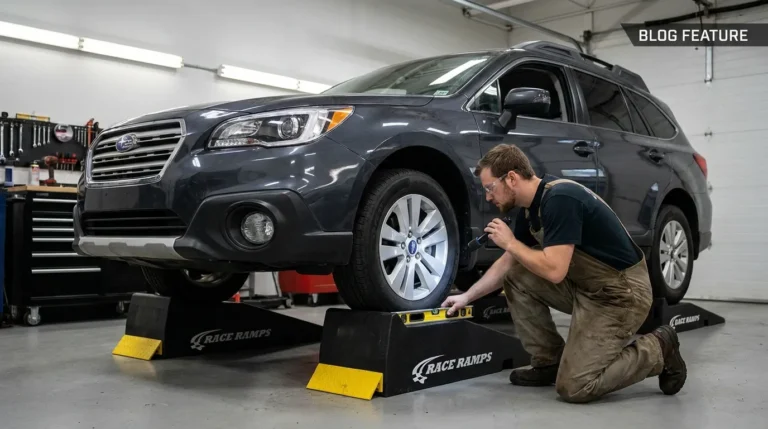
- Jack and jack stands or a good tire iron.
- Funnel and simple fluid containers.
- Battery tester or multimeter.
Seasonal checklist printable
- Spring: undercarriage wash, brakes, oil, wipers.
- Summer: coolant, A/C, hoses, battery.
- Fall: heater, lights, battery, tires.
- Winter: winter tires, emergency kit, oil, seals.
Common seasonal problems and how to fix them
Seasonal patterns create repeat issues. Spot them early and act fast.
Common issues and fixes
- Rust from road salt: wash and apply rust inhibitor.
- Dead battery in winter: test and replace if capacity is low.
- Overheating in summer: flush coolant and inspect the radiator.
- Frozen locks: use lock lubricant and avoid hot water to thaw.
Real-world lesson
A frozen door latch once left me stranded in the cold. I now spray lubricant in early fall. It’s a five-minute fix that prevents a big headache.
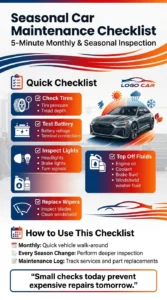
Seasonal car maintenance checklist (quick view)
Keep this short list handy for fast checks.
Quick checklist
- Check tires: pressure and tread.
- Test battery: voltage and connections.
- Inspect lights: all signals and beams.
- Top fluids: oil, coolant, brake, washer.
- Replace wipers and clean windshield.
How to use it
- Do a quick walk-around once a month.
- Do deeper checks at each season change.
- Log services to track when parts were replaced.
PAA-style questions (people also ask)
What is included in seasonal car maintenance?
Seasonal car maintenance includes fluid checks, tire care, battery testing, brake inspection, and weather-specific prep like winter tires or salt removal.
How often should seasonal maintenance be done?
Do basic checks monthly. Do full seasonal checks at each season change and follow your car maker’s service schedule.
Can seasonal maintenance improve fuel economy?
Yes. Proper tire pressure, clean air filters, and fresh oil help the engine run efficiently and improve fuel economy.
Is seasonal maintenance DIY friendly?
Many tasks are simple DIY jobs. Major repairs or diagnostics are best left to professionals.
What happens if I skip seasonal maintenance?
You risk breakdowns, higher repair bills, worsened safety, and lower vehicle life.
Frequently Asked Questions of seasonal car maintenance
How often should I change my oil for seasonal car maintenance?
Change oil per the owner manual or every 5,000 to 10,000 miles. Check more often if you drive in extreme cold or heat.
When should I switch to winter tires?
Install winter tires before consistent temperatures fall below 45°F. They work better on cold, icy, or snowy roads.
Can I use the same coolant year round?
Yes if it meets the vehicle specs. Check the freeze and boil protection and replace per service intervals.
How do I know if my battery needs replacing?
A battery test showing low voltage or poor cold-crank amps means replace it. Also replace if it is older than 3–5 years.
Should I store my car differently in summer or winter?
Store in a shaded, ventilated spot in summer and a dry, insulated area in winter if possible. Use a battery tender for long winter storage.
Conclusion
Seasonal car maintenance is simple to plan and pays off in safety, reliability, and savings. Use the seasonal checklists and quick tasks here to avoid common problems. Start today by doing a short walk-around and logging results. If you found this guide useful, try one seasonal task this week, subscribe for more tips, or leave a comment with your questions.