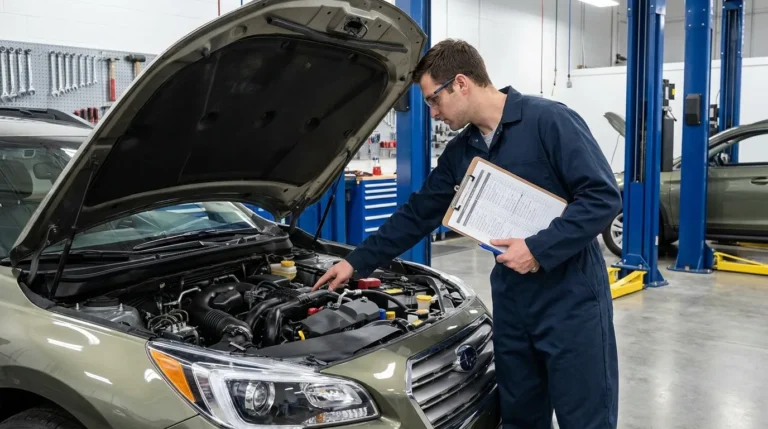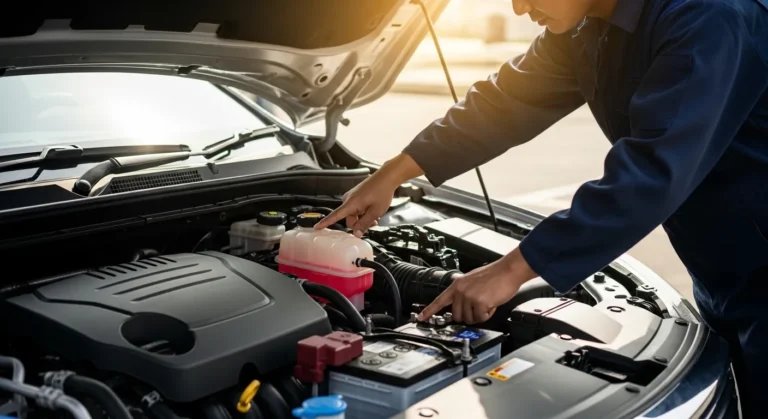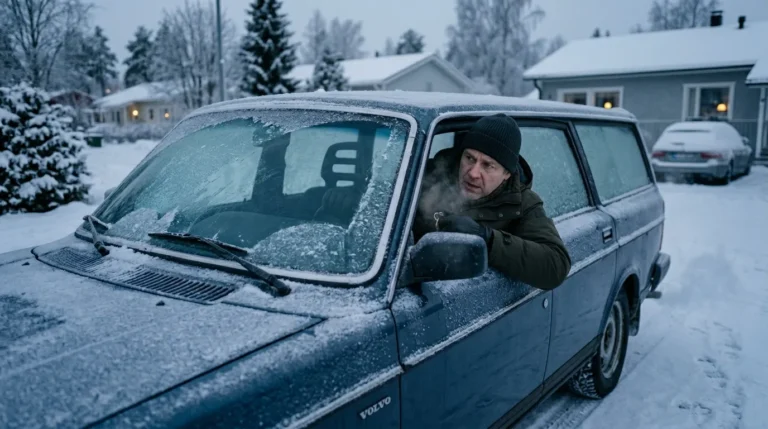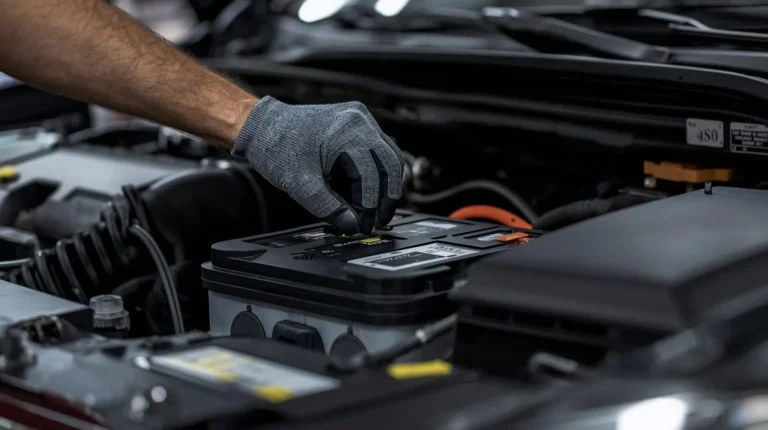
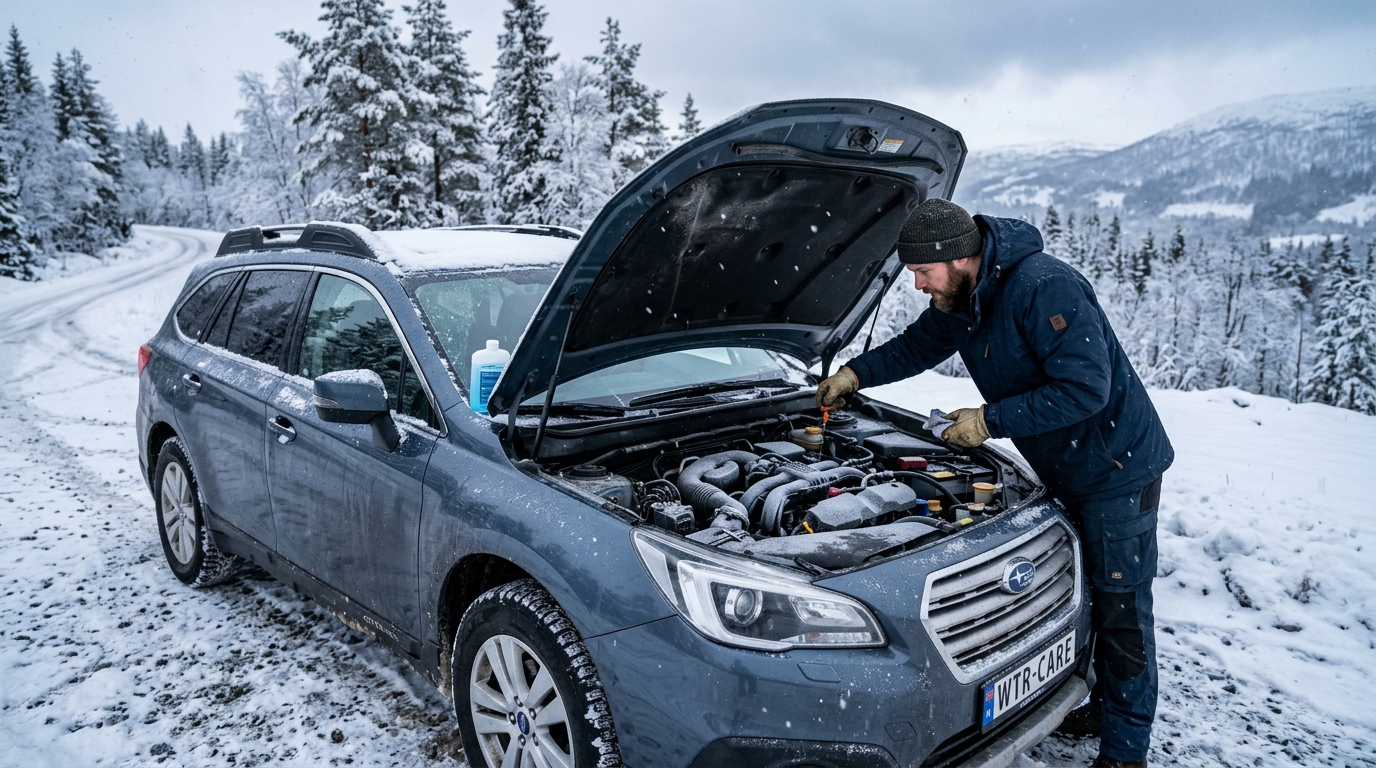
Inspect fluids, battery, tires, and safety gear, then fix issues before freezing weather.
If you want to know how to winterize your car the right way, you’re in the perfect spot. I have spent years prepping vehicles for harsh winters, from blizzards in the Midwest to icy mountain passes. Below, I break down how to winterize your car with steps you can follow today, clear checks you can do at home, and pro tips that save time and money later.
Why winter prep matters
Cold weather is hard on cars. Oil thickens, rubber stiffens, and batteries lose cranking power. In freezing temps, weak parts fail fast, often at the worst time.
Tests show cold can cut battery output by 40 percent at 32°F and by about 60 percent at 0°F. Road salt speeds up rust, and minor chips can turn into cracks. Knowing how to winterize your car keeps you safe, reduces repairs, and prevents roadside stress.
Think of winter prep like packing for a hike. You can wing it, or you can carry the gear you hope you never need. When you know how to winterize your car, you can avoid most surprises.
How to winterize your car: a complete checklist
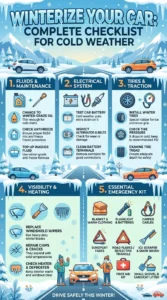
Use this checklist to get ready fast. You can do many of these at home in one afternoon.
- Test the battery. Check open-circuit voltage and inspect terminals for corrosion. Replace if weak.
- Check coolant level and mix. Aim for a 50 or 60 percent antifreeze mix if your manual allows.
- Change oil if due. Use the OEM-approved winter viscosity listed in your owner’s manual.
- Fill washer fluid rated to at least -20°F. Replace summer fluid now.
- Inspect wipers. Install winter blades if you get heavy snow.
- Measure tire tread. Use winter tires if you face snow or ice often.
- Set tire pressure. Cold drops pressure by about 1 psi per 10°F.
- Inspect brakes. Listen for squeals, check pad life, and test the parking brake.
- Lubricate door seals with silicone. Treat locks with dry graphite.
- Clean and wax. Protect paint and lights, and spray the underbody if roads use salt.
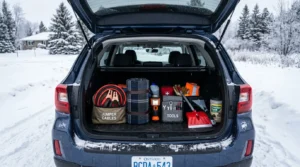
- Pack an emergency kit. Include a shovel, traction aid, and warm layers.
- Check heaters and defrosters. Make sure they clear fog and ice fast.
- Review 4WD or AWD systems. Make sure all modes engage.
- Top off gas and keep at least half a tank. This cuts moisture and adds range in detours.
- Update roadside coverage. Store contact info in your phone and glove box.
I follow this exact flow for client cars. It catches small faults before they snowball.
Fluids that matter most in winter
Fluids make or break cold starts. Here is how to winterize your car by dialing in the right fluids.
- Coolant and antifreeze. Most cars use a 50/50 ethylene glycol mix. This protects to about -34°F. Confirm with a tester and add premix if low. Never mix types without checking compatibility.
- Engine oil. Follow the owner’s manual first. In many modern cars, 0W-20 or 5W-30 is fine in cold weather. The first number (0W or 5W) is key for fast flow at start-up.
- Washer fluid. Use fluid rated for at least -20°F. Top off the reservoir and carry a spare jug.
- Brake fluid. Moisture in old fluid raises the boiling point risk. Replace per schedule if due.
- Transmission and transfer case fluids. Cold thickens old fluid. Check levels and service if the manual calls for it.
- Fuel system. Keeping the tank half full reduces condensation. In extreme cold, a fuel-line dryer can help for older vehicles. Do not add anything not approved by the manufacturer.
A note from the shop. I once skipped swapping summer washer fluid on a mild week. A sudden cold snap froze the nozzles the next morning. I drove blind behind spray for miles. Never again.
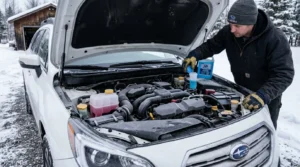
Battery, starting, and charging
If your car cranks slow, fix it now. Batteries fail more in winter than any other season.
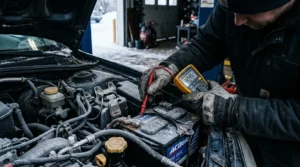
- Quick test at home. After sitting overnight, a healthy lead-acid battery reads near 12.6V. At 12.4V, it is borderline. At 12.2V or less, plan to replace.
- Load test and alternator check. Many parts stores test for free. Charging should be about 13.7 to 14.7V with the engine running.
- Clean and protect. Remove corrosion with a baking soda solution, rinse, dry, and apply dielectric grease on terminals.
- Replace if old. Most batteries last 3 to 5 years. If yours is near the end, winter is not the time to gamble.
- For short-trip drivers. Use a smart trickle charger to keep the battery topped off.
Pro tip. I carry a compact lithium jump pack all winter. It has saved me and three strangers.
Tires, traction, and stopping distance
Tires are your only contact with the road. Grip is everything on cold pavement.
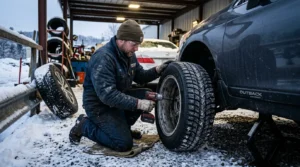
- Choose the right tire. True winter tires use a softer rubber and special tread for snow and ice. They beat all-season tires in cold braking and cornering.
- Tread depth. Aim for at least 5/32 inch for winter. Use a gauge or a quarter as a quick check.
- Pressure. Expect about 1 psi drop for every 10°F. Check pressures monthly and before trips.
- Rotation and alignment. Rotate on schedule. A fresh alignment helps winter tires wear even.
- Chains and traction aids. Check local laws. Practice installing chains in your driveway first.
I switched a client from worn all-seasons to winter tires one January. Their stopping distance on a snowy lot dropped by more than half. That change alone made them a winter tire fan for life.
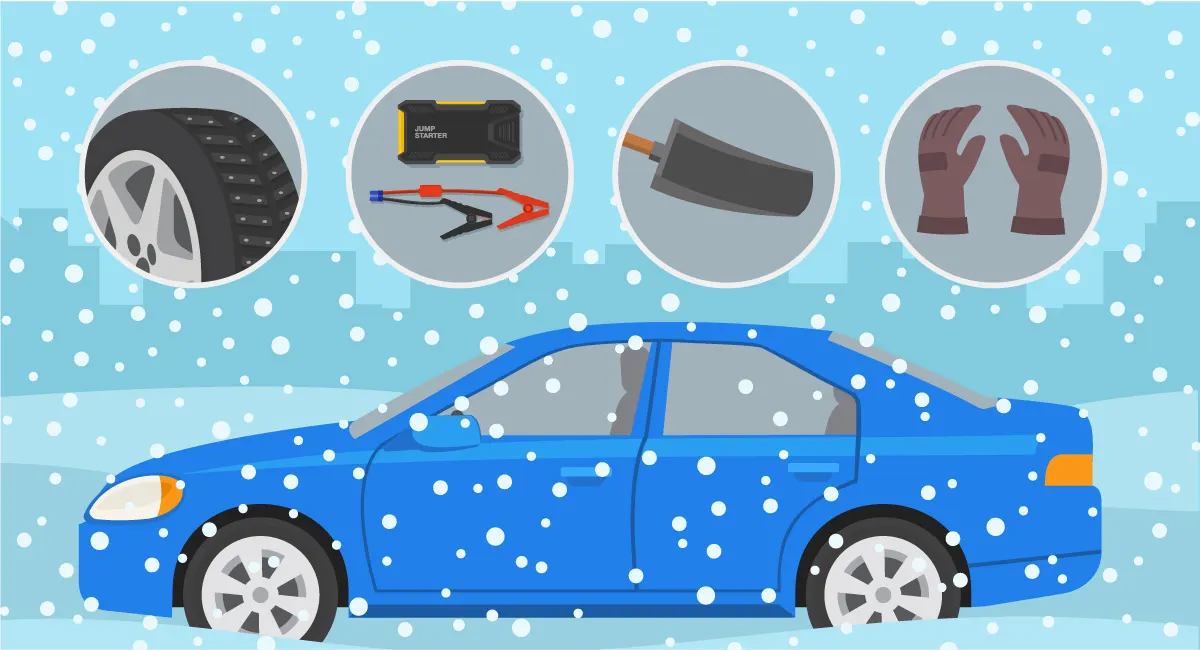
Source: oceanstatejoblot.com
See and be seen: wipers, glass, and lights
Frosted glass and dim lights cause close calls. Prepare before the first storm.
- Wipers. Replace blades every 6 to 12 months. Winter blades resist ice buildup better.
- Defroster and heater. Make sure both front and rear defrosters heat up fast.
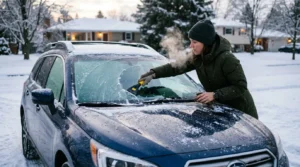
- De-icing routine. Use a proper scraper, not hot water, which can crack glass. Park with wipers raised if ice is forecast.
- Headlights. Clean lenses and consider a restoration kit if they are cloudy. Aim headlights if you notice dark spots.
- Cabin air filter. Replace if dirty. Clear airflow helps keep windows fog-free.
Small detail, big win. I keep a microfiber towel in the door pocket to wipe fog. It works faster than blasting the fan at max.
Protect paint, rubber, and locks
Salt and brine attack metal and rubber. A few minutes of care pays off in spring.
- Wash and wax. Apply a sealant or wax before peak salt season. Rinse the underbody after storms.
- Door seals. Wipe clean and coat with silicone spray to prevent freezing shut.
- Locks and latches. Use dry graphite or a lock-safe de-icer. Avoid oil that attracts dirt.
- Undercarriage. If you live where salt use is heavy, consider an anti-rust spray from a pro shop.
I have seen door seals rip on a subzero morning because they froze to the frame. A quick silicone treatment avoids that headache.
Build a smart winter emergency kit
A good kit turns a bad day into an inconvenience. Pack these items in a small bin.
- Ice scraper and snow brush. Keep within easy reach.
- Jumper cables or a jump pack. Test it monthly.
- Traction aid. Cat litter, sand, or traction boards.
- Shovel. A compact folding one works great.
- Warm gear. Blanket, gloves, hat, and hand warmers.
- Light and power. Flashlight with spare batteries and a phone charger.
- Safety. Reflective triangle or flares, and a first-aid kit.
- Air and repair. Tire inflator and a plug kit for tubeless tires.
- Food and water. Energy bars and sealed water bottles.
- Paper map. Phones can die in the cold.
Also store a spare set of meds if you rely on them. This simple step matters more than most people think.
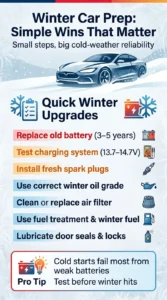
Smarter winter driving and warm-up habits
Knowing how to winterize your car is half the battle. How you drive is the other half.
- Warm-up. Modern engines need about 30 seconds of idling. Drive gently to warm faster and cut fuel use.
- Smooth inputs. Brake, steer, and accelerate with a light foot. Leave extra space.
- Use lower gears on descents. This reduces brake fade on long icy hills.
- Clear all snow. Roof, hood, trunk, and lights. Snow can slide onto your windshield or hit cars behind you.
- Park smart. Face the morning sun when you can. It helps de-ice glass.
These habits come from winter rally training I took years ago. Smooth is safe and fast.
DIY versus pro service
You can do most winter checks at home. Still, some jobs are best for a technician.
Do it yourself:
- Washer fluid swap, wiper blades, battery terminal cleaning.
- Tire pressure checks, emergency kit, door seal care.
- Visual checks of belts, hoses, and lights.
See a pro:
- Battery load tests and charging diagnostics.
- Coolant system tests, leaks, and thermostat issues.
- Brake inspections, alignments, and suspension work.
- Mounting winter tires on separate wheels for faster seasonal swaps.
If money is tight, ask a trusted shop for a winter check special. Many offer bundled inspections at a fair price.
Cost and timeline to get ready
A little planning spreads out the cost. Here is how to winterize your car on any budget.
- Month one. Replace wipers and washer fluid. Inspect battery and terminals. Cost is low.
- Month two. Service oil and coolant if due. Check brakes and tires.
- Month three. Buy winter tires if needed. Pack the emergency kit. Confirm roadside coverage.
Typical costs vary by region. A set of winter tires can feel pricey, but they last across seasons if you swap them. That spreads the cost and boosts safety on every snowy day.
Quick answers: how to winterize your car
Do I need winter tires if I have AWD?
AWD helps you go but not stop or turn better on ice. Winter tires improve grip for every move you make.
How often should I check tire pressure in winter?
Check monthly and before long trips. Cold temperatures lower pressure and can trigger TPMS lights.
How long should I warm up the engine?
About 30 seconds is enough for most modern cars. Drive gently after that to warm the drivetrain faster.
Frequently Asked Questions of how to winterize your car
When should I start winter prep?
Begin 4 to 6 weeks before your first freeze. This gives you time to order parts and schedule service.
What coolant mix is best for winter?
A 50/50 premix is right for most cars and protects to about -34°F. Always confirm the type and mix in your manual.
Is idling for 10 minutes good for the engine in winter?
No. Long idling wastes fuel and can cause buildup. Start, wait about 30 seconds, then drive gently.
How do I stop doors from freezing shut?
Clean the seals and apply a silicone spray. Avoid water-based products that can freeze.
Can I use all-season tires in light snow?
Yes, but winter tires give better control below 45°F and on ice or packed snow. If you see regular snow, winter tires are worth it.
What emergency items should I always keep?
Carry a shovel, scraper, jumper cables or a jump pack, traction aid, warm layers, a flashlight, and a phone charger. Add food, water, and a first-aid kit for longer trips.
How to winterize your car if you live in a mild climate?
Focus on tires, washer fluid, and wipers. A battery test and a basic emergency kit are still smart moves.
Conclusion
Knowing how to winterize your car turns winter from a worry into a plan. Check the battery, set fluids for the cold, install the right tires, and pack a simple kit. Add safe driving habits and you will cruise through storms with confidence.
Pick three steps from this guide and do them today. Then schedule the rest over the next two weekends. Want more seasonal checklists and car-care tips? Subscribe, share your winter wins, or drop a question in the comments.