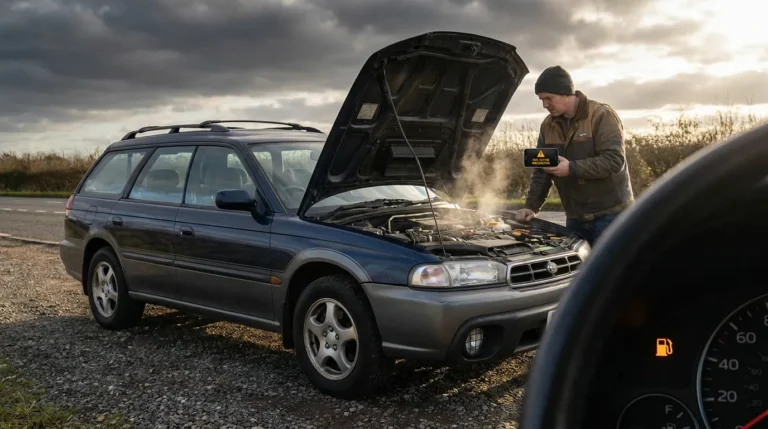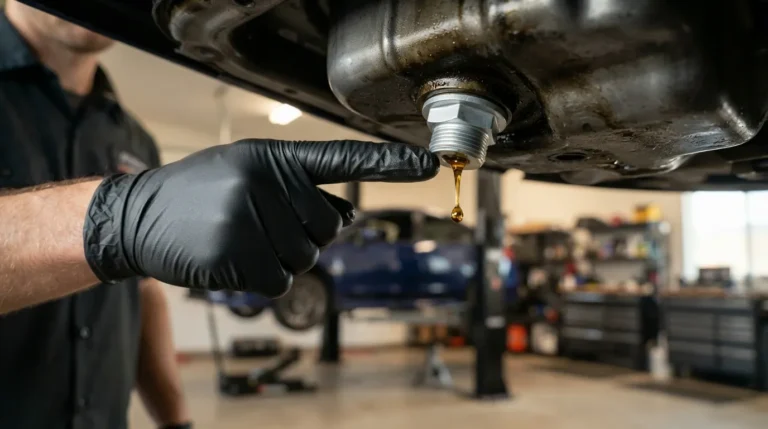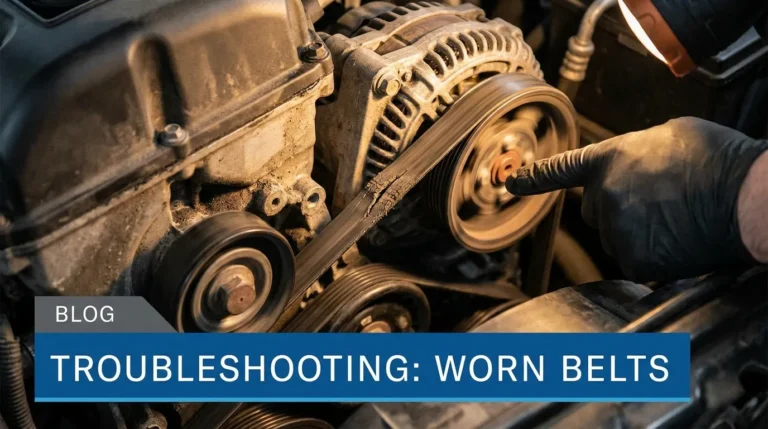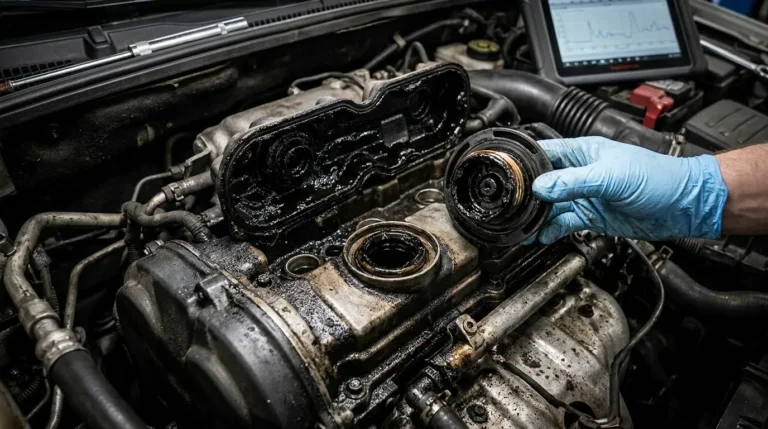
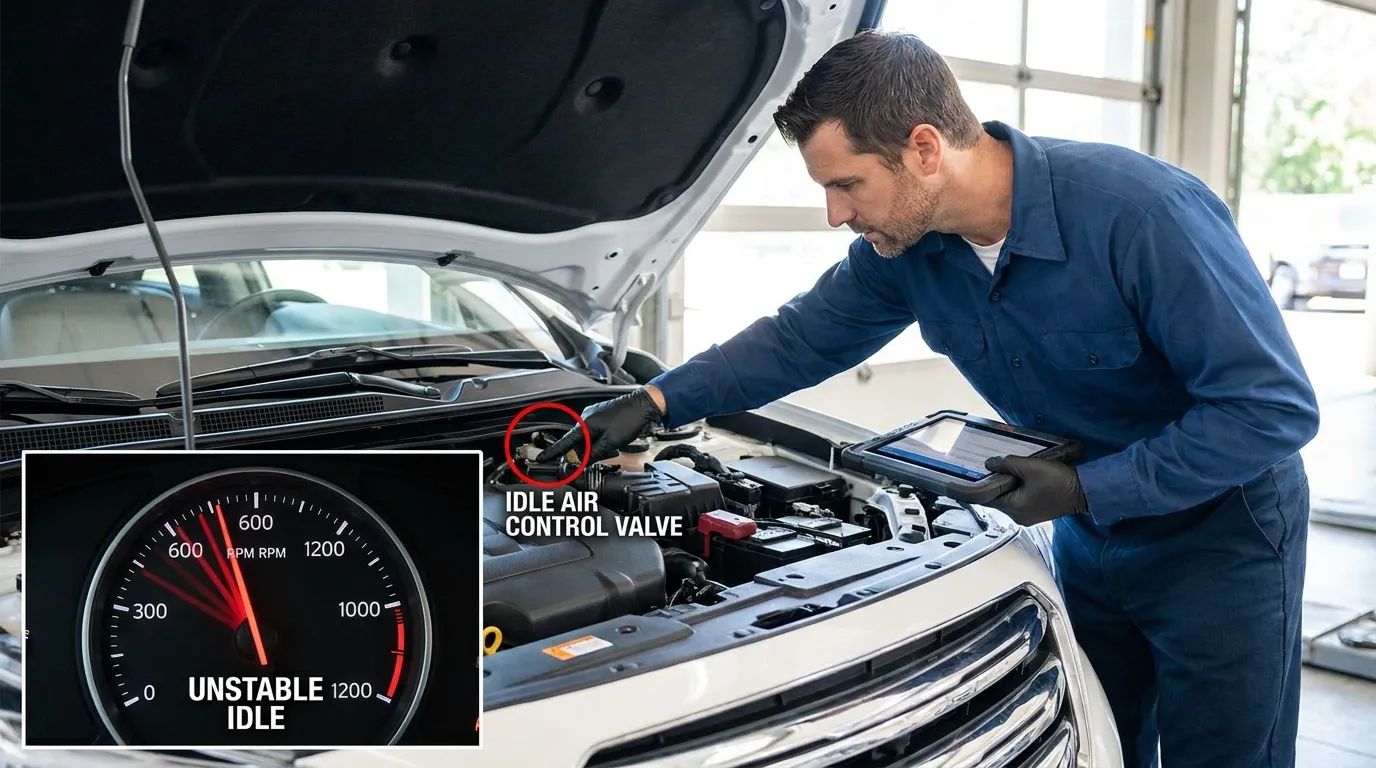
Rough idle, stalling, erratic RPMs, and a check engine light often point to idle air control valve symptoms.
I’ve spent years diagnosing engine idle problems for everyday drivers. This guide explains idle air control valve symptoms clearly and simply. You’ll learn what the idle air control valve does, the common symptoms it causes when it fails, diagnostic steps, DIY cleaning tips, and when to call a pro. Read on for practical tips and real-world examples that help you spot and fix idle air control valve symptoms fast.
What is the idle air control valve and why it matters
The idle air control valve manages air flow into the engine when the throttle is closed. It keeps the engine running smoothly at idle. When the idle air control valve fails, the engine can stall or idle poorly. Understanding this part helps you find the root of many idle issues.

Common idle air control valve symptoms
Below are the most frequent idle air control valve symptoms to watch for. Each symptom has a simple cause and clear test you can try.
- Rough idle that shakes the car
The engine runs unevenly when you stop or sit at a light. This often means the idle air control valve is not regulating air properly. - Frequent stalling at idle
The engine dies when you come to a stop. A sticking or clogged idle air control valve can’t keep idle speed steady. - Erratic or fluctuating RPMs
RPM jumps up and down with no throttle input. This is a classic idle air control valve symptom when the valve is intermittent. - High idle speed
The idle is higher than normal and won’t settle. A stuck-open valve or wiring issue can let too much air in. - Hard starting, especially when cold
The engine struggles to start and may need extra gas. A failing idle air control valve can’t add the extra air control needed on start. - Check engine light or stored codes
Codes like P0505 (idle control system) or P1506 (idle control) may appear. The computer often detects idle control faults. - Increased fuel consumption
Poor idle control can make the engine use more fuel. You may notice lower MPG after these symptoms begin. - Surging during deceleration or at idle
The engine surges without throttle input. This is sometimes linked to a failing idle air control valve or vacuum leaks.
These idle air control valve symptoms often overlap with other problems. Use a scan tool and visual checks to rule out vacuum leaks, dirty throttle bodies, or sensor faults.
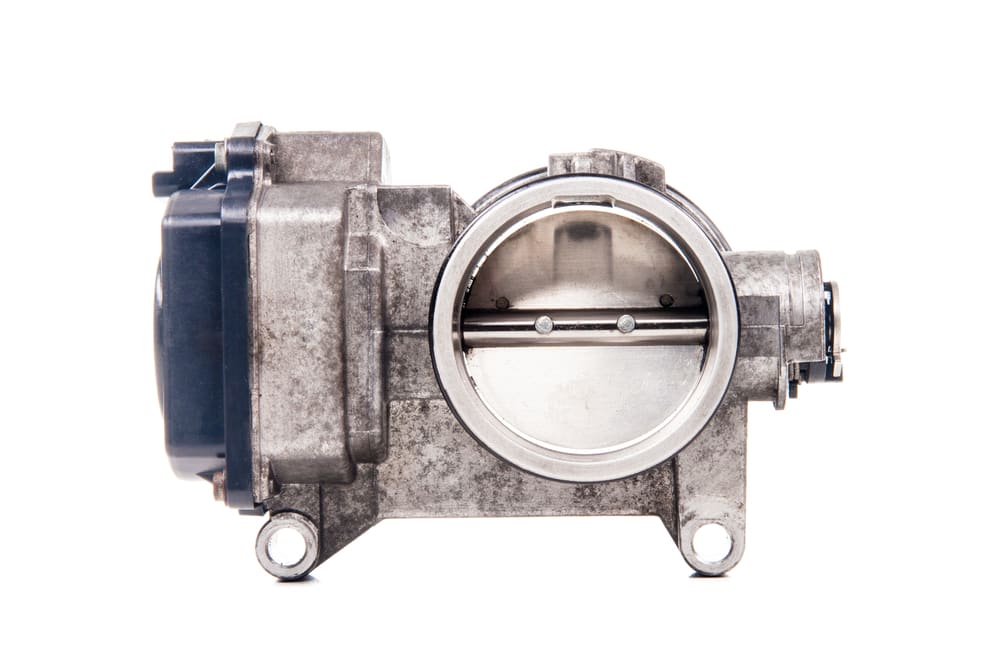
Source: yourmechanic.com
Causes behind idle air control valve symptoms
Knowing common causes helps you fix issues faster. Here are the usual reasons for idle air control valve symptoms.
- Carbon and dirt buildup
Over time, oil and fuel deposits coat the valve and bore. This restricts movement and air flow. - Electrical faults
Wiring, connectors, or the valve motor can fail. Intermittent power or bad grounds cause erratic signals. - Mechanical wear or sticking
Moving parts inside the valve wear out. Sticking parts mean the valve cannot move smoothly. - Faulty sensors or PCM logic
The engine control unit (ECU/PCM) relies on sensors. Bad throttle position or coolant temp sensors can make the computer command odd idle behavior. - Vacuum leaks
Extra air from leaks bypasses the idle control path. Symptoms mimic a bad idle air control valve. - Throttle body issues
Dirty or worn throttle plates can change airflow and confuse idle control strategies.
Fixing the root cause means the idle air control valve symptoms will often resolve quickly after cleaning, repair, or replacement.
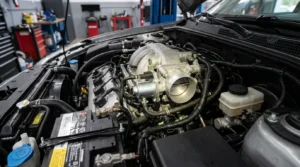
How technicians diagnose idle air control valve symptoms
A clear, step-by-step diagnostic approach saves time and money. Here’s the workflow professionals use.
- Visual check and test drive
Look for loose hoses, cracked wires, and large carbon deposits. Drive and watch for when symptoms appear. - Scan for trouble codes
Read stored codes and pending codes. Codes help narrow down whether the idle air control valve is flagged. - Monitor live data
Watch RPM, IAC duty cycle (if available), throttle position, and coolant temp. Live values reveal when the valve is trying to correct idle. - Inspect vacuum system
Use smoke or spray tests to find leaks. Fixing leaks often resolves idle air control valve symptoms. - Remove and inspect the valve and throttle body
Check for carbon build-up and smooth operation. Clean the valve and bore if dirty. - Electrical tests
Check connector voltage, resistance, and continuity. Replace the valve if internal motor or solenoid fails. - Road test after repair
Confirm symptoms are gone and monitor for new codes.
PAA-style question: Can a bad idle air control valve cause stalling?
Yes. A failing idle air control valve often cannot hold idle speed, causing the engine to stall at idle or when coming to a stop.
PAA-style question: How long do idle air control valves last?
Life varies by vehicle and conditions. With proper maintenance, an idle air control valve can last many years, but heavy carbon buildup shortens that lifespan.
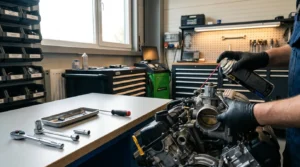
DIY cleaning and basic fixes for idle air control valve symptoms
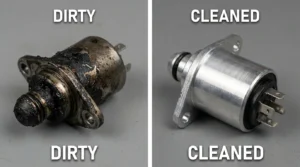
Many idle air control valve symptoms come from dirt. Cleaning can help, but follow safe steps.
Tools and materials
- Basic hand tools to remove valve
- Throttle body or MAF-safe cleaner
- Clean rags and safety gloves
- Multimeter for electrical checks
Steps to clean
- Disconnect the battery for safety.
- Remove the idle air control valve or clean through the access port.
- Spray cleaner on the valve and bore to remove carbon.
- Gently wipe with a rag. Avoid damaging sensors and electrical parts.
- Reinstall, reconnect battery, and test drive.
When to replace
- Valve shows no movement after cleaning.
- Electrical tests fail (open circuit or bad resistance).
- Symptoms return quickly after cleaning.
Cost and time
- Cleaning usually takes 30–90 minutes and costs little.
- Replacement parts range widely by car model. Labor varies by access and complexity.
Safety note
- Use only recommended cleaners. Do not force parts. If wiring or the ECU may be involved, consult a mechanic.
Preventive maintenance to avoid idle air control valve symptoms
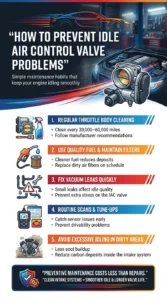
Preventing problems is easier than fixing them. These small habits cut risk.
- Regular throttle body cleaning
Clean every 30,000–60,000 miles or as recommended by your vehicle maker. - Use good fuel and maintain filters
Cleaner fuel lowers deposit buildup in the intake and valve. - Fix vacuum leaks promptly
Even small leaks change idle and stress the valve. - Routine scan and tune-ups
Catch sensor drift and wiring issues early. - Avoid long idle times in dirty environments
Excess soot and oil vapors speed carbon build-up.
These habits reduce the chance you’ll see idle air control valve symptoms.
Personal experience: real case and lessons learned
I once repaired a customer car with rough idle and frequent stalls. The scan tool showed an idle control code. I found heavy carbon on the valve and a cracked vacuum hose. Cleaning the valve and replacing the hose fixed the problem. Lesson learned: always check vacuum and throttle body when IAC symptoms appear. Also, don’t assume the valve is dead; cleaning solves many cases.
Practical tips from the field
- Start with visual checks and simple fixes.
- If cleaning helps but the problem returns, replace the valve.
- Keep records: noting when you cleaned or replaced parts saves diagnostic time later.
Frequently Asked Questions about idle air control valve symptoms
What does a bad idle air control valve feel like?
A bad idle air control valve feels like rough idling, surging RPM, and possible stalling. You may notice vibration when stopped.
Can I drive with idle air control valve symptoms?
You can drive short distances, but it’s risky. Stalling at intersections is dangerous, so fix it soon.
Does cleaning the idle air control valve fix all issues?
Cleaning helps when carbon is the cause. Electrical failure or severe mechanical wear needs replacement.
How long does it take to replace an idle air control valve?
A typical replacement takes 1–2 hours depending on access and model. Labor can be longer on complex engines.
Will a check engine light always appear with idle air control valve symptoms?
Not always. Sometimes symptoms show before the ECU stores a code, especially with intermittent faults.
Is the idle air control valve the same as the throttle body?
No. The throttle body is the main air throttle. The idle air control valve fine-tunes air when the throttle is closed.
Conclusion
The idle air control valve plays a small but vital role in engine idle stability. Common idle air control valve symptoms include rough idle, stalling, erratic RPMs, and a check engine light. Start with simple checks: scan for codes, inspect vacuum lines, and clean the valve and throttle body. If problems persist, test the valve electrically or seek a professional. Take action early to avoid unsafe stalls and higher repair costs. If you found this useful, try cleaning your throttle body, track your next service, or leave a comment with your symptoms — I’ll help troubleshoot.