
Most often a blocked or leaking coolant circuit, faulty thermostat, or a bad blower causes it.
I’ve fixed dozens of cars and taught technicians how heaters work, so I’ll walk you through why your car heater not working causes matter, how to diagnose the problem, and what to do next. This guide explains the common car heater not working causes, step-by-step DIY checks, realistic repair costs, and preventative tips in plain language so you can stay warm and safe on the road.
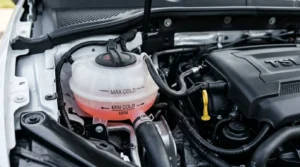
How a car heater works — quick overview
A car heater uses hot engine coolant to warm air that flows into the cabin. The engine heats coolant, coolant flows through the heater core, and the blower forces air across the heater core into the cabin. The thermostat, hoses, water pump, and control valves manage flow and temperature.
Understanding this system makes it easier to find car heater not working causes quickly. Small issues can block heat flow or stop air movement, so symptoms help pinpoint the root cause.
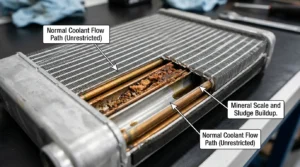
Common car heater not working causes
Below are the most frequent reasons your car heater not working causes occur. Each cause includes signs, why it happens, and what to check.
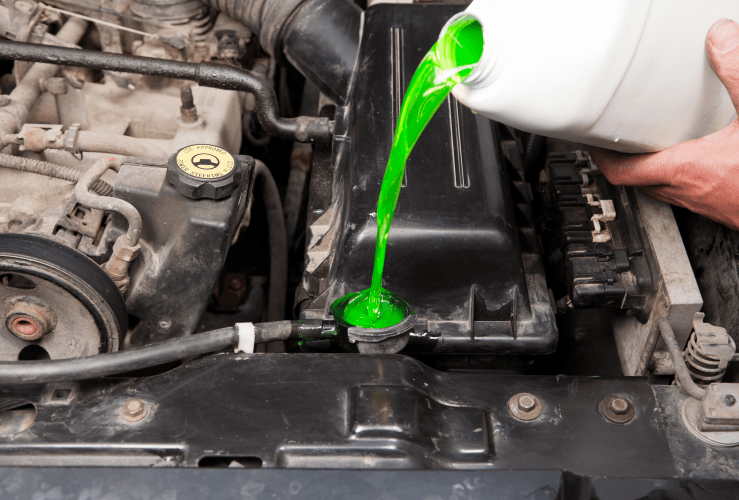
Low or dirty coolant
Signs
- No heat or intermittent heat
- Coolant level low on the reservoir
Why it happens - Leaks, neglect, or aging coolant
What to check - Reservoir level and color
- Smell of coolant inside cabin
Air trapped in the cooling system (air pocket)
Signs
- Heater works only after driving for a while
- Temperature fluctuates
Why it happens - Improper bleeding after coolant change or leaks
What to check - Bleed the system per vehicle guide
Faulty thermostat
Signs
- Engine runs cold or heater provides little heat
Why it happens - Thermostat stuck open or closed
What to check - Engine warm-up speed and consistent temperature gauge
Clogged or leaking heater core
Signs
- Little or no heat; sweet smell in cabin; fogged windows
Why it happens - Debris, corrosion, or internal leaks
What to check - Coolant on passenger floor or wet carpet; hot/cold spots on heater hoses
Broken or stuck blend door or actuator
Signs
- Air blows but is cold; temperature changes don’t respond
Why it happens - Actuator motor failure or broken linkage
What to check - Listen for clicking noises from dash; test HVAC controls
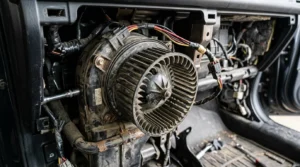
Faulty blower motor or resistor
Signs
- No air flow or only at certain fan speeds
Why it happens - Burned motor, bad resistor, or blown fuse
What to check - Fan operation at different settings; inspect fuses
Faulty heater control valve or blocked coolant bypass
Signs
- Heater works irregularly or not at all when engine warms
Why it happens - Valve stuck closed, vacuum line issue, or clogged bypass
What to check - Valve operation and vacuum lines; manual inspection of hoses
Cooling system leaks or failing water pump
Signs
- Overheating, low coolant, no heater output
Why it happens - Pump failure reduces coolant flow through heater core
What to check - Coolant leaks, pump noise, and coolant circulation
Electrical or climate control module failures
Signs
- Controls unresponsive; inconsistent outputs
Why it happens - Faulty control panel, sensors, or wiring
What to check - Error codes, fuses, and wiring harnesses
Each of these car heater not working causes can appear alone or together. Start with simple checks, then move to more involved diagnostics.
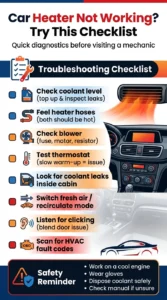
Troubleshooting checklist you can try today
Use this checklist to narrow down the problem before going to a shop.
- Check coolant level
- Top off if low and inspect for leaks.
- Warm the engine and feel heater hoses
- Both hoses should be hot; if one is cool, suspect a clogged heater core or thermostat issue.
- Check cabin blower
- If no air, test fuse, then blower motor and resistor.
- Test thermostat operation
- Cold engine that takes long to warm suggests a stuck-open thermostat.
- Look for coolant in the cabin
- Damp carpet or sweet smell means heater core leak.
- Switch between fresh air and recirculate
- Some cars heat poorly when stuck in recirculate.
- Listen under the dash
- Clicking noises often mean a bad blend door actuator.
- Scan for HVAC codes
- Modern cars store climate control faults that help diagnosis.
Follow safety steps: work on a cool engine, use gloves, and dispose of coolant safely. If steps are unclear for your model, consult the service manual.
Typical repairs, timelines, and cost ranges
Below are common fixes and realistic cost ranges. Prices vary by vehicle make, region, and labor rates.
- Add coolant and pressure-test system
- Cost: $20–$150. Time: 30 minutes to 1 hour.
- Thermostat replacement
- Cost: $150–$400. Time: 1–2 hours.
- Heater core flush or replacement
- Flush cost: $80–$200. Replacement cost: $300–$1,200 depending on accessibility. Time: 2–8 hours.
- Blend door actuator replacement
- Cost: $100–$350. Time: 1–3 hours.
- Blower motor or resistor replacement
- Cost: $80–$400. Time: 1–2 hours.
- Water pump replacement
- Cost: $300–$900. Time: 2–4 hours.
- HVAC control module diagnostics and repair
- Cost: $100–$600. Time: 1–3 hours.
Minor fixes often solve the issue quickly. Major jobs like heater core replacement can be expensive because of dash removal. I recommend getting a written estimate and a clear explanation before approving big jobs.
Preventive maintenance to avoid heater problems
Simple care extends heater life and avoids many car heater not working causes.
- Change coolant per schedule
- Fresh coolant prevents corrosion and clogs.
- Inspect hoses and clamps
- Replace soft or cracked hoses early.
- Keep the cooling system clean
- Flush if you see rust or debris.
- Run the heater periodically in warm months
- Helps keep seals lubricated and valves free.
- Check cabin air filter
- Replace when dirty to maintain airflow.
- Address leaks immediately
- Small leaks lead to big, expensive problems.
I’ve seen cars survive decades when owners followed these simple steps. Preventive care usually costs far less than repairs.
Common mistakes and lessons from my experience
I once ignored a faint sweet smell in a car for months. It led to a soaked carpet and a full heater core replacement. Lesson learned: small signs get bigger fast.
Other mistakes I’ve seen
- Replacing parts without diagnosis
- Swapping the blower when the problem was low coolant wastes money.
- Using wrong coolant
- Mixing incompatible coolants can cause blockages.
- Skipping bleed procedures after replacement
- Air pockets cause intermittent heater failures.
If you want to save time and money, follow a logical diagnosis path. Start cheap and simple, and only replace parts that tests confirm are bad.

Quick answers (PAA-style)
What if my heater blows cold air but engine is hot?
- That usually points to a stuck blend door, closed heater valve, or clogged heater core. Check hose temperatures and listen for actuator noise.
Can driving with no cabin heat damage the engine?
- Not directly, but persistent coolant leaks or overheating can harm the engine. Fixing car heater not working causes often uncovers cooling system issues that need prompt attention.
Is it safe to add stop-leak products to the heater core?
- They can be a short-term fix but may clog the system and worsen long-term problems. Use with caution and consider proper repairs.
Frequently Asked Questions of car heater not working causes
Why is my car heater only blowing warm air sometimes?
Intermittent warmth often means air trapped in the cooling system, a failing thermostat, or a partially clogged heater core. Bleeding the cooling system and checking hose temperatures can reveal the issue.
Why does my heater work only at high RPMs?
If the heater works at high RPMs, the water pump may not circulate coolant properly at idle, or there may be a partial blockage. Check coolant flow and pump condition.
Can a clogged cabin air filter cause no heat?
A dirty cabin air filter can reduce airflow but won’t stop heat. Replace the filter to restore airflow; if air is still cold, look at coolant and core issues.
Why do I smell sweet fluid inside the car?
A sweet smell usually signals a leaking heater core, which allows coolant into the cabin. Inspect under the dash and the passenger footwell for dampness.
Will replacing the thermostat always fix a no-heat problem?
No. A thermostat is a common cause, but you should check heat hoses, heater core condition, and coolant level first. Replace the thermostat only after confirming symptoms that match its failure.
How long does a heater core replacement take?
It depends on vehicle design. Simple cars may take a few hours; cars requiring dash removal can take many hours. Expect 3–8 hours on average.
Can I drive safely with a broken heater?
Short drives are usually fine, but avoid long trips in cold weather if visibility is impaired or if the cooling system leaks. Fix car heater not working causes before winter travel.
Conclusion
Car heater not working causes vary from simple low coolant to complex HVAC failures. Use the troubleshooting checklist, start with easy checks, and weigh repair costs before replacing major parts. Small preventive steps like timely coolant changes and hose inspections prevent most issues.
Take action: check coolant level today, test hose temperatures after a short drive, and book a diagnostic if you find leaks, odd smells, or no airflow. Share your experience or questions below, or subscribe for more practical car-care guides.