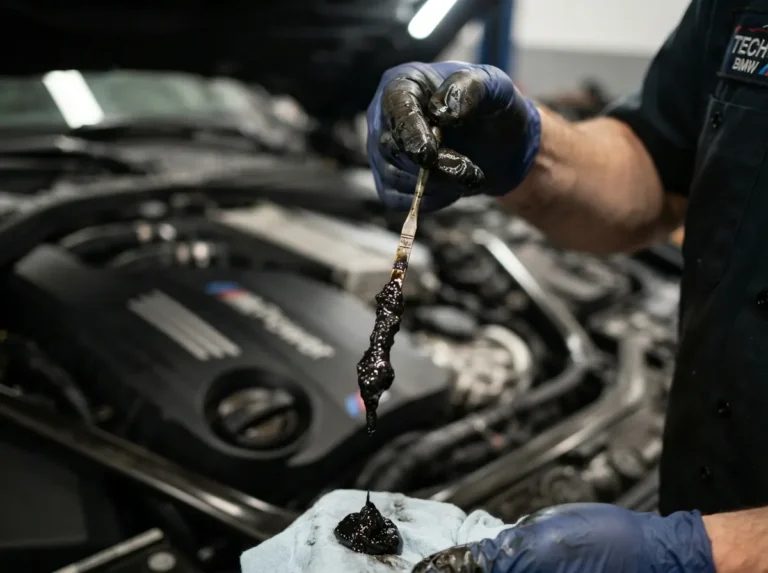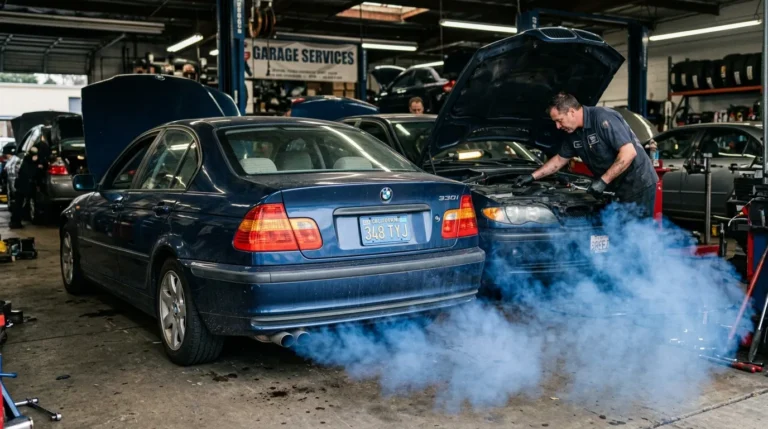
Fuel injector failure symptoms include rough idle, misfires, poor fuel economy, and hesitation while accelerating.
I’ve worked on dozens of cars and run tests that pinpoint faint injector issues before they turn into big repairs. This guide explains fuel injector failure symptoms in plain language, shows how to diagnose problems, and gives practical fixes and prevention tips. If you want to spot issues early and avoid costly repairs, read on—this article breaks the topic down step by step with real-world tips and clear actions you can use today.
What are fuel injector failure symptoms?
Fuel injectors deliver exact fuel amounts into the engine. When injectors fail, the engine gets too much or too little fuel. That imbalance creates several telltale signs you can notice while driving.
Common fuel injector failure symptoms include:
- Rough idle that makes the car shake or vibrate at stop lights.
- Engine misfires or a stuttering sensation during acceleration.
- Poor fuel economy and more frequent trips to the gas station.
- Hesitation or lag when you press the gas pedal.
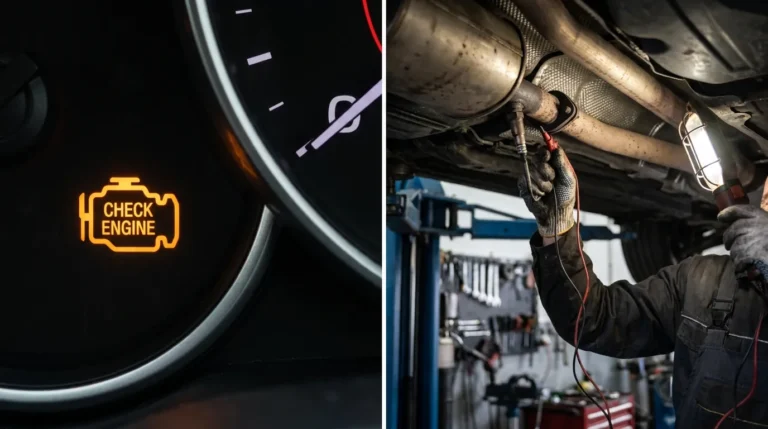
- Check Engine Light glowing, often with codes related to misfires or fuel trim.
The phrase fuel injector failure symptoms appears often in repair guides because these signs are consistent across many makes and models. Spotting them early helps avoid engine damage and higher repair bills.
Common causes of fuel injector failure
Understanding why injectors fail helps you prevent problems. Most failures come from contamination, wear, or electrical faults.
Typical causes include:
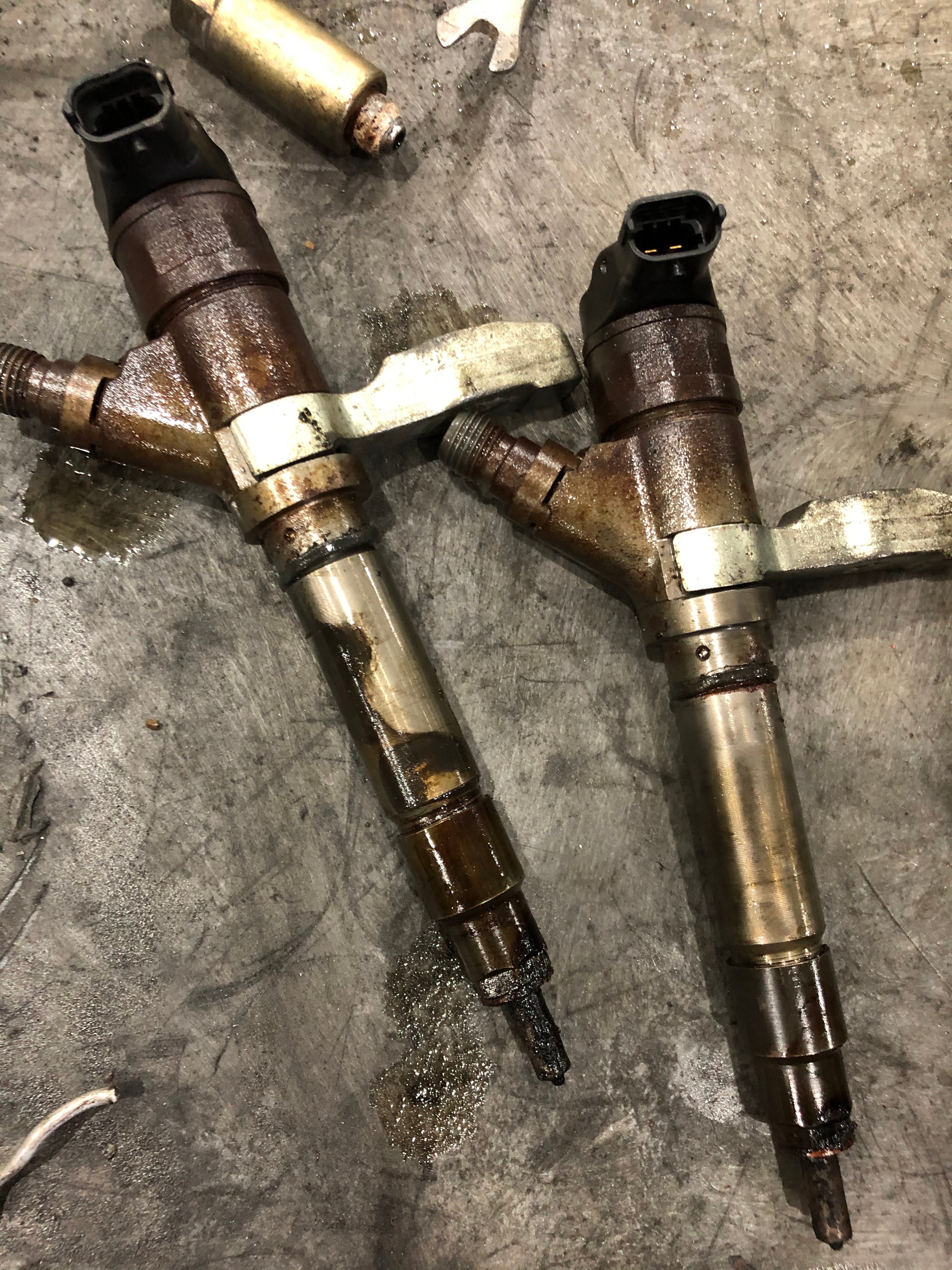
- Dirty fuel and deposits that clog injector nozzles.
- Poor fuel quality or old fuel that leaves varnish inside injectors.
- Water or rust in the fuel tank that corrodes components.
- Electrical issues like bad connectors, damaged wires, or a failed injector driver.
- Mechanical wear from high mileage and heat cycles.
- Fuel additives used incorrectly that can gum up injectors.
Each of these causes leads to the same fuel injector failure symptoms. Clean fuel and regular maintenance reduce risk and extend injector life.

How to diagnose fuel injector failure symptoms
Diagnosing injectors combines simple checks and a few tests. Start with basic observation, then move to tools if needed.
Step-by-step approach:
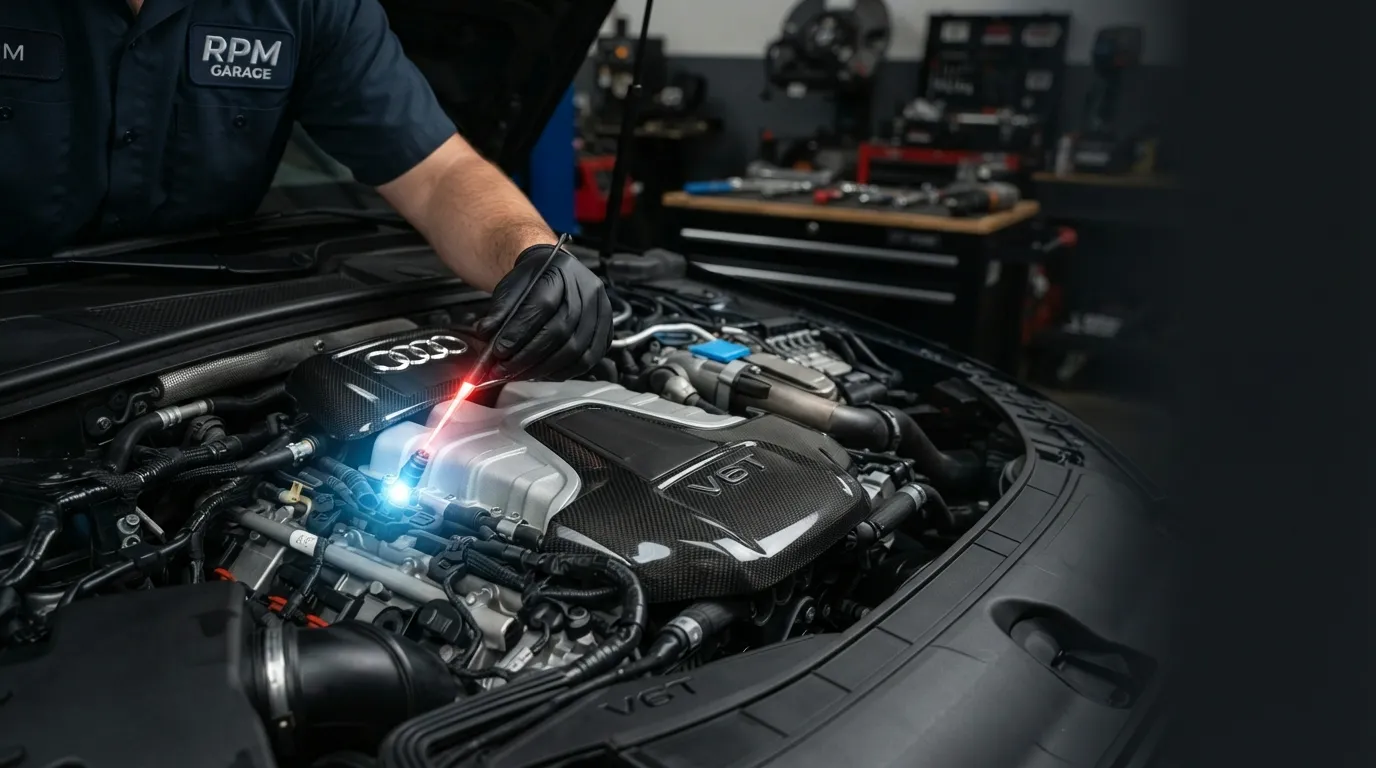
- Listen for changes. A working injector makes a soft clicking sound. Use a mechanic’s stethoscope or a long screwdriver held to the engine to compare cylinders.
- Scan for codes. An OBD2 scanner shows misfire codes and fuel trim data that hint at injector problems.
- Inspect fuel pressure. Low or fluctuating fuel pressure can mimic injector failure symptoms or point to fuel system issues.
- Test resistance. Use a multimeter to check injector coil resistance against manufacturer specs.
- Perform a balance or flow test. A shop can measure flow per injector to find one that’s weak or clogged.
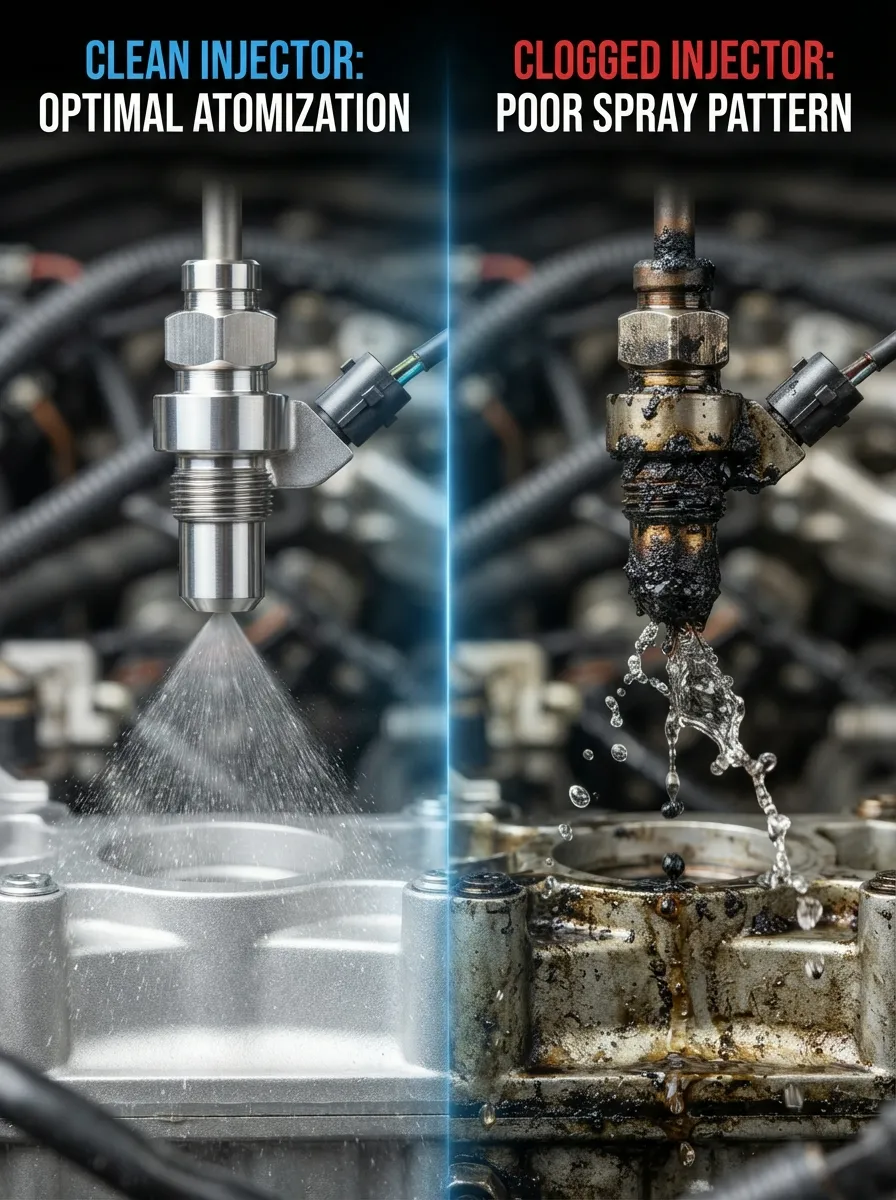
- Check spray pattern. Remove injectors for a visual test or have a professional test spray atomization.
People also ask:
What happens when a fuel injector is clogged?
A clogged injector sprays unevenly or not at all. The engine misfires, idles rough, and fuel economy drops.
Can a bad injector cause the car to stall?
Yes. If an injector fails completely, the air-fuel mix becomes unstable and the engine can stall, especially at idle.
How fast can a failed injector damage an engine?
Damage depends on severity. Running rich or lean for many trips can harm spark plugs, catalytic converters, and even pistons over time.

Repair, cleaning, and replacement options
Once you diagnose injectors, choose the right fix based on cause and budget. Cleaning can restore clogged injectors. Replacement fixes electrical or severe mechanical failures.
Options explained:
- Fuel system cleaning. Additive cleaners or fuel system services can dissolve light deposits. This often fixes mild fuel injector failure symptoms.
- Ultrasonic cleaning. Professionals remove injectors and clean them in an ultrasonic bath for deeper results.
- Injector replacement. Replace individual injectors when cleaning fails or when electrical faults exist. Match OEM or quality aftermarket parts.
- Repair kits. Some injectors have replaceable seals or pintle caps. These kits work for minor leaks and squeaks.
- ECU or wiring repair. If the injector is fine but the driver circuit is bad, you must repair wiring or the control module.
Cleaning may work for many fuel injector failure symptoms. But persistent misfires or damaged injectors usually need replacement. When in doubt, balance cost and long-term reliability.

Costs, time, and when to see a pro
Costs vary by car, injector type, and labor rates. Knowing typical ranges helps you plan.
What to expect:
- Cleaning service costs are generally modest and can be done in a few hours.
- Replacing a single injector typically costs a few hundred dollars including parts and labor. Replacing all injectors will cost more.
- High-performance or direct-injection systems cost more to service and often require special tools.
- If you see persistent misfires, strong fuel smell, or a Check Engine Light that won’t clear, see a pro quickly.
I recommend professional diagnosis if you lack tools or if electrical tests point to wiring or ECU issues. Proper diagnosis saves money and avoids repeating the same repair.

Preventive maintenance and tips to avoid injector failure
Preventing injector failure is cheaper than fixing it. Simple habits and regular care pay off.
Practical tips:
- Use high-quality fuel from reputable stations to reduce contaminants.
- Replace the fuel filter on schedule to stop particles from reaching injectors.
- Avoid long-term storage of fuel in your tank; old fuel can varnish injectors.
- Consider periodic fuel system cleaning every 30,000 to 50,000 miles if you drive in dusty or harsh conditions.
- Check for warning signs early—catching fuel injector failure symptoms early reduces repair scope.
Small steps like keeping the tank above quarter full and changing filters regularly cut the risk of fuel injector failure symptoms significantly.
Personal experience and lessons learned
In my work, I’ve seen cars with subtle injector issues get misdiagnosed as ignition problems. A simple flow test revealed three slightly weak injectors. Cleaning didn’t help, but replacing them fixed the misfires and restored mpg. A mistake I made early in my career was over-relying on a scan tool alone. Live data, listening, and a fuel pressure test saved time and money in later jobs. Trust the symptoms and use the right tests before replacing parts.
Frequently Asked Questions of fuel injector failure symptoms
What are the first signs of a fuel injector going bad?
The first signs are usually a rough idle and slight hesitation on acceleration. You might also notice a small drop in fuel economy.
Can I drive with a bad fuel injector?
You can drive short distances, but continued driving risks engine damage and poor fuel economy. Get it checked soon to avoid bigger repairs.
Will fuel injector cleaner fix all problems?
Cleaner helps remove light deposits but won’t fix electrical faults or physically damaged injectors. It’s a good first step for mild symptoms.
How long do fuel injectors last?
Properly maintained injectors can last many years and over 100,000 miles, but lifespan varies by fuel quality and driving conditions.
Why does the Check Engine Light come on with injector issues?
The engine control unit detects misfires or abnormal fuel trims and triggers codes. Those codes point to fuel delivery or ignition problems that include fuel injector failure symptoms.
Is it better to replace individual injectors or all at once?
If only one injector fails, replacing just that one is often fine. If multiple injectors show wear or flow variance, replace all for balanced performance and longevity.
Are direct injection systems more prone to injector problems?
Direct injection systems operate under higher pressure and can be more sensitive to clogging and deposits. They often need professional cleaning to restore performance.
Conclusion
Fuel injector failure symptoms show up as rough idle, misfires, loss of power, and poor fuel economy. Spotting these signs early and using basic diagnostic steps—listening, scanning, and testing—keeps repairs targeted and affordable. Take preventive steps like using quality fuel and changing fuel filters to avoid most issues. If you notice persistent symptoms, get a professional diagnosis and consider ultrasonic cleaning or replacement. Try the checklist in this article, leave a comment with your experience, or subscribe for more simple car care tips.