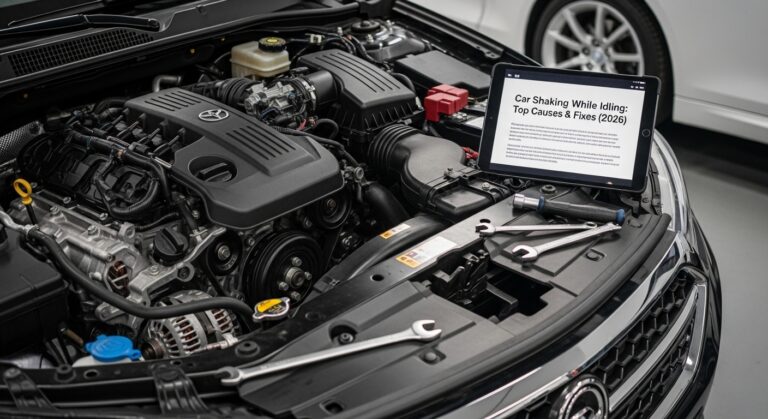
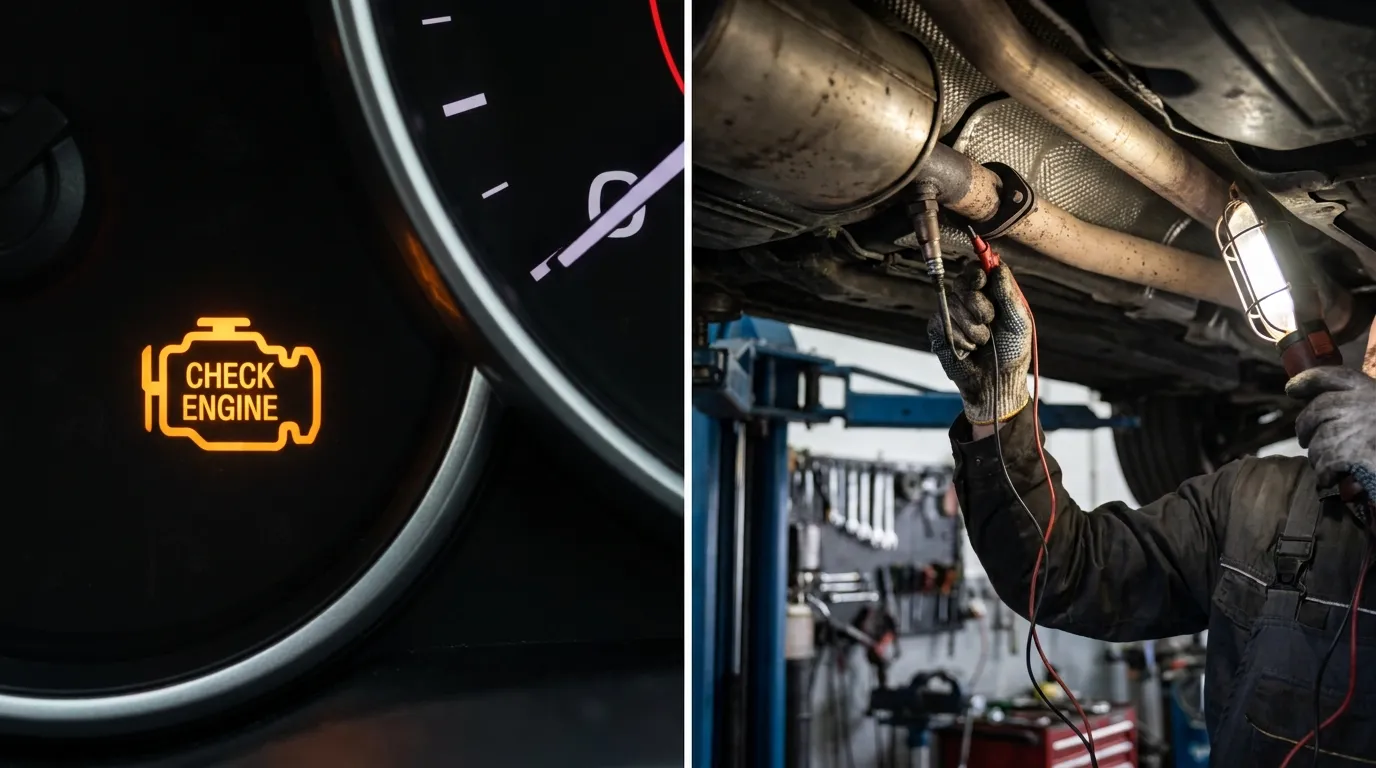
A failing oxygen sensor often causes poor fuel economy, rough idle, a check engine light, and higher emissions.
I have spent years diagnosing and fixing car engine problems, and oxygen sensor failure symptoms are one of the most common issues I see. This guide explains what to watch for, why the symptoms happen, how to test your sensor, and when to repair or replace it. Read on for clear, practical steps and real-world tips to keep your car running clean and smooth.
What an oxygen sensor does and why it matters
An oxygen sensor measures oxygen in exhaust gases. It tells the engine computer if the fuel mix is too rich or too lean. The computer then adjusts fuel injection and timing. A bad sensor gives wrong data. That leads to poor engine performance and higher emissions. Knowing oxygen sensor failure symptoms helps you act fast and avoid bigger repair bills.

Common oxygen sensor failure symptoms
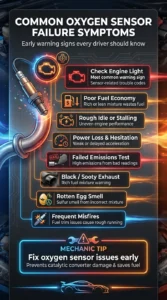
When an oxygen sensor fails, cars tend to show clear signs. Here are the main warning signs to watch for.
- Check engine light is on: The most common sign. The computer logs codes tied to the sensor.
- Poor fuel economy: A bad sensor causes the engine to run rich or lean, wasting fuel.
- Rough idle or stall: The engine may run unevenly or stall at low speeds.
- Hesitation and power loss: Acceleration may feel weak or delayed.
- Failed emissions test: High tailpipe emissions or a failed inspection often point to an O2 issue.
- Black or sooty exhaust: Visible soot can mean a rich mixture from bad sensor readings.
- Sulfur or rotten egg smell: This smell can appear when the fuel mixture is wrong.
- Frequent misfires: Incorrect fuel trims can cause misfire codes and rough running.
I have seen cars with only a subtle drop in mpg show multiple oxygen sensor failure symptoms within weeks. Catching the signs early saved my clients money and prevented catalytic converter damage.
What causes oxygen sensor failure
Understanding causes helps prevent failure and spot related issues.
- Age and wear: Sensors degrade over time from heat and contaminants.
- Contamination: Oil, coolant, or silicone can coat the sensing surface and stop it from working.
- Fuel problems: Bad fuel or additive overuse can foul the sensor.
- Wiring damage: Frayed wires, corrosion, or bad connectors cause signal loss.
- Exhaust leaks: Leaks before the sensor let in air and give false readings.
- Overheating: Repeated extreme temps shorten sensor life.
In my shop, wiring faults and contamination are the top culprits. Replacing a sensor without addressing the root cause leads to repeat failures.

How mechanics diagnose oxygen sensor failure symptoms
A step-by-step look at how to find a failing sensor.
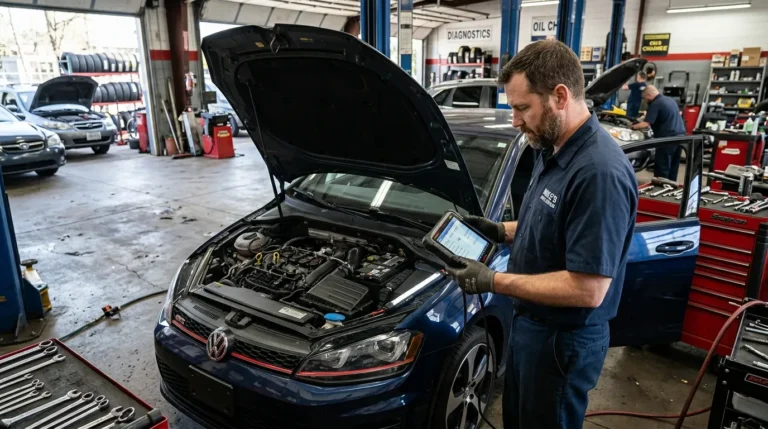
- Read codes: Use an OBD-II scanner to find stored fault codes. Codes like P0130–P0167 often point to O2 sensors.
- Live data: Watch the sensor’s voltage or lambda readings while the engine runs. A healthy upstream sensor should switch quickly between low and high voltages.
- Fuel trims: Check short-term and long-term fuel trims. Large trim corrections suggest bad sensor data.
- Visual check: Inspect wiring, connectors, and the sensor tip for soot or contamination.
- Heater test: Many sensors have heaters. Test heater resistance and operation.
- Swap and test: On multi-sensor systems, swapping sensors can confirm which one is bad.
I advise using live data rather than code-only diagnosis. A code can point to a problem, but the live trace shows if the oxygen sensor failure symptoms are active under load.
Effects on performance, emissions, and components
A bad oxygen sensor does more than trigger a light. It affects other systems.
- Engine performance: Poor throttle response, low power, and unstable idle are common.
- Fuel economy: Running rich burns extra gas and increases costs.
- Emissions: Higher NOx, CO, and HC output can fail inspections.
- Catalytic converter risk: A rich mixture can overheat and damage the converter, a costly replacement.
- Long-term wear: Misfires and improper combustion stress engine parts and spark plugs.
From experience, the most costly follow-on failure is a ruined catalytic converter. Replacing an O2 sensor early is cheap compared to that.

Source: dubizzle.com
Repair, replacement, and costs
How to approach fixing an oxygen sensor problem.
- Confirm diagnosis: Use scan tools and live data. Replace only if tests indicate failure.
- Match OEM spec: Use a sensor that matches your vehicle’s spec for best results.
- Replace wiring if needed: Damaged harnesses cause repeat failure.
- Proper installation: Use anti-seize if manufacturer recommends it. Torque the sensor to spec.
- Cost range: Parts usually cost modestly, while labor varies. Upstream sensors cost more than downstream units in some models.
I once replaced a sensor on the roadside for a client. The part was cheap and the car ran well again. Simple fixes like this are satisfying and cost-effective.
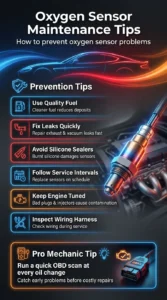
Prevention and maintenance tips
Simple steps help extend sensor life and avoid oxygen sensor failure symptoms.
- Use quality fuel: Cleaner fuel reduces deposits that foul sensors.
- Fix leaks fast: Repair exhaust and vacuum leaks promptly.
- Avoid silicone sealers: These contaminate sensors when burnt.
- Follow service intervals: Replace sensors per the vehicle manual when recommended.
- Keep engine tuned: Worn plugs or bad injectors lead to contamination.
- Inspect wiring: Check the harness during routine service.
I recommend a quick OBD scan at every oil change. It catches early signs and keeps costs down.
Frequently Asked Questions about oxygen sensor failure symptoms
What does a bad oxygen sensor feel like when driving?
You might notice rough idle, hesitation on acceleration, poor fuel economy, or a check engine light. Symptoms can be sudden or gradual.
How soon should I replace a faulty oxygen sensor?
Replace it as soon as diagnosis confirms failure. Waiting can increase fuel use and harm the catalytic converter.
Can a bad oxygen sensor cause a misfire?
Yes. Incorrect air-fuel ratios from a failing sensor can lead to misfires and related engine codes. Fixing the sensor often clears these issues.
Will cleaning an oxygen sensor fix the problem?
Cleaning sometimes helps short-term, but it rarely restores full function. Replacement is usually the reliable fix.
How long do oxygen sensors last?
Most last 60,000 to 100,000 miles depending on type and conditions. Harsh driving or contamination shortens life.
Can a bad oxygen sensor affect emissions testing?
Yes. A failing sensor often results in failed emissions tests due to high tailpipe pollutants. Replacing the sensor usually fixes this.
Conclusion
Recognizing oxygen sensor failure symptoms early saves money and prevents bigger repairs. Watch for a check engine light, poor fuel economy, rough idle, and failed emissions. Diagnose with live data, address root causes like wiring or contamination, and replace sensors when tests confirm failure. Take action: scan your car, inspect for leaks, and schedule sensor checks during regular service. If you found this useful, share your experience, subscribe for more tips, or leave a comment about your car’s symptoms.