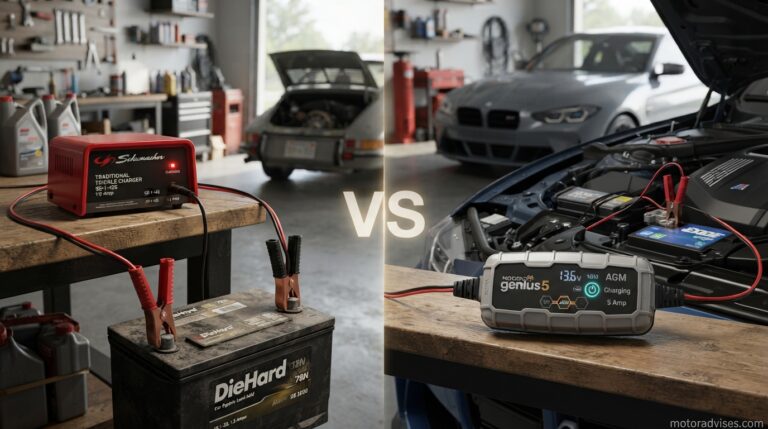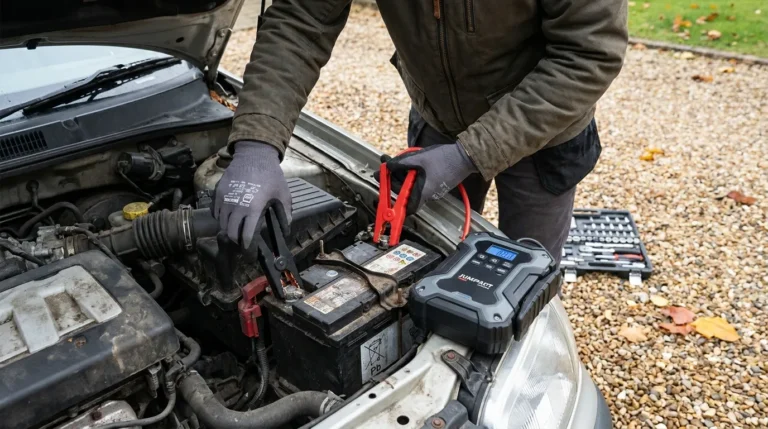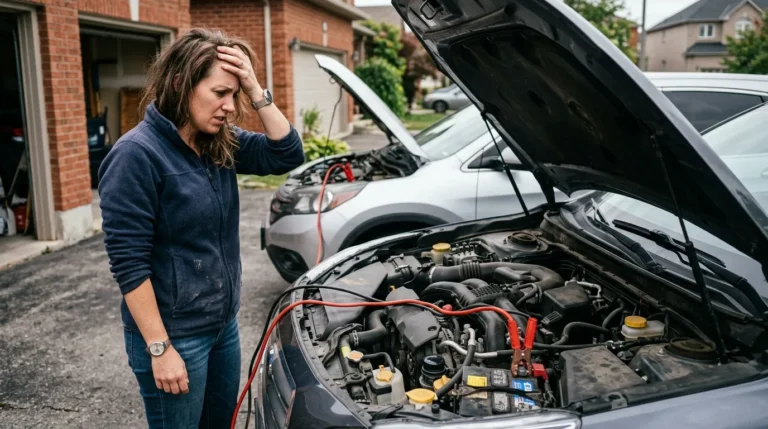
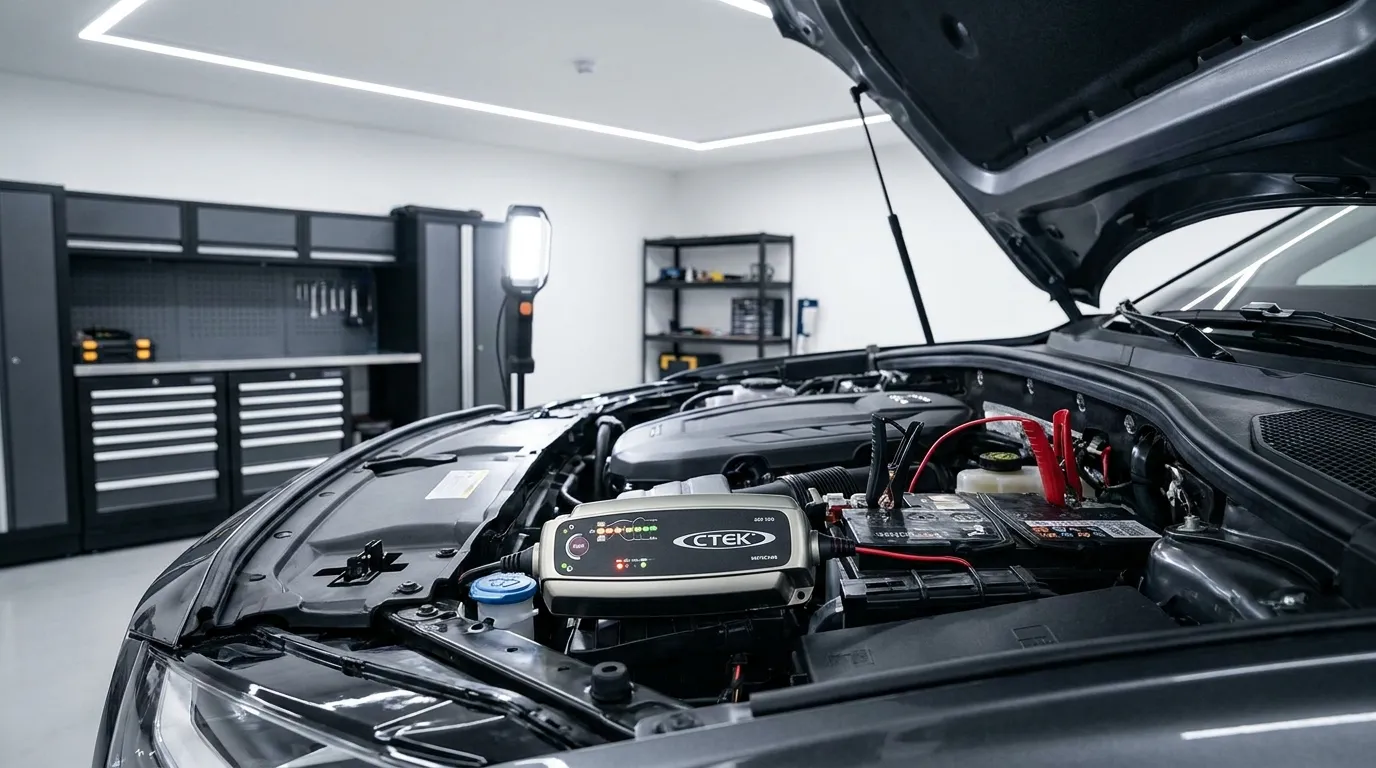
Connect the maintainer to battery terminals, choose the correct mode, and let it float-charge safely.
I’ve spent years maintaining vehicles and testing battery gear, so I know how to use car battery maintainer the right way. This article walks you through clear, safe steps, explains common terms, compares types, and shares tips from hands-on experience. Read on to learn practical how-to steps, safety checks, and troubleshooting so your battery stays healthy and ready.
Why use a car battery maintainer?
A car battery maintainer keeps a battery at optimal charge without overcharging. It preserves battery life by replacing small parasitic drains and preventing deep discharge. Using a maintainer is ideal for seasonal vehicles, classic cars, and any vehicle stored long-term. Regular use reduces the chance of sulfation and lowers the need for replacement batteries.
How a battery maintainer works
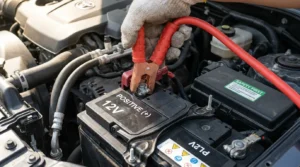
A battery maintainer monitors voltage and delivers a low current that matches the battery’s needs. It uses a float mode to hold charge at a safe level. Many maintainers include microprocessor control and automatic shutoff. Smart maintainers often add desulfation and temperature compensation features to protect the battery.
Types of battery maintainers and chargers
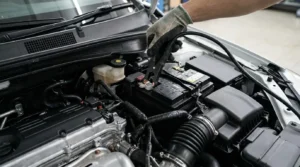
Choose a maintainer based on battery type and use case. Common options include:
- Float or trickle maintainers: deliver a very low steady current for long-term storage.
- Smart maintainers: automatically adjust charge and switch to maintenance mode.
- Multi-stage chargers with maintenance mode: charge and then float to maintain.
- Solar maintainers: useful off-grid but slower and weather dependent.
- Lithium-specific maintainers: designed for LiFePO4 and lithium chemistries.
Match the maintainer to your battery type: lead-acid, AGM, gel, or lithium.
Step-by-step: How to use car battery maintainer
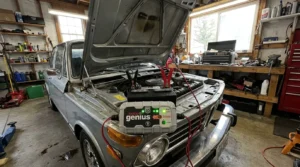
Follow a clear routine to use a maintainer safely and effectively. These steps work for most smart maintainers and float maintainers.
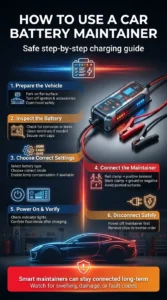
- Prepare the vehicle
- Park on a flat surface and switch off ignition and accessories.
- Engage the parking brake and open the hood.
- If available, consult the vehicle manual for battery access notes.
- Inspect the battery
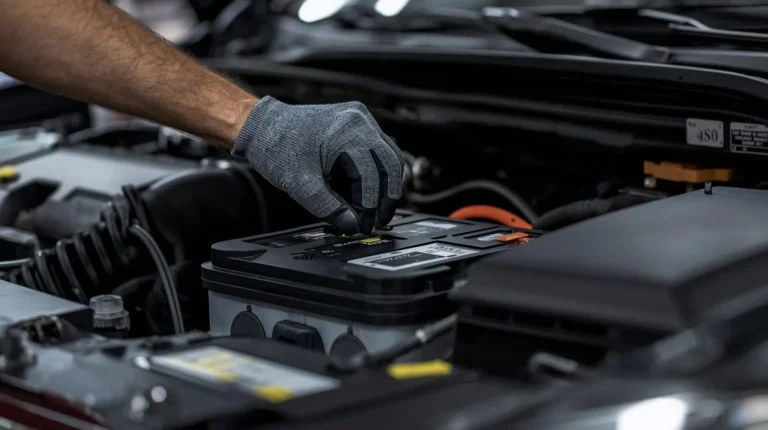
- Check terminals for corrosion, cracks, or leaks.
- Clean terminals with a brush and baking soda solution if needed.
- Ensure vent caps are secure for flooded batteries.
- Choose the right mode and settings
- Select the battery type (lead-acid, AGM, gel, lithium) on the maintainer.
- Pick the correct amp or maintenance mode if model requires it.
- Enable temperature compensation or desulfation if available.
- Connect the maintainer
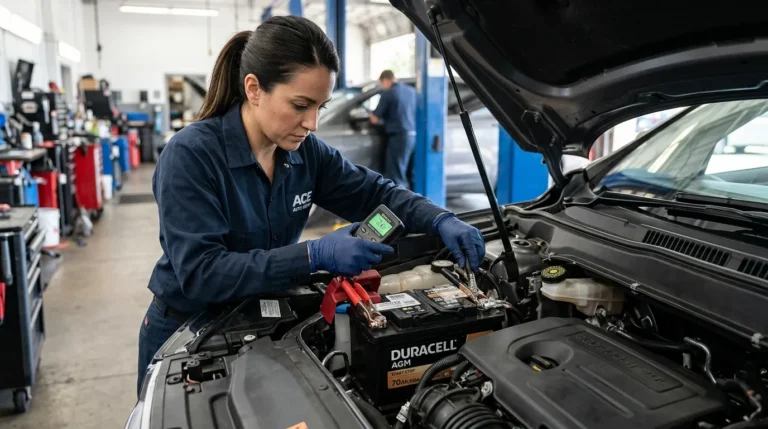
- Attach the positive (red) clip to the battery’s positive terminal.
- Attach the negative (black) clip to a solid ground or battery negative.
- Avoid connecting to painted surfaces or fuel lines.
- Power the maintainer and verify
- Plug in or switch on the maintainer.
- Check indicator lights or display for proper charge status.
- Confirm the unit shows maintenance or float mode after charging.
- Leave it connected as needed
- Smart maintainers can stay connected indefinitely.
- Check battery periodically for damage or swelling.
- Disconnect by powering off the maintainer, then removing clips in reverse order.
Using these steps ensures safe, effective service. If a maintainer gives fault codes or fails to enter float mode, consult the manual or troubleshoot below.
Safety tips when using a maintainer
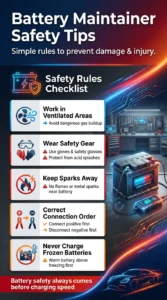
Safety prevents damage and injury. Follow these simple rules every time.
- Work in a well-ventilated area to avoid gas buildup.
- Wear safety glasses and gloves to protect from acid splashes.
- Keep sparks and open flames away from the battery.
- Always connect positive first and disconnect negative first to reduce spark risk.
- Do not charge frozen batteries; warm them first to above freezing.
Troubleshooting and common issues
If things don’t go as planned, check these common problems and fixes.
- Maintainer won’t start: Verify power outlet and fuse; try another outlet.
- No indicator lights: Check the unit’s fuse and cable connections.
- Maintainer reports wrong battery type: Re-select correct chemistry and restart.
- Battery not accepting charge: Test battery voltage; below 10V may need a boost charger.
- Overheating maintainer: Ensure ventilation and avoid charging very hot batteries.
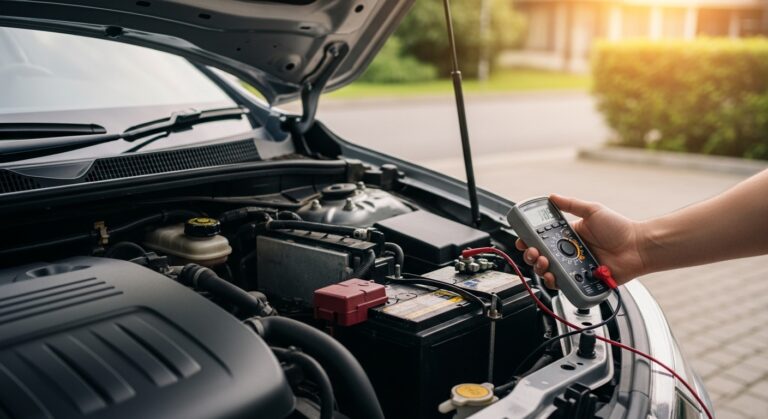
Use a voltmeter to confirm battery health. If the battery still fails, it may need replacement.
Maintenance and best practices
Keep both the maintainer and battery in good shape with these habits.
- Store the maintainer dry and coil the cables loosely.
- Inspect cables and clamps for corrosion or frays regularly.
- Use the maintainer during long storage periods or when a car sits idle.
- Run the vehicle occasionally to keep other systems active.
- Track battery voltage and state of charge every few months.
Buying guide: What to look for
When shopping, consider features that make the maintainer effective and safe.
- Automatic float mode for long-term connection.
- Battery chemistry selection to match your battery.
- Multi-stage charging and desulfation functions.
- Built-in safety protections: reverse polarity, short circuit, and spark protection.
- Clear indicators or digital display for status and error codes.
- Warranty and brand reputation for reliability.
Aim for a unit rated for your battery capacity and use. A 1–2 amp maintainer suits car storage. Higher amps are for faster charging, not long-term maintain.
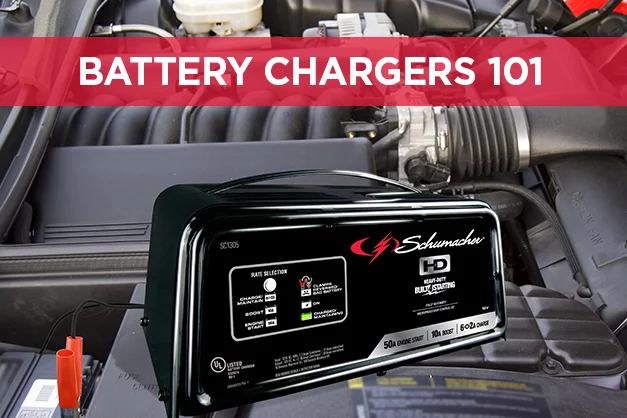
Source: schumacherelectric.com
Personal experience and lessons learned
I’ve used a variety of maintainers over eight years maintaining cars and small fleet vehicles. One winter I left a classic car on a trickle maintainer and avoided a dead battery after months of cold nights. Early on I learned to always check terminal cleanliness first. A corroded clamp can fool a maintainer into thinking the battery is bad. I also learned that cheap units lack temperature compensation, so they can under- or over-charge in extreme weather. Spend a little more for a smart unit; it saves time and batteries.
Common quick questions (PAA-style)
How long should you leave a battery maintainer connected?
Leave a smart maintainer connected indefinitely during storage; it will float-charge and prevent discharge. For non-smart units, follow the manufacturer’s hours limit.
Can a maintainer revive a dead battery?
A maintainer helps prevent discharge but will not reliably revive a deeply sulfated or physically damaged battery. Use a dedicated charger with a recovery mode for low-voltage batteries.
Is a maintainer safe for lithium batteries?
Only use a maintainer explicitly rated for lithium chemistry. Using a unit designed for lead-acid can damage lithium batteries.
Frequently Asked Questions of how to use car battery maintainer
What is the difference between a trickle charger and a maintainer?
A trickle charger provides a constant low current and may overcharge if left too long. A maintainer monitors voltage and switches to float mode to prevent overcharging.
Can I leave a battery maintainer connected all winter?
Yes, a smart maintainer is designed to stay connected all season and will maintain safe float voltage without harming the battery.
How do I connect a maintainer to a car with a built-in alarm or ECU?
Connect to the battery terminals following the maintainer manual. If the vehicle loses power when disconnected, use a memory saver or consult the manual to avoid resetting the ECU.
Will a maintainer fix a corroded terminal problem?
No. A maintainer cannot fix corrosion. Clean terminals first to ensure a good electrical connection and accurate charge readings.
How often should I check the battery while using a maintainer?
Check the battery and maintainer every 4–8 weeks. Look for swelling, leaks, or corrosion and ensure the unit shows the correct maintenance status.
Conclusion
Using a car battery maintainer properly keeps batteries healthy, reduces replacement costs, and prevents surprises when you need your vehicle. Start by choosing the right maintainer for your battery type, follow safe connection steps, and leave a smart unit connected during storage. Small habits like cleaning terminals and checking status monthly make a big difference. Try these steps on your next vehicle storage, and share your experience or questions below to learn more.