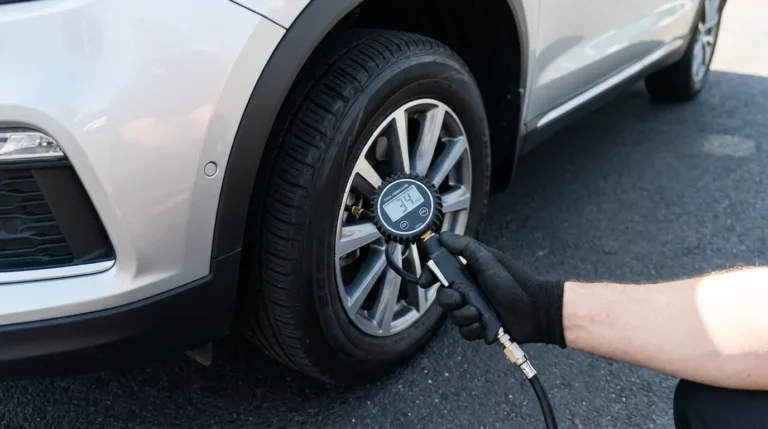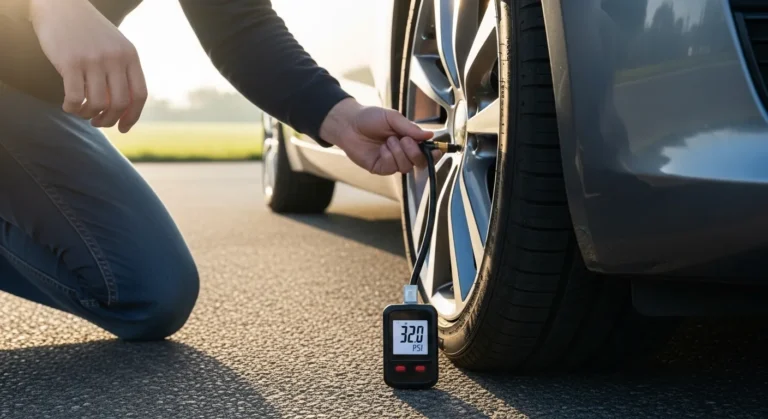
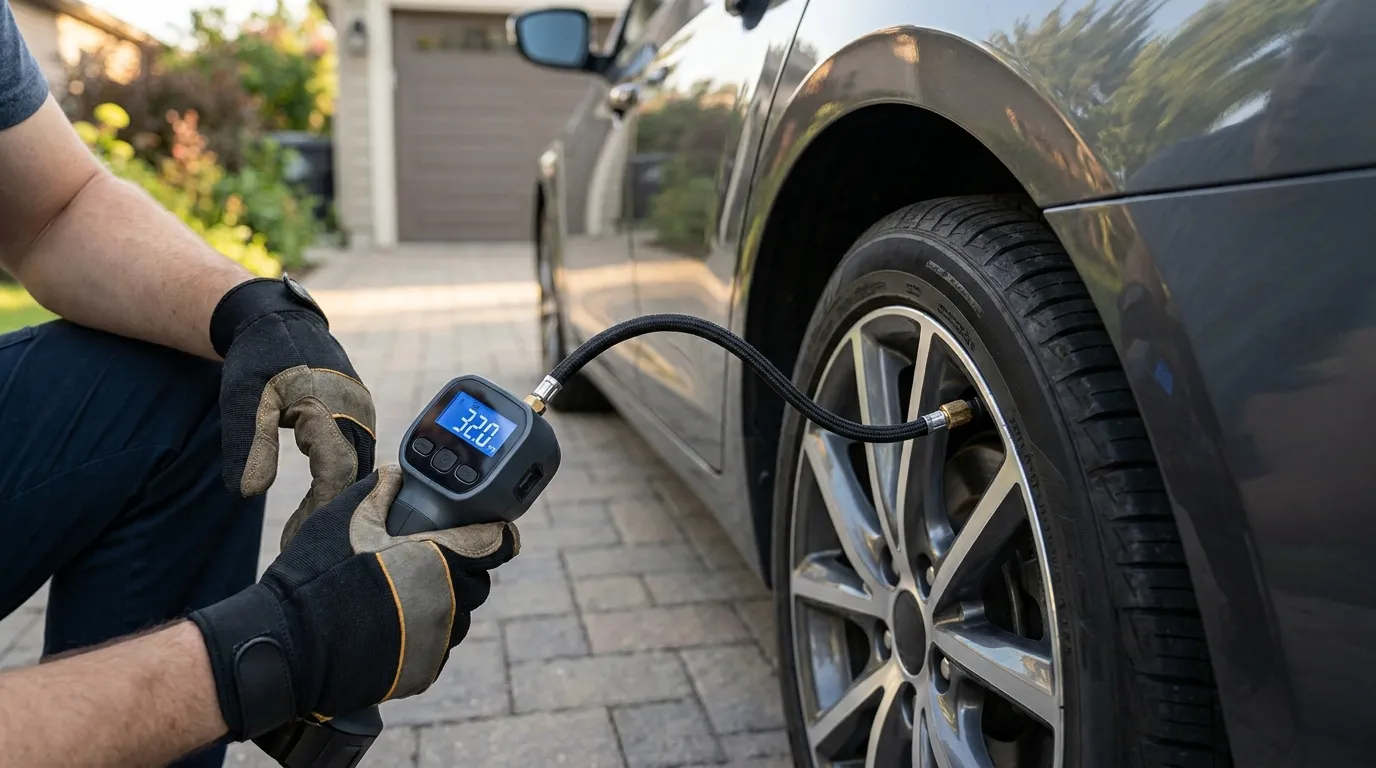
Use a tire inflator by attaching it to the valve, setting the PSI, and inflating to spec.
I’ve spent years fixing flats and keeping cars road-ready, so you’ll get clear, practical steps on how to use tire inflator safely and efficiently. This guide explains types of inflators, exact step-by-step instructions, safety checks, maintenance tips, and real-world lessons from hands-on experience so you can trust your tires and travel with confidence.
Why you should know how to use tire inflator
Knowing how to use tire inflator saves time, money, and stress. A properly inflated tire improves fuel economy, steering, and tire life. Learning the steps gives you confidence to handle slow leaks or low-pressure warnings on the road.
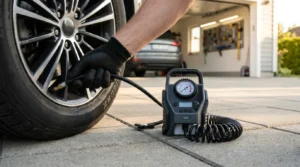
Types of tire inflators and when to use each
There are several common types. Match the tool to your needs.
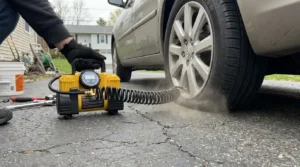
- Portable 12V inflators
- Run from your car’s accessory socket. Good for roadside emergencies and small top-ups.
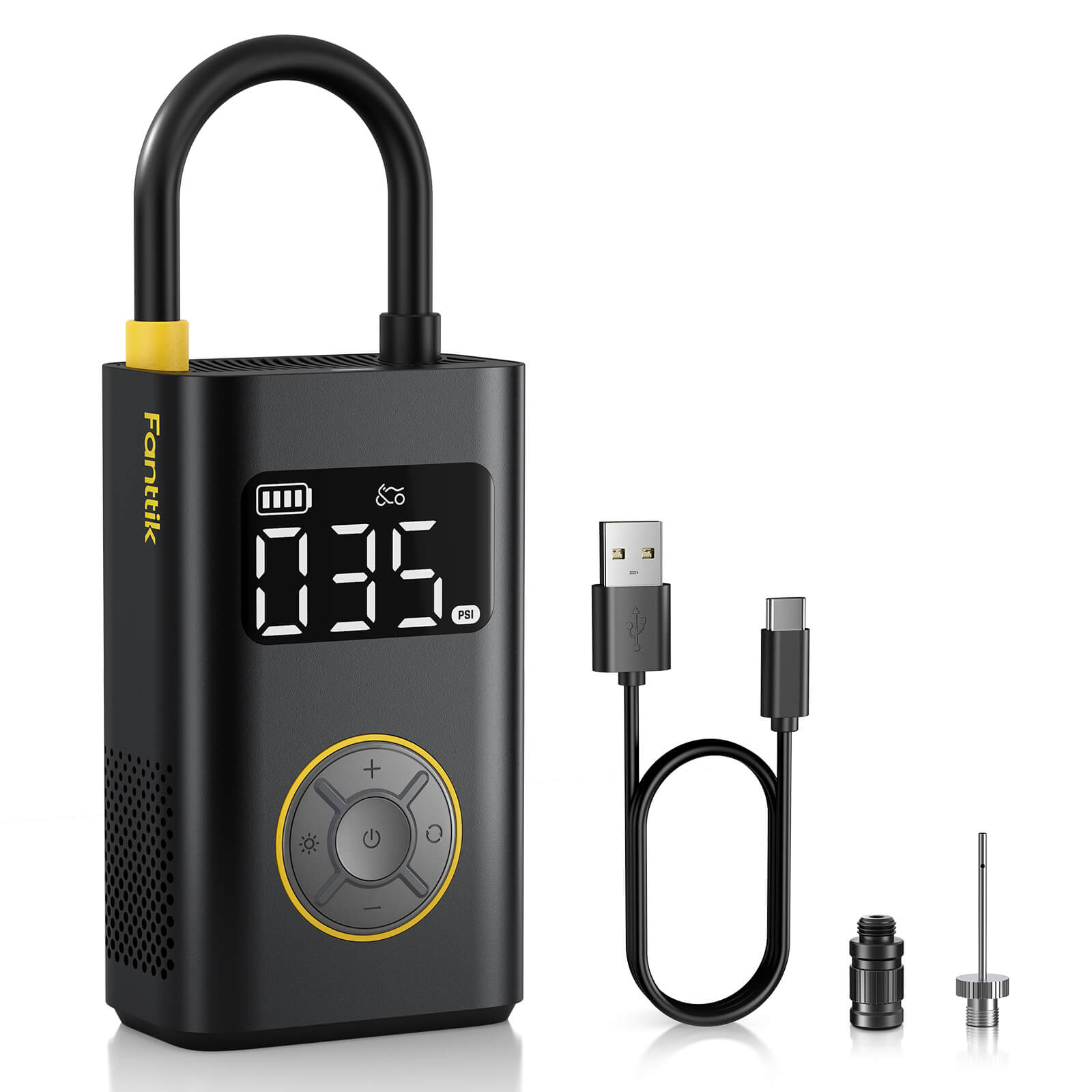
- Cordless battery inflators
- Rechargeable and very handy. Best for frequent users or cyclists.
- Compact hand or foot pumps
- Lightweight and no power needed. Good for bikes or occasional use on small vehicles.
- Shop air compressors
- Powerful and fast. Best for garages and heavy duty use.
Each type changes how you approach how to use tire inflator. Pick a model that fits your routine, travel habits, and vehicle.
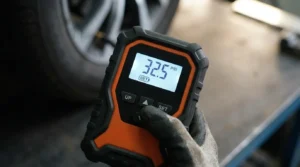
Tools and prep before you start
Prepare to get safe, accurate results.
- Check the recommended PSI on your vehicle placard or owner’s manual.
- Inspect the tire for visible damage or objects.
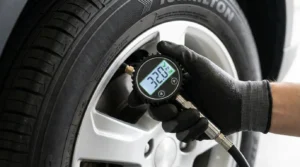
- Have a pressure gauge handy if your inflator doesn’t show PSI.
- Park on level ground and engage parking brake.
Preparation makes how to use tire inflator simple and safe.
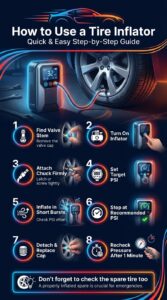
Step-by-step: how to use tire inflator
Follow these short, clear steps to inflate a tire correctly.
- Find the valve stem and remove its cap.
- Turn on your inflator or prepare the pump.
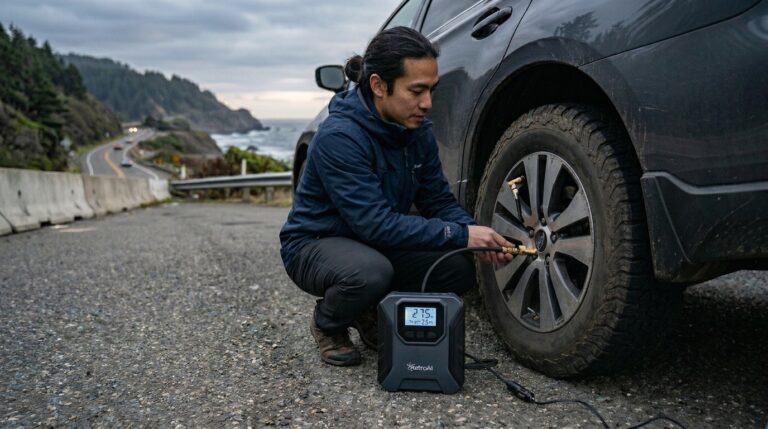
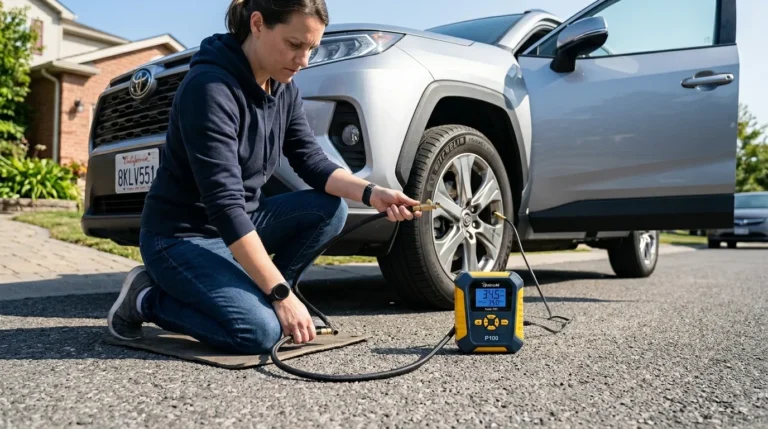
- Attach the chuck to the valve firmly. Some chucks latch or screw on.
- Set the target PSI if your inflator has a gauge or digital setting.
- Inflate in short bursts and check pressure frequently.
- Stop at the recommended PSI and detach the chuck.
- Replace the valve cap and recheck pressure after a minute.
Repeat for all tires, including the spare. These steps show how to use tire inflator without guesswork.
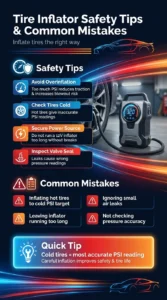
Safety tips and common mistakes
Safety keeps you in control and prevents damage.
- Do not overinflate
- Overinflation can cause poor traction and blowouts.
- Avoid inflating a hot tire to a cold PSI target
- Check pressure when tires are cold for accuracy.
- Secure the inflator power source
- Avoid running a 12V inflator for too long without breaks.
- Watch for leaks at the valve
- A poor seal can waste time and cause wrong readings.
Common mistakes are easy to avoid once you know how to use tire inflator carefully.
Maintenance and care for your inflator
A well-kept inflator lasts longer and performs better.
- Keep the chuck and hoses clean
- Dirt can prevent a tight seal and cause leaks.
- Test the gauge against a known good meter
- Calibrate mentally: cheap gauges drift over time.
- Store in a dry, cool place
- Batteries and electronics last longer when cared for.
- Replace worn parts like valves or seals
- Small parts are cheap and worth swapping when aged.
Regular care helps when you next need to know how to use tire inflator.
Troubleshooting: what to do when things go wrong
Quick fixes for common problems.
- Inflator won’t start
- Check power connection, fuse, or battery charge.
- Pressure reading jumps or is unstable
- Test with another gauge and check for leaks.
- Chuck won’t seal
- Clean the valve and chuck. Consider a different adapter.
These checks make how to use tire inflator a routine, not a panic task.
Real-world tips and personal experience
I once relied on a cheap 12V inflator during a long trip and learned a few lessons. Always carry a backup gauge. Some inflators give optimistic readings; I now double-check pressure with a trusted handheld gauge. When inflating at night, use a model with a light. On a cold morning, expect lower readings and recheck after driving a short distance.
From my experience, practice inflating tires at home to build confidence. This hands-on habit improved how to use tire inflator in emergencies.
When to use a tire inflator vs. professional help
Tire inflators handle most low-pressure needs. Use a tire inflator for:
- Slow leaks
- Seasonal PSI checks
- Emergency flat fixes to get to a repair shop
Seek professional help if you see:
- Sidewall damage
- Rapid deflation or blowouts
- Visible bead damage around the rim
Knowing when to use tire inflator and when to call a pro keeps you safe.
Common questions people also ask
Q: Can I use my inflator on all tires?
A: Most inflators work on car and bike tires. Check the PSI range and chuck size first.
Q: How long does inflation take?
A: It varies by model. Portable 12V inflators can take several minutes per tire; shop compressors are much faster.
Q: Is it OK to inflate a tire at a gas station?
A: Yes. Use a reliable gauge and avoid overinflating. Follow posted instructions.
These short PAA-style answers help expand how to use tire inflator knowledge.
Frequently Asked Questions of how to use tire inflator
How do I attach the inflator to the valve?
Remove the valve cap, place the chuck firmly on the valve, and latch or twist if needed to seal. Ensure a snug fit to prevent leaks.
What PSI should I set the tire to?
Use the vehicle placard or owner’s manual value. Check pressure when the tire is cold for an accurate reading.
How often should I check tire pressure?
Check monthly and before long trips or heavy loads. Tires can lose a few PSI with temperature changes.
Can I use a tire inflator for a puncture?
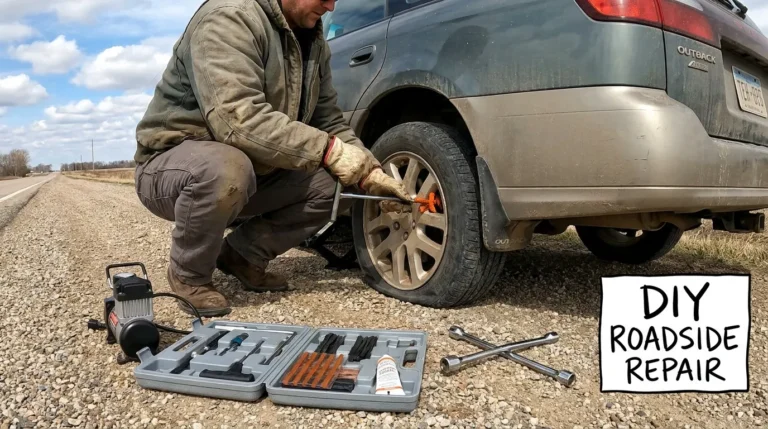
Use the inflator to get you to a safe place, but puncture repairs or replacements should be done by a professional.
My inflator shows different pressure than my gauge—why?
Gauge drift, temperature, and leaks can cause differences. Compare with a calibrated gauge to confirm accuracy.
Conclusion
Knowing how to use tire inflator gives you independence and peace of mind on the road. Learn the steps, pick the right inflator, keep tools in good condition, and practice at home so you’re ready during an emergency. Try these tips next time you check your tires, and share your experience or questions below to help others learn.