Intermittent starting, stalling, and sudden engine shutdowns often point to fuel pump relay problems.
I’ve worked on cars and diagnostic benches for years, so I know the common and subtle fuel pump relay symptoms that confuse drivers and DIY mechanics. This guide explains what a fuel pump relay does, the symptoms to watch for, how to test it safely, and when to replace it — all in plain language with practical tips from real-world experience. Read on to learn how to spot fuel pump relay symptoms early and avoid getting stranded.
What is a fuel pump relay and how it works
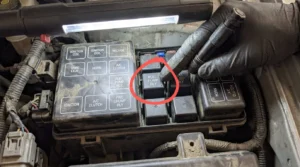
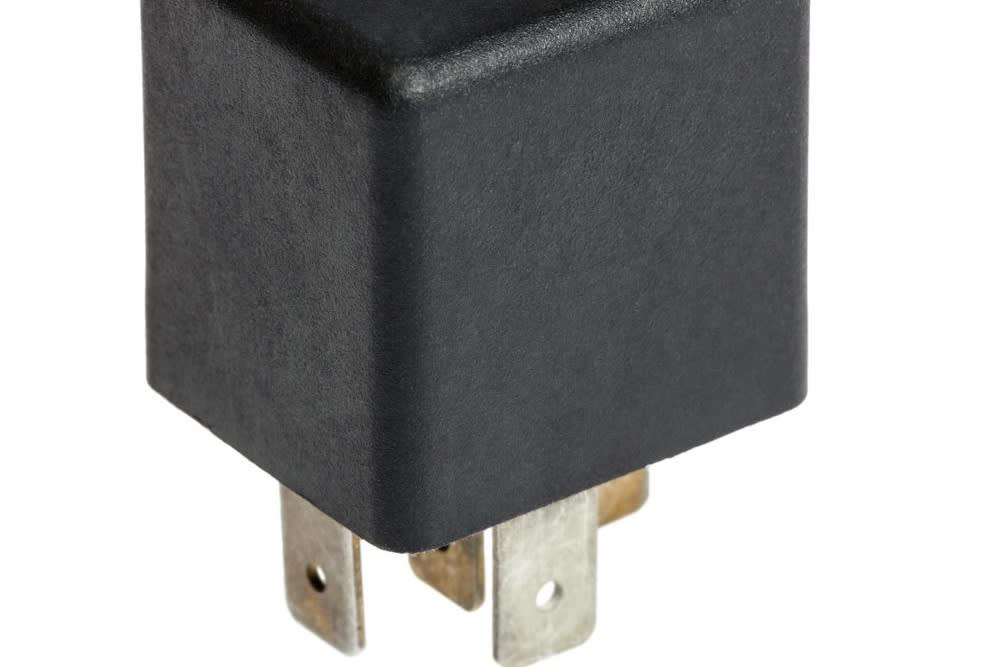
A fuel pump relay is a small electrical switch. It tells the fuel pump when to run. The car’s computer or ignition switch energizes the relay. The relay then allows battery power to flow to the fuel pump. If the relay fails, the pump can stop working intermittently or entirely.
Relays protect circuits and let low-current signals control high-current devices. A bad relay may act like a flaky switch. That leads to many fuel pump relay symptoms that mimic other problems. Knowing the relay’s role helps narrow down diagnosis and avoids unnecessary repairs.

Common fuel pump relay symptoms
Here are the most common fuel pump relay symptoms, explained simply:
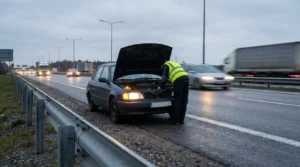
- Intermittent starting or no-start: The engine cranks but won’t start when the relay fails to power the pump.
- Sudden engine stall: The car may run then suddenly die if the relay drops out.
- No fuel pump noise: You usually hear a faint whir from the tank when turning the key; a dead relay often removes that sound.
- Check engine light or diagnostic codes: Codes for fuel pressure, pump circuit, or misfires can appear.
- Reduced engine power or hesitation: Weak fuel delivery causes bogging under load or acceleration.
- Difficulty restarting after stop: Heat or vibration can make a failing relay stop working until cooled.
- Blown fuse or overheating relay: A relay drawing too much current can heat up and fail repeatedly.
- Electrical arcing or melted connector: Visual signs at the relay connector often indicate relay-related issues.
These fuel pump relay symptoms often overlap with bad fuel pumps, clogged filters, or electrical faults. Start with the relay because it’s inexpensive and common to fail.
Causes and risk factors for relay failure
Understanding why relays fail helps prevent repeat issues. Typical causes include:
- Age and wear: Contacts wear and corrode over time, causing intermittent connections.
- Heat exposure: Relays near the engine or under the dashboard can degrade from heat cycling.
- Vibration and mechanical shock: Loose mounting or rough roads accelerates failure.
- Poor electrical connections: Corrosion, water intrusion, or loose terminals raise resistance and heat.
- Overcurrent or short circuits: A failing pump or wiring fault can overstress the relay.
- Cheap aftermarket parts: Low-quality relays can fail much sooner than OEM units.
From my experience, vehicles that sit for long periods or are driven in harsh climates show relay symptoms more often. Inspect connectors when doing any electrical work.
Source: yourmechanic.com
How to diagnose fuel pump relay symptoms
Diagnosing relay issues saves time and money. Follow a logical, safe process:
- Listen first: Have a helper turn the key to ON. Listen near the rear of the car for a 1-3 second pump prime sound.
- Check fuses: Inspect the fuel pump fuse and related fuses for the circuit.
- Swap relays: If the same-spec relay is available in the fuse box, swap it with another identical relay to see if the problem follows the relay.
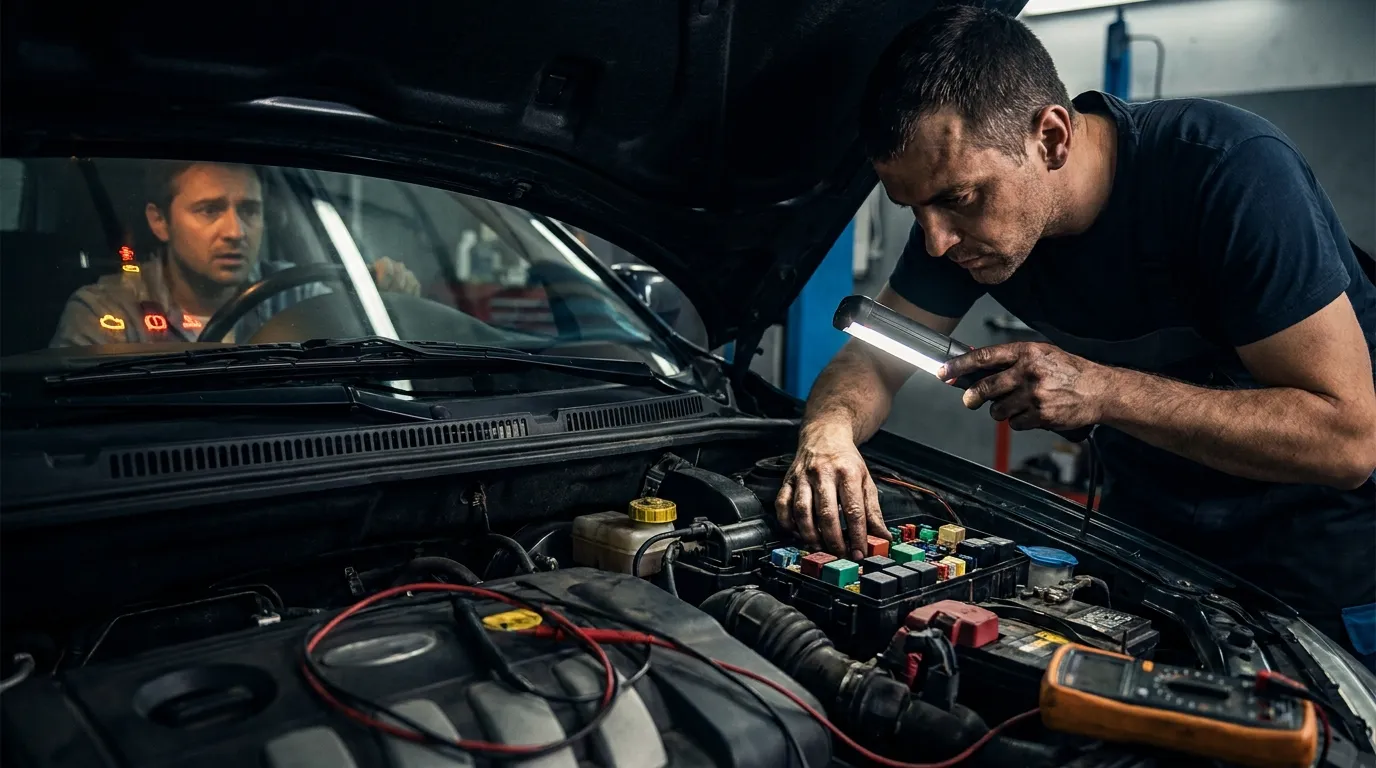
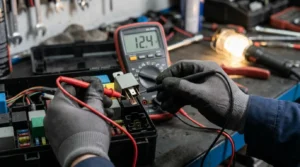
- Test for voltage: With a multimeter, check for 12V at the relay socket with the key ON. Verify voltage at the pump connector (careful near fuel).
- Use a scan tool: Look for fuel pressure codes or relay control commands from the ECU.
- Wiggle test: Gently tap or wiggle the relay while the car is running to see if symptoms change, indicating an intermittent relay.
Can a faulty relay cause stalling?
Yes. A failing relay can drop power to the pump and cut fuel flow, causing sudden stalling while driving. It can be intermittent, making the issue hard to predict.
Why does the fuel pump sometimes click but the car won’t start?
A clicking relay may indicate the coil is energizing but internal contacts are not connecting properly, or voltage is insufficient to drive the pump. Check voltage at the pump and relay contacts.
Will a bad relay throw codes?
Sometimes. Modern ECUs monitor fuel pressure and pump circuits, so they may log codes for low pressure or circuit faults. However, a purely intermittent relay might not store a fault code.
DIY fixes, safety, and replacement steps
If you’re comfortable with basic tools, you can test and replace a relay safely. Follow these steps:
- Safety first: Work outdoors or in a well-ventilated space. Disconnect the negative battery terminal before removing relays or connectors.
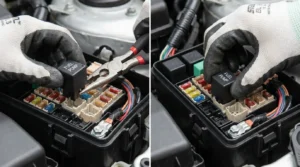
- Visual inspection: Check the relay housing and socket for corrosion, melted plastic, or loose pins. Replace if damaged.
- Relay swap test: Swap with an identical relay in the fuse box. If symptoms stop, replace the original relay.
- Multimeter checks: Verify 12V supply, ground, and control signal at the relay socket. Check resistance of relay coil if you can remove it.
- Replace relay: Use an OEM or high-quality relay matching the specs. Plug in securely. Reconnect battery and test.
- Test drive: Verify that starting, idle, and acceleration are steady with no stalling. Monitor for return of symptoms.
Personal tip: I once chased a dead fuel pump for hours, only to find a corroded relay pin. Always inspect the relay socket before condemning the pump. That saved me and the owner a costly replacement.
When to seek professional help
Some situations need a pro with tools and experience:
- Repeated intermittent faults: If swapping relays or connectors doesn’t solve it, underlying wiring or ECU issues may exist.
- No power to the pump circuit: Professionals can trace wiring and test relay control signals.
- Fuel system repairs: High-pressure fuel systems or in-tank pumps may require specialized tools.
- Safety concerns: If you smell fuel, see damaged wiring, or the connector is melted, stop and get help.
A trained technician can perform bench tests, fuel pressure tests under load, and advanced diagnostics to isolate hard-to-find relay or electrical faults.
Preventive maintenance to avoid relay problems
Small actions reduce relay failure risk:
- Keep electrical connections clean and dry.
- Replace relays at the first sign of trouble or during major service intervals.
- Use quality relays with correct ratings.
- Inspect fuse box and relay mounting for heat damage.
- Address fuel pump electrical issues promptly to avoid overloading the relay.
Regular checks while doing oil changes can catch early fuel pump relay symptoms and prevent roadside breakdowns.
Frequently Asked Questions of fuel pump relay symptoms
What are the first signs of a bad fuel pump relay?
The first signs are often intermittent starting issues and the absence of the pump’s prime sound when turning the key. You may also notice the car dying suddenly without warning.
How can I test a fuel pump relay without special tools?
You can swap the suspect relay with an identical relay from the fuse box or listen for the pump noise when the key is turned to ON. These simple checks often point to relay failure.
Can a fuel pump relay cause a no-start condition?
Yes. If the relay fails to supply power to the pump, the engine will crank but not start due to lack of fuel. Intermittent relay action can make the problem appear and disappear.
Is it expensive to replace a fuel pump relay?
No. Relays are relatively inexpensive parts. Labor varies, but many relays are accessible and can be replaced quickly by a DIYer or technician.
Should I replace the fuel pump when the relay fails?
Not automatically. Replace the relay first and retest. Replace the pump only if diagnostics show the pump is faulty.
How long do fuel pump relays last?
Relays can last many years, but exposure to heat, moisture, and vibration shortens life. Regular inspection helps catch failures early.
Conclusion
Fuel pump relay symptoms range from subtle hesitation to complete no-starts. Spotting common signs like no prime sound, intermittent stalling, and hard starts can save time and money. Test the relay before replacing expensive fuel system parts, and use quality replacements to prevent repeat failures. Take action early: inspect connectors, run simple relay tests, and ask a pro for help if the issue is intermittent or electrical in nature. If this guide helped, try the checks outlined here, subscribe for more troubleshooting tips, or leave a comment with your car model and symptoms so I can help further.