Most rough idle comes from air, fuel, or spark faults and vacuum leaks.
If your car shakes at a stop, you want quick, clear answers. I’ve spent years chasing engine rough idle causes on daily drivers and performance cars. This guide breaks down what rough idle is, the most common issues, how to test each one, and how to fix them with confidence. Stay with me. By the end, you’ll understand engine rough idle causes like a pro and know what to do next.
What Rough Idle Feels Like and Why It Matters
A rough idle is when the engine shakes or stumbles at rest. The RPM may hunt or dip. The exhaust note may sound uneven. The steering wheel can buzz.
This matters because rough idle is a symptom. It hints at poor air, fuel, or spark balance. Leaving it alone can hurt fuel economy. It can also damage the catalytic converter. If the check engine light is on, you may fail an emissions test.
I’ll link each symptom to likely engine rough idle causes. That will save you time and money.

Main Engine Rough Idle Causes
Most issues fall into a few buckets. Air leaks, fuel mix errors, weak spark, dirty parts, or worn engine parts. Here are the top engine rough idle causes I check first.
- Vacuum leaks
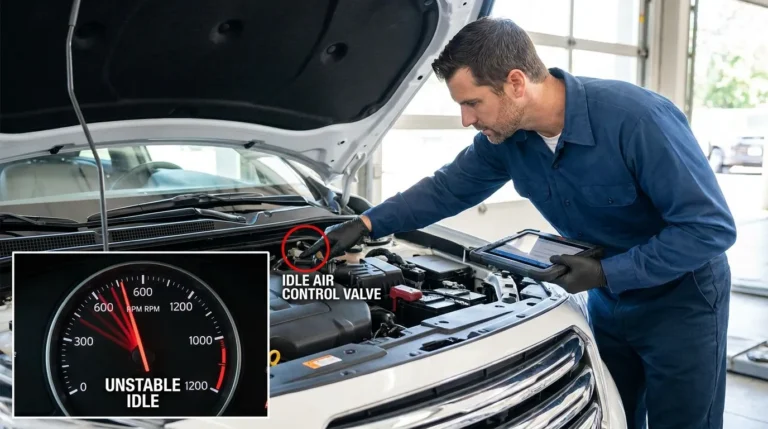
Air sneaks in after the mass airflow sensor. This leans the mix. Look at brittle hoses, intake boots, brake booster lines, and the PCV system. A whistle sound is a clue. - Dirty throttle body or sticky idle air control (IAC)
Carbon can block airflow at idle. The engine starves for air and shakes. Electronic throttle cars still suffer if the blade is dirty. - Faulty MAF or MAP sensor
Bad data skews fuel trims. You get a lean or rich mix. The result is stumble and low power at idle. - EGR valve stuck open
Exhaust gas at idle should be near zero. If the valve leaks, idle turns rough. You may smell fumes. - PCV valve stuck or hose cracked
Too much or too little crankcase flow changes idle vacuum. This is a cheap fix and a common one. - Ignition misfire
Worn spark plugs, bad coils, or old wires cause a weak spark. One dead cylinder at idle feels like a thump every few seconds. - Fuel delivery issues
Clogged injectors, a weak pump, or a restricted filter lean out the mix. On direct-injection engines, injector spray patterns matter a lot. - O2 sensor or coolant temp sensor faults
If the ECU thinks the engine is cold or rich when it is not, it will add or pull fuel. Idle goes unstable. - Exhaust leak before the O2 sensor
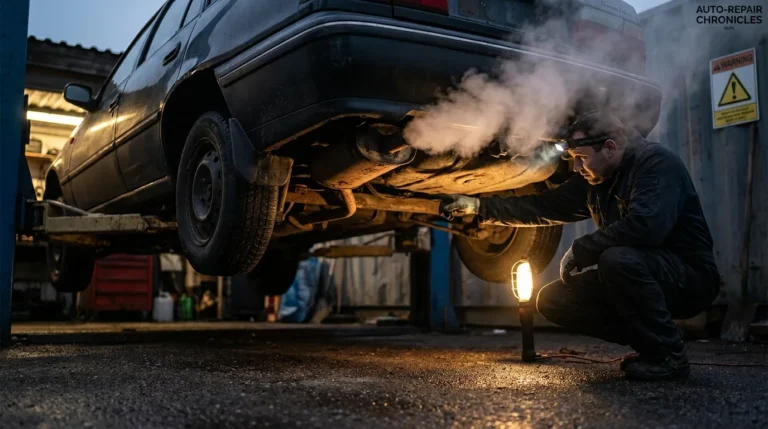
Extra air fools the sensor. The ECU leans the mix too much. Idle roughness follows. - Low compression or timing problems
Burnt valves, worn rings, or jumped timing chains cause uneven power. This is less common but serious.
These engine rough idle causes can stack. A small vacuum leak plus old plugs can feel like a big problem. Fix the basics first.

How To Diagnose Engine Rough Idle Causes At Home
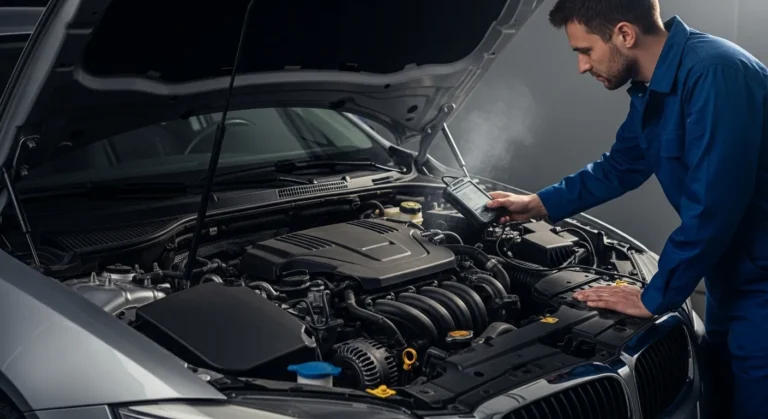
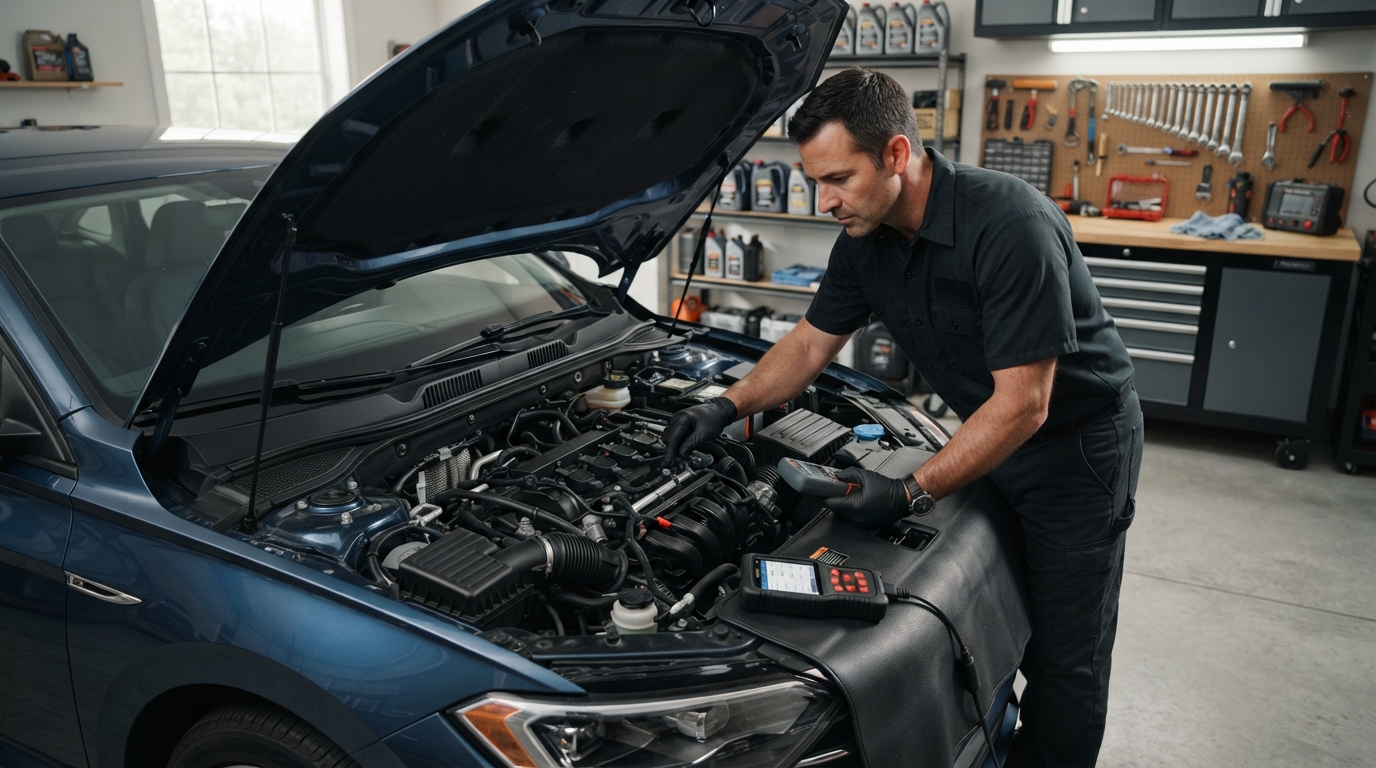
You can find most faults with simple tools and a plan. Here is a flow that works.
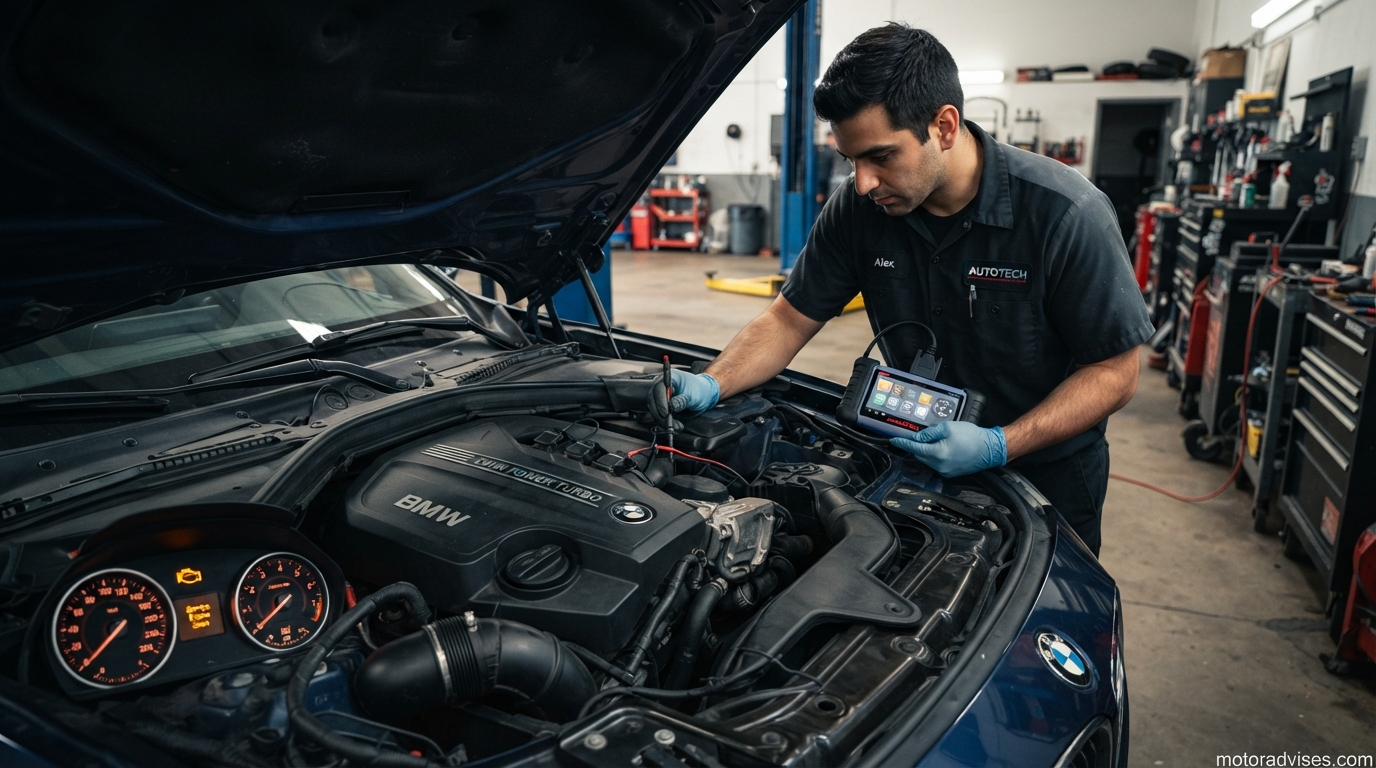
- Scan for codes
Use an OBD-II scanner. Note codes like P0300 (random misfire), P0171 (system too lean), or MAF/EGR/IAC codes. Check freeze-frame data to see when it happened. - Watch fuel trims
Look at short-term and long-term fuel trims. High positive trims at idle suggest a vacuum leak. High trims at cruise suggest fuel delivery or MAF issues. - Listen and inspect
Open the hood at idle. Listen for hissing. Wiggle vacuum lines. Look for cracked intake boots and oil around PCV lines. - Spray test for leaks
Lightly mist carb cleaner near suspect joints. If RPM rises, you found a leak. Use care and keep a fire extinguisher nearby. - Clean the throttle body and IAC
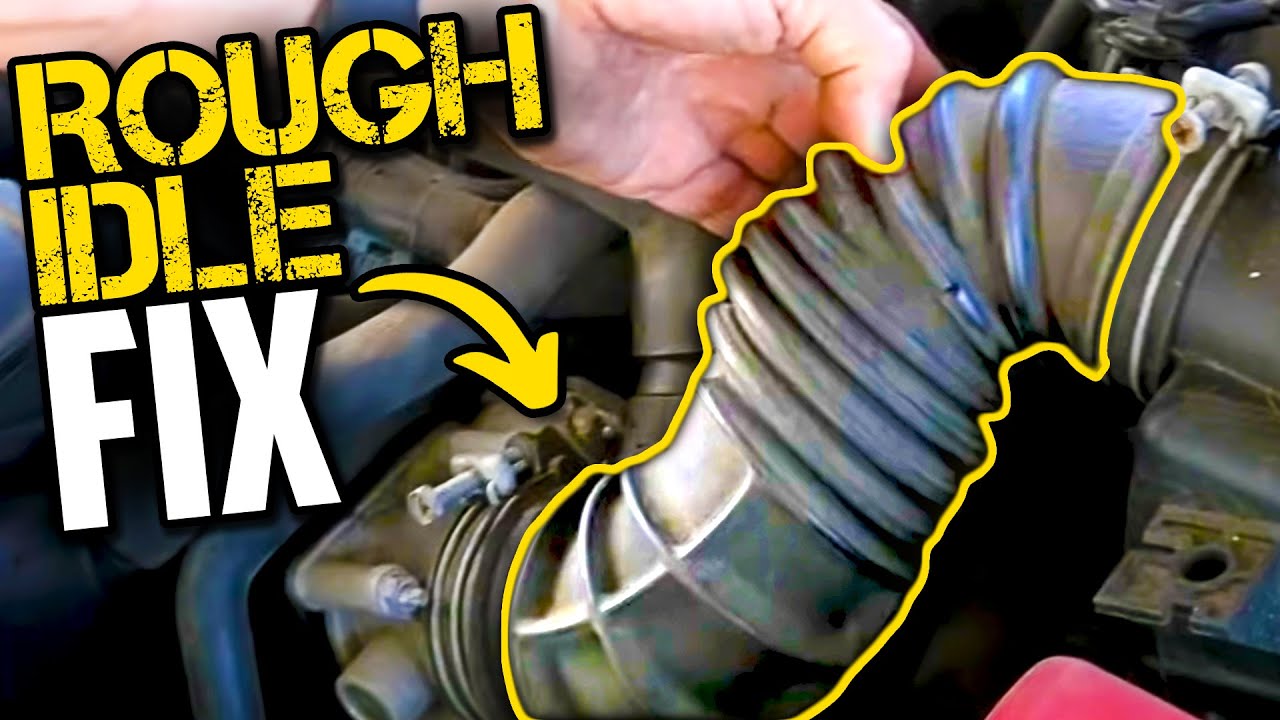
Remove the intake tube. Clean the blade and bore with proper cleaner. Do not force the blade. Follow service manual steps. - Quick MAF check
With the engine idling, gently tap the MAF housing or unplug and see if idle changes. No change can point to a bad MAF. Do not run it unplugged for long. - Coil and plug check
Pull plugs and read them. Ashy white suggests lean. Sooty black suggests rich. Swap coils between cylinders if you have a single-cylinder misfire code and see if the code follows. - Injector balance
Listen to each injector with a mechanic’s stethoscope. A quiet one may be stuck. A bottle of top-tier cleaner can help minor clogging. - Compression and smoke tests
If all else fails, do a compression test. Use a smoke machine to find hidden leaks. These tests nail down tough engine rough idle causes.
Take notes. One clue leads to the next. This method saves parts and avoids guesswork.

Fixes And Preventive Maintenance
Most engine rough idle causes have simple fixes if you act fast.
- Seal vacuum leaks
Replace cracked hoses and intake gaskets. Swap the PCV valve if it rattles weak or sticks. - Service the throttle body and IAC
Clean carbon every 30,000 to 45,000 miles. On drive-by-wire cars, do a throttle relearn if needed. - Refresh ignition parts
Install new OEM-spec spark plugs on schedule. Replace weak coils or wires. Do not mix cheap parts. - Restore fuel delivery
Use a quality fuel system cleaner once or twice a year. Replace fuel filters on time. Clean or service injectors if trims stay high. - Calibrate or replace sensors
Replace a failing MAF or MAP with a quality unit. Fix EGR faults. Swap a bad coolant temp sensor if warm-up fueling is wrong. - Keep the intake clean on GDI engines
Walnut blast intake valves around 60,000 to 90,000 miles if buildup causes idle shake. - Update software
Some idle issues come from old ECU tunes. A dealer update can help.
Staying on top of these will cut future engine rough idle causes and improve MPG.

Special Cases You Should Consider
Not all rough idle problems look the same. Context matters.
- Rough on cold start only
Check coolant temp sensor, intake air leaks, and fuel enrichment. Sticky IAC and dirty throttle bodies show up here. - Rough with AC on or in gear
Idle loads rise. Weak IAC control, dirty throttle, or tired engine mounts can feel worse with AC. - Rough after refueling
Look at the EVAP purge valve stuck open. It feeds raw vapors at idle and upsets the mix. - Rough on modern direct-injection engines
Carbon on intake valves and leaky injectors are common engine rough idle causes here. - Rough on older high-mile cars
Vacuum hoses, PCV systems, and intake gaskets age out. A smoke test pays off.
These hints guide your tests and cut the time to fix.

Real-World Stories And Pro Tips
A customer’s compact sedan came in with a shake at lights. No codes. Fuel trims were +18% at idle and near zero at cruise. That screamed vacuum leak. A tiny crack hid under the intake boot. Replaced boot, cleaned the throttle body, and trims dropped to +2%. The car idled like new.
Another case was a truck with a steady misfire at idle and a raw fuel smell. The plug on cylinder three was wet and dark. A new coil and plug fixed it. The owner had swapped cheap plugs last year. Lesson learned: use the right parts, not the cheapest ones.
Pro tips to speed up rough idle fixes:
- Start with data. Codes and trims point the way.
- Fix air leaks first. They cause many engine rough idle causes.
- Clean before you replace. Throttle and MAF cleaning can work wonders.
- Test one change at a time. Confirm results.
- Keep records of parts and mileage.
Typical Costs And Time Estimates
Budgets matter. Here are ballpark numbers for common engine rough idle causes. Labor varies by region.
- Vacuum hose or PCV repair: 20 to 100 dollars in parts, 0.5 to 1.5 hours.
- Throttle body clean: 0 to 20 dollars DIY, up to 150 dollars at a shop.
- Spark plugs: 20 to 120 dollars in parts, 0.5 to 2 hours.
- Coil-on-plug: 40 to 120 dollars each, 0.3 hour per coil.
- MAF sensor: 80 to 250 dollars, 0.3 hour.
- Injector cleaning: 10 to 30 dollars for a cleaner, 100 to 300 dollars for bench service.
- Intake gasket: 20 to 80 dollars, 1 to 3 hours.
- Compression or leak-down test: 0 dollars DIY with a loaner tool, 100 to 200 dollars at a shop.
Spend first on tests that confirm the fault. That cuts total cost and avoids parts darts.

Frequently Asked Questions of engine rough idle causes
What are the most common engine rough idle causes?
Vacuum leaks, dirty throttle bodies, and worn spark plugs lead the list. Bad MAF sensors and clogged injectors are close behind.
Can bad gas cause a rough idle?
Yes, stale or low-quality fuel can cause stumble and misfires. Use top-tier fuel and add a cleaner if needed.
Why is my car rough only at stoplights?
Idle needs a precise air and fuel balance. Small leaks, dirty throttle plates, or weak coils show up most at low RPM.
Is it safe to drive with a rough idle?
Short trips may be fine, but risk grows over time. You can damage the catalytic converter and waste fuel if the mix is off.
Will new spark plugs fix rough idle right away?
If plugs are the cause, yes. But if the root issue is a vacuum leak or sensor fault, plugs alone will not solve it.
How do fuel trims help find engine rough idle causes?
High positive trims at idle point to air leaks or low fuel. Negative trims suggest a rich mix from leaks in EVAP or a stuck injector.
Can an O2 sensor cause rough idle?
A lazy or dead sensor can skew fueling at idle. That leads to a surge, stumble, or rich smell.
Conclusion
Rough idle is your engine’s way of asking for help. Most fixes are simple once you know where to look. Start with codes and fuel trims. Check for air leaks. Clean the throttle body. Then test spark and fuel. These steps solve the most common engine rough idle causes without guesswork.
Take action today. Use the checklist, make one careful change at a time, and track results. If you get stuck, share your symptoms and what you tested. Subscribe for more hands-on guides, or leave a comment with your toughest engine rough idle causes. I’m here to help.