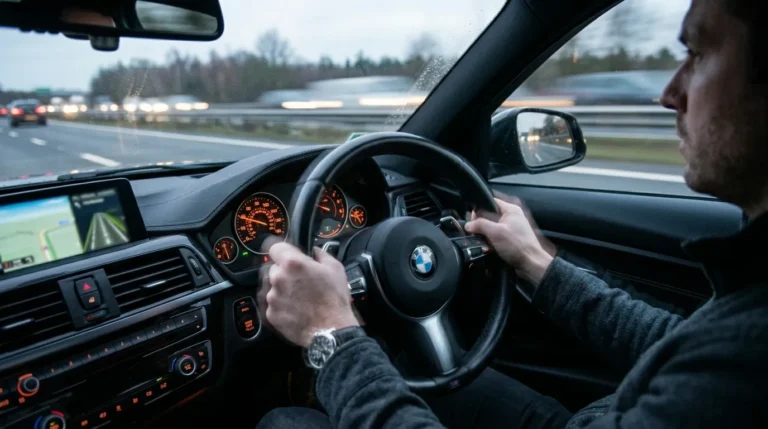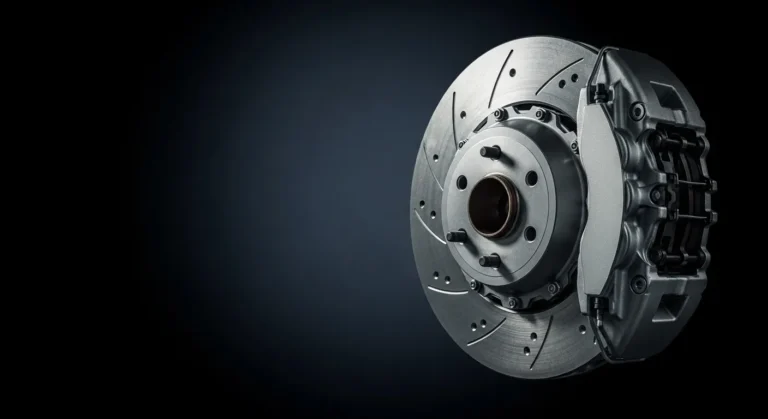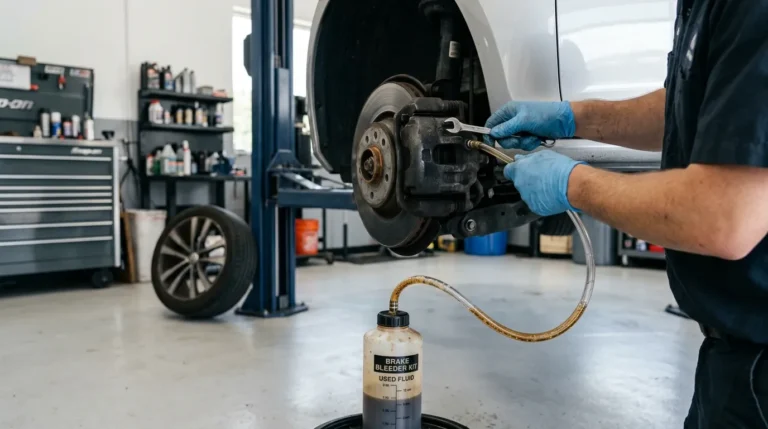
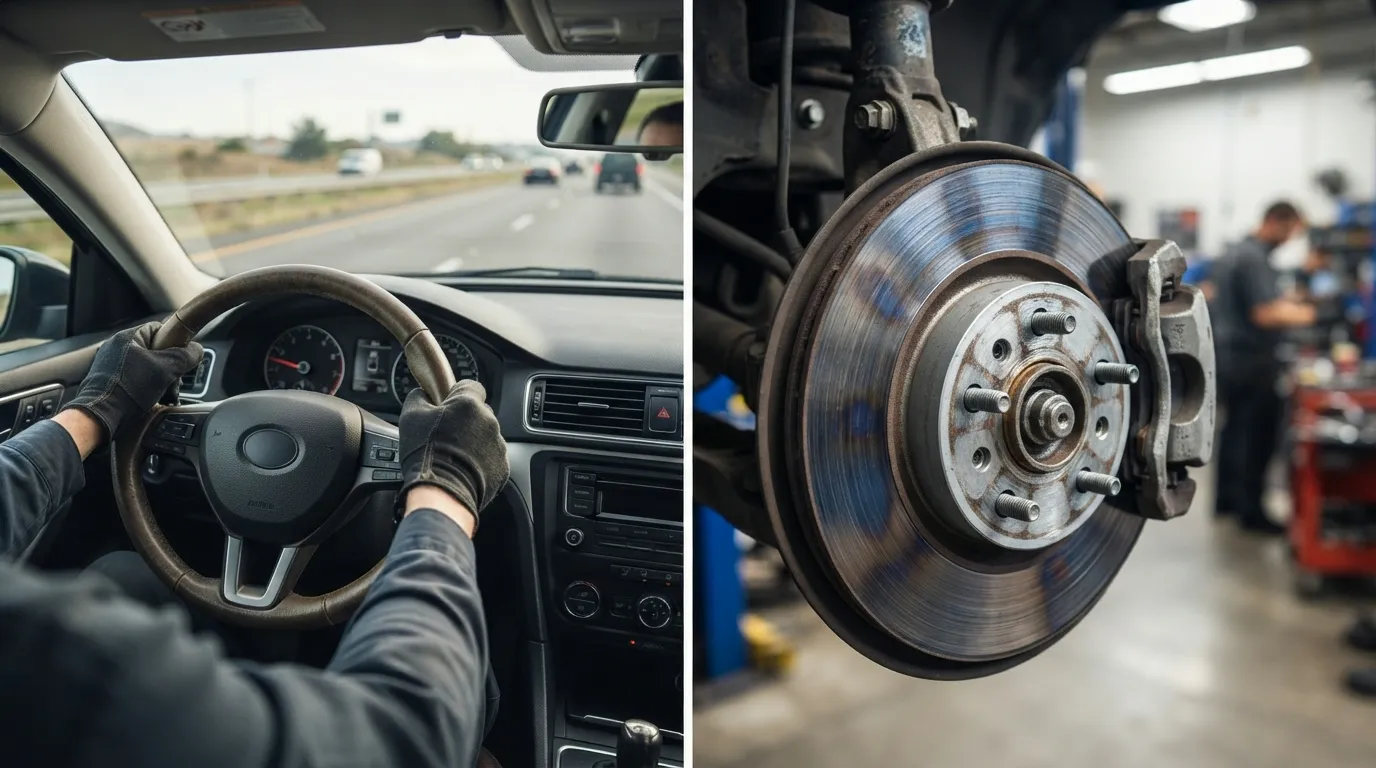
A car shakes when braking because brake rotors, tires, or suspension parts are not even.
If your car shakes when braking, you are right to worry. I’ve diagnosed hundreds of these cases in the shop. In this guide, I break down why a car shakes when braking, how to find the cause fast, and the best fixes that last. You will learn how to test it at home, what a pro does, and how to stop the shake for good.
What it feels like when a shake points to the brakes
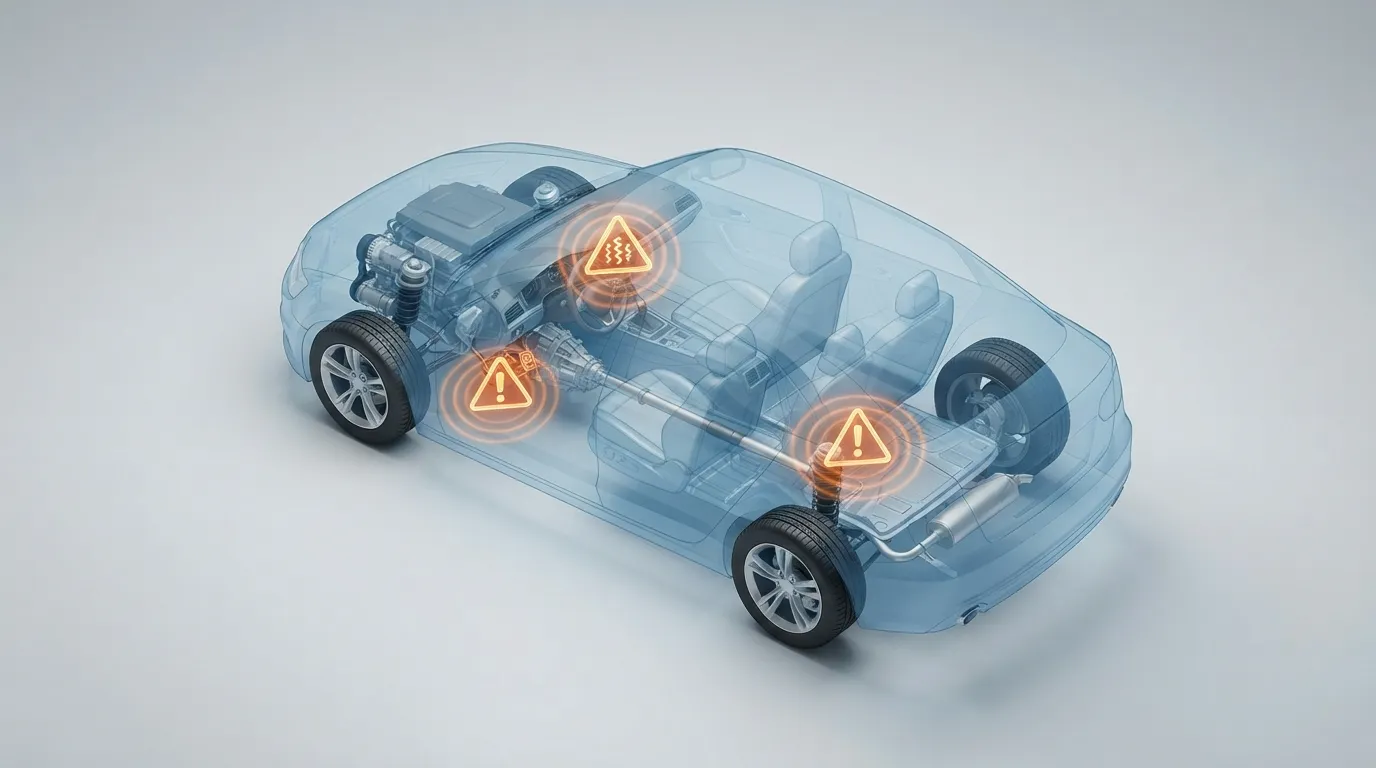
Most drivers feel the shake in three ways. Each hint points to a likely part.
- Steering wheel wobbles under light to medium stops. This often means front rotors have thickness variation or deposits.
- Brake pedal pulses up and down. This points to rotor surfaces that are not even all around.
- Seat, floor, or whole car vibrates at higher speeds. This can mean rear brakes, bent wheels, or loose suspension parts.
If your car shakes when braking only at highway speeds, heat and speed make small flaws worse. If the shake fades at low speed, the issue is still there, just less clear. When a car shakes when braking on a hill, the brakes may be hot or glazed.
Main causes of a car shaking under braking
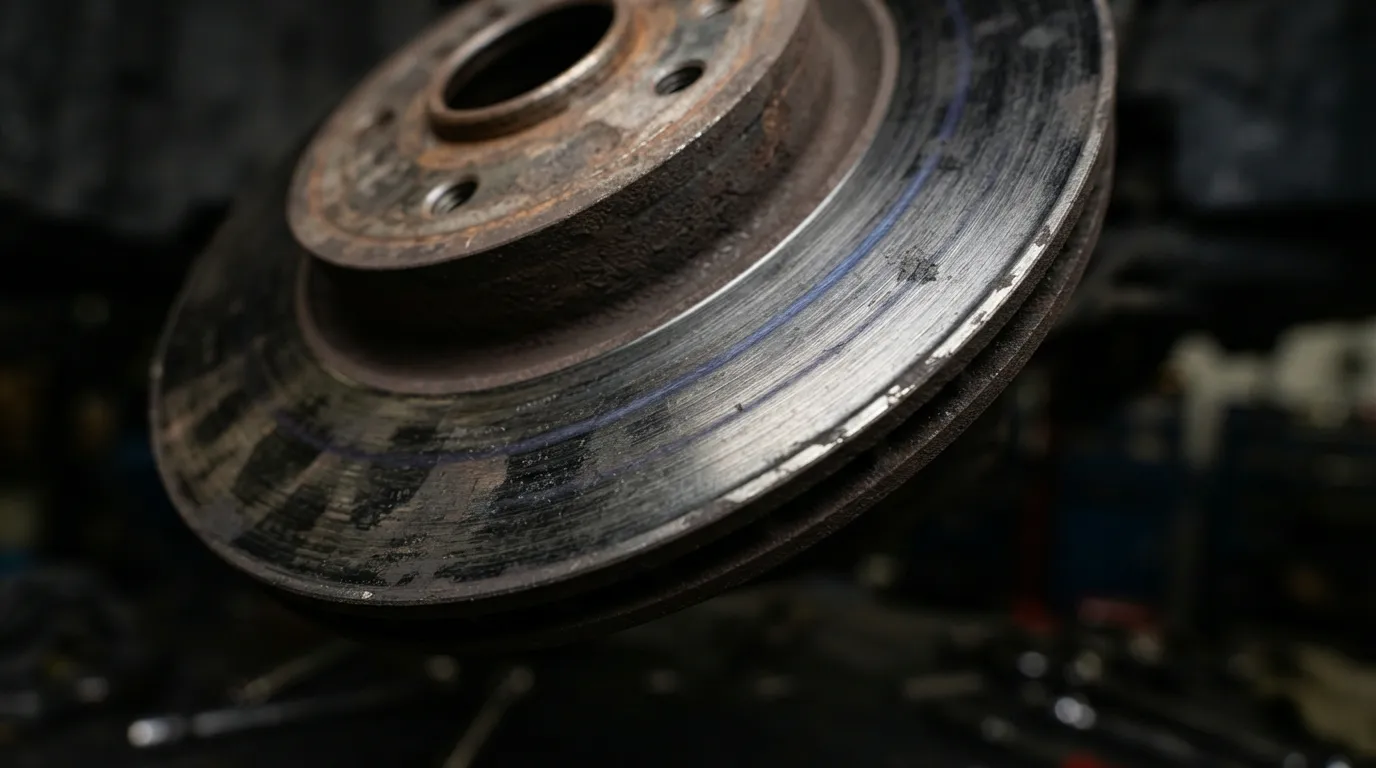
A car shakes when braking when spinning parts do not stay true. That can be the rotor, the wheel, or the tire. Sometimes it is a loose joint that lets parts move under load.
Brake rotor issues
- Thickness variation. The rotor is not the same thick all around. The pads grab harder on the thick spot and cause a pulse.
- Pad material deposits. Uneven pad film creates hot spots that feel like “warped rotors.”
- True warping. Rare, but can happen from extreme heat or wrong torque on lug nuts.
Brake pad and caliper problems
- Glazed pads. Shiny pads do not bite smooth and can chatter.
- Sticking caliper slide pins. Pads drag and heat one side more than the other.
- Seized piston. One pad does all the work and the rotor overheats.
Wheel and tire factors
- Out-of-balance wheels. This shows at speed, but can feel worse on a stop.
- Bent rims or flat spots on tires. A stop loads the bent part and adds shake.
- Uneven tire wear or cupping. The tread steps hit the road like a drum.
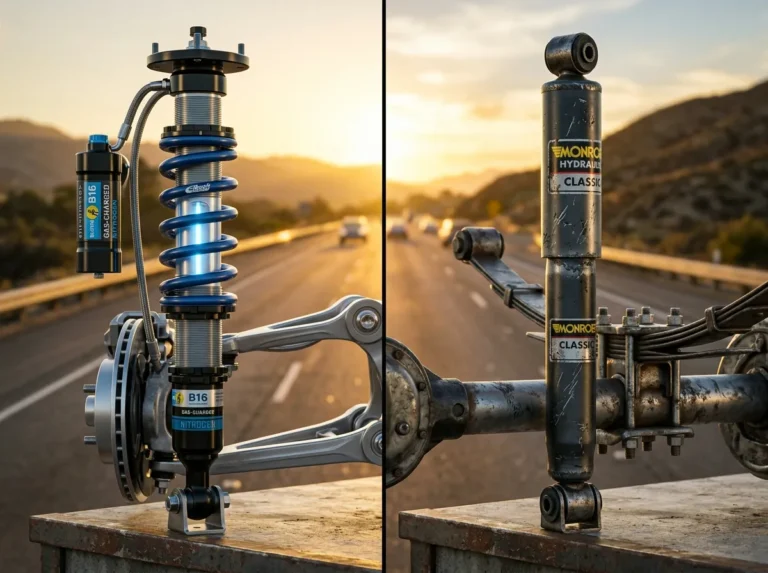
Suspension and steering wear
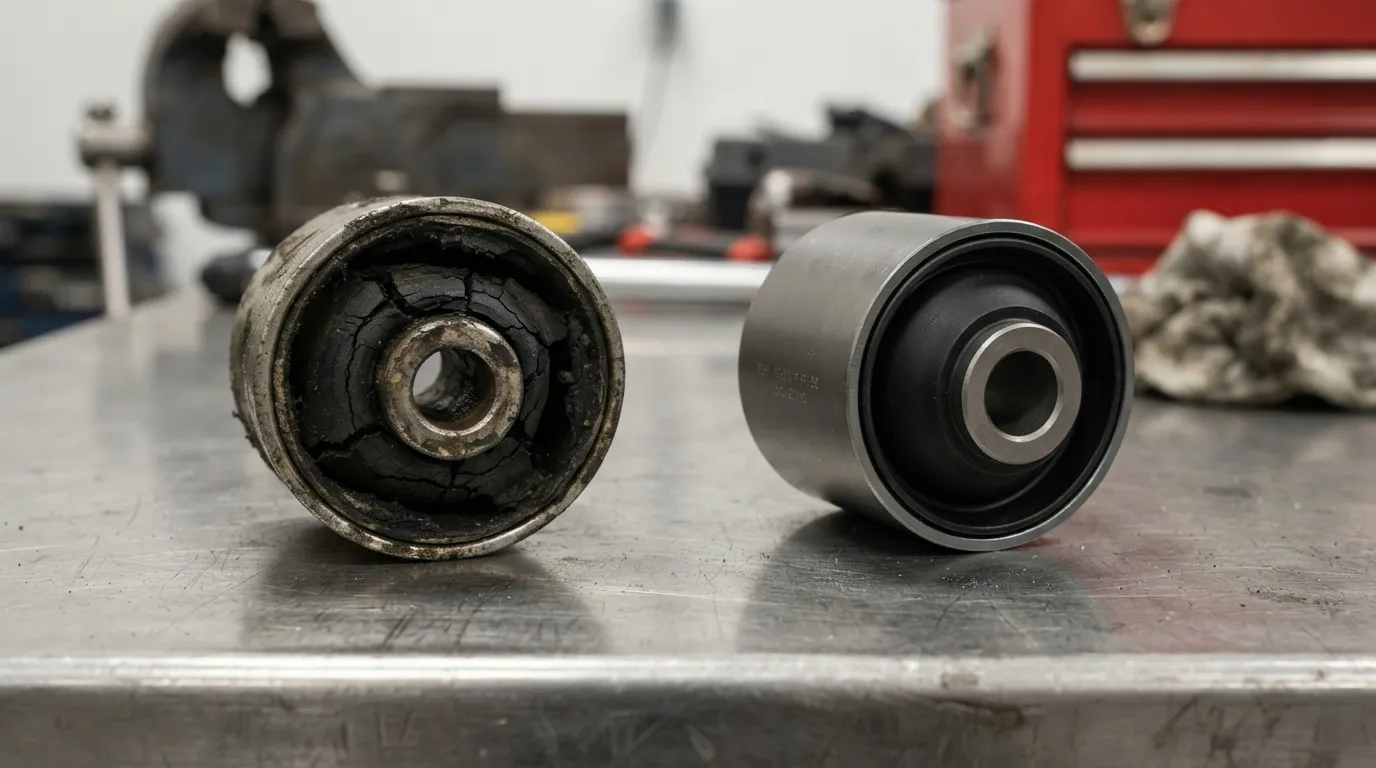
- Worn control arm bushings or ball joints. The wheel can shift on a stop.
- Loose tie rods or wheel bearings. The hub can wobble under brake force.
Installation errors
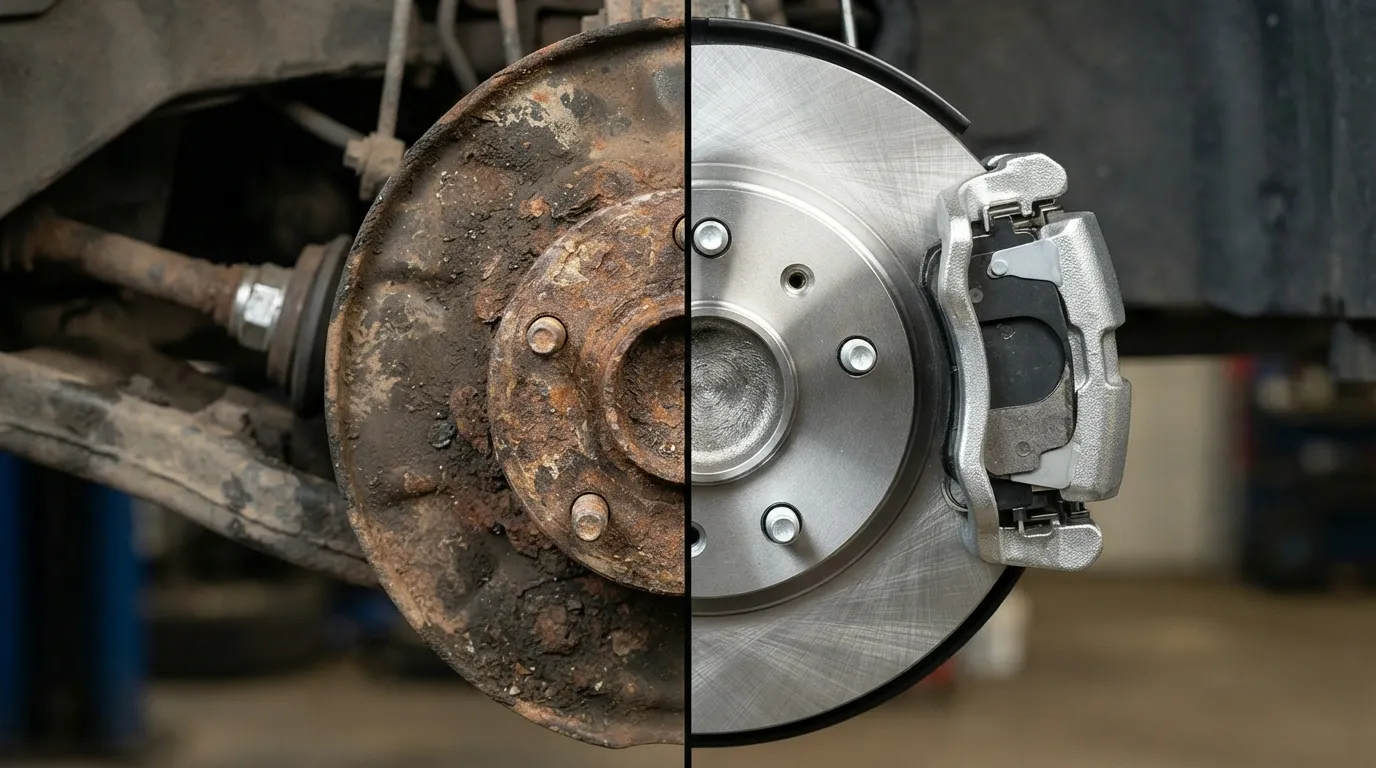
- Rust or debris on the hub face. The rotor does not sit flat and runs out.
- Over-torqued lugs. Uneven torque distorts the rotor hat and the wheel.
Most times a car shakes when braking because of rotor thickness variation from pad deposits, not “warping.” Fix the root cause, and the shake stays gone.
How to diagnose a brake shake at home
You can do a lot with simple checks. Work in a safe spot and use jack stands.
Fast road test
- Find a safe road. Get to 50 mph. Brake with steady, medium pressure.
- Note where you feel the shake. Wheel, pedal, or seat.
- Repeat at 30 mph. If the shake is much less, it points to rotors or tires.
Wheel and tire checks
- Check tire pressure cold. Set to door sticker.
- Look for cupping, bulges, or bent rims.
- Swap front and rear wheels. If the shake moves, suspect those wheels or tires.
Brake visual checks
- Look at rotors. Blue spots, grooves, or a dull ring show heat issues.
- Feel the rotor edge. A thick lip means wear.
- Check pads for even wear. One pad thin and the other fat means a caliper issue.
Basic hardware and torque
- Clean hub faces with a wire brush. Rust can cause runout.
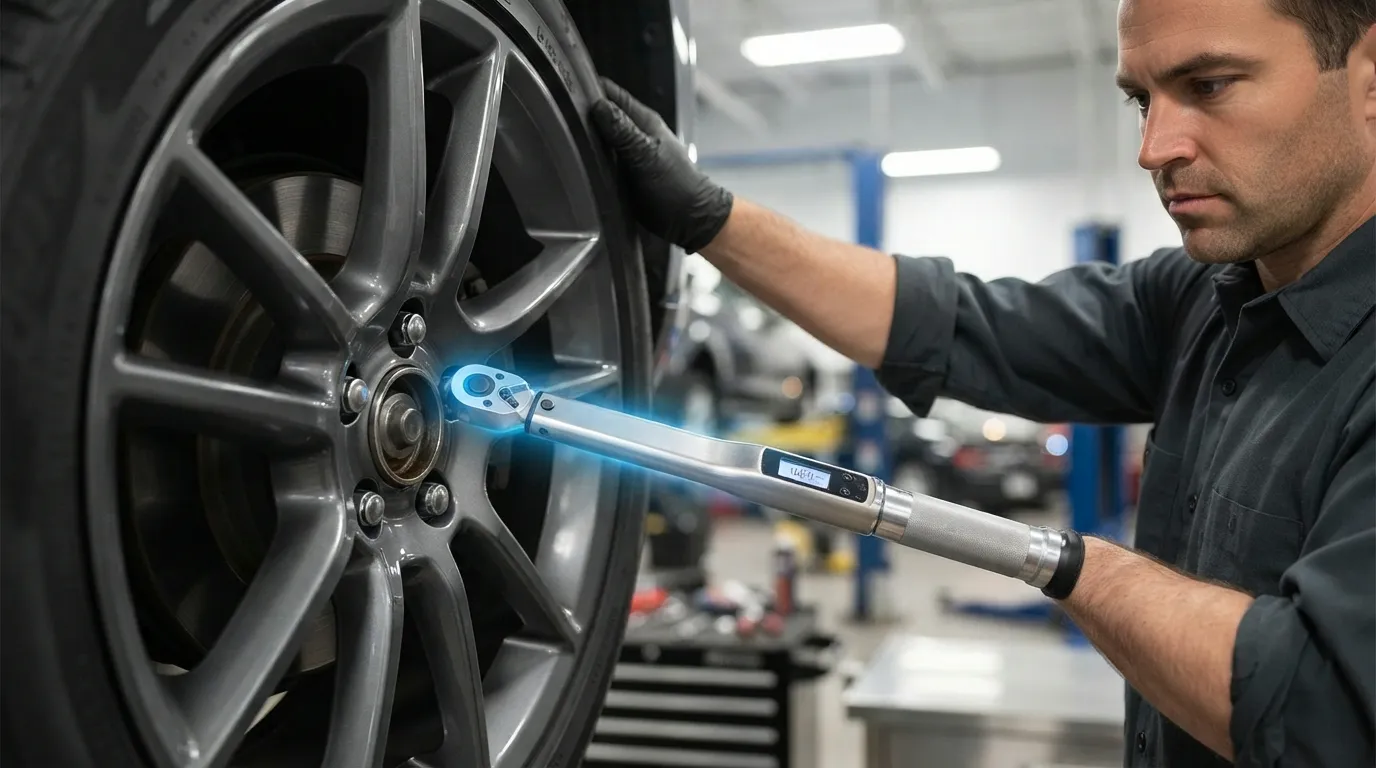
- Tighten lugs in a star pattern. Use a torque wrench to spec.
Optional advanced checks
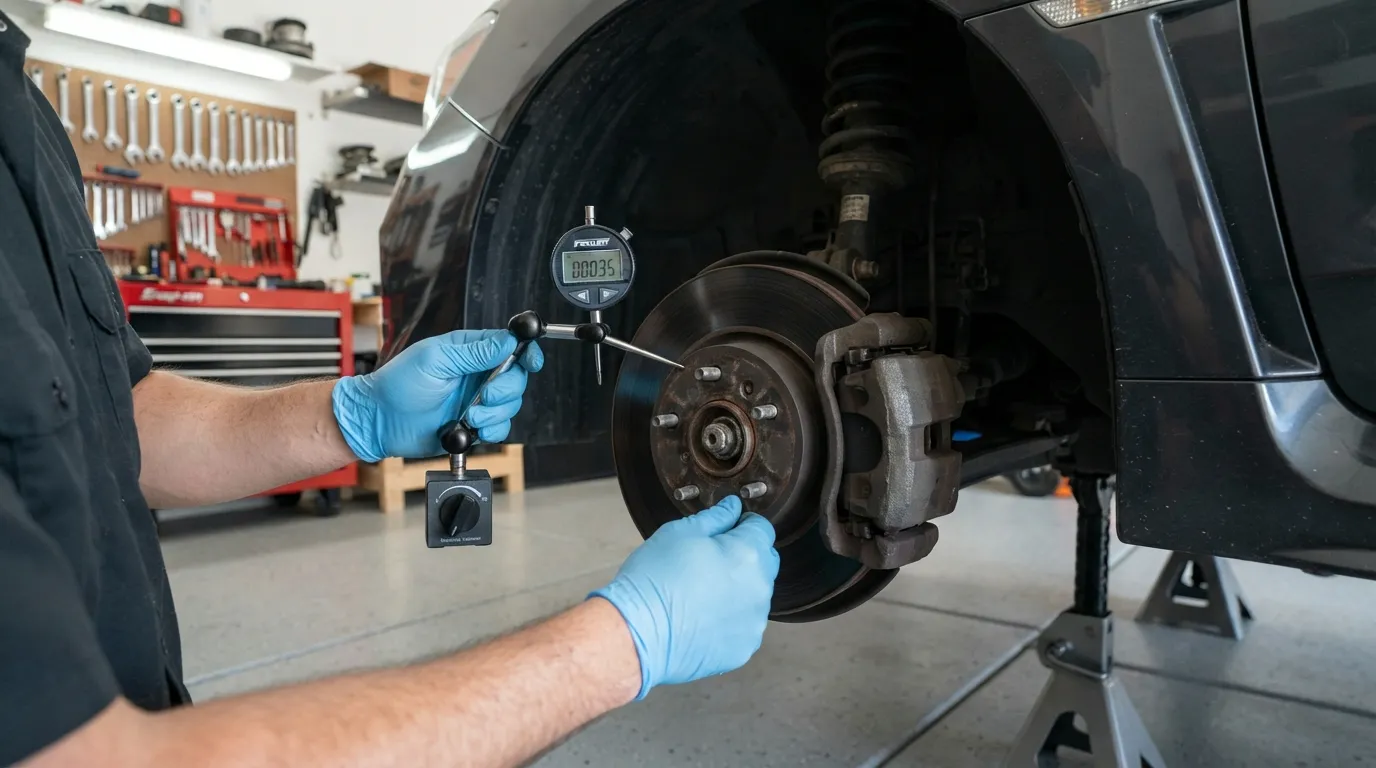
- Use a dial indicator to measure rotor runout. Over 0.002 inches can cause a shake.
- Use a micrometer to check rotor thickness variation. Over 0.0005 inches can pulse.
PAA-style quick answers:
- Is it safe to drive if my car shakes when braking? Short trips may be okay, but it can get worse fast. Fix it soon to stay safe and avoid higher costs.
- Can tire balance cause shaking only when braking? Yes, a tire issue can show up more under brake load. Rule it out with a balance and rotation.
- Can new brakes still shake? Yes, if the hub was dirty or pads were not bedded. Clean, torque right, and bed the pads to fix it.
If your car shakes when braking after rain, light rust on rotors may be the cause. A few smooth stops often clears it. If your car shakes when braking even after bed-in, suspect hub runout or a sticky caliper.

Professional diagnosis and proven repair paths
What a good shop will do and why it matters.
Testing and measurement
- Measure rotor runout and thickness variation.
- Inspect calipers, pins, and boots for binding.
- Check wheel bearings, ball joints, and tie rods for play.
- Road-force balance the wheels if needed.
Common repair options
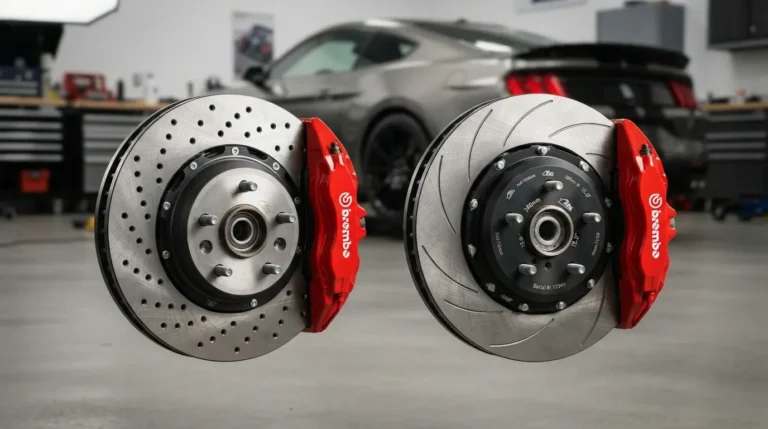
- Resurface or replace rotors. Replace if near minimum thickness or heat checked.
- Replace pads with quality ceramic or semi-metallic. Install new hardware and lube pins.
- Clean hub faces and apply a light anti-seize film. Do not overdo it.
- Torque lugs with a calibrated wrench. Star pattern to spec.
- Fix worn suspension parts. Align the car after parts are replaced.
- Balance or replace damaged tires and bent wheels.
Typical costs vary by car and region:
- Pads and rotors per axle: 250 to 600.
- Caliper service or replacement: 150 to 400 each.
- Wheel balance and rotation: 50 to 120.
- Suspension joints and alignment: 250 to 900.
When a car shakes when braking, a complete brake service with hub cleaning, proper torque, and pad bed-in often cures it in one visit. Ask for before-and-after runout numbers for proof.
Prevention tips to stop the shake from coming back
Small habits and simple service steps make a big difference.
Driving and usage
- Avoid hard stops when brakes are cold.
- After a hard stop, roll a bit before you park. This prevents hot spots under the pads.
- Use steady pressure on long hills. Downshift to help the brakes.
Service and parts
- Use matched rotors and pads from a trusted brand.
- Clean hub faces every time you install rotors.
- Always torque lugs in a star pattern with a torque wrench.
- Bed new pads and rotors. Do 8 to 10 medium stops from 40 to 10 mph. Let them cool.
- Rotate tires every 5,000 to 7,500 miles. Balance if you feel any vibe.
- Flush brake fluid every 2 to 3 years to protect calipers.
If your car shakes when braking after a recent tire change, recheck lug torque and balance. Simple steps first save time and cash.
Real stories from the shop floor
Over the years, I have seen patterns.
- The star torque fix. A sedan came in with a fresh brake job and a bad shake. The shop had hammered the lugs. We cleaned the hubs, fitted new rotors, and torqued in a star pattern. The car left smooth. Lesson: torque matters.
- The “warped rotor” that wasn’t. An SUV shook only from 55 to 45 mph on downhill stops. Rotors measured fine. Road-force balance found a bad tire belt. New tire, no shake. Lesson: do not blame brakes for every shake.
- The sticky pin surprise. A compact car pulsed at all speeds. One caliper pin was dry and stuck. New pins, proper lube, new pads and rotors, and the pulse was gone. Lesson: hardware is small but key.
When your car shakes when braking, think system, not just one part. A smooth stop is a team effort of brakes, wheels, and suspension.
Frequently Asked Questions of car shakes when braking
Why does a car shakes when braking at high speeds?
High speed adds heat and load, so small rotor or tire issues feel bigger. Check rotors, wheel balance, and hub runout.
Can a car shakes when braking be caused by warped rotors?
Yes, but true warping is rare. Most pulses come from uneven pad deposits or rotor thickness variation.
Will new pads fix a car shakes when braking?
Not by themselves. You also need clean hubs, good rotors, free slide pins, and proper bed-in.
Is it okay to drive if a car shakes when braking?
It may be safe for a short time, but it can get worse. Fix it soon to avoid longer stops and higher costs.
Could ABS cause a car shakes when braking?
ABS vibrates the pedal during hard stops on slick roads. If it happens in normal stops, something else is wrong.
Why does a car shakes when braking after a tire rotation?
Lug torque or balance may be off. Retorque the lugs and rebalance the wheels.
Can a wheel bearing make a car shakes when braking?
Yes, a loose bearing allows rotor wobble under brake load. You may also hear a growl that changes with speed.
Conclusion
A shake on the brakes is a message, not a mystery. Find where you feel it, test smart, and fix the root cause with clean hubs, true rotors, good pads, and proper torque. Keep up with tire care and you will keep stops smooth.
If your car shakes when braking, start with the simple checks today. If you need help, take this guide to a trusted shop and ask for measurements, not guesses. Share your experience or questions below, and subscribe for more clear, no-nonsense car care guides.