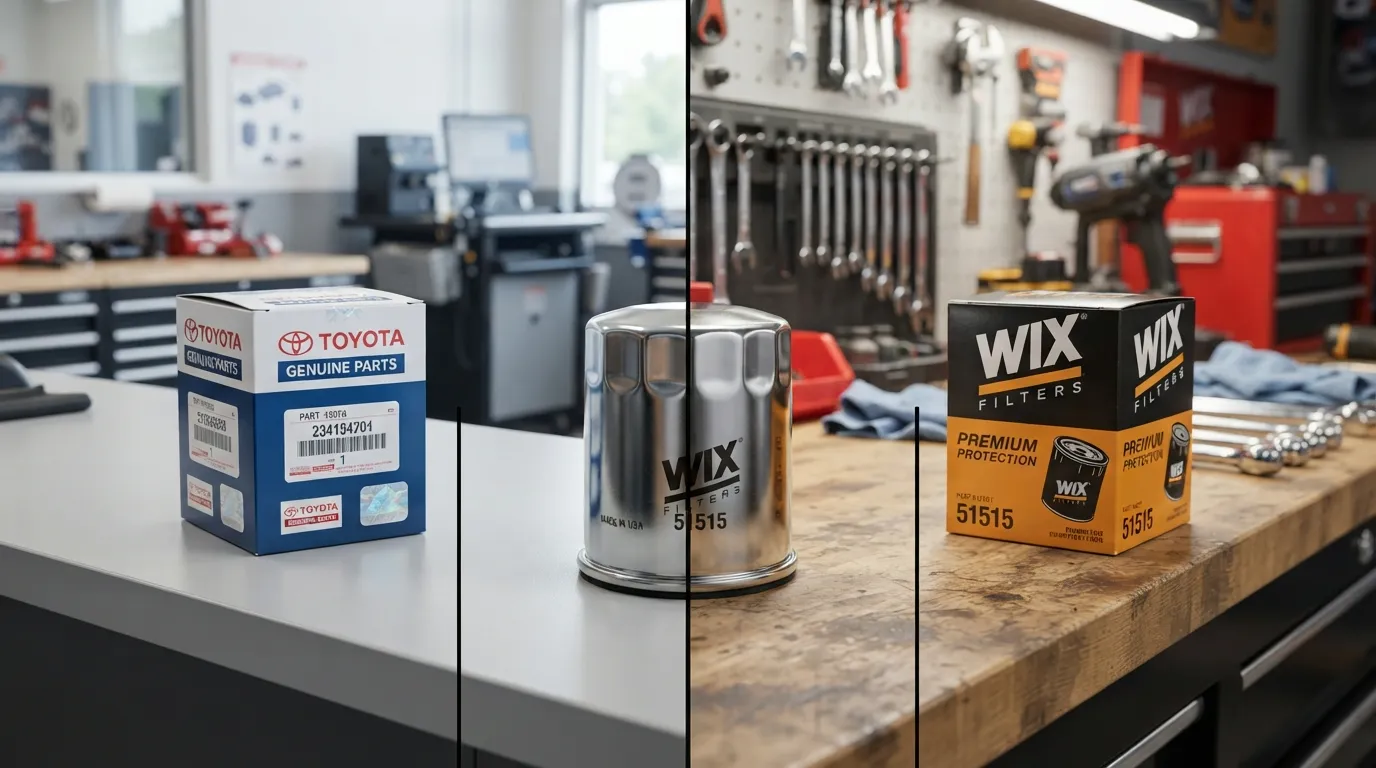
OEM filters offer consistent fit; aftermarket filters vary in quality and can save money.
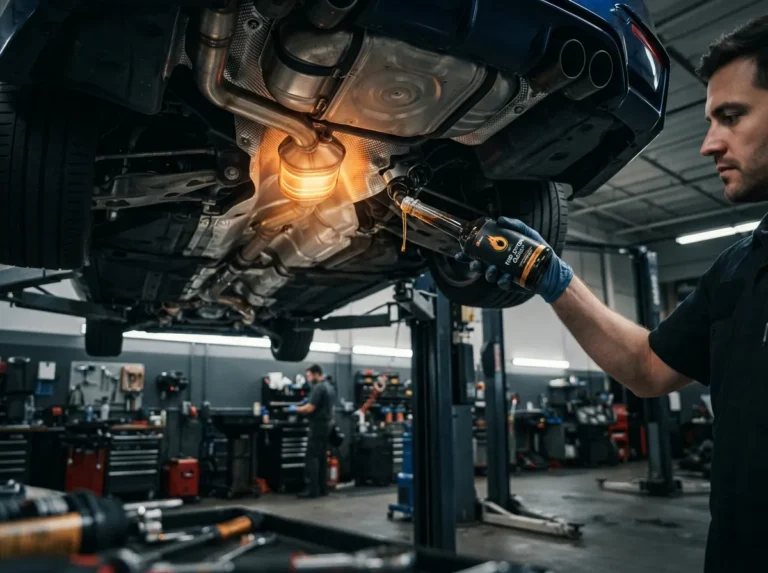
I’ve worked on cars and tested filters for over a decade, so I know the real trade-offs in the oem vs aftermarket oil filter debate. This guide breaks down how OEM and aftermarket oil filters differ, what that means for engine health, and how to pick the best option for your budget and needs. Read on for clear comparisons, real-world tips, and simple rules that help you make the right choice.
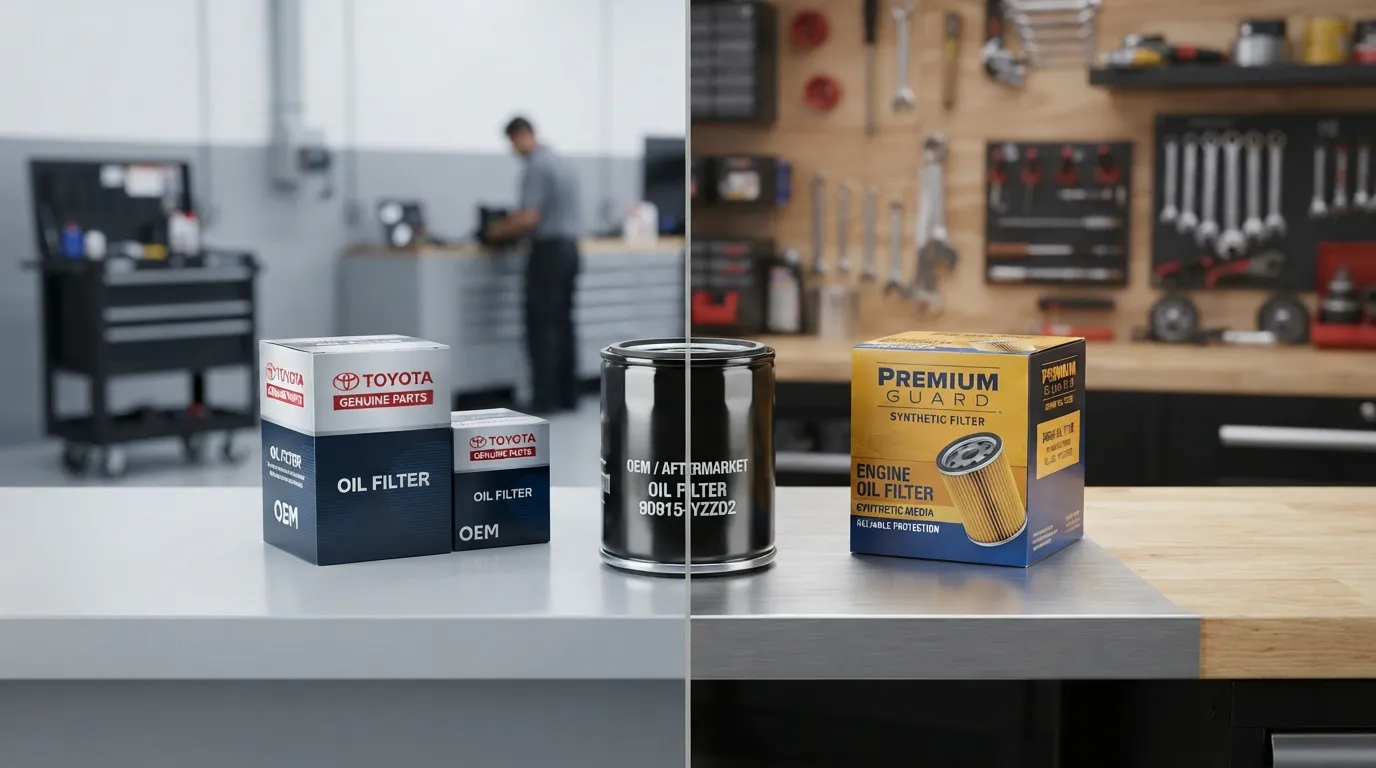
Understanding OEM vs aftermarket oil filter basics
OEM stands for Original Equipment Manufacturer. An OEM oil filter is made to match the exact specs of the filter your car came with. Aftermarket oil filters are made by third parties. They can be exact copies, improved versions, or lower-cost alternatives.
Key terms to know:
- OEM: Made by or for your vehicle maker.
- Aftermarket: Made by other brands.
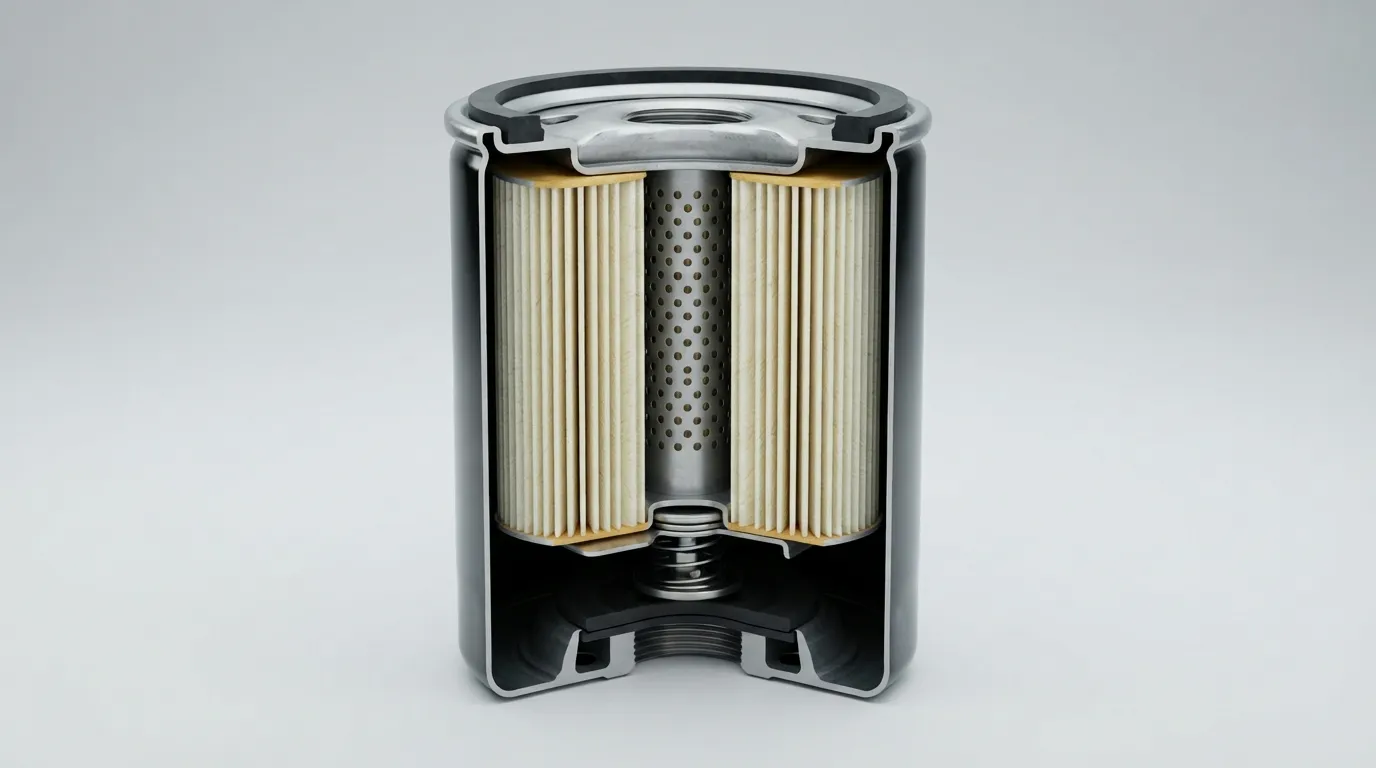
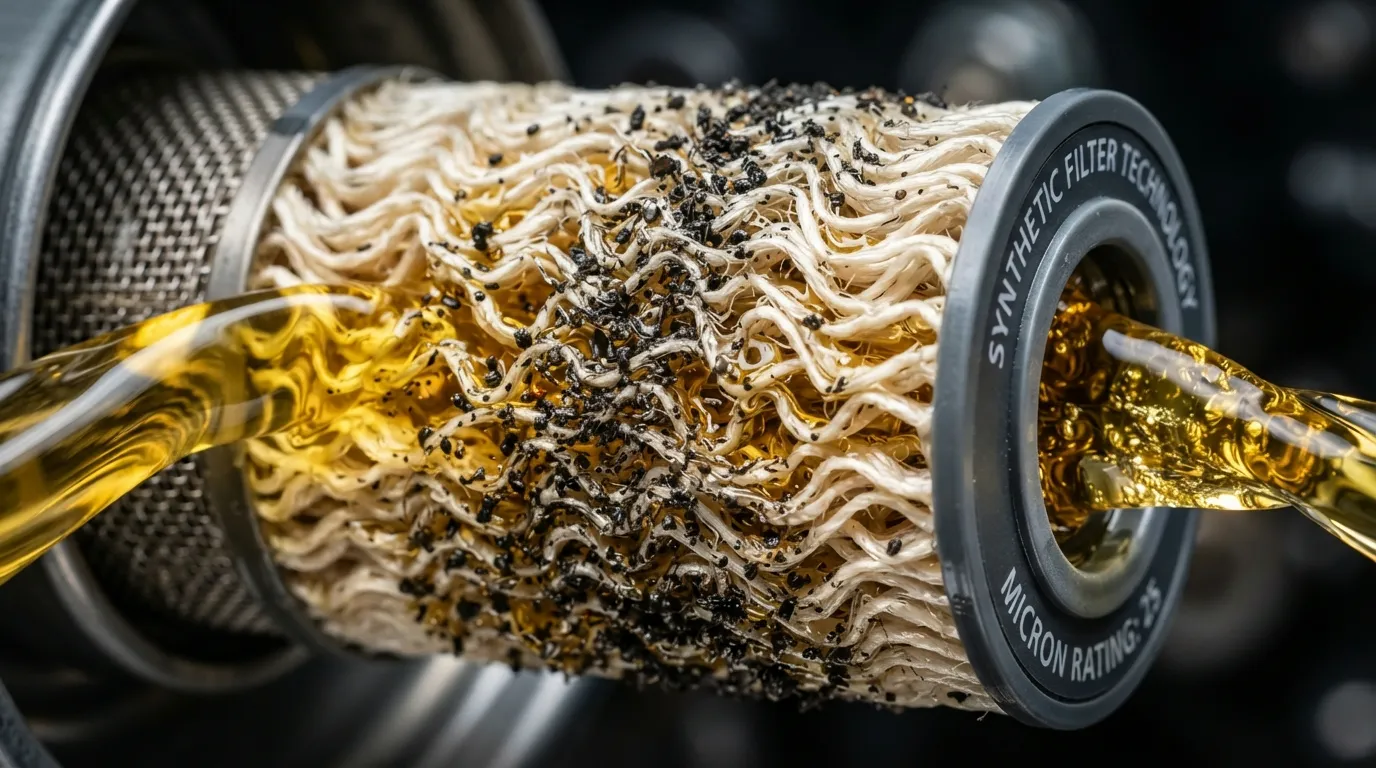
- Media: The paper or synthetic cloth inside the filter that traps particles.
- Bypass valve: Lets oil flow if the filter clogs.
oem vs aftermarket oil filter matters because fit, flow, and filtration can change how your engine wears. Small differences add up over time. Choose based on quality, not price alone.
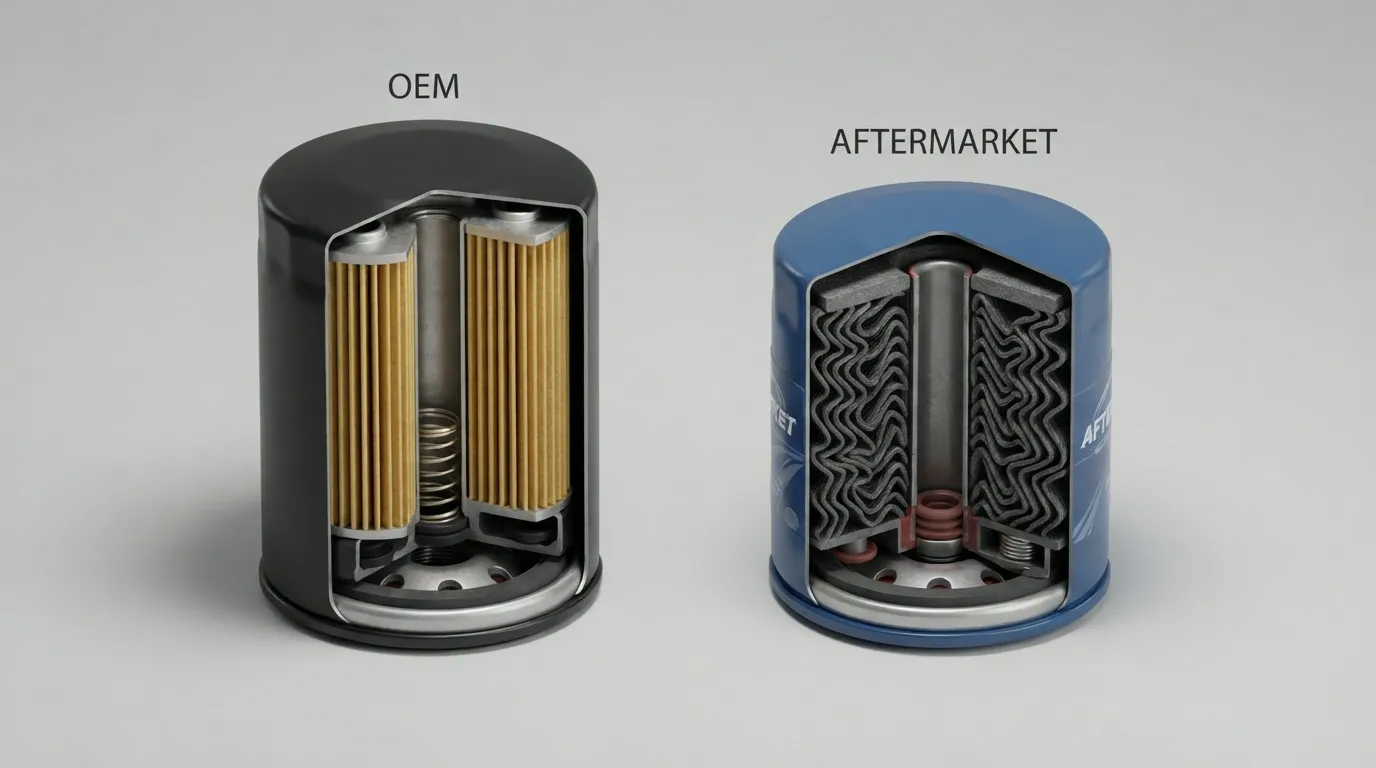
How OEM and aftermarket filters differ: materials, design, and testing
OEM and aftermarket filters can differ in a few clear ways:
- Media type and quality: OEMs often use media chosen for long-term reliability. Aftermarket media ranges from cheap paper to high-grade synthetic blends.
- Canister strength: The shell and end caps can be stronger on OEM parts. Some aftermarket producers use thinner metal.
- Gasket and anti-drainback parts: OEM parts usually use tested gaskets and valves that fit perfectly.
Manufacturers run different tests. OEM parts typically meet the carmaker’s specs. Some aftermarket brands run their own lab tests and meet or beat those specs. Others do not test at all. This is why brand reputation matters when choosing an aftermarket filter.
oem vs aftermarket oil filter choice depends on how strict you are about specs and testing.
Performance, longevity, and engine protection
Performance factors to watch:
- Filtration efficiency: Measured as percent of particles the filter removes at certain sizes. Higher is better.
- Capacity: How much dirt the filter holds before it clogs.
- Flow rate: The filter must allow sufficient oil flow at cold start and high rpm.
Practical notes:
- A cheap filter may have good flow at first but low capacity. That can let fines pass through.
- High-quality aftermarket filters often match or exceed OEM efficiency. They sometimes use better media.
- Changing oil and filter on schedule reduces risk far more than the small differences between good OEM and good aftermarket filters.
When comparing oem vs aftermarket oil filter performance, focus on labeled efficiency and real-world reviews, not just price.
Cost, warranty, and value
Cost differences are real. OEM filters often cost more. Aftermarket filters can save you money, especially if you buy in bulk.
Consider value beyond price:
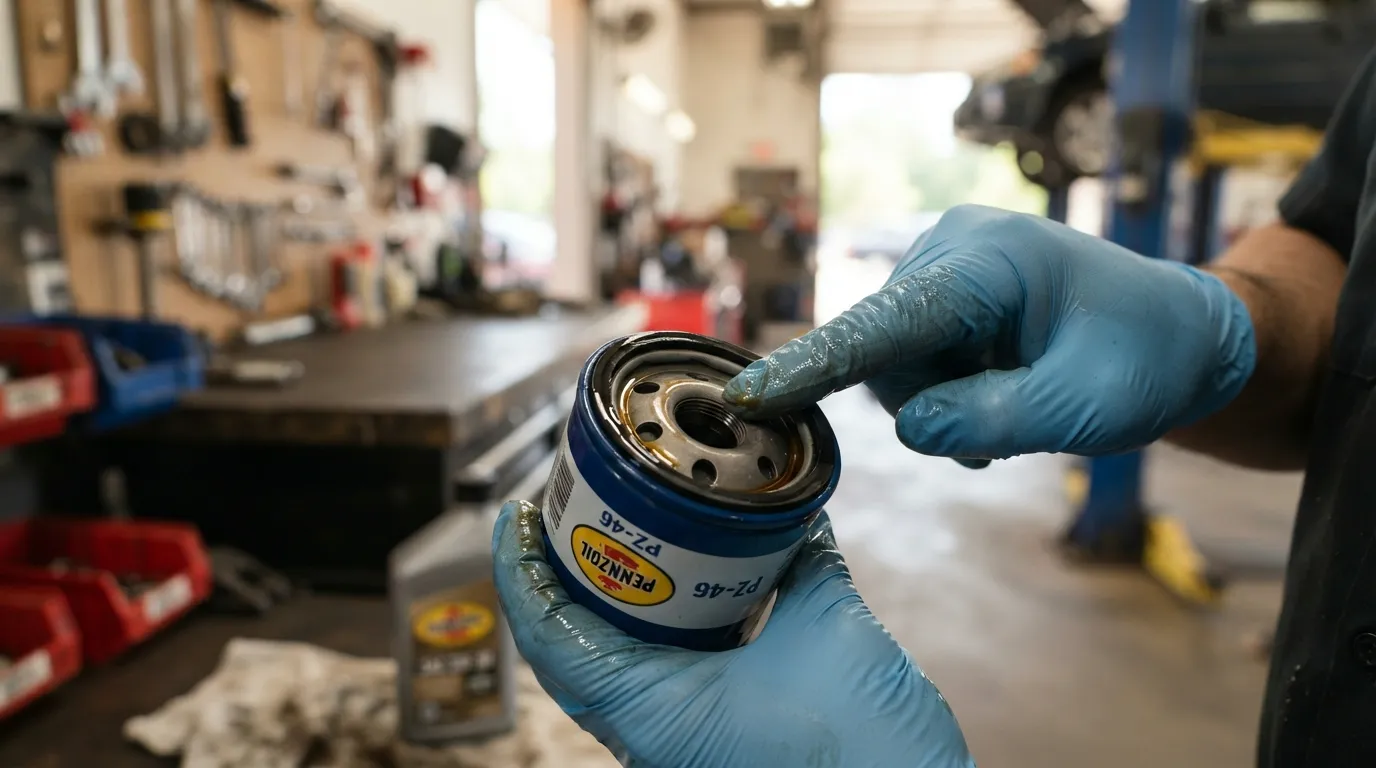
- Warranty: Some aftermarket brands offer warranties that cover filter failure damage. OEM filters may be covered under dealer service terms.
- Cost per mile: Cheaper filters can be fine if changed frequently. Better filters last longer between changes.
Practical rule:
- If you run extended oil change intervals, invest in a higher-quality filter. If you change oil frequently, a mid-range aftermarket filter can be a good value.
oem vs aftermarket oil filter decisions should consider long-term cost, not just sticker price.
Quality standards and certifications
Watch for these signals of quality:
- ISO or SAE test claims on packaging
- Efficiency ratings (for example, micron ratings)
- Pressure relief and anti-drainback valve details
- Manufacturer testing statements
Many reputable aftermarket makers publish lab results. Some use multi-layer synthetic media and crush-resistant cans. Low-cost filters may omit clear specs. That lack of data is a red flag.
When you compare oem vs aftermarket oil filter options, pick products with clear specs and test claims.

Installing and compatibility tips
Fit and ease of install matter. Steps to get it right:
- Confirm the exact part number or fitment by year, make, and model.
- Check gasket condition and replace if needed.
- Lubricate the gasket with clean oil before installation.
- Torque or hand-tighten as manufacturer recommends.
Common mistakes:
- Using the wrong thread size or canister type.
- Over-tightening the filter.
- Forgetting the anti-drainback valve if required.
A wrong fit can cause leaks or oil starvation. That’s why many people choose OEM for peace of mind. But a correctly chosen aftermarket filter fits just as well.
When to choose OEM vs aftermarket oil filter
Choose OEM when:
- You own a newer or high-value car and want guaranteed fit.
- You prefer dealer parts and service history.
- Your engine has tight tolerances and the manufacturer warns about non-OEM parts.
Choose aftermarket when:
- You want lower cost and wider choices in filtration tech.
- You research and pick brands with proven tests.
- You perform regular maintenance and inspect parts often.
For many drivers, a high-quality aftermarket filter is a safe choice. For high-mileage or vintage engines, OEM can reduce risk. Think about your car, driving style, and maintenance habits when weighing oem vs aftermarket oil filter.
Common myths and mistakes
Myth: OEM is always better. Not always true. Some aftermarket filters outperform OEM in tests.
Myth: Cheaper filters are fine if you change oil more often. Partly true, but cheap filters may still let harmful particles through.
Mistake: Buying only by price. You must check specs and reviews.
Mistake: Ignoring fitment. Even a great filter does nothing if it leaks.
oem vs aftermarket oil filter myths persist because people mix brand, price, and test data. Read labels and reviews to avoid bad buys.
Personal experience and practical tips
From my shop work and personal tests:
- I ran a long-term comparison on two cars. A premium aftermarket filter matched OEM for 40,000 miles with regular oil changes.
- I once fitted a very cheap filter that collapsed under pressure. It caused sludge buildup and extra engine wear. That taught me to value build quality.
- I prefer filters with published micron ratings and anti-drainback valves for most modern cars.
Practical tips I use and recommend:
- Keep a log of oil and filter changes.
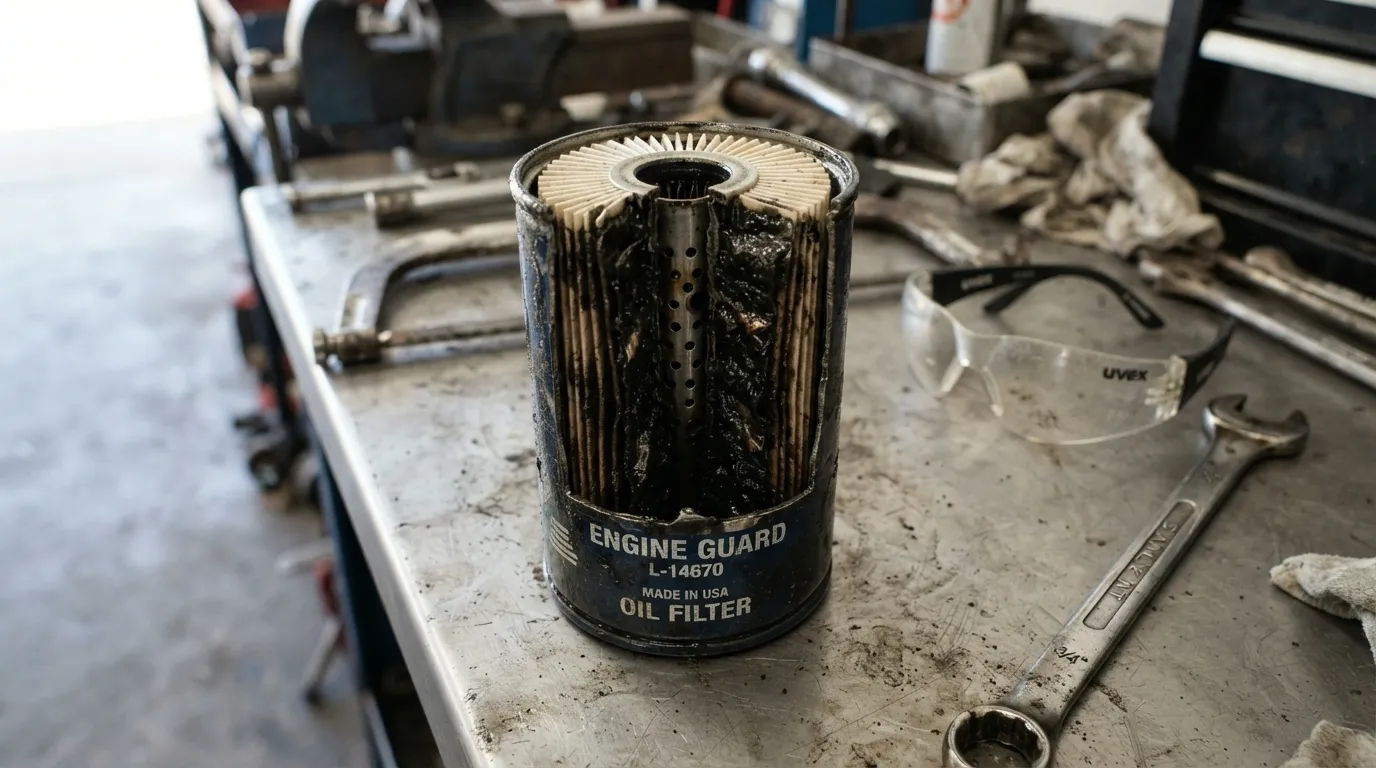
- Inspect used filters during oil changes for signs of wear or metal particles.
- Buy reputable aftermarket brands if you skip OEM. Avoid the cheapest unknown labels.
These simple checks cut risk and keep engines running longer in my experience.
People also ask — quick questions
Is an OEM oil filter better than an aftermarket one?
Often the OEM filter guarantees fit and meets maker specs. A quality aftermarket filter can match or exceed performance if you pick a trusted brand.
Can an aftermarket filter damage my engine?
A poor-quality aftermarket filter can fail or let particles through. Use filters with clear specs and good reviews to reduce this risk.
How often should I change my oil if I use a cheaper filter?
Change oil more often if you use a low-cost filter. Shorter intervals lower the chance of particle buildup and filter overload.
Frequently Asked Questions of oem vs aftermarket oil filter
What is the main difference between OEM and aftermarket oil filters?
OEM filters are built to match the maker’s specifications and fit. Aftermarket filters come from third-party brands and vary in materials and testing.
Are aftermarket oil filters reliable?
Many aftermarket filters are reliable. Choose brands with documented tests, good micron ratings, and solid reviews to ensure reliability.
Will using an aftermarket filter void my warranty?
Using an aftermarket oil filter usually does not void a vehicle warranty by itself. However, damage caused directly by a part could be disputed; keep records of maintenance.
How do I know an aftermarket filter is high quality?
Look for published efficiency, micron ratings, construction details, and lab test claims. Trusted shop reviews and brand history help too.
Can I mix OEM and aftermarket filters over time?
Yes. You can alternate as long as each filter meets needed specs and fits correctly. Keep maintenance records to track changes and outcomes.
Conclusion
Choosing between an oem vs aftermarket oil filter comes down to quality, fit, and maintenance habits. Good aftermarket filters can match OEMs at a better price, while OEM parts give assured fit and spec compliance. My advice: pick filters with clear test data, keep a steady oil-change schedule, and learn to read filter specs. Start applying these checks today—inspect your next filter purchase, and leave a comment or subscribe to learn more about car care.