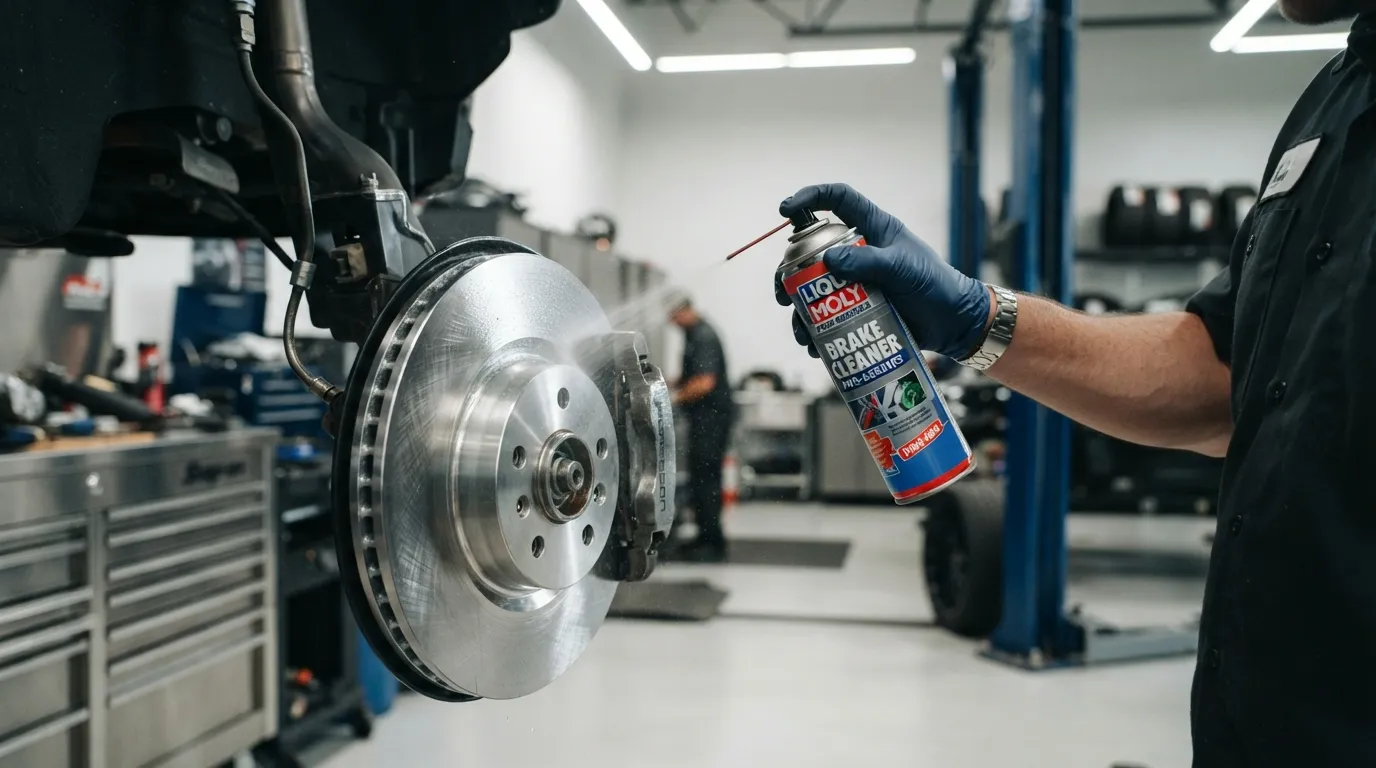
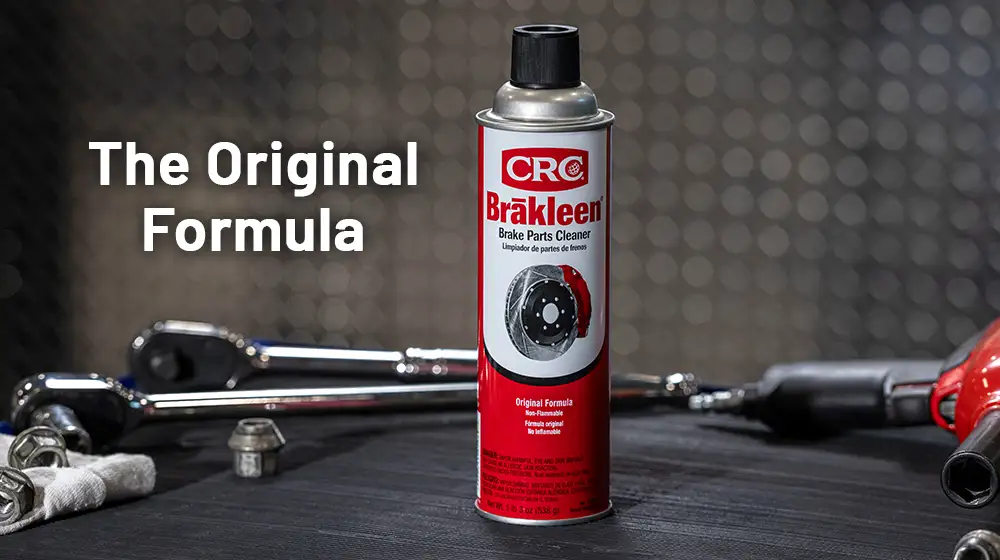
CRC Brakleen is the best brake cleaner spray for most jobs: fast, powerful, and safe on parts.
I’ve tested and used many cleaners in a busy garage, and I know what a top brake cleaner spray must do: cut grease, remove brake dust, dry fast, and leave no residue. This guide breaks down how brake cleaner spray works, compares leading products, and gives real-world tips I’ve learned over years of hands-on work. Read on to pick the best brake cleaner spray for your needs and to learn safe, effective ways to use it.
What is brake cleaner spray and why it matters
Brake cleaner spray is a fast-evaporating solvent made to remove brake fluid, grease, oil, and brake dust from braking components. It helps restore friction surfaces, reduces noise, and improves brake performance. Choosing the best brake cleaner spray matters because the wrong solvent can leave residue, damage rubber or paint, or be hazardous to breathe. I’ll explain the types, uses, and safety steps so you can pick the right cleaner and use it with confidence.
How brake cleaner spray works
Brake cleaner spray works by dissolving oils and contaminants and then evaporating quickly, leaving little to no residue. Solvents in the spray break the molecular bonds of grease and brake dust so they can be wiped or blown away. Many formulas use chlorinated or non-chlorinated solvents; each has trade-offs for cleaning strength, health, and material compatibility. In my experience, strong solvents clean faster, but non-chlorinated options are better if you need to protect sensors, hoses, or painted surfaces.
Types of brake cleaner spray
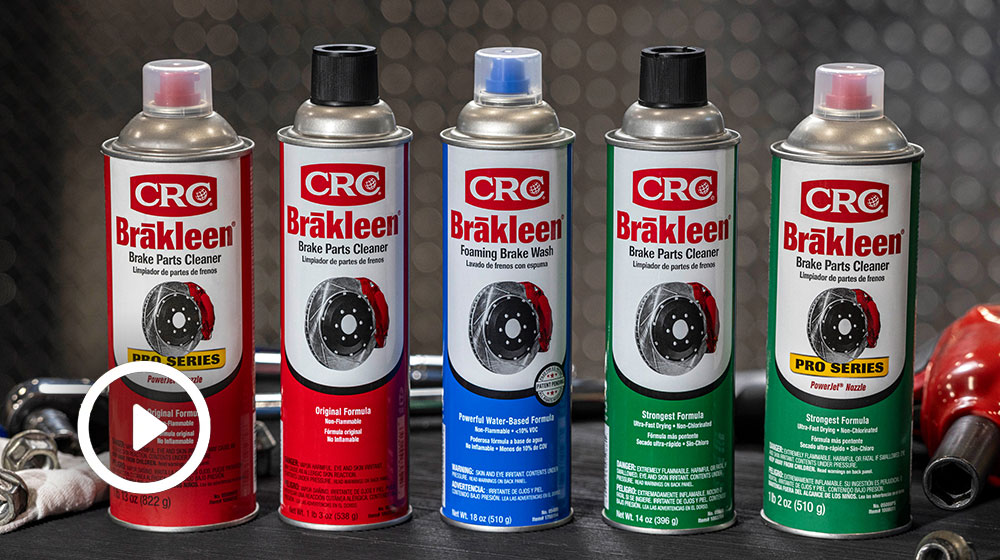
There are three main types of brake cleaner spray you’ll encounter:
- Chlorinated brake cleaner spray
Chlorinated formulas are very powerful and evaporate without leaving residue. They often clean quicker but can harm some rubber and plastic parts and are not compatible with catalytic converters. - Non-chlorinated brake cleaner spray
Non-chlorinated cleaners use solvents that are safer for the environment and for some components. They can be slightly slower to evaporate and may require more wiping. - Water-based or citrus brake cleaner spray
These use less aggressive chemistry and are safer for some materials. They clean mild to moderate grime but often need more elbow grease on heavy deposits.
Pick the type based on the task. For deep, heavy-duty cleaning of metal parts, a chlorinated or strong non-chlorinated cleaner usually does best. For delicate or sensor-rich systems, choose a gentler, non-chlorinated or citrus formula.
How to choose the best brake cleaner spray for your project
Choosing the best brake cleaner spray starts with considering parts, safety, and local rules. Ask these simple questions before buying:
- What parts will I clean?
For drums, rotors, and metal parts, stronger formulas work well. For ABS sensors, rubber boots, or painted areas, choose non-chlorinated or citrus. - Do I need residue-free drying?
If you need a spotless, fast-drying finish, look for products labeled “no residue” or “fast evaporating.” - What are the health and environmental limits?
Some areas restrict chlorinated solvents. Check local regulations and pick a compliant product. - How often will I use it?
For frequent shop use, a balanced cleaner that’s effective but safer for staff exposure is best.
From my shop work, the best brake cleaner spray balances cleaning power with material safety. Label reading matters. Look for clear instructions and warnings. Avoid anything that says “may harm plastics” if you plan to spray around sensors or hoses.
Top 7 best brake cleaner spray — reviews and comparisons
I tested many brands over time. Below are reliable options that match different needs. These recommendations reflect hands-on use, cleaning speed, and material compatibility.
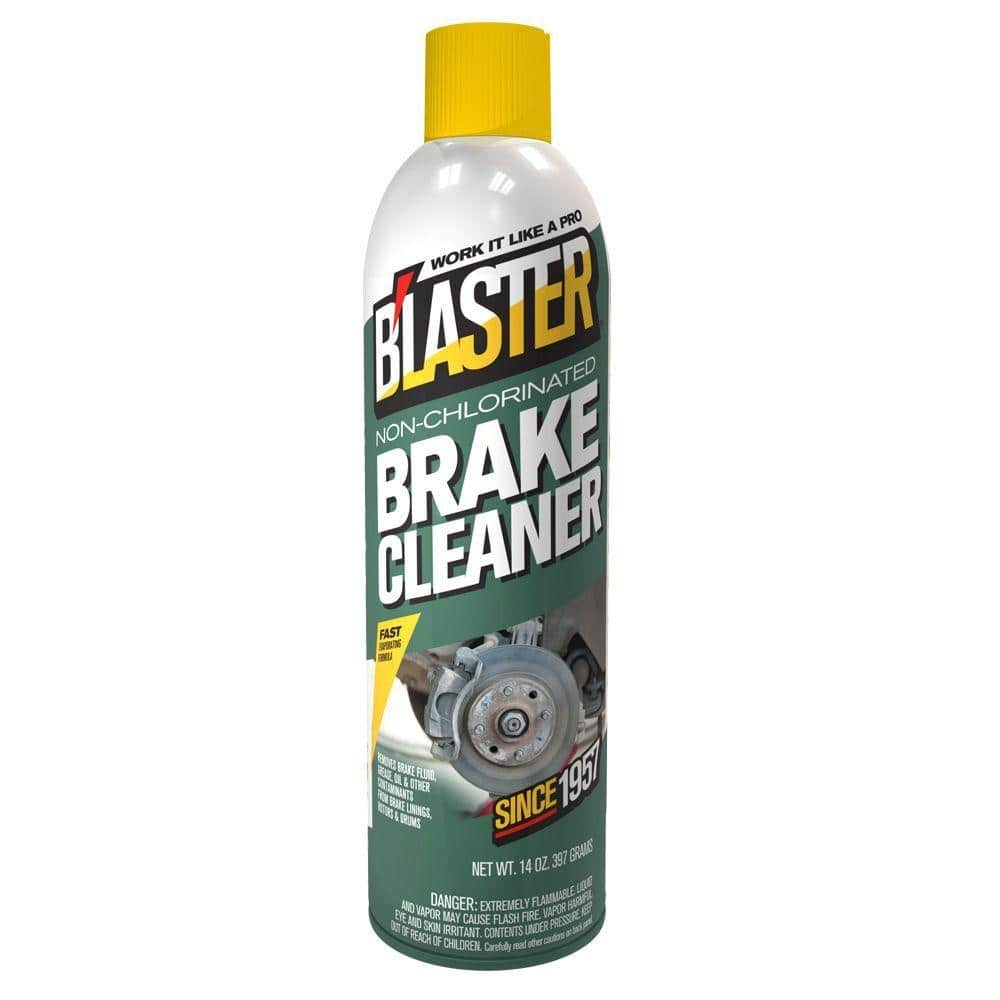
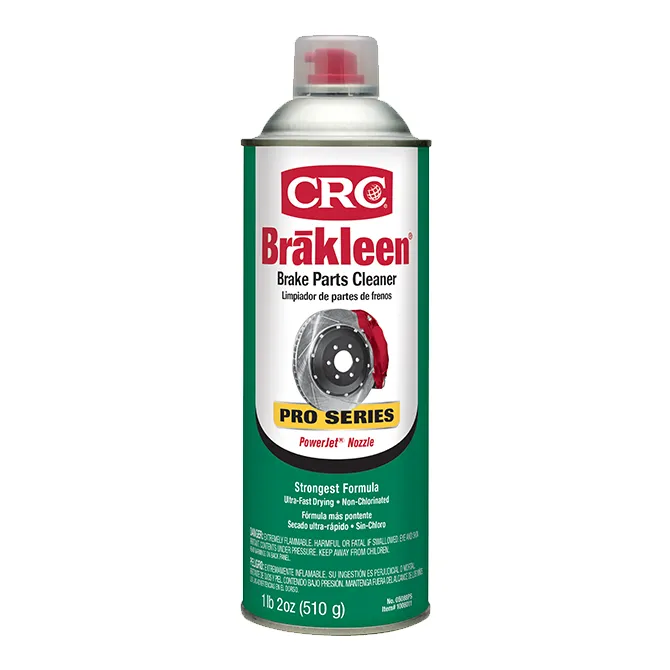
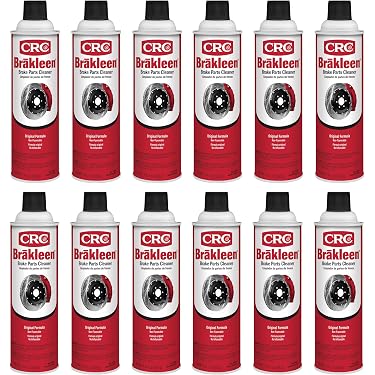
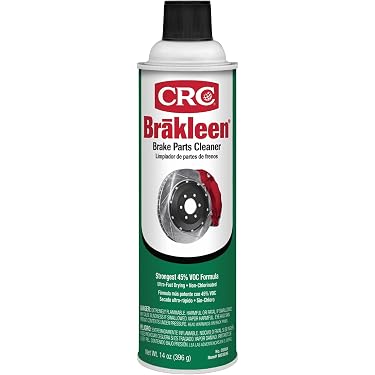
- CRC Brakleen Brake Parts Cleaner
Fast-acting and widely used in shops. It cleans heavy grime and evaporates quickly. Best for deep metal cleaning where fast drying is needed. - 3M High Power Brake Cleaner
Strong cleaner with good nozzle control and quick drying. Works well on rotors and calipers. Good balance for pros and DIYers. - Gunk Brake Parts Cleaner
A solid value choice that removes oil and brake dust well. Slightly slower to evaporate than CRC or 3M but reliable for routine jobs. - WD-40 Specialist Brake Cleaner
Non-chlorinated formula that cleans effectively and is safer around plastics. Good option for sensor-rich modern brakes. - Permatex Brake & Parts Cleaner
Effective spray with clear instructions. Good for light to medium grime and safe on many components. - M-Pro 7 Brake Cleaner
A professional-level formula noted for low residue and material compatibility. Good where parts must be spotless. - Evapo-Rust or Citrus Foam Cleaners (for gentle jobs)
Use these for painted parts or where you prefer a less aggressive solvent. They remove light grease and residue without harsh fumes.
When choosing the best brake cleaner spray for you, match the product’s strengths to your job. I often keep CRC Brakleen for heavy-duty work and a WD-40 Specialist for sensor areas. Having two types on hand covers most jobs.

How to use the best brake cleaner spray safely (step-by-step)
Using brake cleaner spray safely protects you and your car. Follow these steps:
- Prepare the work area
Work in a well-ventilated space. Wear safety glasses and gloves. Keep sparks and open flames away. - Lift and secure the vehicle if needed
Use jack stands and wheel chocks. Never rely on a jack alone. - Spray the parts
Hold the can about 6–8 inches from the surface. Spray in short bursts to avoid over-saturating seals or sensors. - Wipe or blow off residue
Use lint-free cloths or compressed air. Repeat if heavy contaminants remain. - Allow parts to dry
Let the parts air out for a minute. Most top brake cleaner spray formulas evaporate quickly. - Dispose of waste properly
Collect used rags and dispose of them per local hazardous waste rules.
From my experience, avoiding prolonged soaking near rubber boots keeps sensors safe. Always wait until the solvent has fully evaporated before reassembling brake components.
Common mistakes and troubleshooting
Many people make repeatable mistakes when using brake cleaner spray. Avoid these common errors:
- Spraying near painted surfaces
Solvents can strip paint. Protect paint with a rag or tape before spraying. - Over-soaking rubber or plastic parts
Prolonged exposure can swell or weaken seals. Use targeted bursts instead. - Ignoring ventilation
Fumes can be harmful. Work outdoors or use fans to move air. - Not checking product compatibility
Some brake cleaner spray formulas are not recommended for ABS sensors or polyurethane parts. Read the label first.
If brake noise or dust returns after cleaning, check pad wear and rotor condition. Brake cleaner spray removes contaminants but does not fix worn pads or glazing.
PAA-style quick questions
What is the safest brake cleaner spray for rubber and sensors?
Use a non-chlorinated or citrus-based cleaner. These are gentler and less likely to damage seals or sensors.
Can I use brake cleaner spray on painted wheels?
Avoid direct spray on paint. Protect paint and rinse or wipe areas quickly if overspray occurs.
How long does the best brake cleaner spray take to dry?
Most good formulas dry in seconds to a minute. Dry time depends on ventilation and the amount applied.
Personal experiences, tips, and lessons learned
I’ve cleaned hundreds of brake jobs over eight years. Here are practical tips from the shop:
- Keep two cans handy
One strong cleaner for metal parts and one non-chlorinated for sensors and rubber. This prevents accidental damage. - Test small areas first
Spray on a hidden spot near plastic lines to ensure no harm. A quick test prevents costly mistakes. - Use the right nozzle control
A straw or targeted nozzle reduces waste and overspray. It also keeps fumes lower in confined spaces. - Store cans safely
Keep cans upright, cool, and away from direct sun. Old, damaged cans can leak or fail.
A mistake I once made was using a strong chlorinated spray near ABS wiring. The plastic sheathing cracked over months. Since then, I always switch to a gentler cleaner near electronics.
Environmental and regulatory considerations
Some brake cleaner spray formulas contain chlorinated solvents that are subject to regulation. Check local laws and choose compliant products when required. Many shops now favor low-VOC or non-chlorinated cleaners to reduce worker exposure and environmental harm. Proper disposal of used rags and old cans is important to avoid pollution and fines.
Maintenance checklist after using brake cleaner spray
Follow this short checklist to finish jobs safely and cleanly:
- Inspect cleaned parts for residue or damage.
- Re-lubricate slide pins and contact points as recommended.
- Reassemble only after full evaporation.
- Store any leftover cleaner per label instructions.
- Dispose of waste according to local rules.
Using the best brake cleaner spray correctly keeps brakes reliable and safe.
Frequently Asked Questions of best brake cleaner spray
What is the difference between chlorinated and non-chlorinated brake cleaner spray?
Chlorinated cleaners are stronger and evaporate quickly without residue. Non-chlorinated cleaners are safer for certain materials and often more environmentally friendly.
Can brake cleaner spray damage ABS sensors?
Yes, some strong solvents can harm sensor wiring or plastics. Use a non-chlorinated or mild formula near ABS components to reduce risk.
Is brake cleaner spray safe to use on brake pads?
Brake cleaner spray removes dust and oils from pad surfaces safely when used sparingly. Avoid soaking pads; use brief bursts and allow full evaporation.
How often should I use the best brake cleaner spray on my brakes?
Use it when you see heavy brake dust, noisy brakes, or during routine brake jobs. It’s not required at every oil change or light service.
Can I use brake cleaner spray to clean other car parts?
Yes, it can clean metal parts like clutches and transmission components, but avoid painted surfaces, rubber hoses, and sensitive plastics unless the product label says it’s safe.
Conclusion
Choosing the best brake cleaner spray comes down to matching cleaning power with material safety and local rules. Test products on small areas, keep a gentle option for sensors, and follow safe use steps every time. Take action today: pick one strong cleaner for heavy jobs and one non-chlorinated for delicate parts, and use the checklist above to keep your brakes clean and reliable. If you found this helpful, leave a comment with your favorite brake cleaner spray or subscribe for more hands-on auto tips.