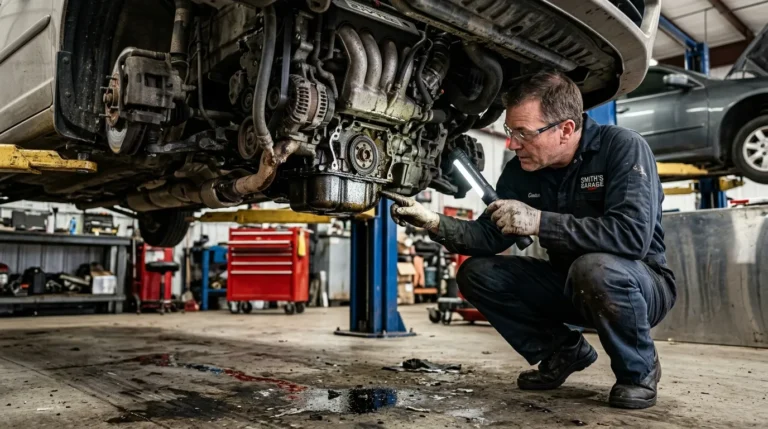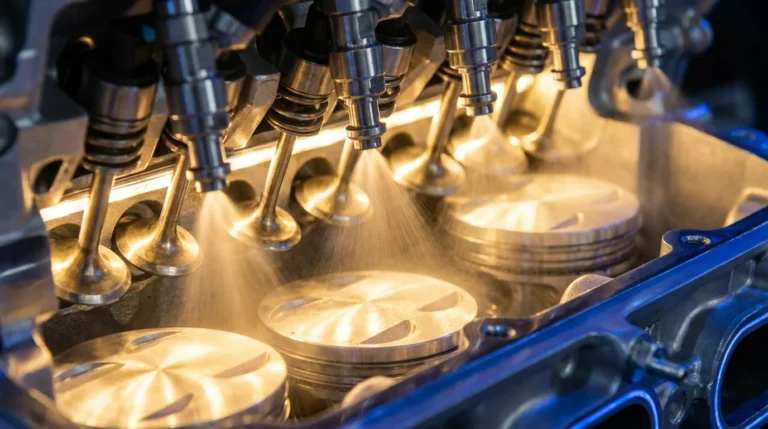
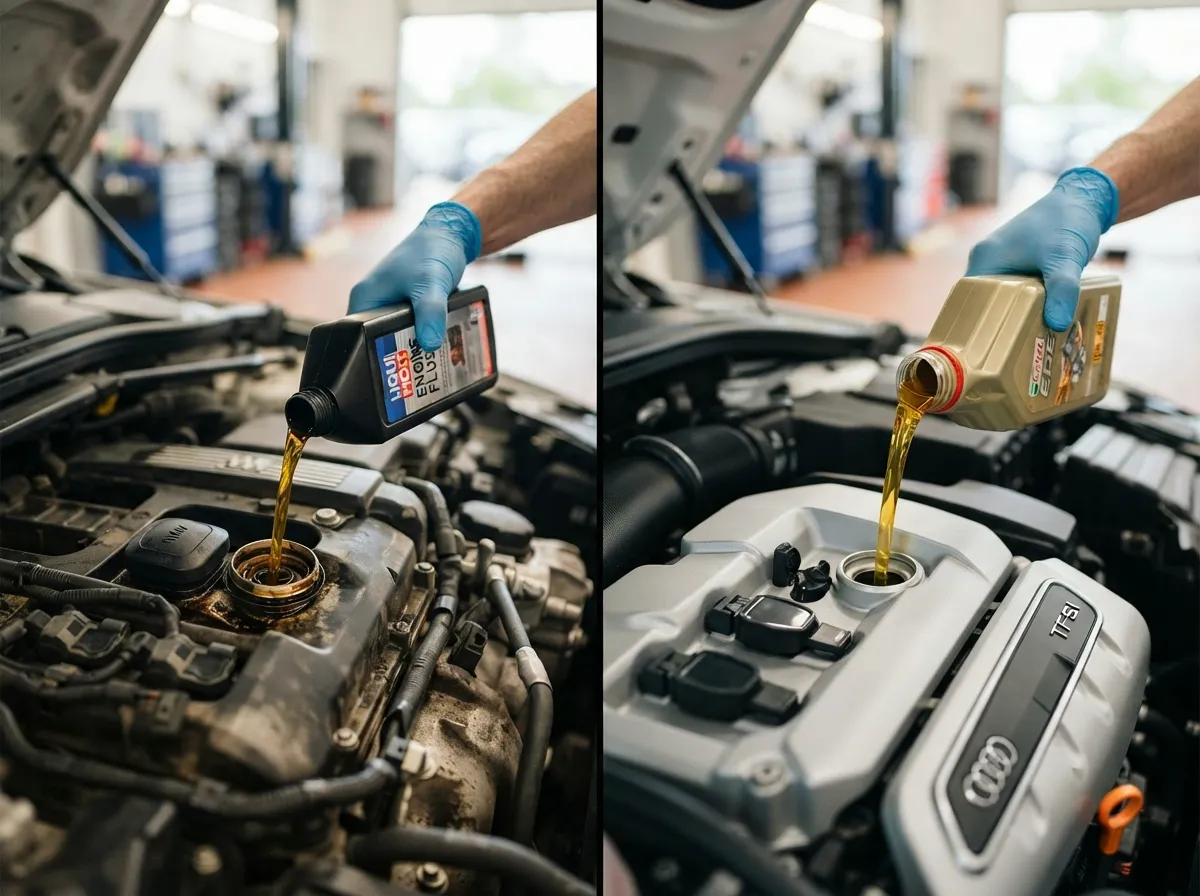
Engine flush cleans sludge and deposits; oil change replaces oil and filter for routine care.
I’ve worked on cars and serviced engines for years, so I know the real differences between engine flush vs oil change. This article breaks down what each service does, when to use each, risks, costs, and clear rules you can follow. Read on to learn how to protect your engine, save money, and make the best choice for your vehicle.
What is an engine flush?
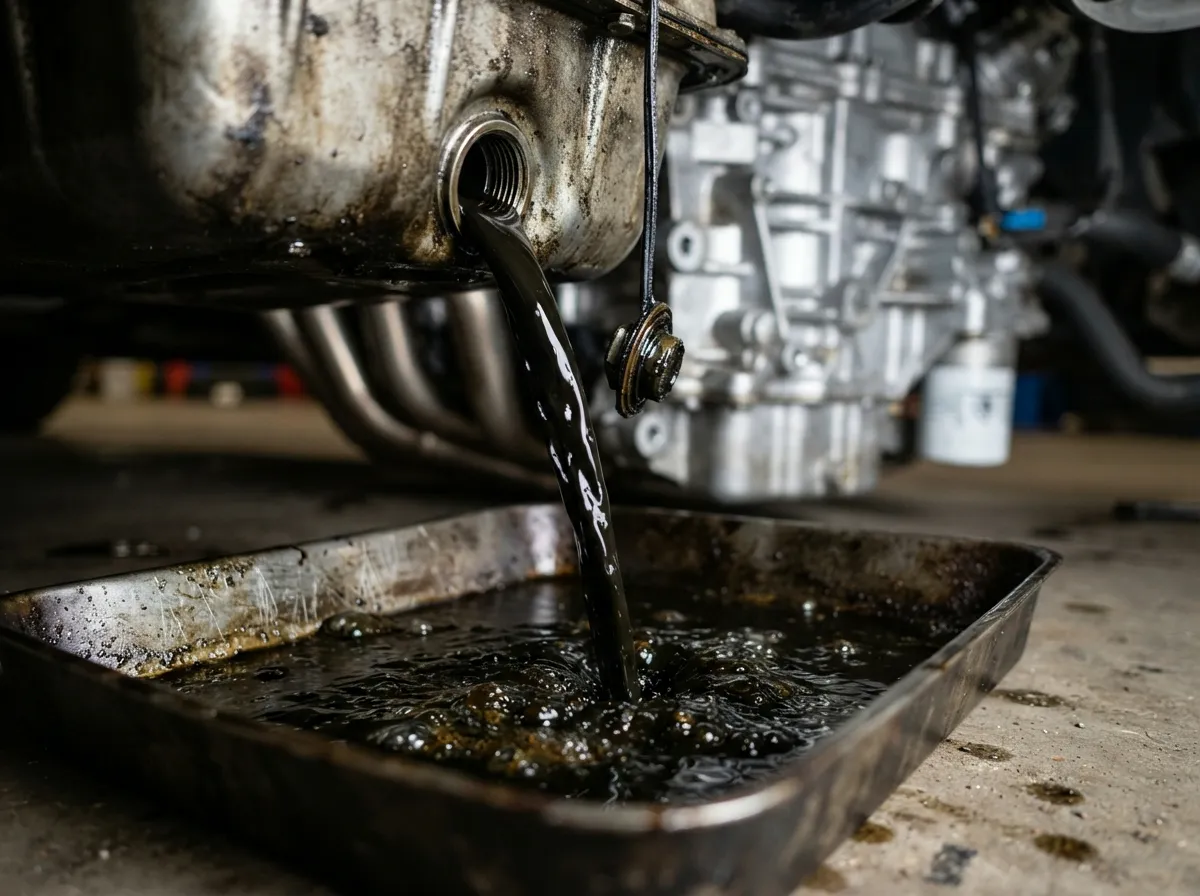
An engine flush is a cleaning process. A solvent or chemical product is added to the oil system to loosen sludge and varnish. The engine runs briefly to circulate the cleaner, then the old oil and cleaner are drained and replaced.
Why people use an engine flush
- Removes heavy sludge and varnish that normal oil changes may miss.
- Helps restore oil flow in engines with limited buildup.
- Can improve oil pressure and reduce noise in some old engines.
Risks and limits
- Flush chemicals can dislodge large clumps that clog oil passages or the oil filter.
- Older engines with worn seals may leak after a flush.
- Not always needed for cars with regular oil changes and low deposits.
Practical note
- Follow manufacturer guidance. Many automakers do not recommend routine engine flushes. When used, choose reputable products and a trusted shop.
What is an oil change?
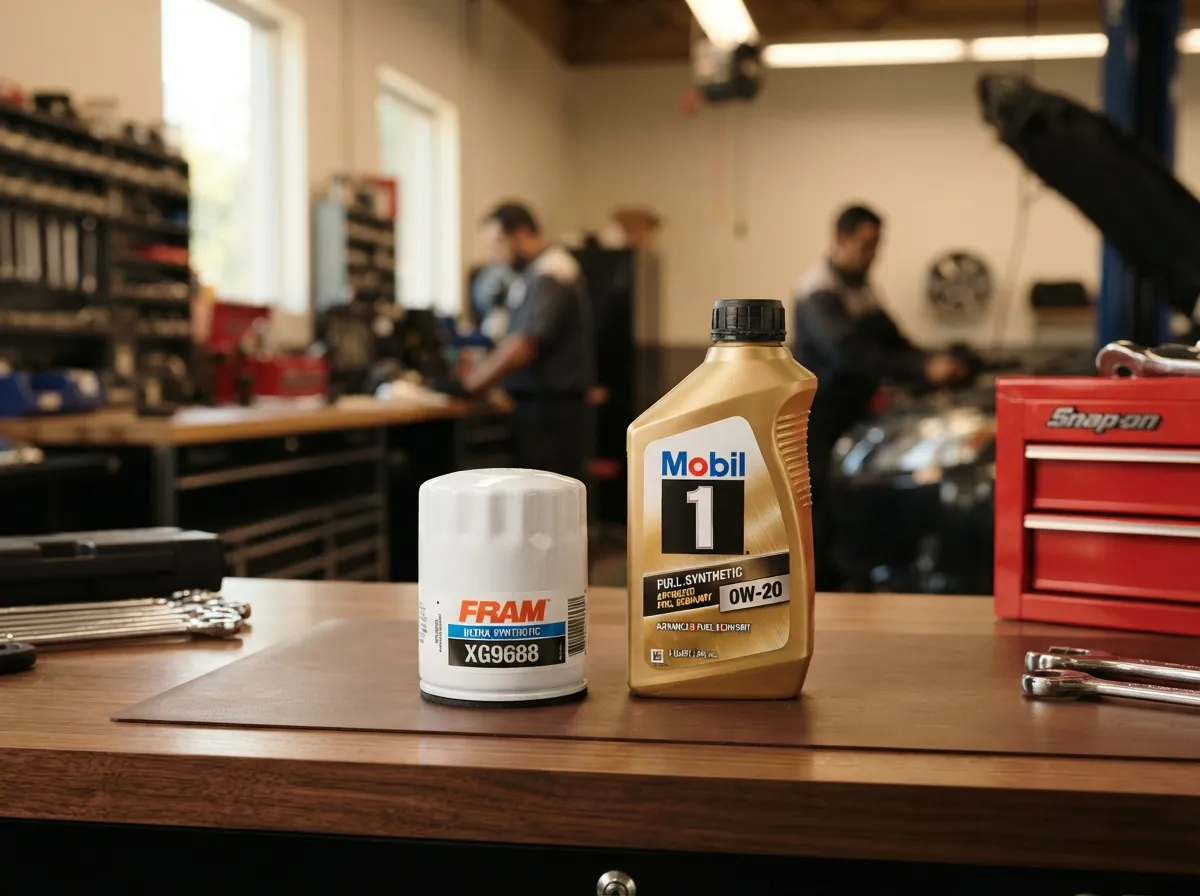
An oil change replaces used engine oil and the oil filter. Fresh oil keeps parts lubricated, reduces wear, and carries heat and particles away from critical surfaces.
What an oil change does
- Removes most contaminants suspended in the oil.
- Replaces oil with the correct grade and viscosity.
- Installs a new filter to trap remaining particles.
Types of oil commonly used
- Conventional oil for older or simple engines.
- Synthetic blend for balanced performance and cost.
- Full synthetic for high heat, high stress, or longer intervals.
Frequency and best practice
- Follow the vehicle manual for interval recommendations.
- Modern cars often need oil changes every 5,000 to 10,000 miles, depending on oil type and driving conditions.
- Regular oil changes prevent most sludge and keep the engine healthy.
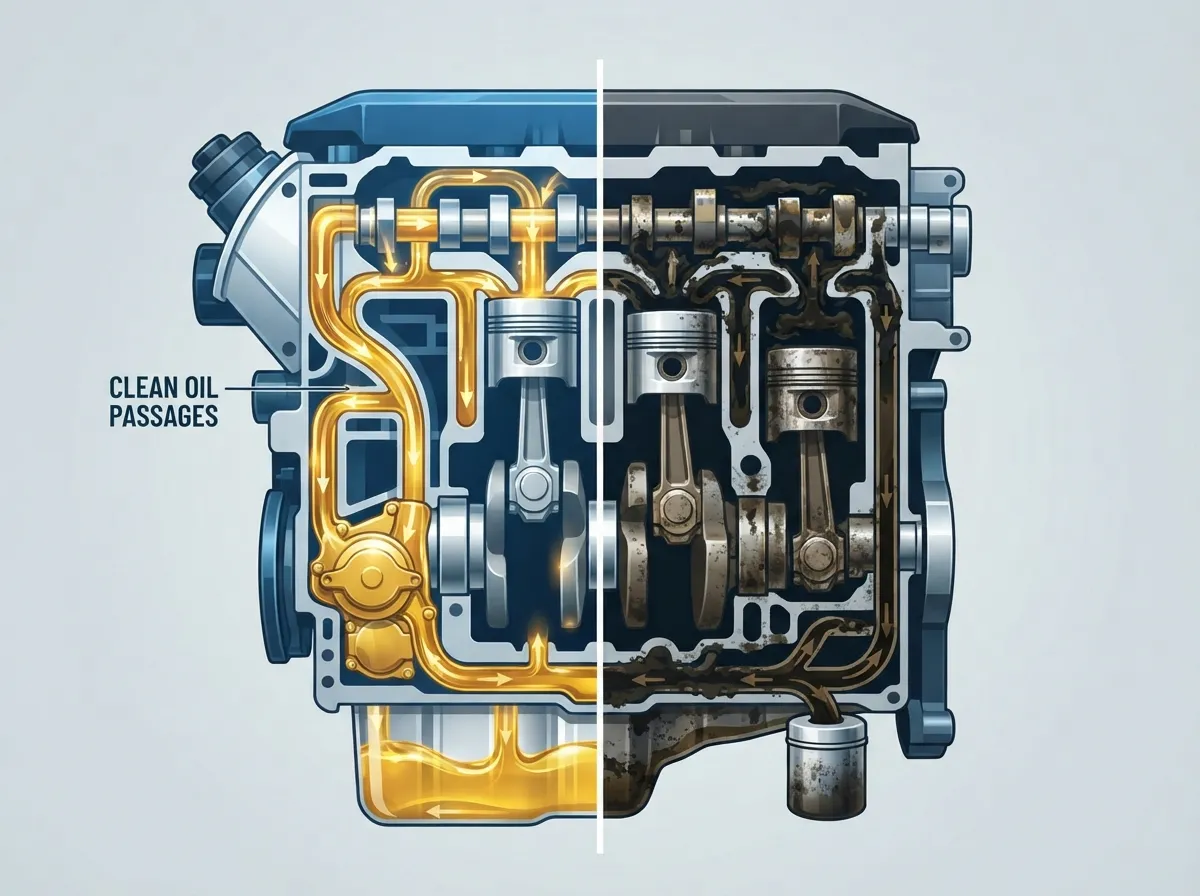
Engine flush vs oil change: side-by-side comparison
Purpose
- Engine flush vs oil change: An engine flush cleans internal deposits; an oil change replaces contaminated oil and filter.
Effect on engine health
- Oil change maintains lubrication and removes suspended contaminants.
- Engine flush targets hardened deposits and varnish inside passages and galleries.
When each helps
- Use an oil change routinely for every vehicle.
- Consider an engine flush only if there is visible sludge, low oil pressure from blockages, or after long-term neglect.
Cost comparison
- Oil change cost ranges widely based on oil type and filter quality.
- Engine flush adds a small chemistry cost or service fee on top of an oil change, making it slightly more expensive.
Risks overview
- Oil change: low risk when done correctly.
- Engine flush: moderate risk in older or high-mileage engines with dried deposits or weak seals.
Signs you might need a flush
- Dark, thick oil that smells burned.
- Oil pressure warnings not solved by a fresh oil change.
- Noticeable engine sludge during oil pan inspection.
PAA-style questions
Q: Does an engine flush increase oil life?
A: No. An engine flush cleans deposits but does not extend oil life. Fresh oil after a flush follows normal change intervals.
Q: Can an engine flush cause leaks?
A: Yes. A flush can free debris or soften old seals, which may lead to leaks in worn engines.

When to consider an engine flush
Consider a flush if:
- The engine shows heavy sludge or varnish.
- You buy a used car with unknown maintenance history.
- Low oil pressure continues after a proper oil change and filter replacement.
Avoid a flush if:
- Your car has a clear service history with regular oil changes.
- The engine has known seal or gasket weaknesses.
- You drive a classic or high-mileage vehicle with brittle seals.
Safety checklist before a flush
- Read the vehicle manual for manufacturer warnings.
- Inspect seals, hoses, and oil cooler for wear.
- Plan to replace the oil filter and use high-quality oil afterward.
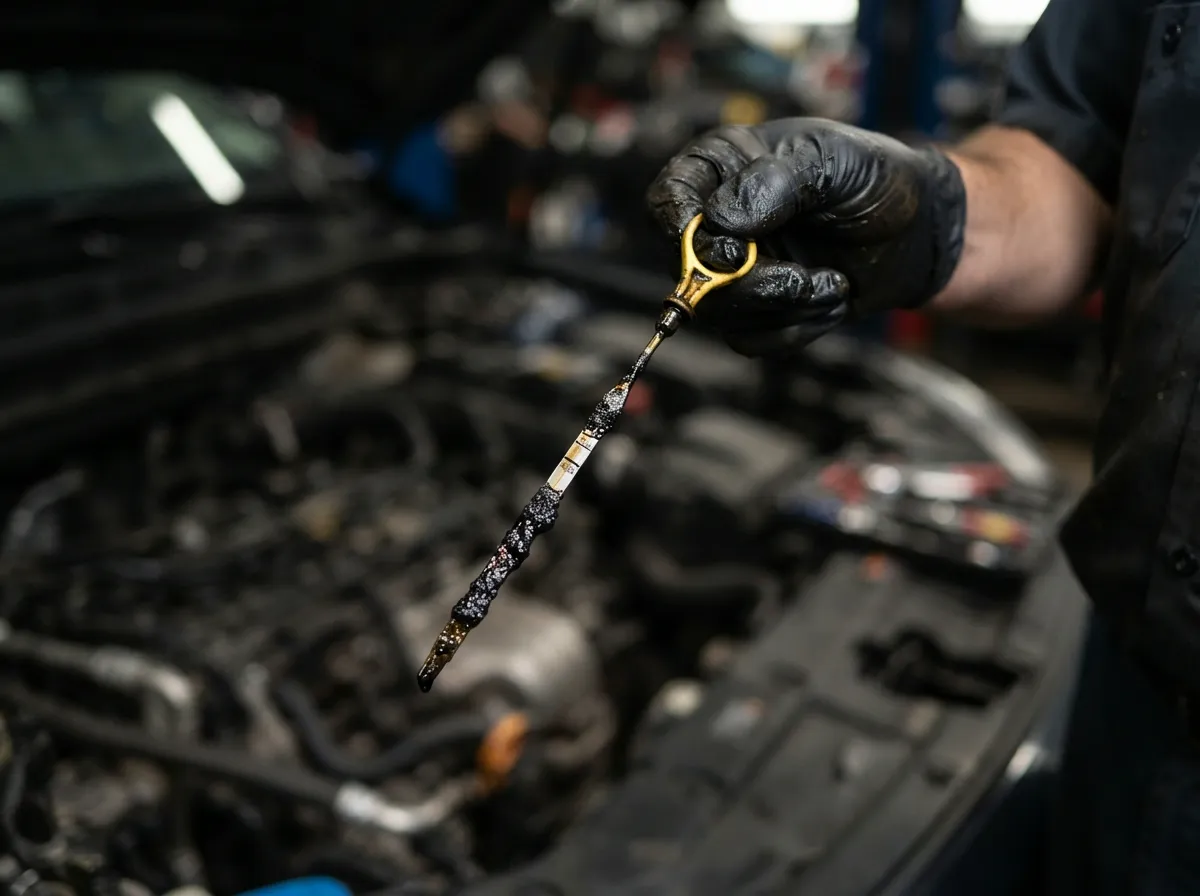
How to do an engine flush and an oil change (step-by-step)
Simple oil change steps
- Warm the engine briefly to make oil flow easier.
- Drain the old oil into a catch pan.
- Replace the oil filter with a high-quality part.
- Add the correct oil type and level per the manual.
- Run the engine and check for leaks and correct oil pressure.
Basic engine flush steps (when performed)
- Start with fresh clean oil if recommended by product instructions.
- Add the engine flush chemical to the old oil or as directed.
- Run the engine at idle for the prescribed time. Do not rev the engine.
- Drain the mix, replace the oil filter, and refill with fresh oil.
- Monitor for leaks and check oil pressure after a short run.
Professional vs DIY
- Professional shops can catch issues and reduce risk.
- DIY is possible but follow product instructions and safety steps closely.
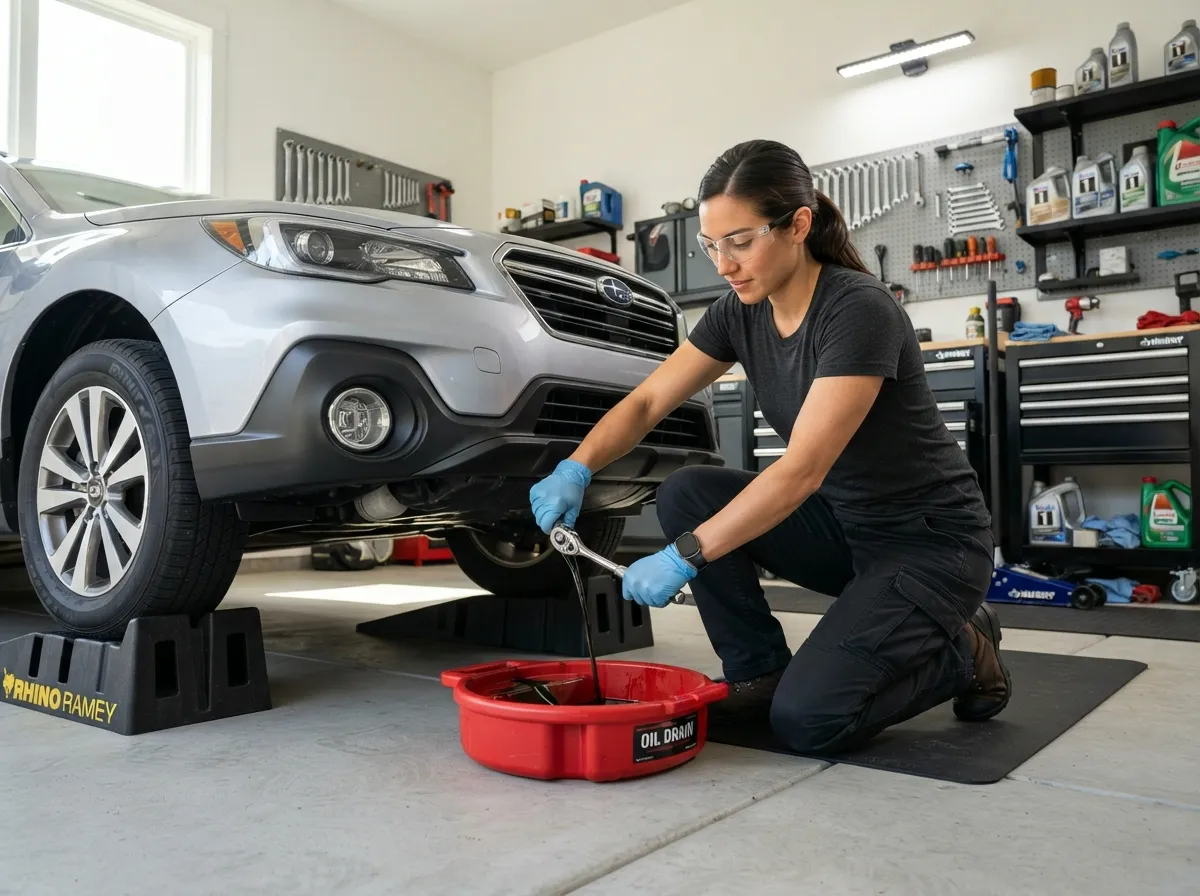
Personal experience and lessons learned
I once serviced a late-2000s sedan with neglected oil. The owner wanted a quick fix for low oil pressure. We did an engine flush and then found a partially plugged oil pickup screen. The flush helped, but it also freed chunks that nearly clogged the filter. Lesson learned: replace the oil filter immediately and have parts inspected before using a flush.
Other lessons
- I avoid routine flushes on well-maintained cars.
- For used-car purchases, a careful inspection and a conservative flush can be worth the cost.
- If seals look weak, skip the flush and stick to frequent oil changes instead.
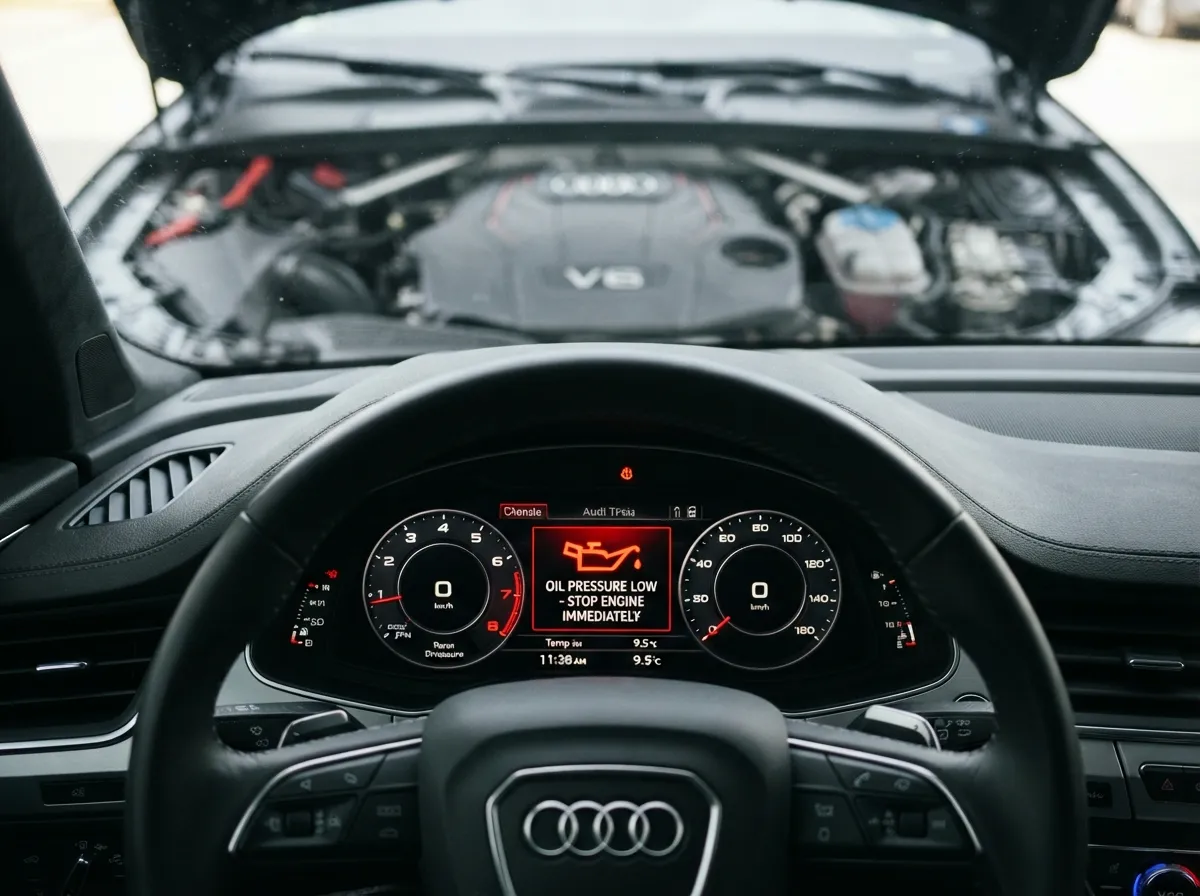
Practical tips to maintain engine health
Routine habits
- Stick to the manufacturer oil change schedule.
- Use the correct oil grade.
- Change the oil filter every time you change the oil.
Monitoring tips
- Check oil level monthly.
- Note oil color and texture during changes.
- Address odd noises, smoke, or pressure drops early.
When to see a pro
- If oil pressure is low after an oil change.
- If you see sludge on the oil pan or magnetic drain plug.
- If leaks start after any cleaning or service.
Frequently Asked Questions of engine flush vs oil change
What is the main difference between an engine flush and an oil change?
An engine flush cleans internal deposits using a chemical or solvent. An oil change simply drains old oil and replaces it with fresh oil and a new filter.
Can an engine flush fix low oil pressure?
An engine flush can help if low oil pressure is due to sludge blocking passages. If pressure drop comes from worn bearings or a failing pump, a flush will not fix it.
How often should I change my oil if I don’t do engine flushes?
Follow the vehicle manual. Most modern cars need oil changes every 5,000 to 10,000 miles depending on oil type and driving habits.
Is an engine flush safe for high-mileage cars?
It can be risky. If seals and gaskets are old, a flush may dislodge debris or loosen seals and cause leaks. Consult a mechanic first.
Will an engine flush improve fuel economy?
Any improvement is usually small. Cleaning heavy deposits may restore lost efficiency, but the main benefit of an engine flush is improved oil flow and reduced deposits, not large fuel gains.
Can I perform an engine flush at home?
Yes, but follow product instructions carefully. Warm the engine, run only as recommended, and always replace the oil filter. Consider a shop if you’re unsure.
Should I flush the engine before switching oil types?
Not required. Switching oil types is generally safe without a flush. If there’s heavy sludge, a flush may help prepare the engine for the new oil.
Conclusion
Engine flush vs oil change is not an either-or choice. Regular oil changes are essential for all engines. Engine flushes are a targeted tool for heavy deposits, used-car prep, or specific low-pressure issues. Be cautious with flushes on older engines and always follow manufacturer advice. Take action: check your oil, follow your service schedule, and consult a trusted mechanic before choosing an engine flush. If this helped, subscribe for more car care tips or leave a comment about your experience.