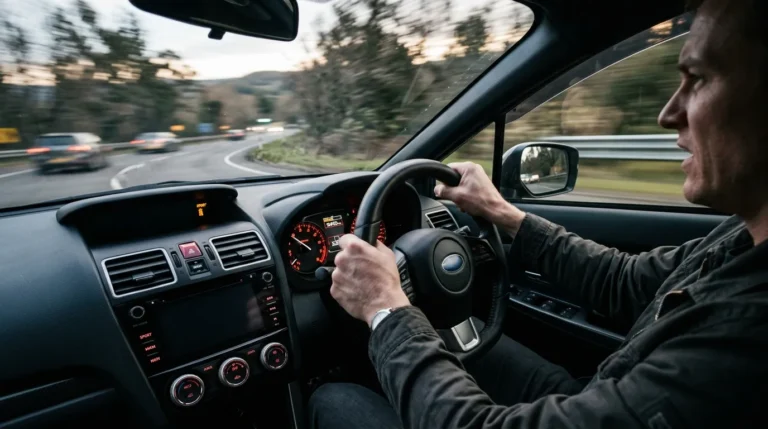
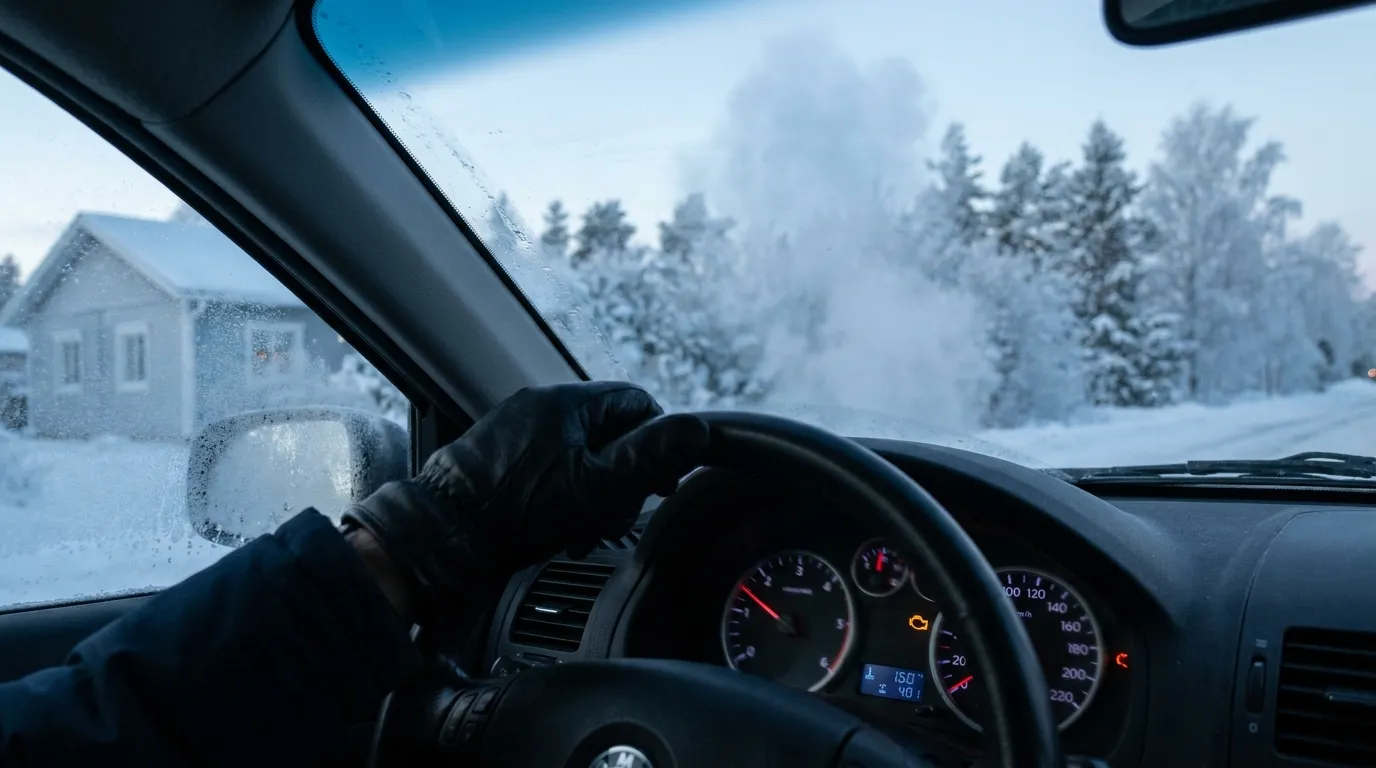
A cold engine often idles rough because fuel, air, or ignition systems are out of balance.
I’ve worked on many engines and diagnosed dozens of cold-start rough idles. This guide explains why an engine rough idle when cold happens, how to diagnose it, and clear fixes you can try. I use simple steps, real-world tips, and practical examples from shop work to help you fix the problem fast and avoid repeat visits to the mechanic. Read on to get confident about diagnosing and repairing engine rough idle when cold.
Causes of engine rough idle when cold
Cold starts stress fuel, air, and ignition systems. Common causes of engine rough idle when cold include:
- Faulty engine coolant temperature sensor. It can tell the ECU the engine is cold when it is not or vice versa.
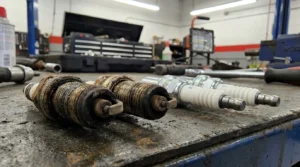
- Worn spark plugs or weak ignition coils. Cold fuel needs a strong spark.
- Dirty or failing mass airflow (MAF) sensor or manifold absolute pressure (MAP) sensor. These give wrong air readings.
- Clogged fuel injectors or weak fuel pump. Fuel flow is reduced while the engine tries to warm.
- Dirty throttle body or idle air control valve. Idle airflow is unstable on cold starts.
- Vacuum leaks in hoses or intake gaskets. Leaks change air-fuel balance when cold.
- Old oil that is too thick in low temperatures. Thick oil increases load at idle.
- Faulty PCV valve or EGR issues. These can cause rough idle more in cold conditions.
A single issue can cause engine rough idle when cold. Multiple problems are common in older cars. Early diagnosis saves money and avoids bigger repairs.
How to diagnose engine rough idle when cold
A clear diagnosis keeps you from replacing parts blindly. Follow these steps to find the root cause.
- Listen and watch first. Note rpm, shaking, engine temperature gauge, and any exhaust smoke.
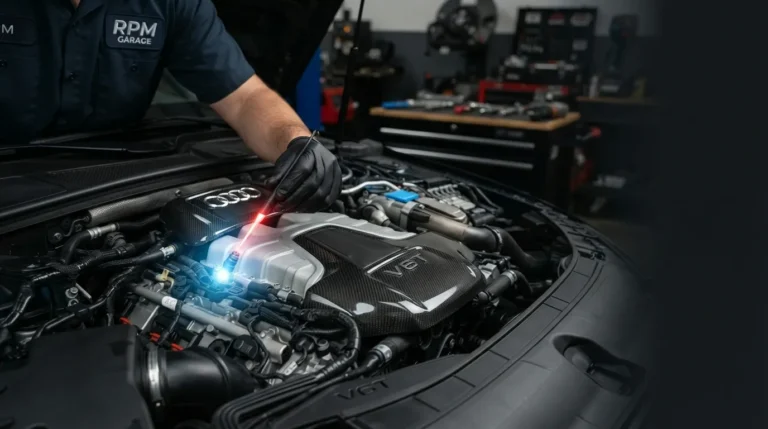
- Scan for codes with an OBD2 scanner. Codes point to sensors or misfire cylinders.
- Check live data. Watch short-term fuel trim, long-term fuel trim, and coolant temp readings.
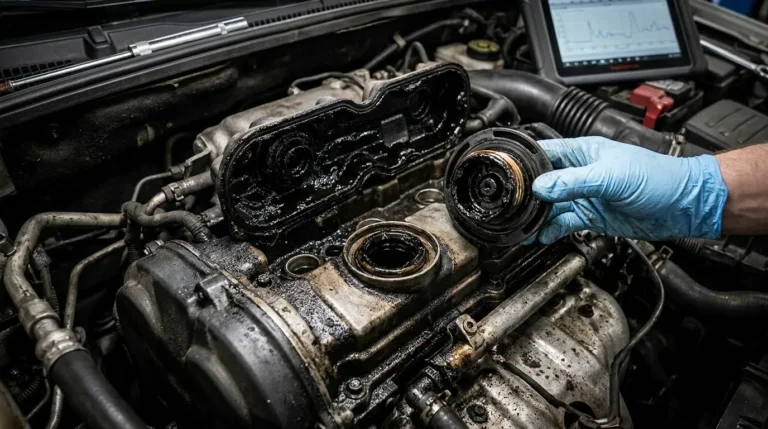
- Inspect spark plugs and coils. Look for fouling, wear, or cracked boots.
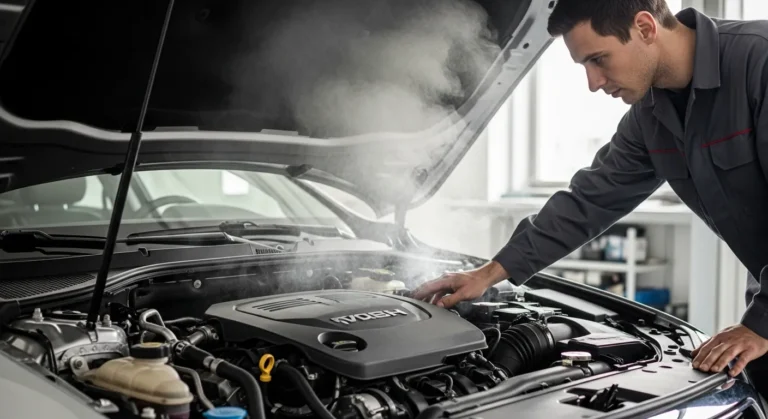
- Check for vacuum leaks. Use a smoke machine or spray cleaner around intake while idle.
- Test fuel pressure. Compare to factory spec to confirm the pump and regulator.
- Clean MAF and throttle body if dirty. Small deposits cause big idle shifts.
- Verify engine coolant temp sensor. Cold starts rely on it for richer fueling.
PAA-style question 1: What simple check helps pinpoint a cold idle issue?
Start by scanning for codes and watching live coolant temp and fuel trim data.
PAA-style question 2: Can a vacuum leak cause a rough idle only when cold?
Yes. Some leaks worsen with cold metal and cause unstable idle until the engine warms.
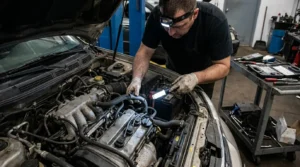
Common parts that fail and fix options
Below are the parts most likely to cause engine rough idle when cold, with typical fixes.
- Engine coolant temperature sensor
- Symptom: Rich or lean fuel at start.
- Fix: Test resistance or voltage and replace if out of spec.
- Spark plugs and ignition coils
- Symptom: Misfire codes, rough shake at idle.
- Fix: Replace plugs and coils by cylinder if misfiring.
- Mass airflow sensor (MAF) or MAP sensor
- Symptom: Erratic idle, stalling when cold.
- Fix: Clean sensor with proper cleaner or replace if faulty.
- Throttle body and idle control valve
- Symptom: High or low unstable idle on cold start.
- Fix: Clean deposits and inspect moveable parts; replace valve if stuck.
- Fuel injectors and fuel system
- Symptom: Poor fuel spray, uneven idle.
- Fix: Run a cleaning service, replace injectors if clogged.
- Vacuum hoses and intake gaskets
- Symptom: Hissing noise, lean fuel trim.
- Fix: Replace cracked hoses or gaskets; retest idle.
- PCV valve and EGR system
- Symptom: Rough idle, oil smell, or white smoke.
- Fix: Replace PCV valve and clean or service EGR components.
For many of these parts, a targeted replacement or cleaning fixes the engine rough idle when cold. Use OEM specs for parts and torques.
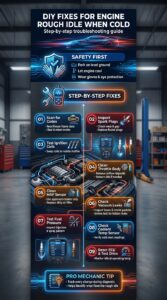
Step-by-step DIY fixes for engine rough idle when cold
If you like hands-on work, try these steps in order. Stop and seek professional help if you see major problems.
- Safety first
- Park on level ground.
- Let the engine cool before working near hot parts.
- Wear gloves and eye protection.
- Scan for codes and clear them
- Read freeze-frame data if available.
- Clear codes, then reproduce the rough idle to see fresh codes.
- Inspect and replace spark plugs if needed
- Remove plugs and check gap and wear.
- Replace plugs and boots if they look old or fouled.
- Check ignition coils and swap them to isolate a bad coil
- Swap coils between cylinders to see if misfire follows coil.
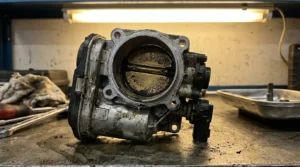
- Clean the throttle body and idle air control passages
- Remove deposits that block smooth airflow.
- Relearn idle per your vehicle manual if required.
- Clean MAF sensor and air filter
- Use approved MAF cleaner; do not touch sensor wires.
- Replace the air filter if dirty.
- Inspect vacuum lines and intake gaskets
- Replace cracked hoses.
- Use a smoke test if available to find small leaks.
- Test fuel pressure and injectors
- Use a fuel pressure gauge.
- Consider injector cleaning if spray is uneven.
- Test the engine coolant temperature sensor
- Verify it reports a low temp at cold start.
- Replace if readings are erratic or out of spec.
- Reset the ECU and test drive
- Disconnect battery briefly or use an ECU reset procedure.
- Drive and monitor idle while engine reaches operating temperature.
These steps often resolve engine rough idle when cold. Keep notes on changes so you can undo steps if needed.
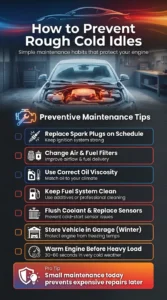
Preventive maintenance and tips to avoid rough cold idles
Good maintenance reduces cold-start issues. Keep things simple and routine.
- Replace spark plugs and ignition parts on schedule.
- Change air and fuel filters regularly.
- Use the correct oil viscosity for your climate.
- Keep fuel system clean with periodic additives or professional cleaning.
- Flush coolant and replace sensors as recommended.
- Store your vehicle in a garage in winter if possible.
- Warm up the engine for 30–60 seconds in very cold weather before heavy load.
These habits reduce the chance of an engine rough idle when cold. A small regular investment prevents larger repairs later.
Personal experience and lessons learned
I remember a late-winter call from a driver with a shaking sedan. The car had an engine rough idle when cold but ran fine later. I scanned codes and found no faults. Cleaning the throttle body and replacing an old coolant temp sensor fixed it. Lesson learned: low-cost sensors and cleaning often solve cold-idle problems. Avoid swapping many parts at once. Test, then fix. Keep a log of repairs. That saved the owner time and money.
Source: completeautomotive417.com
Frequently Asked Questions of engine rough idle when cold
What does a rough idle when cold usually mean?
It usually means the air-fuel mixture or ignition timing is off during warm-up. Sensors or deposits often cause it.
Can I drive with a rough idle when cold?
Short drives are usually okay, but prolonged driving can harm catalytic converters and worsen fuel economy. Fix soon.
How long should a cold rough idle last?
A healthy car should smooth out within 30 seconds to a few minutes as the engine warms. If it persists longer, diagnose.
Will cleaning the throttle body fix a cold rough idle?
Often yes. Throttle and idle air passages collect deposits that upset idle control during cold starts.
How much does it cost to fix a rough idle when cold?
Costs vary. Cleaning and sensor replacements can be low-cost. Major parts or fuel system work raise the price. Expect a range from affordable DIY parts to several hundred dollars professionally.
Conclusion
A rough idle when cold is common and usually fixable. Check sensors, ignition, fuel, and intake systems in a simple, logical order. Start with scanning codes, cleaning throttle and MAF, and inspecting spark plugs and vacuum lines. Small fixes often restore smooth cold starts and save money. Try the steps above, keep records, and seek professional help when needed. Share your experience below or subscribe for more car repair guides and step-by-step tips.