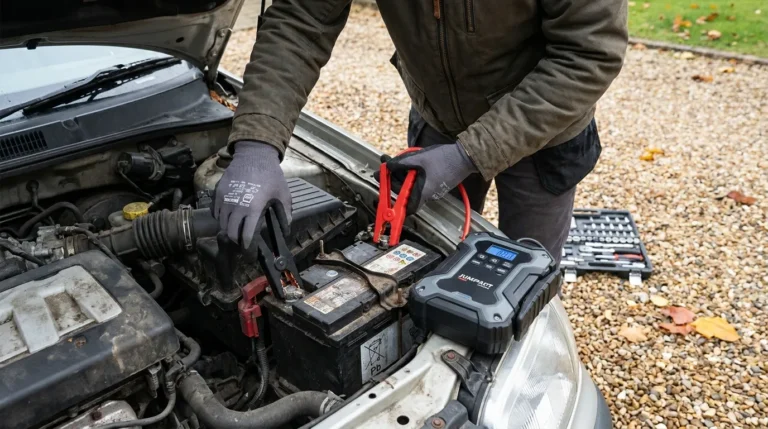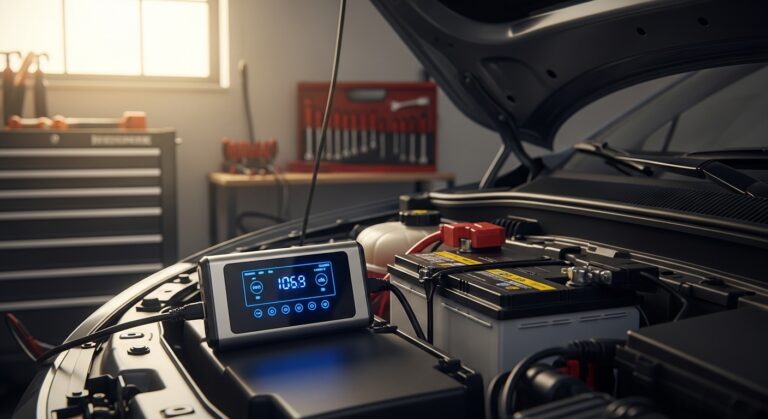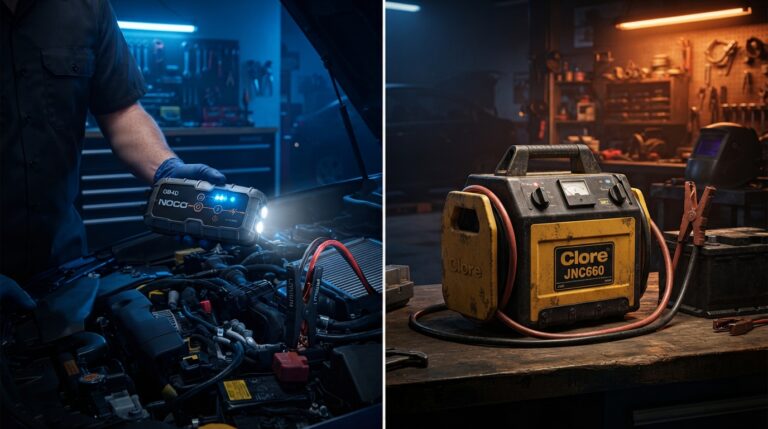
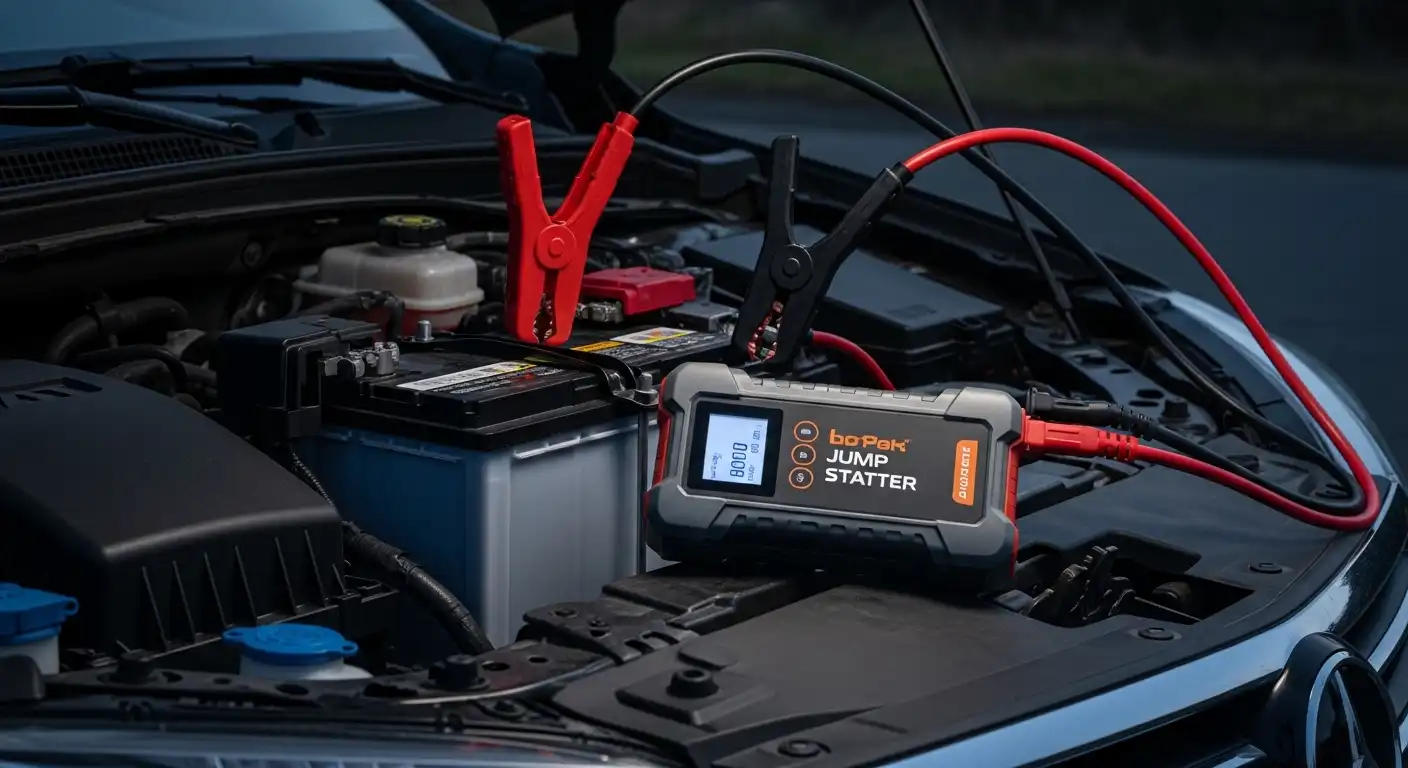
A portable jump starter is a compact battery pack that can start a dead car.
If you have ever turned the key and heard only a click, you know the panic. I have been there in winter, in a store lot, and on a dusty trail. This guide explains what is a portable jump starter in clear, simple steps. You will learn how it works, how to use it, and how to pick the right one with confidence.
What Is a Portable Jump Starter and How It Works
What is a portable jump starter? It is a small, high-power battery with clamps that can start your vehicle without another car. It stores energy, then sends a short burst of current to your starter motor. It is like having a friendly neighbor in your trunk.
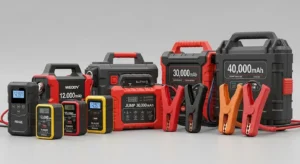
Inside the pack, you will find:
- A lithium-ion or lithium iron phosphate battery that holds the charge.
- Smart clamps that prevent sparks and wrong connections.
- A control board that manages current and heat.
- Ports for USB charging, and often a flashlight for low light.
Here is what happens when you turn it on:
- The pack senses battery voltage and polarity.
- It allows a high current flow for a few seconds.
- Your starter spins. The engine starts. The alternator takes over.
Terms you will see:
- Peak amps: The max burst of current for a second or two.
- Cranking amps: The current a pack can hold for a few seconds, which is more useful.
- Capacity: Measured in watt-hours. More Wh means more starts and more device charging.
Quick reality check:
- Many labels inflate peak amps. Focus on cranking amps and engine size support.
- Cold weather reduces output. Expect less power below 32°F.
What is a portable jump starter good for beyond cars? It can boost SUVs, trucks, boats, motorcycles, and lawn tractors. It also charges phones and laptops when outlets are far away.
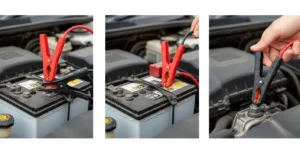
Key Features and Specs to Know
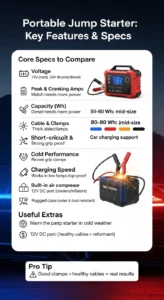
To grasp what is a portable jump starter, you need to know the parts that matter. Focus on these items when you read the box or page.
Core specs to compare:
- Voltage: Most cars use 12V. Some diesels and trucks use 24V.
- Peak and cranking amps: Match your engine size and fuel type. Gas needs less than diesel.
- Capacity: Measured in Wh. Around 50–80 Wh is mid-size. 80–120 Wh is strong.
- Cable length and clamp quality: Thick cables and strong teeth help on tight battery posts.
- Safety features: Reverse polarity, short-circuit, overheat, and spark-proof tech are musts.
- Cold performance: Look for a low temp rating. Some units work down to -4°F or lower.
- Charging speed: USB-C Power Delivery at 30–60W saves time. Car-charging options help on trips.
Useful extras:
- Built-in flashlight with SOS mode.
- Air compressor for tires on combo units.
- 12V DC port for coolers or inflators.
- Rugged case with IP water and dust rating.
A note from the field: I have tested packs from 800 to 2000 peak amps. Real results beat specs when clamps grip well, the pack is warm, and the car has healthy cables. Warm the pack in your hands on cold days for a safer, faster start.
Benefits and Limitations
What is a portable jump starter without context? It is both a lifesaver and a tool with limits. Here is a balanced view.
Top benefits:
- You do not need a second car or long cables.
- You can start a car in minutes, even in tight spaces.
- It doubles as a power bank for trips and blackouts.
- Safety features cut sparks and prevent damage.
Limits to respect:
- It needs regular charging. A dead pack will not help you.
- Deep cold cuts power. Store it inside at night if you can.
- It cannot fix a bad alternator or a dead battery cell.
- Many cheap units overstate ratings. Buy from a brand with good tests.
Practical tip: If your battery is very weak, try a pre-charge mode if the pack has one. Some units need a manual override for near-zero volts. Read the manual for that step.
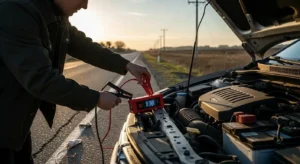
How to Use a Portable Jump Starter Safely
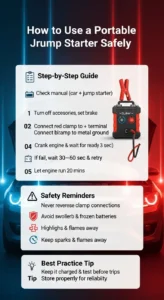
Follow these steps. Keep calm. Work with care.
- Check the manual for your model and your car.
- Turn off all car accessories. Set the car in Park or Neutral. Engage the brake.
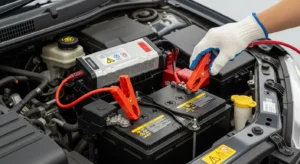
- Connect the red clamp to the battery’s positive post.
- Connect the black clamp to a clean, unpainted metal ground on the car frame.
- Power on the jump starter. Wait for the ready light.
- Crank the engine for up to 3 seconds. If it does not start, wait 30–60 seconds, then try again.
- When the engine runs, turn off the jump starter. Remove clamps in reverse order.
- Let the car run for at least 20 minutes to recharge.
Safety reminders:
- Do not connect clamps in reverse. The pack’s safety should stop it, but be careful.
- Do not use on a swollen, frozen, or leaking battery.
- Keep sparks, flames, and metal objects away from the battery area.
If you ask what is a portable jump starter best practice, it is simple: keep it charged, store it well, and test it before a long trip.
Buying Guide: Choosing the Right Portable Jump Starter
What is a portable jump starter that fits your life? Pick with a plan.
Match to your vehicle:
- Gas up to 3.0L: Small pack, lower amps is fine.
- Gas 3.0–5.0L or small diesel: Mid-size pack with higher cranking amps.
- Large gas or diesel trucks: High output pack or a 24V unit if needed.
Look for:
- Honest specs with Wh and cranking amps listed.
- Quality clamps, thick cables, and solid hinge pins.
- USB-C in and out with 30W or more.
- Clear screen or lights for status and errors.
- UL-listed cells and protection, plus a solid warranty.
Questions to ask:
- Will it hold a charge 3–6 months?
- How many starts per charge does the maker claim?
- Is the case rated for dust and water?
- How is support if something fails?
If your goal is to learn what is a portable jump starter that lasts, invest once. A trusted brand with tested safety is worth it when you are stuck at night in the rain.
Care, Storage, and Long-Term Battery Health
Treat the pack like a mini tool you depend on.
- Recharge every 2–3 months, or after each use.
- Store at about 50–80% charge for long breaks.
- Keep it cool and dry. Avoid a hot trunk in summer.
- In winter, store it indoors. Bring it out when you drive.
- Clean clamp teeth. Corrosion makes bad contact.
- Test it before road trips. A 30-second test saves hours on the roadside.
A quick note on health: Lithium packs last longer if not kept full at high heat. This small habit adds years. It is a big win for such a small change.
Real-World Use Cases and Lessons Learned
A few field notes from my own use.
- Winter start in a grocery lot: The car clicked. The pack started it on the first try. I learned to keep the pack in the cabin when it is below freezing.
- Trailhead restart: We left a dome light on. The pack started a V6 after two short tries. I waited a minute between tries to protect the starter.
- Lawn tractor in spring: Sat all winter. The pack made yard work easy. I topped off both batteries after.
Mistakes to avoid:
- Leaving the pack in a hot trunk all summer. Capacity will fade fast.
- Forgetting to recharge after use. One start can drain it more than you think.
- Clamping on paint or dirty metal. Clean contact is key to a fast start.
If a friend asks what is a portable jump starter must-have tip, I say: test it once at home. The first time should not be in a storm at night.
Related Tools: Cables, Chargers, and Power Banks
It helps to know when each tool shines.
- Jumper cables: Cheap and simple. You need another car and space to park nose-to-nose.
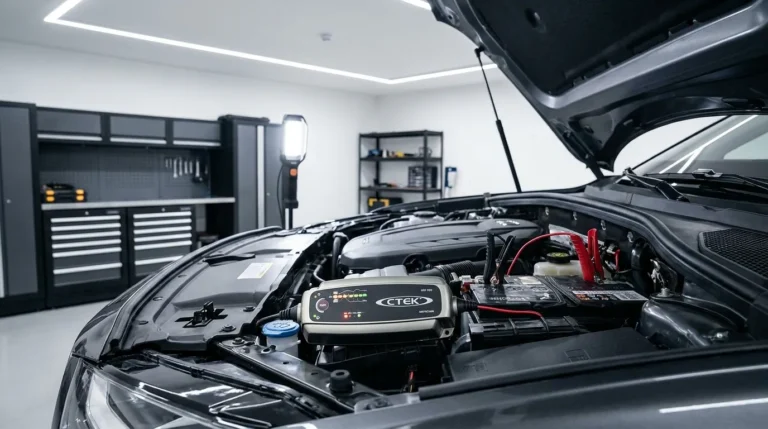
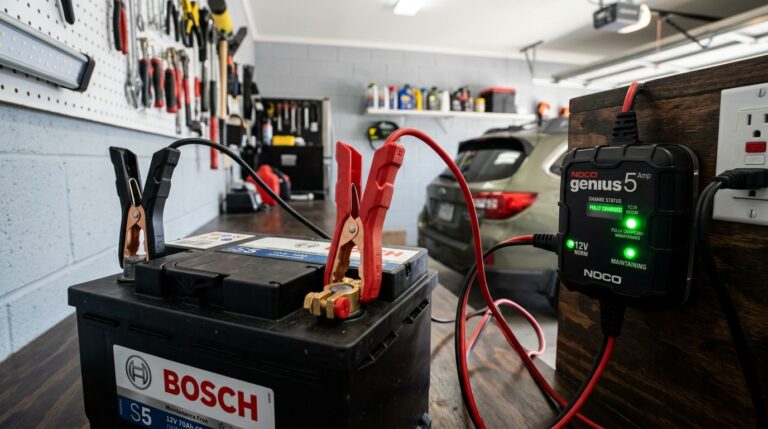
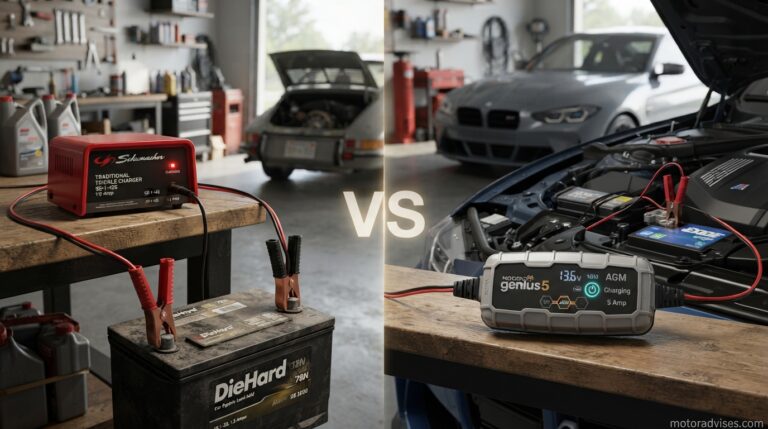
- Smart battery charger: Restores and maintains a weak battery over hours. Not for quick roadside starts.
- Portable jump starter: Fast, solo starts in minutes. Also charges devices on trips.
- Power bank: Great for phones and laptops. Not built to start engines.
So, what is a portable jump starter versus a charger? One is a short burst of high power. The other is a slow, gentle refill for battery health. Many drivers keep both.
Frequently Asked Questions of what is a portable jump starter
What size portable jump starter do I need?
Match the pack to engine size and fuel type. Larger gas and all diesel engines need higher cranking amps and sometimes a 24V model.
Can a portable jump starter charge my car battery?
It does not charge like a wall charger. It provides a burst to start the car; then your alternator recharges the battery as you drive.
How long does a portable jump starter hold a charge?
Most hold a charge for 3–6 months. Check monthly in heat or cold, as extreme temps drain stored power faster.
Is it safe to use in the rain?
Most units can handle light rain, but avoid soaking the pack or clamps. Check for an IP rating and keep the unit as dry as you can.
Will it work if my battery is completely dead?
Some packs have a manual override for near-zero volts. If the battery is damaged or has a bad cell, no jump starter will fix it.
Can I use it on motorcycles and boats?
Yes, many packs work on 12V systems for bikes, ATVs, and small boats. Check the amp rating and clamp size for tight spaces.
How many jumps can I get per charge?
A mid-size unit can give 2–6 starts on average. Cold weather and large engines reduce that number.
Conclusion
Now you know what is a portable jump starter, how it works, and how to pick and use one with care. This small tool can turn a bad day into a short delay. Keep it charged, store it well, and practice once at home.
Take action today. Choose a unit that fits your car, add it to your glove box, and set a reminder to top it off. Share this guide with a friend, or leave a comment with your own tips and stories.