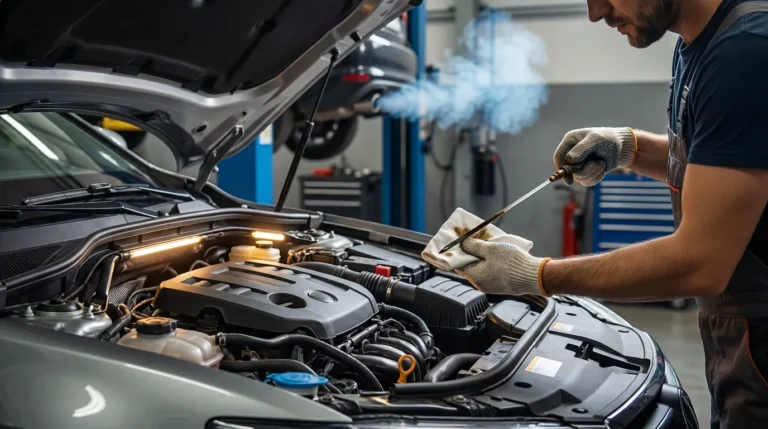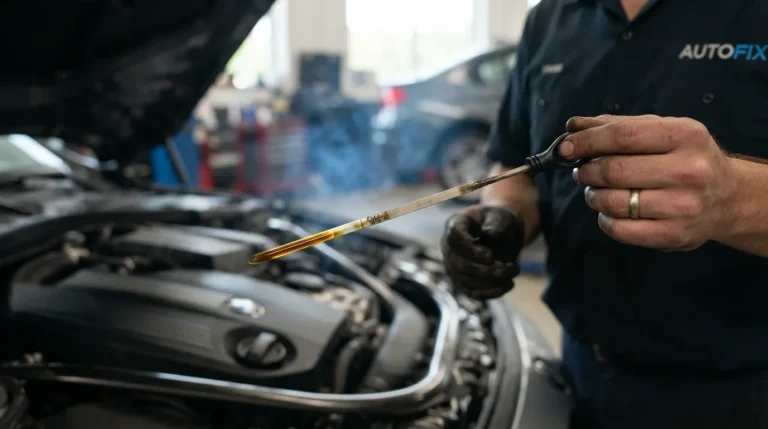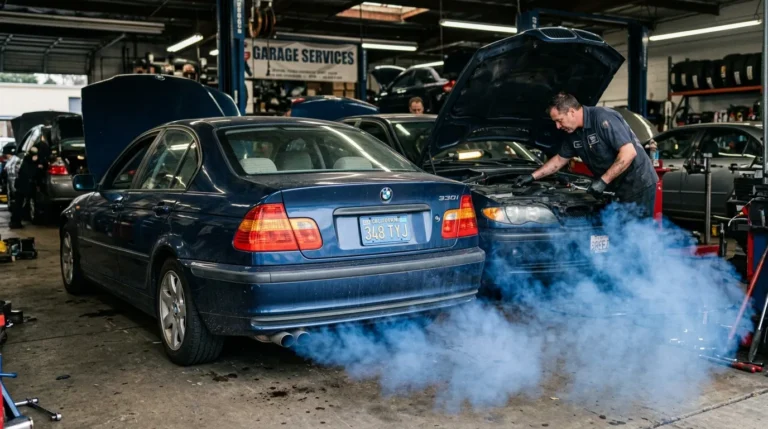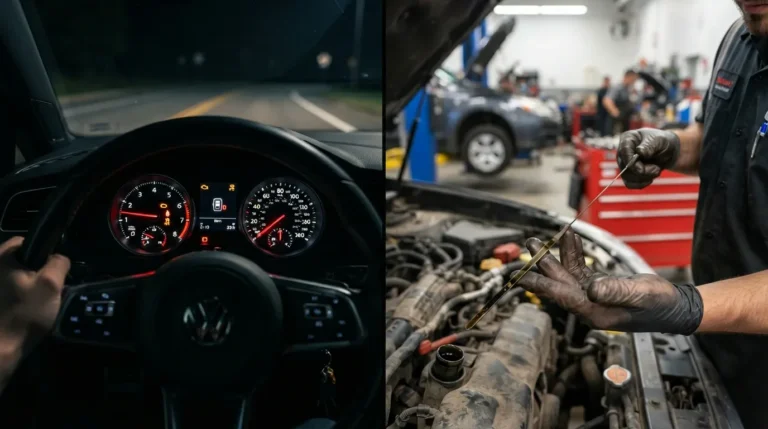
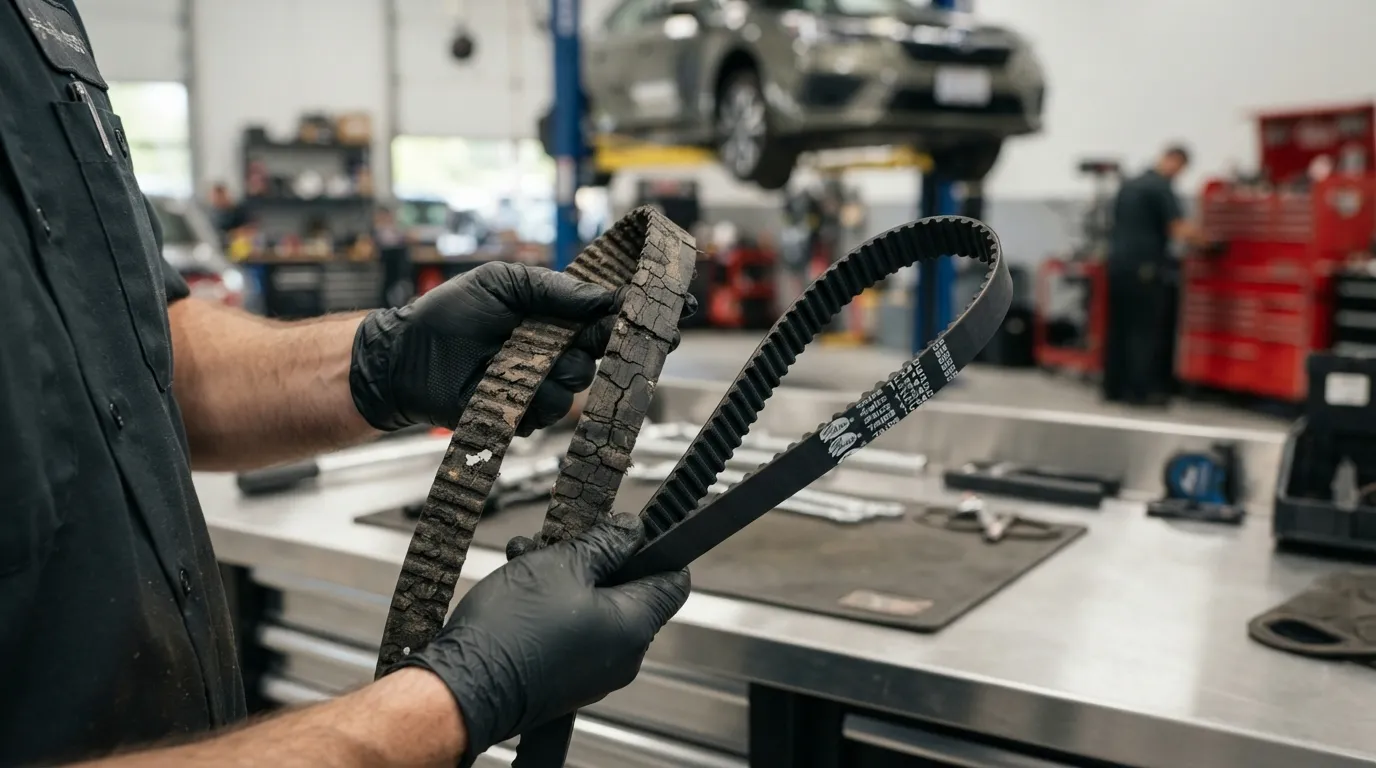
Timing belt failure symptoms often include engine misfires, ticking noises, rough idle, and a no-start condition.
I’ve worked on cars for over a decade and seen every timing belt failure symptom you can imagine. This guide explains what those symptoms look like, why they happen, how to diagnose them, and what to do next. Read on to learn clear, practical steps to spot timing belt failure symptoms early and avoid costly engine damage. engine misfires or a rough idle.
What is a timing belt and why it matters
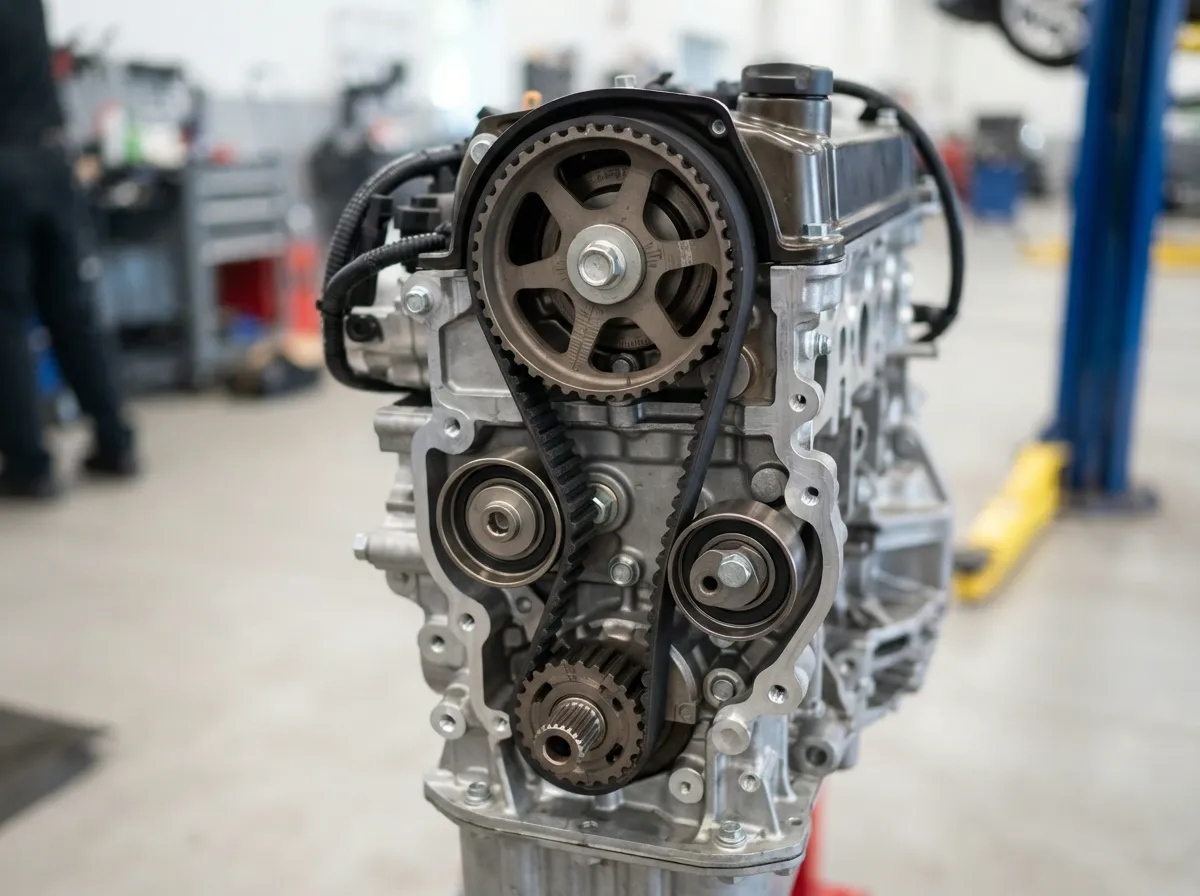
A timing belt is a reinforced rubber belt that syncs the crankshaft and camshaft. It controls valve timing so the engine breathes and fires correctly. Many engines are interference designs, so a snapped belt can let pistons hit valves. That means a broken timing belt can cost thousands in repairs. Knowing timing belt failure symptoms can save your engine and wallet.
Common timing belt failure symptoms
Recognizing timing belt failure symptoms early gives you time to act. Look for these signs on daily drives or during routine checks.
- Engine misfires or rough running.
When timing is off, combustion gets irregular. Misfires or a rough idle are common timing belt failure symptoms. - Ticking or clicking noise from the front of the engine.
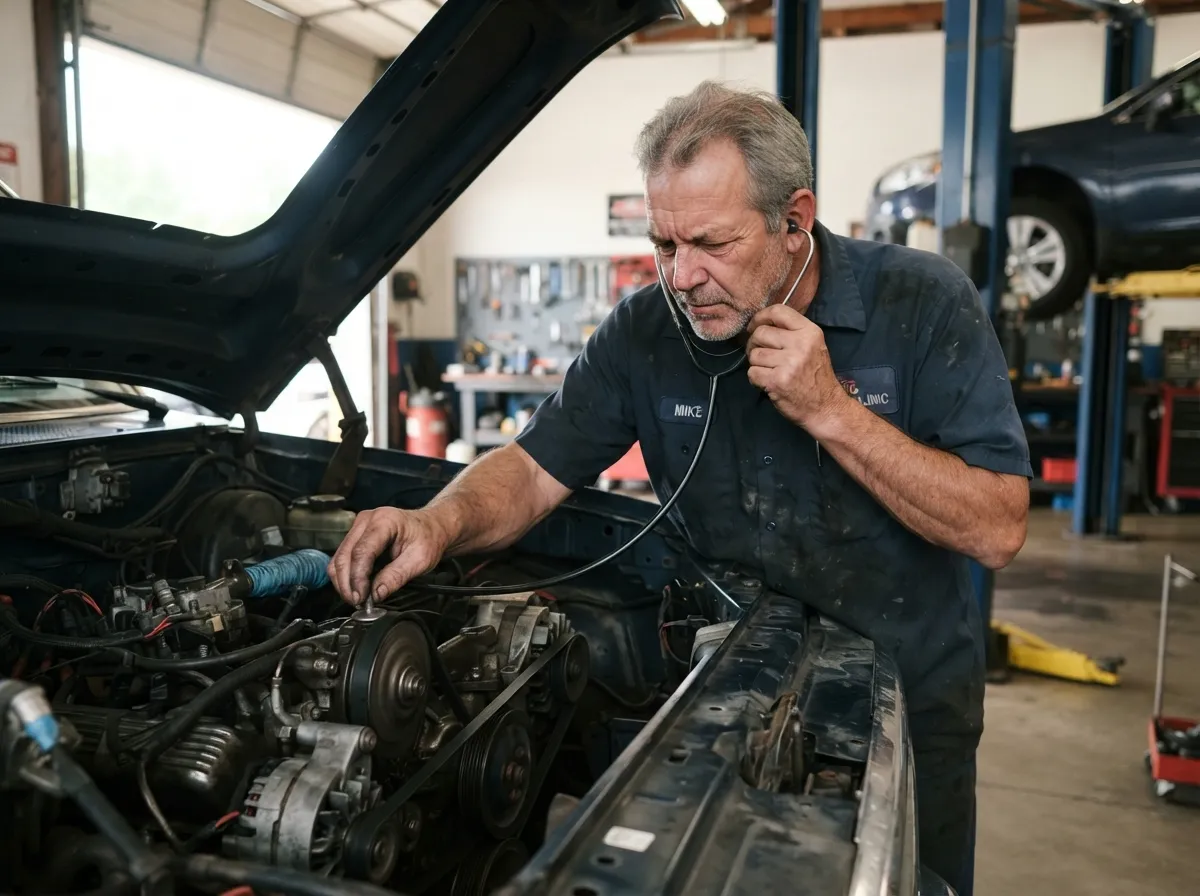
A worn belt or failing tensioner makes rhythmic noises that match engine speed. - Engine won’t start despite cranking.
If the belt slips or breaks, the camshafts stop turning and fuel/ignition timing fails. This is a serious timing belt failure symptom. - Loss of power or poor acceleration.
Engines with timing issues feel weak and unresponsive under load. - Oil leaks near the timing cover.
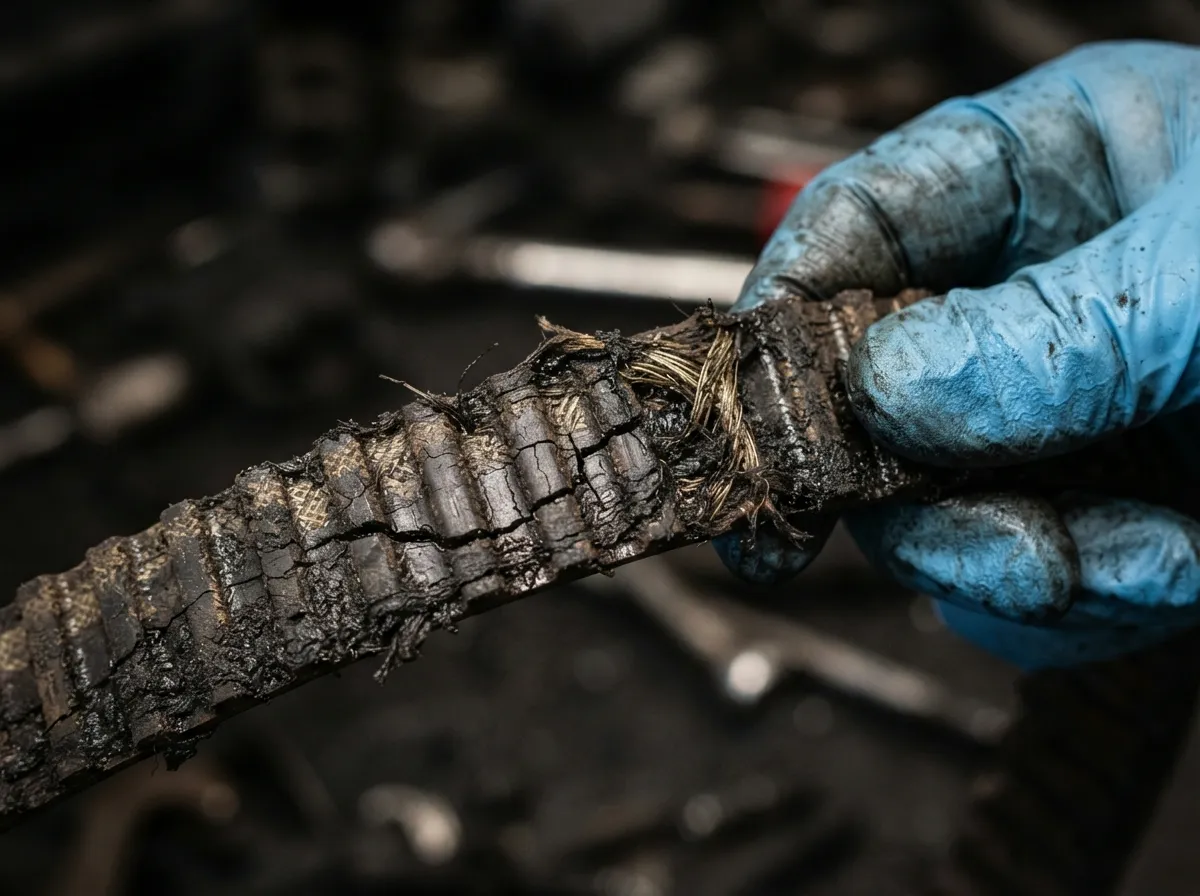
Leaks can contaminate the belt and speed up wear, creating timing belt failure symptoms later. - Visible belt wear, cracks, or glazing.
If you can inspect the belt and see damage, replacement is overdue. - Burning rubber odor.
A slipping belt can heat and smell like burnt rubber—an acute timing belt failure symptom. - Check Engine Light (CEL) or diagnostic codes.
Codes for cam/crank correlation often point to timing issues. They can be an early warning of timing belt failure symptoms. Oil leaks near the timing cover.

People also ask (PAA)
- How long do timing belts usually last?
Most timing belts last 60,000 to 100,000 miles or 5–7 years, but follow your vehicle’s manual. - Can a car run with a snapped timing belt?
No. Many cars will crank but not run, and in interference engines a snapped belt can cause major engine damage. - What does a failing timing belt sound like?
Often a steady ticking, slapping, or a high-pitched squeal from the front of the engine.
Causes behind timing belt failure
Understanding causes helps prevent timing belt failure symptoms. Common root issues include the following.
- Age and normal wear.
Rubber degrades over time. Even without high miles, belts can fail from age. - Oil contamination.
Leaking cam seals or crank seals soften the belt and speed failure. - Bad tensioner or idler pulleys.
A failed tensioner changes tension and causes slippage, leading to timing belt failure symptoms. - Misinstallation or wrong tension.
Incorrect replacement or wrong torque can shorten belt life. - Overheating and extreme conditions.
Excess heat hardens belt material and causes cracks. - Foreign debris or damage.
Road debris or engine work that disturbs the cover can nick the belt.
From personal experience, I once replaced a belt early after spotting oil on the cover. The owner saved the engine. That taught me to inspect seals when replacing a belt.
How to diagnose timing belt problems
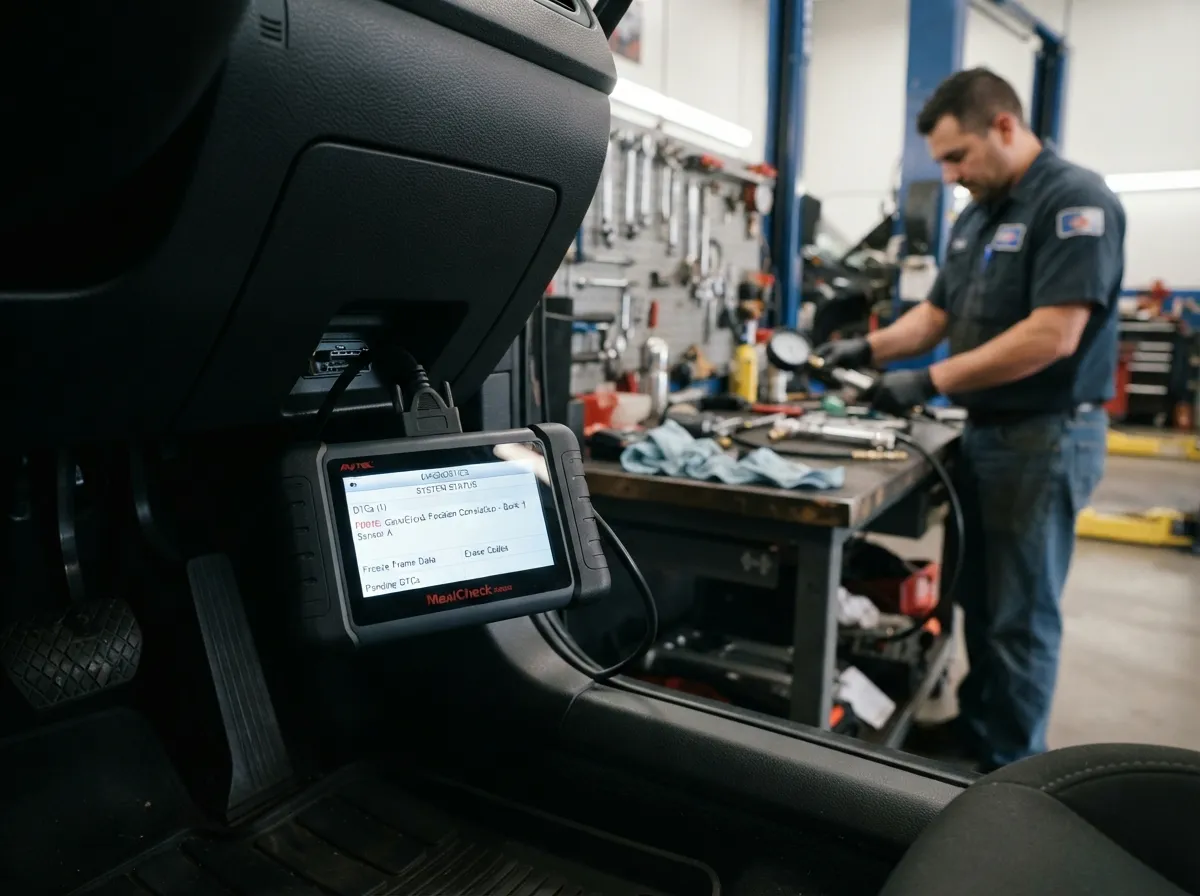
A quick, methodical check can confirm timing belt failure symptoms and decide next steps.
- Listen with the engine running.
Note ticking or slapping from the front. Match sound to RPM changes. - Watch for misfires and CEL codes.
Scan the ECU for cam/crank mismatch or misfire codes. - Inspect visually with the cover off.
Look for cracks, missing teeth, glazing, or oil contamination. - Check tensioner and pulleys.
Spin pulleys by hand to feel roughness or play. Replace noisy parts. - Do a compression test if the belt broke.
Low compression in one or more cylinders suggests valve or piston damage.
If you’re unsure, get a pro to inspect. Misdiagnosis can lead to a broken engine.
Consequences of ignored timing belt failure symptoms
Ignoring timing belt failure symptoms risks big problems.
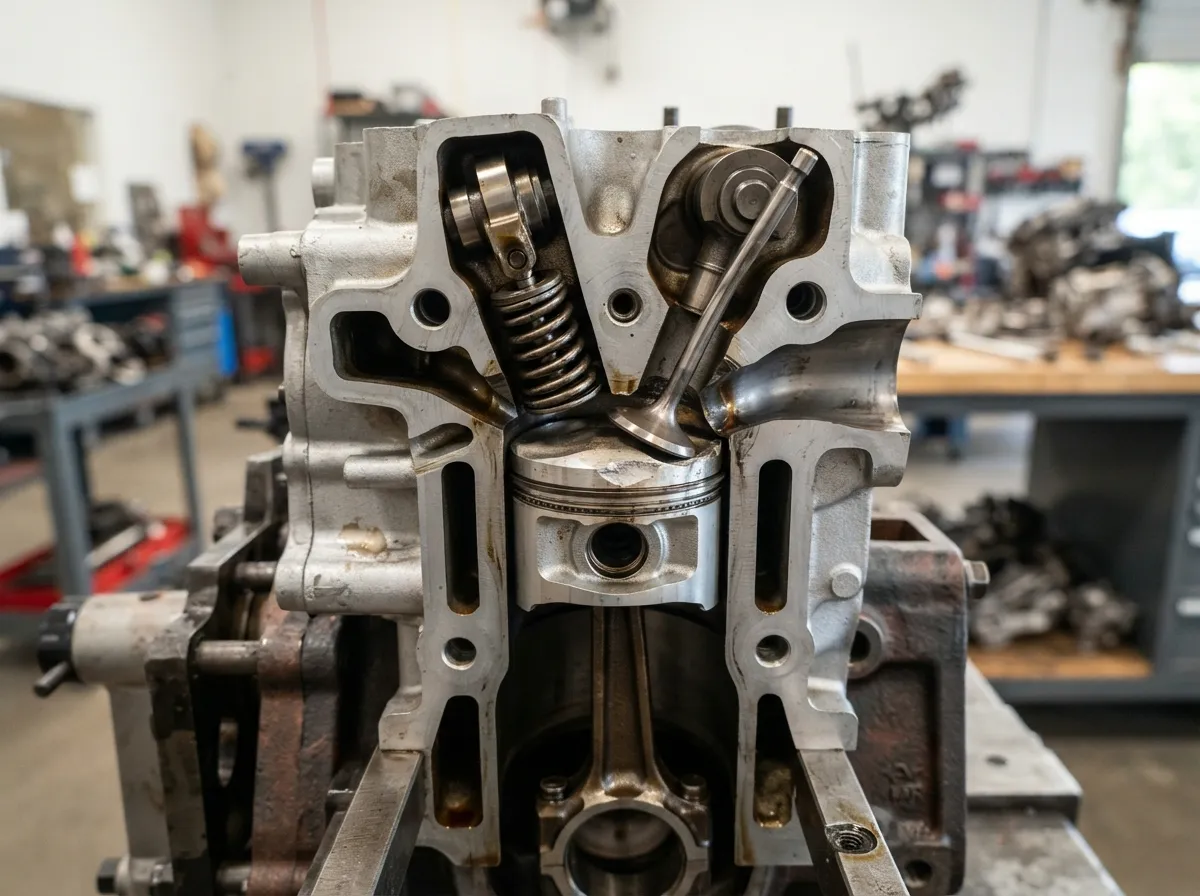
- Severe engine damage in interference engines.
Bent valves, damaged pistons, and ruined cylinder heads can result. - High repair costs.
Replacing a belt is cheap compared to rebuilding an engine. - Stranded vehicle and safety risk.
A belt failure on the road can leave you stuck and put you at risk. - Towed vehicle and time loss.
The inconvenience and tow fees add to the repair bill.
Spotting timing belt failure symptoms early often prevents these outcomes.
Maintenance and prevention tips
Preventing timing belt failure symptoms is easier and cheaper than fixing them. Follow these guidelines.
- Follow the manufacturer’s interval.
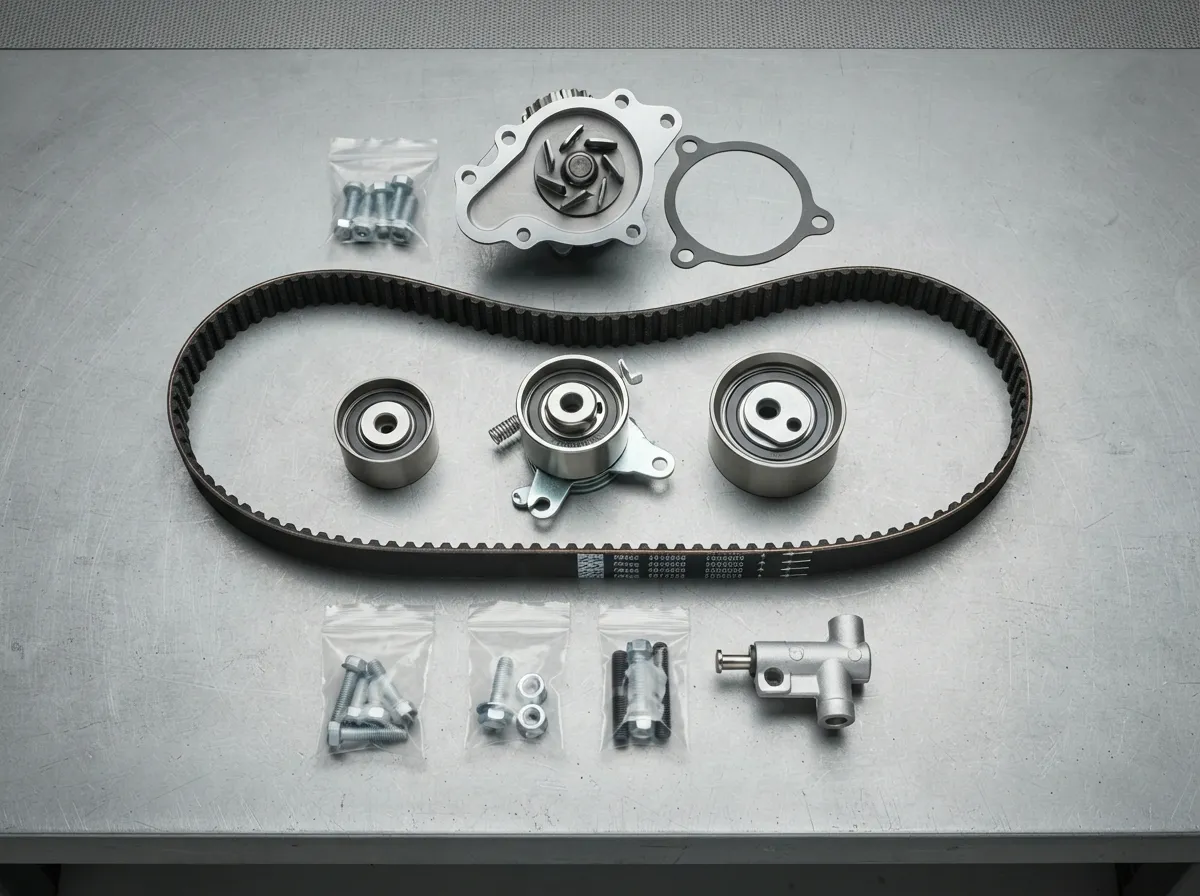
Replace the belt at the recommended mileage or time, whichever comes first. - Replace water pump and tensioners at the same time.
These parts age together and fail together. Doing them at once saves labor costs. - Fix oil leaks promptly.
Seals and gaskets that drip onto the belt cause rapid failure. - Inspect belts during every major service.
Look for cracks, glazing, or misalignment. - Keep records of service.
A clear history avoids uncertain timing belt age. - Use quality parts and torque specs.
Cheap belts or incorrect installation increase risk of timing belt failure symptoms.
From my shop work, replacing pump and tensioner with the belt reduces comebacks by a lot. It’s an easy step that protects the repair.
Frequently Asked Questions of timing belt failure symptoms
What are the first signs of a failing timing belt?
Early signs include ticking noises from the engine front, light misfires, and a rough idle. These are common timing belt failure symptoms to check quickly.
How often should a timing belt be replaced?
Most cars need replacement between 60,000 and 100,000 miles or about every 5–7 years. Always follow the vehicle manufacturer’s schedule for best results.
Can I drive with a worn timing belt?
You should not drive long with a worn belt. Driving risks a sudden break and possible severe engine damage.
Does a broken timing belt always ruin the engine?
Not always. Non-interference engines may avoid valve damage, but many modern engines are interference design and suffer costly damage when the belt breaks.
Will a timing belt show visible damage before failure?
Often yes. Cracks, missing teeth, glazing, or frayed edges commonly appear before failure. Still, some failures happen with little visible warning, so timing is critical.
How much does it cost to replace a timing belt?
Costs vary widely by vehicle and region. Expect a range from a few hundred to over a thousand dollars, especially if water pump and tensioners are also replaced.
Conclusion
Timing belt failure symptoms are usually clear when you know what to listen for and inspect. Watch for ticking noises, misfires, oil near the belt, and any visible wear. Replace the belt on schedule, fix oil leaks, and replace related parts at the same time. Take action early to protect your engine and save money. If you noticed any of these symptoms, schedule an inspection or leave a comment with your car make and symptoms to get tailored advice.