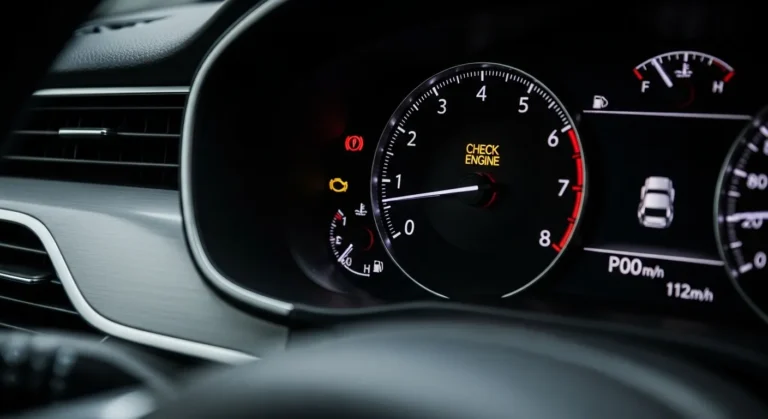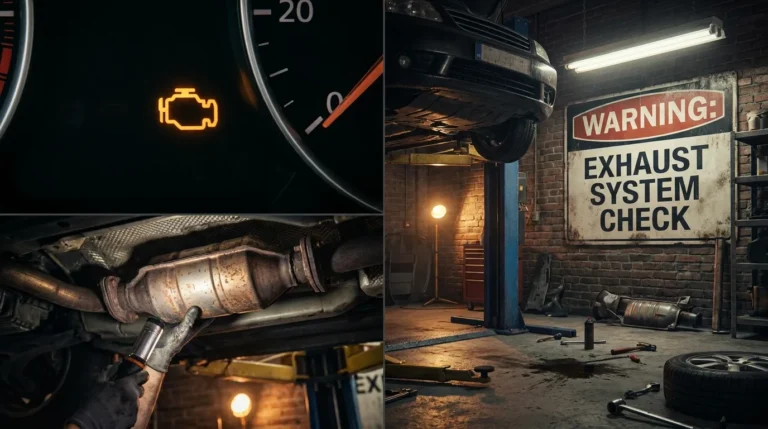


P0420 means “catalyst system efficiency below threshold, bank 1”. The engine computer compares the oxygen sensors before and after the catalytic converter, and decides the converter isn’t cleaning the exhaust well enough. (P0430 is the same code for bank 2.)
Sometimes the converter really is worn out. But the code can also be set by an exhaust leak, a lazy oxygen sensor or an engine problem, which are cheaper to fix. This guide walks through the checks to make before you buy a converter, and is honest about what won’t work.
What you’ll learn
- What P0420 actually measures
- The checks to do before replacing the converter
- Reading oxygen sensor data
- What not to do
Quick answer
Before replacing the converter, fix any misfire or fuel trim codes first, check for exhaust leaks near the oxygen sensors, check the downstream oxygen sensor with live data, and ask a dealer whether a software update or warranty applies. If the downstream sensor’s signal switches almost as fast as the upstream one, the converter is likely worn and needs replacing.
In this article

What P0420 means
The upstream oxygen sensor, before the converter, switches rapidly between rich and lean. A healthy converter stores and releases oxygen, so the downstream sensor, after the converter, gives a fairly steady signal. When the downstream signal starts to copy the upstream one, the computer decides the converter’s efficiency has dropped and sets P0420.
Anything that upsets that comparison can set the code, which is why it’s worth checking more than the converter. For general symptoms, see catalytic converter failure symptoms.
Checks to make before replacing the converter
- Fix other codes first. Misfire codes (P0300 to P0308) and fuel trim codes (P0171, P0172) can overheat or contaminate the converter. Fix them, clear the codes and see whether P0420 returns.
- Check for exhaust leaks. A leak before or near the downstream sensor lets in outside air and skews its reading. Listen for ticking at cold start and check joints and gaskets; see car exhaust leak symptoms.
- Check the oxygen sensors. With a scan tool showing live data at a warm idle and at about 2,500 RPM, the upstream sensor should switch quickly and the downstream sensor should stay fairly steady. A downstream sensor that is stuck or very slow may be the fault; see oxygen sensor failure symptoms.
- Look for oil or coolant use. Burning oil or a leaking head gasket contaminates the converter, and replacing it without fixing the cause wastes money.
- Ask about software and warranty. Some manufacturers have released software updates for P0420 on specific models. In the US, the federal emissions warranty typically covers the catalytic converter for 8 years or 80,000 miles, so check your warranty booklet before paying for one.
Do catalytic converter cleaners work?
Fuel-tank additives sold as catalytic converter cleaners may help in mild cases, where light deposits are the problem, and they are cheap to try. They can’t repair a converter that is physically damaged, melted or poisoned by oil or coolant. If the code returns soon after, the converter likely needs replacing. Our catalytic converter cleaner guide covers the options.
What not to do
- Don’t fit oxygen sensor spacers or “defoulers” to trick the downstream sensor, or remove the converter. For road vehicles in the US this is emissions tampering, which is illegal, and the car may still fail inspection.
- Don’t keep clearing the code before an inspection. Clearing it resets the readiness monitors, and the car may fail until they complete.
- Don’t buy the cheapest universal converter for a code-sensitive car. Use one approved for your vehicle and state, especially in California and other states that require CARB-compliant converters.
Tools that help
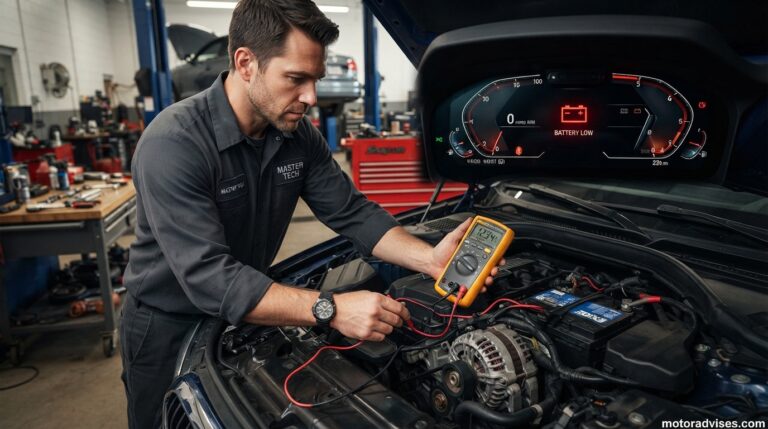
A scan tool with live oxygen sensor data is the most useful tool for P0420. An infrared thermometer gives a rough extra check, and a sensor socket makes changing an oxygen sensor easier.
How we chose: we picked these using the details each maker lists on Amazon (checked in November 2026). We have not tested them ourselves.
1. ANCEL AD410 Enhanced OBD2 Scanner

ANCEL’s AD410 reads and clears engine codes, shows live data including oxygen sensor readings and fuel trim, and has an I/M readiness check for inspections.
Why it’s a good pick
- Shows O2 sensor and fuel trim data
- Readiness check before inspection
- Popular with DIYers
Keep in mind
- Engine codes only
- No graphing on the basic screen
2. Etekcity Lasergrip 1080 Infrared Thermometer
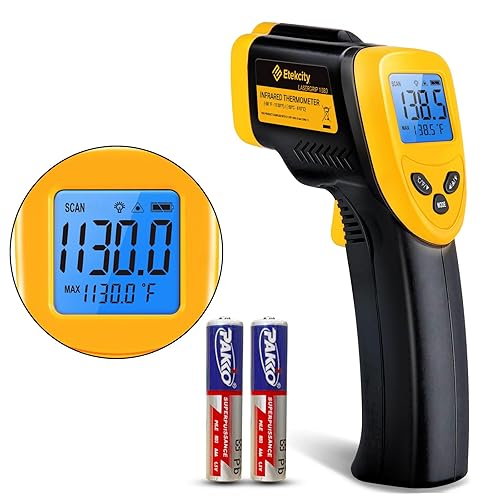
An infrared thermometer measures surface temperature from a distance. On a warm engine, a working converter’s outlet is often hotter than its inlet. It is a rough check only, but useful with sensor data. Etekcity lists a range of −58 to 1130°F and adjustable emissivity.
Why it’s a good pick
- Very popular, low cost
- Useful for many other jobs
- Adjustable emissivity
Keep in mind
- Not a definitive converter test
- Shiny surfaces read low
3. GEARWRENCH 41720 8-Piece Sensor and Sending Socket Set

GEARWRENCH’s set includes slotted 7/8-inch (22 mm) oxygen sensor sockets that clear the wiring, plus sockets for oil pressure and other sending units.
Why it’s a good pick
- Slotted socket clears the sensor wire
- Known tool brand
- Covers other sensors too
Keep in mind
- More pieces than an O2 job needs
- Use penetrating oil on seized sensors