
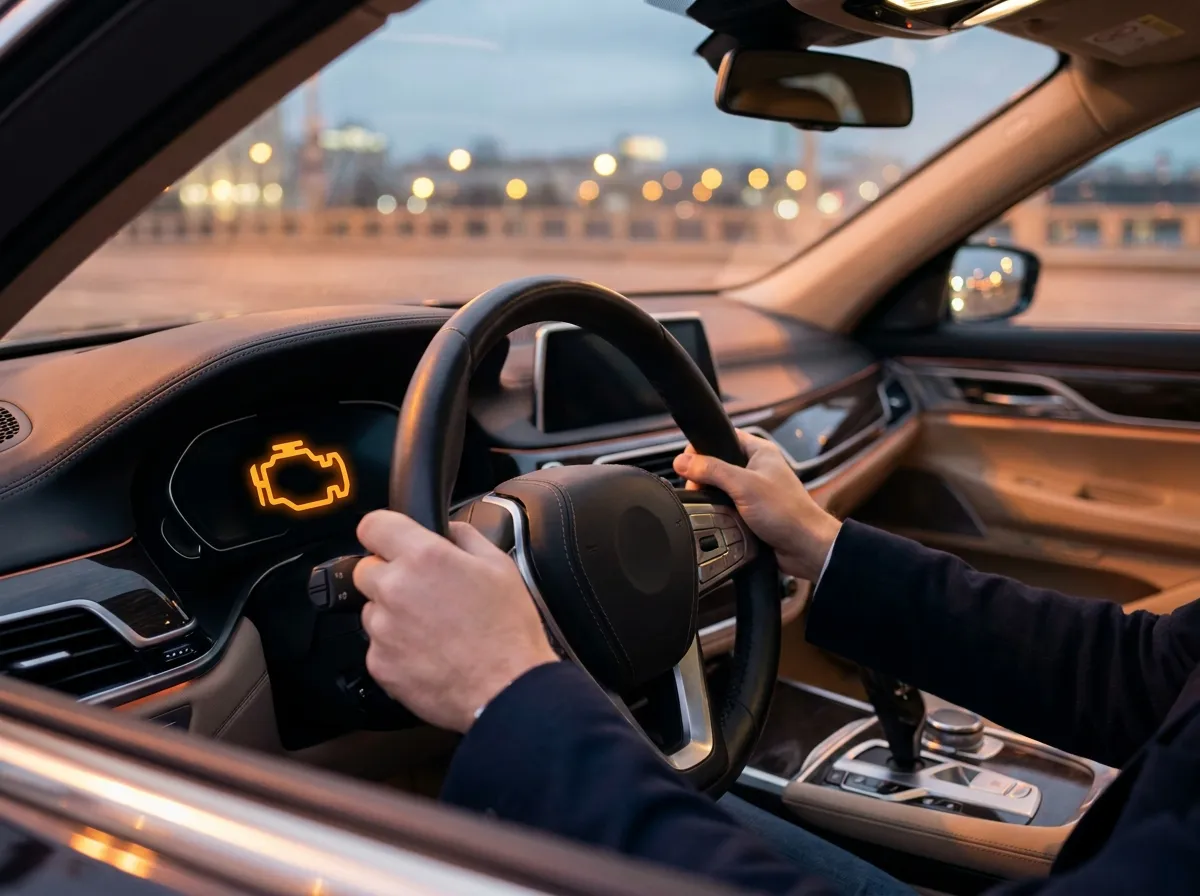
A check engine light means the engine computer has stored a fault code. You can turn the light off without a scan tool, but clearing it is only half the job: if the fault is still there, the light will come back, and clearing it the wrong way can cause problems at your next emissions inspection.
This guide explains the ways to reset the light without a scanner, the trade-offs of each, and the cheap ways to find out why it came on in the first place.
What you’ll learn
- Why the light comes on
- Letting it reset by itself
- The battery disconnect method and its downsides
- Why you should read the code first
Quick answer
The best way to reset a check engine light is to fix the cause and let it go off by itself after a few drive cycles. A loose gas cap is a common culprit: tighten it until it clicks. You can also clear the light by disconnecting the negative battery cable for 15 to 30 minutes, but that also resets readiness monitors and may cause you to fail an emissions test until you’ve driven enough to complete them.
If the light is flashing, stop
A flashing check engine light usually means a severe misfire that can quickly damage the catalytic converter. Reduce speed, avoid heavy acceleration and have it checked as soon as possible rather than resetting it.
In this article
First, why is the light on?
The light comes on when the engine computer sees a fault that affects emissions, from a loose gas cap or a failing oxygen sensor to a misfire. Resetting the light doesn’t fix any of these. For common causes, see why is my check engine light on, and for whether it’s safe to keep driving, see can I drive with the check engine light on.
In the US, many auto parts stores will read the code for free, and a basic code reader costs about the same as a tank of gas. Knowing the code first saves you from guessing.
Method 1: tighten or replace the gas cap
A loose, cracked or missing gas cap lets fuel vapor escape, which the evaporative emissions system detects. Remove the cap, check the seal for cracks, and refit it until it clicks. If the seal is damaged, replace the cap.
The light won’t go off immediately. If the cap was the cause, it usually goes off after several days of normal driving.
Method 2: fix the cause and let it reset itself
For most faults, once the problem is repaired and the computer’s self-tests pass on several consecutive drives, the light turns off on its own. The stored code stays in memory for a while as a history code, which is normal. This is the best method, because the readiness monitors stay complete.
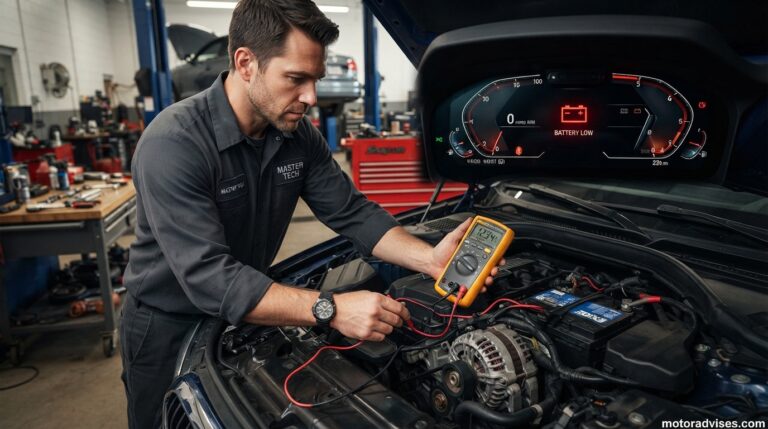
Method 3: disconnect the battery
- Turn the engine off and remove the key.
- Loosen the nut on the negative (−) battery terminal and lift the cable off. Keep it away from the post.
- Wait 15 to 30 minutes so the computer’s memory clears.
- Reconnect the negative cable and tighten it.
- Start the engine and let it idle for a few minutes so it can relearn.
The downsides: disconnecting the battery also erases radio presets and the clock, may require window or anti-theft relearn procedures on some cars, and resets the engine’s learned settings, so it may idle unevenly for a short time. Most importantly, it resets the readiness monitors, so the car can fail an emissions inspection until you have driven enough for them to complete, often a few days of mixed driving. Some newer vehicles keep their codes even after the battery is disconnected.
What doesn’t reliably work
You may see advice to turn the key on and off several times, or to press the pedals in a pattern. A few specific older models had manual procedures like this, but on most cars it does nothing. If you want to clear a code quickly and properly, a basic OBD2 code reader is the reliable way; see how to use an OBD2 scanner.
A cheap code reader is worth having
Even if you don’t plan to use a scanner to clear the light, reading the code tells you what’s wrong. These basic readers plug into the OBD2 port under the dash and need no batteries.
How we chose: we picked these using the details each maker lists on Amazon (checked in November 2026). We have not tested them ourselves.
1. FOXWELL NT201 OBD2 Code Reader

FOXWELL’s NT201 reads and clears engine codes, shows live data, and has a one-key emissions readiness check, so you can see whether the monitors are complete before an inspection.
Why it’s a good pick
- Readiness check before smog tests
- Live data
- Simple to use
Keep in mind
- Engine codes only, not ABS or airbag
- Wired, so it stays plugged in while you use it
2. AUTOPHIX OM126P OBD2 Code Reader

AUTOPHIX’s OM126P is a plug-and-play reader that reads and clears codes, runs an I/M readiness test and shows live data such as RPM, coolant temperature and airflow.
Why it’s a good pick
- No setup or batteries
- Readiness test
- Wide vehicle coverage listed
Keep in mind
- Engine codes only
- Small screen
3. ANCEL AD410 Enhanced OBD2 Scanner

ANCEL’s AD410 reads and clears engine codes and shows live data including fuel trim and oxygen sensor readings, plus an I/M readiness check.
Why it’s a good pick
- Fuel trim and O2 data
- Readiness check
- Well known among DIYers
Keep in mind
- Engine codes only
- Larger than pocket readers
Related guides: P0420 code fix without replacing catalytic converter.