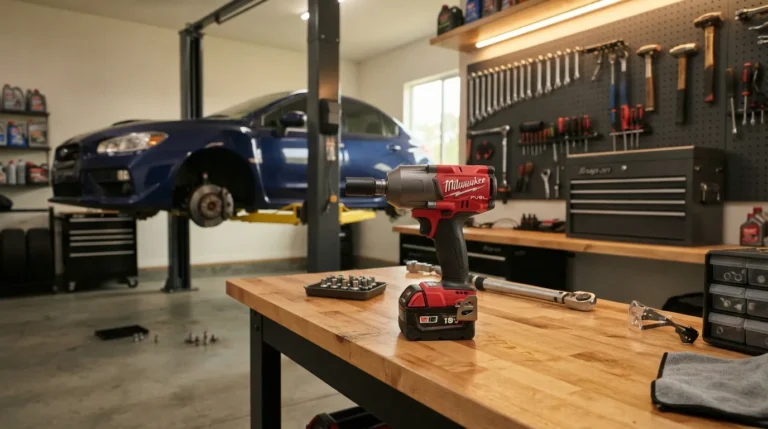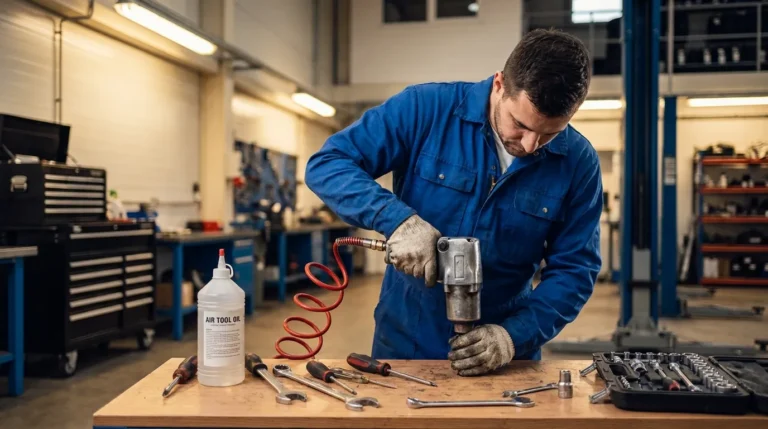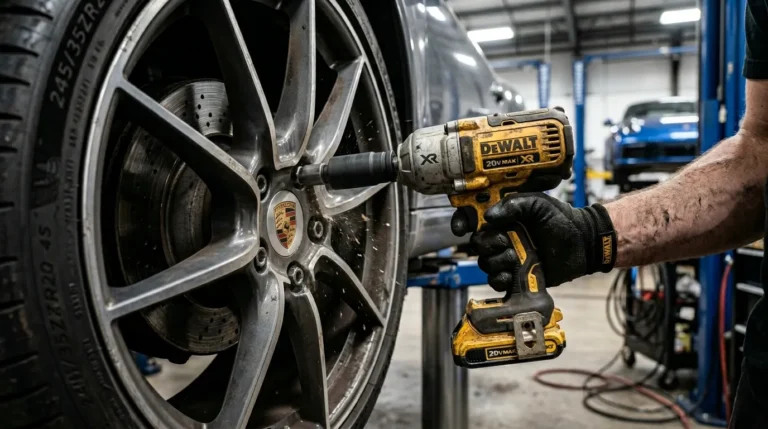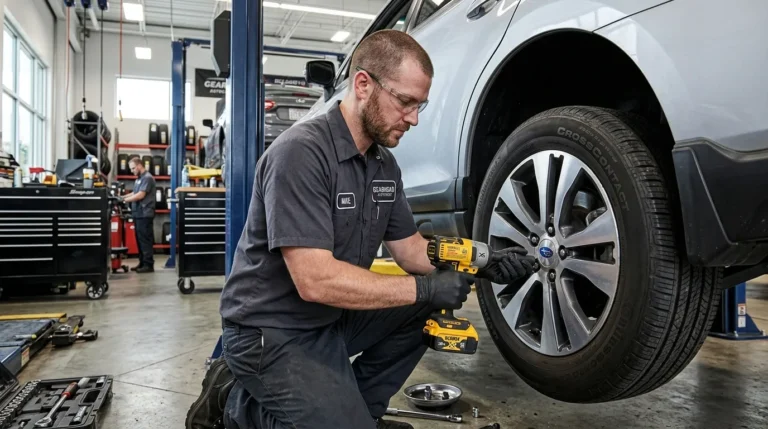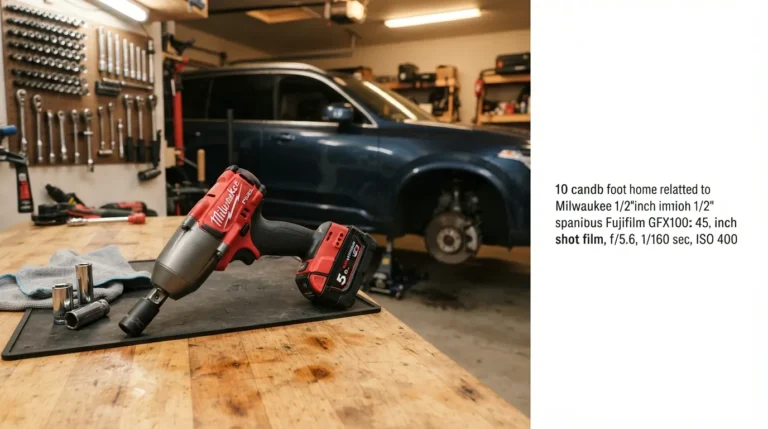
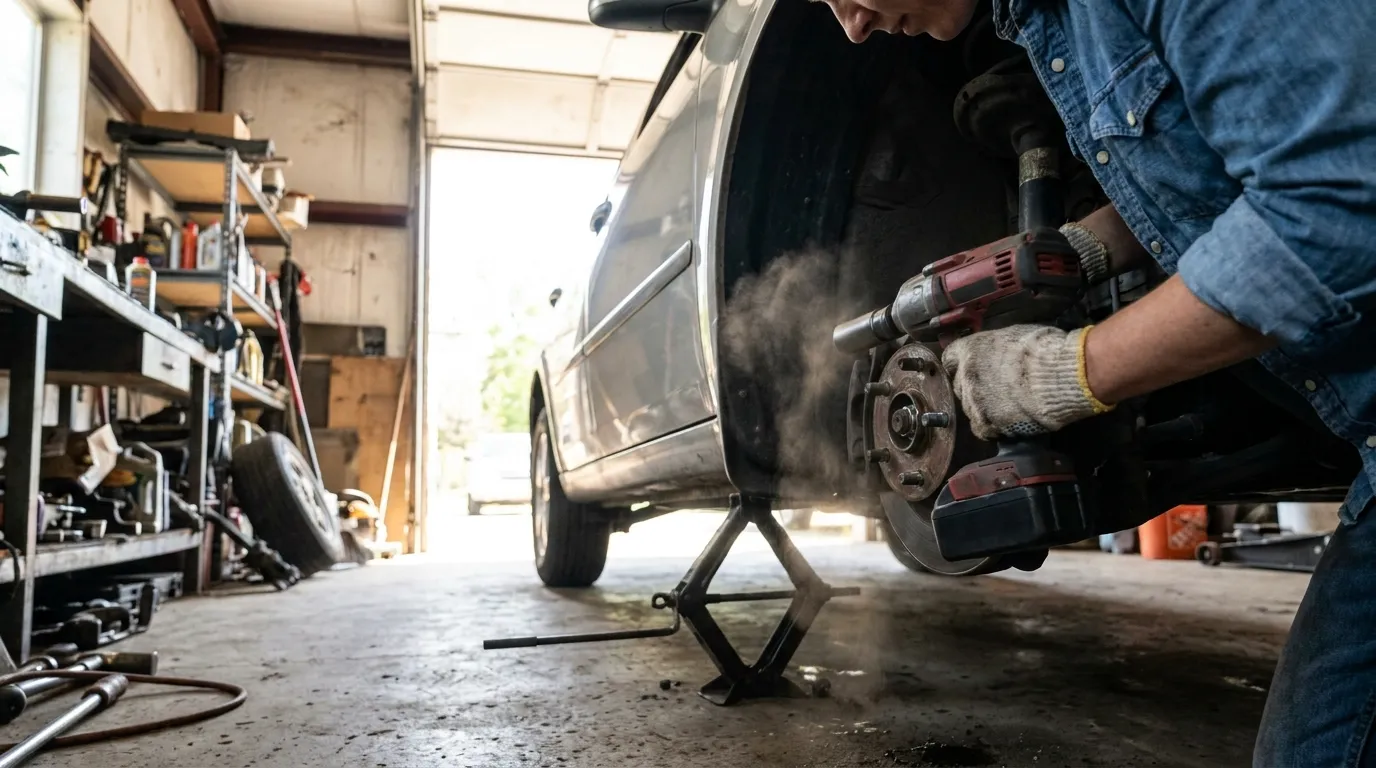
Use the impact wrench by setting torque, fitting the correct socket, and pulsing short bursts.
I’ve used impact wrenches for years in shops and at home, so I’ll walk you through how to use impact wrench safely and effectively. This guide covers the tools, step-by-step use, safety, common problems, and maintenance. Read on to learn clear, tested methods so your next job goes faster and without trouble.
Why use an impact wrench
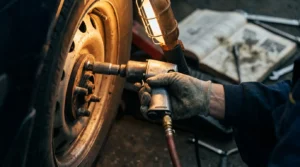
An impact wrench saves time and reduces effort when tightening or loosening fasteners. It delivers rapid rotational force in short, strong bursts. That makes it ideal for lug nuts, bolts, and heavy fasteners that a hand wrench struggles with.
Using an impact wrench also cuts wrist strain and speeds up work. When you learn how to use impact wrench properly, you get more consistent torque and fewer rounded nuts. I often swap a ratchet for an impact when I need speed and power on cars, frames, and machinery.
Types of impact wrenches and when to choose them
There are a few common types. Pick the one that fits your work.
- Electric corded impact wrenches
- Good for steady shop power. They are lighter than air tools and have strong torque.
- Cordless battery impact wrenches
- Portable and great for quick jobs. Battery life limits long, heavy use.
- Air (pneumatic) impact wrenches
- Best for heavy-duty shop work. They need an air compressor but give the highest power.
- Hydraulic impact wrenches
- Used in industrial or very heavy tasks. Not common for home use.
Choosing right depends on torque needs and where you work. For general car work, a 1/2-inch cordless or pneumatic model is common. For heavy trucks, choose 3/4-inch or larger.
Essential safety gear and prep
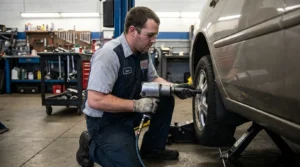
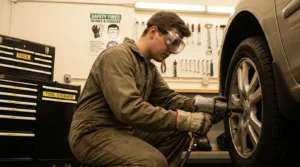
Safety is simple but vital. Always protect your eyes, ears, and hands.
- Wear safety glasses
- Impact tools can fling debris or fragments from sockets.
- Use hearing protection
- Impacts are loud and can damage hearing over time.
- Wear gloves that allow grip
- Gloves cut vibration but still let you feel the tool.
- Inspect the tool and socket
- Check for cracks, wear, or loose parts before use.
- Secure the workpiece
- Make sure the part you’re working on won’t move under force.
Before starting, set the tool to a low speed or torque. Test on a scrap or spare bolt. These steps help prevent injury and damage.
Source: thedrive.com
Step-by-step: How to use impact wrench
Follow these steps for safe, reliable results when learning how to use impact wrench.
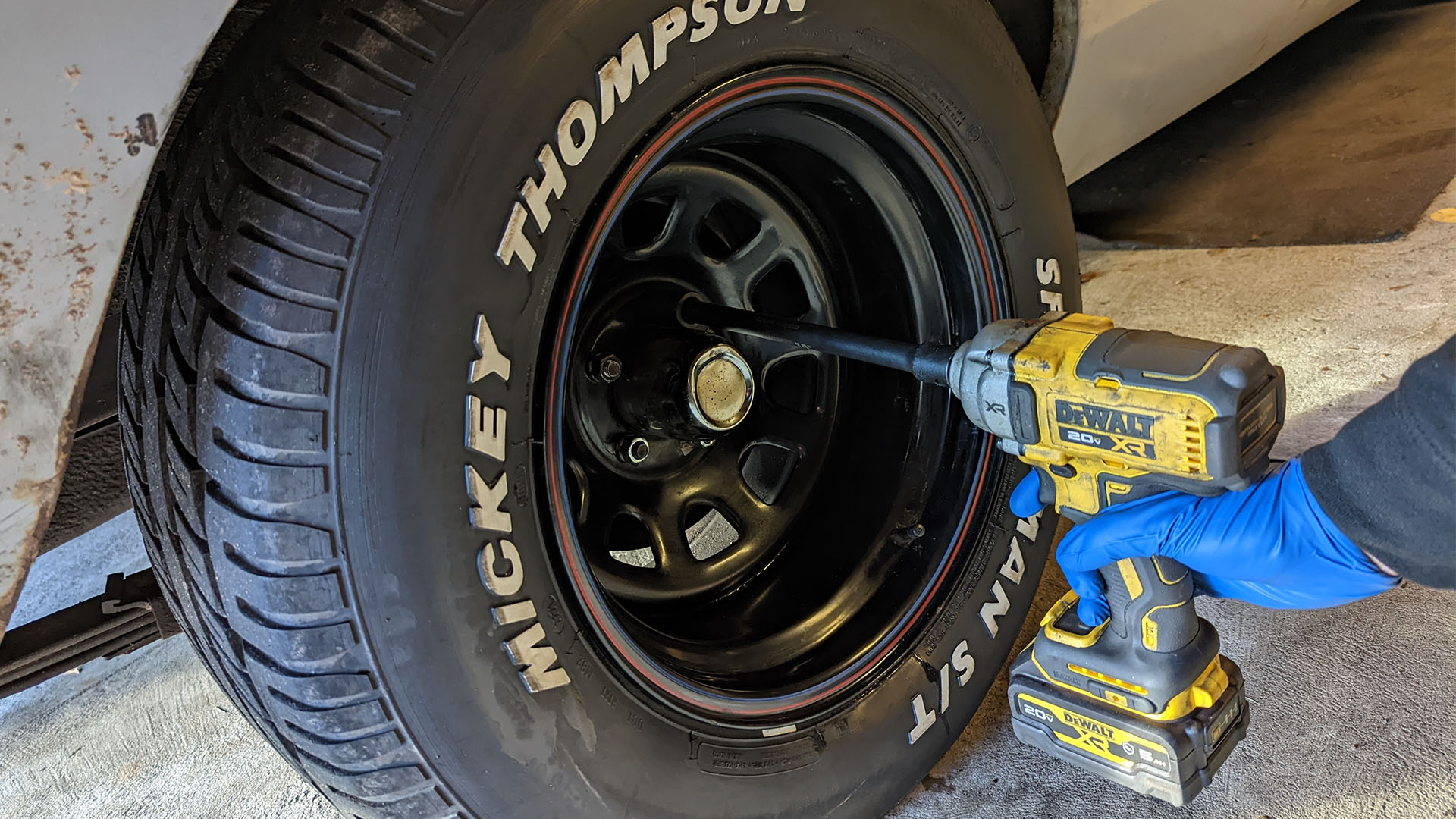
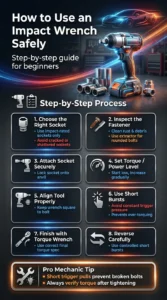
- Choose the right socket
- Use impact-rated sockets only. Regular sockets may shatter.
- Inspect the fastener
- Remove rust or debris. If rounded, use a bolt extractor first.
- Attach the socket securely
- Push the socket onto the anvil until it locks.
- Set torque or power level
- If your tool has settings, start low. You can increase as needed.
- Position the tool square to the bolt
- Keep the wrench aligned to avoid slipping.
- Use short bursts
- Pulse the trigger in short bursts rather than full continuous pressure. This prevents over-torquing.
- Finish by hand for accuracy
- For critical torque, finish with a torque wrench to the spec.
- Reverse carefully
- When loosening, apply the same short bursts. Let the tool do the work.
I often set the tool on low and give two or three short pulls. This habit kept me from snapping bolts on older cars. Remember: checking torque after finishing prevents stripped threads and loose parts.
Tips, mistakes to avoid, and personal tricks
Practical tips come from working on real projects. Here are what I learned.
- Use impact-rated accessories only
- Avoid damage and accidents by using the right gear.
- Don’t over-torque shallow threads
- Too much force strips threads quickly.
- Keep batteries warm and charged
- Cold drains batteries faster and reduces power.
- Clean sockets and bolts
- Dirt increases slip and wear.
- Avoid using an impact wrench on delicate parts
- Use a torque wrench or hand tool for soft metal or fine threads.
A common mistake I made early on was trusting the impact to set final torque. Always verify with a torque wrench on critical fasteners. Another lesson: using the wrong size socket is a quick path to rounded corners.
Maintenance, care, and storage
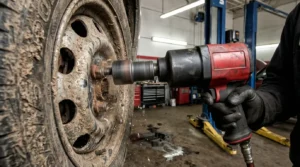
A well-kept impact wrench lasts longer and works better.
- Regular inspection
- Look for cracks, wear, and oil leaks.
- Keep air tools oiled
- Add a few drops of tool oil to the air inlet daily for pneumatic models.
- Charge batteries properly
- Follow manufacturer guidance for battery life and storage.
- Clean and store dry
- Wipe tools after use and store in a dry case or toolbox.
- Replace worn parts promptly
- A worn anvil or pawl reduces power and can fail.
I keep a small maintenance log for my tools. It helps me remember oiling, filter changes, and battery cycles. That small habit doubled the life of one cordless set I used daily.
Common problems and troubleshooting
Quick fixes help you get back to work fast.
- Impact wrench won’t start
- Check power source, battery charge, or air supply. Inspect switch and motor.
- Low power or slow impacts
- For cordless, check battery. For pneumatic, check air pressure and hose leaks.
- Socket keeps popping off
- Use a retaining pin or ring or replace a worn anvil.
- Fastener slips or rounds
- Use correct socket, apply penetrating oil, or use an extractor for damaged bolts.
- Tool overheats
- Let it cool, check ventilation, and reduce continuous duty.
If a tool shows strange noises or smoke, stop and have it serviced. Safety first.
Frequently Asked Questions of how to use impact wrench
What socket should I use with an impact wrench?
Use sockets marked for impact use. They are thicker and designed to absorb shock. Regular chrome sockets can shatter.
Can I use an impact wrench to torque lug nuts?
Yes, but finish lug nuts with a torque wrench to the vehicle’s spec. Impacts are for speed, not final accuracy.
How do I loosen a rusted bolt with an impact wrench?
Apply penetrating oil and let it sit. Use short bursts and steady force, then increase if needed. Heat can help but use caution.
Is an impact wrench safe for beginners?
Yes, with basic safety gear and careful steps. Start on low power, practice on scrap, and follow the step-by-step guide.
How often should I maintain my impact wrench?
Inspect before each use, oil pneumatic tools daily, and service annually or per manufacturer guidance. Regular care prevents failures.
Conclusion
Learning how to use impact wrench well saves time and protects parts and hands. Choose the right type, use impact-rated sockets, pulse in short bursts, and always verify final torque when needed. Start slow, practice on spare bolts, and keep your tool in good shape.
Try these steps on a simple job this week. Share your results or questions below, or subscribe for more hands-on tool guides.