Keep oil fresh, inspect seals, maintain cooling, and address wear before it worsens.
I write about cars for a living and I have spent years fixing and caring for vehicles with 100,000+ miles. This guide on high mileage car maintenance tips pulls from hands-on experience, shop-tested routines, and practical checks you can do at home. Read on for clear steps, real examples, and a checklist you can follow to keep a high-mileage car reliable, safe, and cost-effective.
Why high mileage car maintenance matters
High mileage cars face more wear. Parts age, seals dry, and tolerances widen. A focused maintenance plan slows this decline. Following high mileage car maintenance tips helps avoid breakdowns. It keeps fuel use lower and resale value higher. You save money by preventing big repairs.
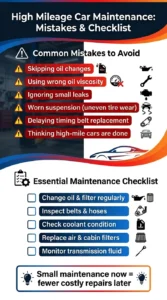
Essential checklist for every high-mileage owner
Start with a checklist. Do these tasks regularly to extend life.
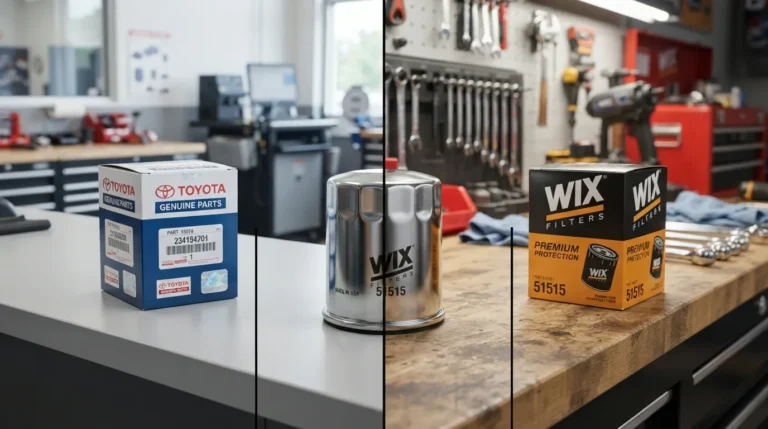
- Change oil and filter on a steady schedule and use the right grade of oil.
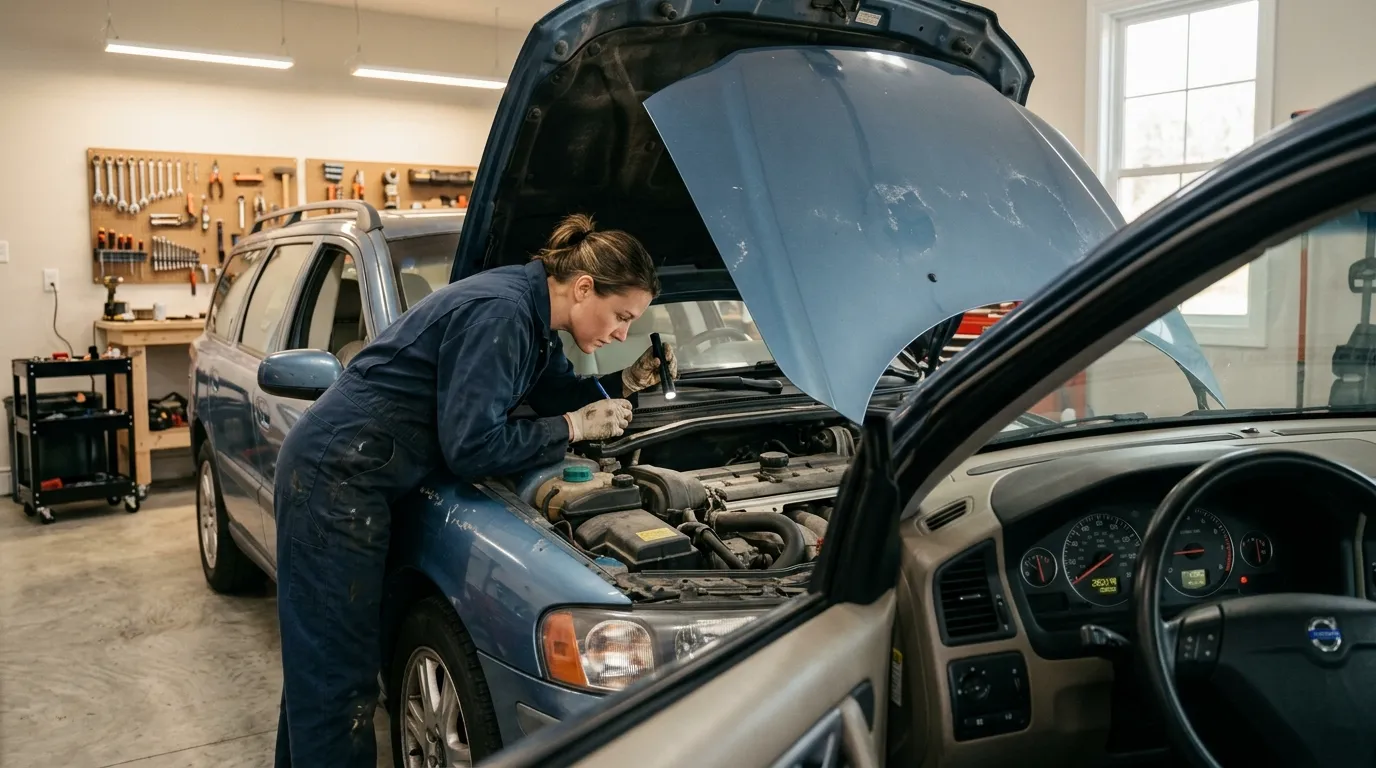
- Inspect belts and hoses for cracks, fraying, or soft spots.
- Check coolant level and condition to prevent overheating.
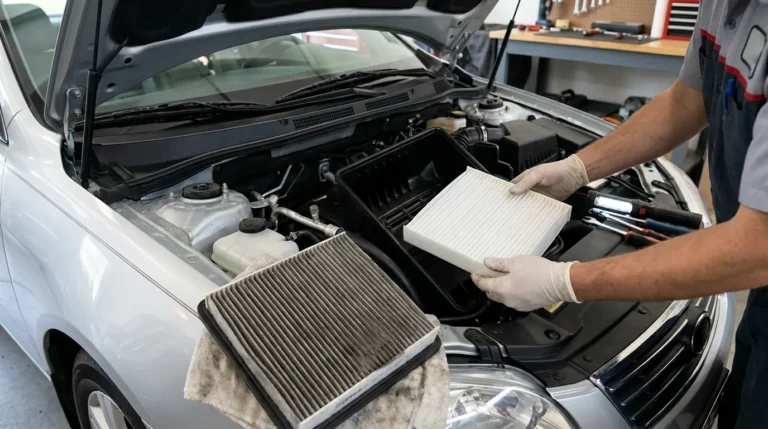
- Replace air and cabin filters to protect the engine and HVAC.
- Monitor transmission fluid and service per the manual or sooner if you tow.
These high mileage car maintenance tips form the backbone of reliable ownership. Small steps now prevent big bills later.
Fluids and oil: the lifeblood of old engines
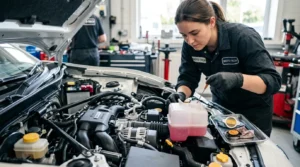
Fluids wear out and lose protection as miles add up. Pay extra attention to these fluids.
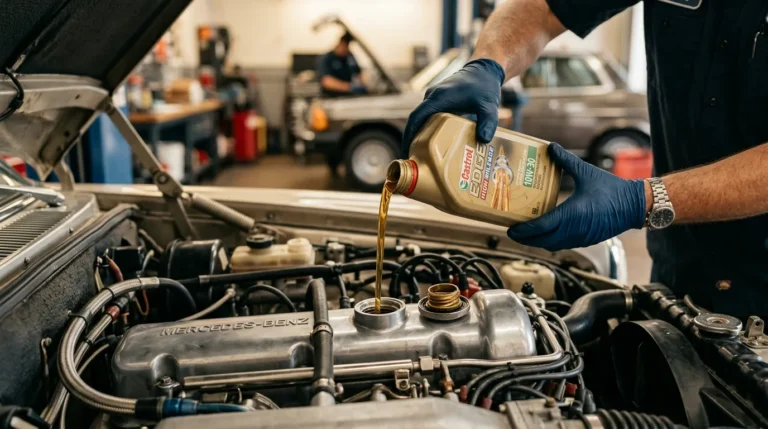
- Engine oil: Use high-mileage or manufacturer-recommended oil. Change more often if you drive short trips.
- Transmission fluid: Check color and smell. If dark or burnt, service it. Many cars benefit from a transmission service around 100k miles.
- Coolant: Flush on schedule. Old coolant causes corrosion and head gasket risk.
- Brake fluid: Absorbs water. Replace every 2 years if you want consistent braking force.
- Power steering fluid and differential oil: Inspect and replace as required.
Keeping fluids fresh is one of the top high mileage car maintenance tips. It protects metal surfaces and seals. It also reduces the chance of expensive failures.
Engine and transmission care
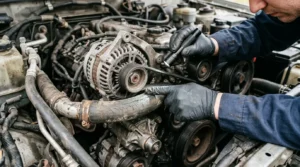
Engines and transmissions cost the most to repair. Preventive steps pay off.
- Tune-ups: Replace spark plugs, inspect ignition coils, and check timing systems.
- Valve adjustments: If your engine needs them, do them on schedule.
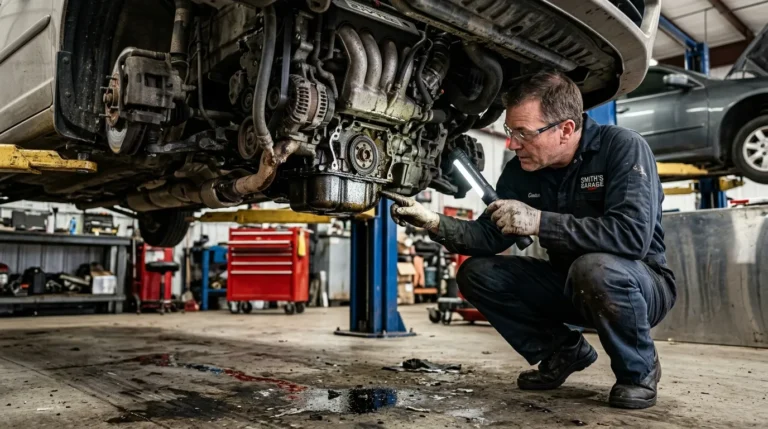
- Leak control: Fix oil or coolant leaks early to avoid damage to belts and hoses.
- Transmission service: Follow the manual. For older cars, consider filter and fluid change before 100k miles if not done.
- PCV and intake cleaning: Clean carbon buildup when applicable to restore idle and fuel economy.
These high mileage car maintenance tips target core systems. They help keep drivability and prevent sudden failures.

Source: millenniumtoyota.com
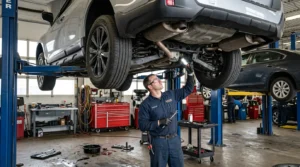
Suspension, steering, brakes, and tires
A worn chassis affects safety and comfort. Inspect these parts often.
- Tires: Rotate and balance every 5,000–7,500 miles. Replace tires with uneven wear.
- Brakes: Check pads, rotors, and lines. Replace pads before the rotors get scored.
- Shocks and struts: Replace when ride gets bouncy or nose dives under braking.
- Wheel alignment: Do it after suspension work or when tires wear oddly.
- Steering components: Check tie rods, rack boots, and ball joints for play and leaks.
Following these high mileage car maintenance tips keeps you safe and reduces uneven wear.
Electrical system and battery maintenance
Older cars can show electrical gremlins. Keep power steady.
- Battery: Test twice a year. Clean terminals and hold the battery securely.
- Alternator and starter: Watch for slow cranking or dim lights. Test output at the first sign of trouble.
- Grounds and connectors: Corrosion here causes odd faults. Clean connections and use dielectric grease.
- Sensors and wiring: Repair damaged wiring before sensors fail or misread.
These high mileage car maintenance tips help avoid stranded moments and erratic engine behavior.

Rust, body, and undercarriage care
Rust accelerates with age and dirt. Protect the shell of your car.
- Inspect body seams, rocker panels, and wheel wells yearly.
- Wash the undercarriage after winter and salt exposure.
- Touch-up paint chips quickly to stop rust from spreading.
- Seal drains and inspect door sills for blockage.
Small anti-rust steps are among the best high mileage car maintenance tips. They preserve structure and value.
Cost-saving strategies and preventive maintenance
Work smarter to save money over time.
- Follow a maintenance schedule rather than reactive fixes.
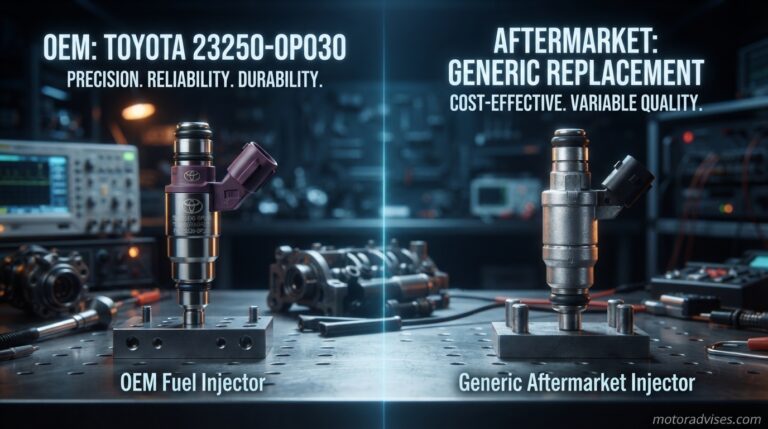
- Use OEM parts for safety systems and critical components; use quality aftermarket parts where cost-effective.
- Keep records. A full log raises resale value and helps diagnose patterns.
- Shop around for labor rates. Independent shops often match dealer quality at lower cost.
- Learn basic tasks: oil, filters, lights, wiper blades, and tire changes.
These high mileage car maintenance tips reduce total ownership cost and give you leverage with mechanics.
Common mistakes to avoid
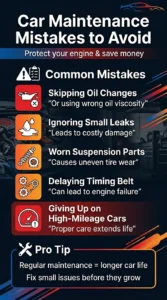
Avoid these frequent errors that shorten a car’s life.
- Skipping oil changes or using the wrong oil viscosity.
- Ignoring small leaks until they cause bigger failures.
- Overlooking suspension wear that leads to uneven tire wear.
- Delaying timing belt replacement when the engine requires it.
- Assuming a high mile car is hopeless; many can run longer with care.
These reminders underline which high mileage car maintenance tips deliver the most value.
When to consider retirement or sale
Sometimes maintenance outpaces value. Consider these signs.
- Repair cost approaches the car’s market value.
- Multiple major systems need overhaul at once.
- Safety risks from frame rust or axle problems appear.
- Your needs change and the car no longer fits your life.
Deciding to sell or retire a car is part of smart ownership. It’s also a practical high mileage car maintenance tip: know when to walk away.
Personal experience and lessons learned
I once drove a 2002 sedan past 270,000 miles by staying strict with maintenance. The key moves were frequent oil changes, early timing belt replacement, and swapping worn suspension parts promptly. A single ignored coolant leak cost me a head gasket repair once. I learned to fix leaks fast and to keep clear records. Those habits saved me thousands and taught me to treat old cars with respect.
Frequently Asked Questions about high mileage car maintenance tips
How often should I change the oil on a high-mileage car?
Change oil every 3,000–5,000 miles if you use conventional oil. If you use full synthetic, 5,000–7,500 miles is common, but check the manual and driving conditions.
What oil type is best for cars with over 100,000 miles?
High-mileage oils are formulated with seal conditioners and additives that help older engines. Use the viscosity recommended by your manufacturer unless you have an oil-eating engine that needs a thicker grade.
Are timing belt replacements more urgent on high-mileage cars?
Yes. Timing belts are a wear item and can fail without warning. Replace them on schedule to avoid catastrophic engine damage.
Can I mix OEM and aftermarket parts during repairs?
Yes. Use OEM parts for safety- or performance-critical systems. Quality aftermarket parts are fine for many other items and can save money.
How do I spot a fluid leak under the car?
Look for puddles or stains after parking. Check color: oil is brown/black, coolant is green/orange/pink, and transmission fluid is red or brown. Trace the spot to the source for repair.
Conclusion
Consistent care keeps high-mileage cars useful and safe. Follow core high mileage car maintenance tips like regular oil changes, fluid checks, timely belt and suspension work, and rust prevention. Keep records, act early on leaks, and learn simple repairs to cut costs. Start with one checklist item today and build a habit. If this guide helped, subscribe, share your story, or leave a question below — I read every comment.