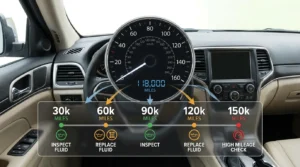
Most vehicles need a transmission fluid change interval between 30,000 and 60,000 miles.
I’ve worked on dozens of cars and studied manufacturer service guides and industry tests, so I know how crucial a proper transmission fluid change interval is. This article explains what that interval means, why it varies, how to choose the right schedule for your vehicle, and practical steps you can take to protect your transmission and avoid costly repairs.
What transmission fluid is and why the transmission fluid change interval matters
Transmission fluid lubricates gears, cools components, and transmits hydraulic pressure. Over time the fluid breaks down, gets contaminated, and loses additives. The transmission fluid change interval tells you when to refresh this fluid to keep shifting smooth and prevent wear.
A correct transmission fluid change interval preserves performance and reduces repair costs. Ignoring the interval can lead to slipping gears, overheating, and early failure. I’ll explain typical schedules and how to tailor them to your driving and vehicle needs.
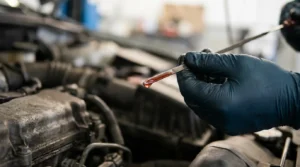
Recommended transmission fluid change interval: manufacturer vs common practice
Manufacturers publish a recommended transmission fluid change interval in the owner’s manual. That interval may vary by make, model, and transmission type.
Common guidelines
- Newer automatic transmissions: many manufacturers recommend 60,000 to 100,000 miles for “lifetime” fluid, though many techs prefer earlier service.
- Older automatics and high-mileage vehicles: 30,000 to 60,000 miles is typical.
- Manual transmissions: often 30,000 to 60,000 miles, depending on fluid type.
- CVTs and dual-clutch: require specific fluids and often shorter intervals, like 30,000 to 50,000 miles.
Practical tip: follow the owner’s manual for warranty compliance, but consider a conservative transmission fluid change interval if you tow, drive in traffic, or use the vehicle for heavy loads. In my shop, we often recommend service earlier than the longest manufacturer suggestion when cars see hard use.
Factors that affect your ideal transmission fluid change interval
Driving habits, climate, and vehicle load change the right transmission fluid change interval. Think of the interval like an expiration date that shortens with hard use.
Key factors
- Towing and hauling increase heat and wear and shorten the interval.
- Stop-and-go city driving produces more transmission stress than steady highway miles.
- High-mileage or older transmissions often benefit from more frequent fluid changes.
- Severe climates—hot summers or very cold winters—can degrade fluid faster.
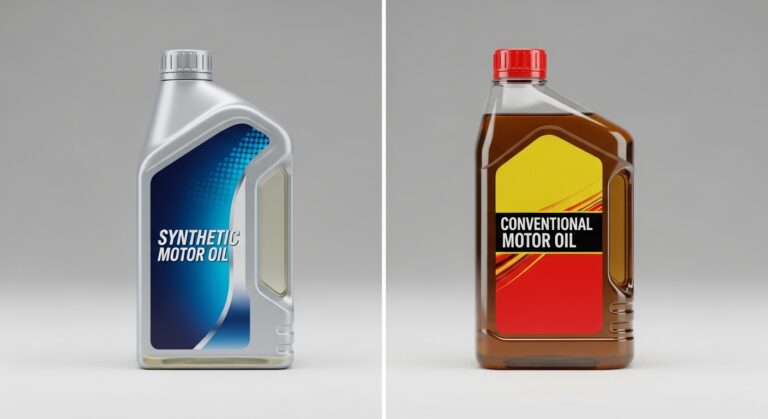
- Fluid type and quality: synthetic fluids often last longer than conventional fluids.
Personal note: I once saw a pickup that towed weekly and had a ruined transmission at 120,000 miles. The owner followed a long “lifetime” interval and never checked the fluid condition. After switching to a 30,000-mile transmission fluid change interval for towing use, problems stopped.

How to check transmission fluid condition and when to change it
A simple inspection can reveal whether you need a transmission fluid change interval sooner.
Quick checks
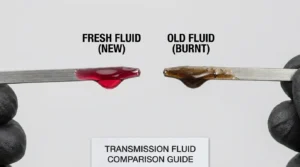
- Color: healthy fluid is red or pink in many automatics; brown or black suggests degradation.
- Smell: a burnt odor means overheating and breakdown.
- Particles: visible flakes or sludge indicate contamination.
DIY inspection steps
- Warm the engine and park on level ground.
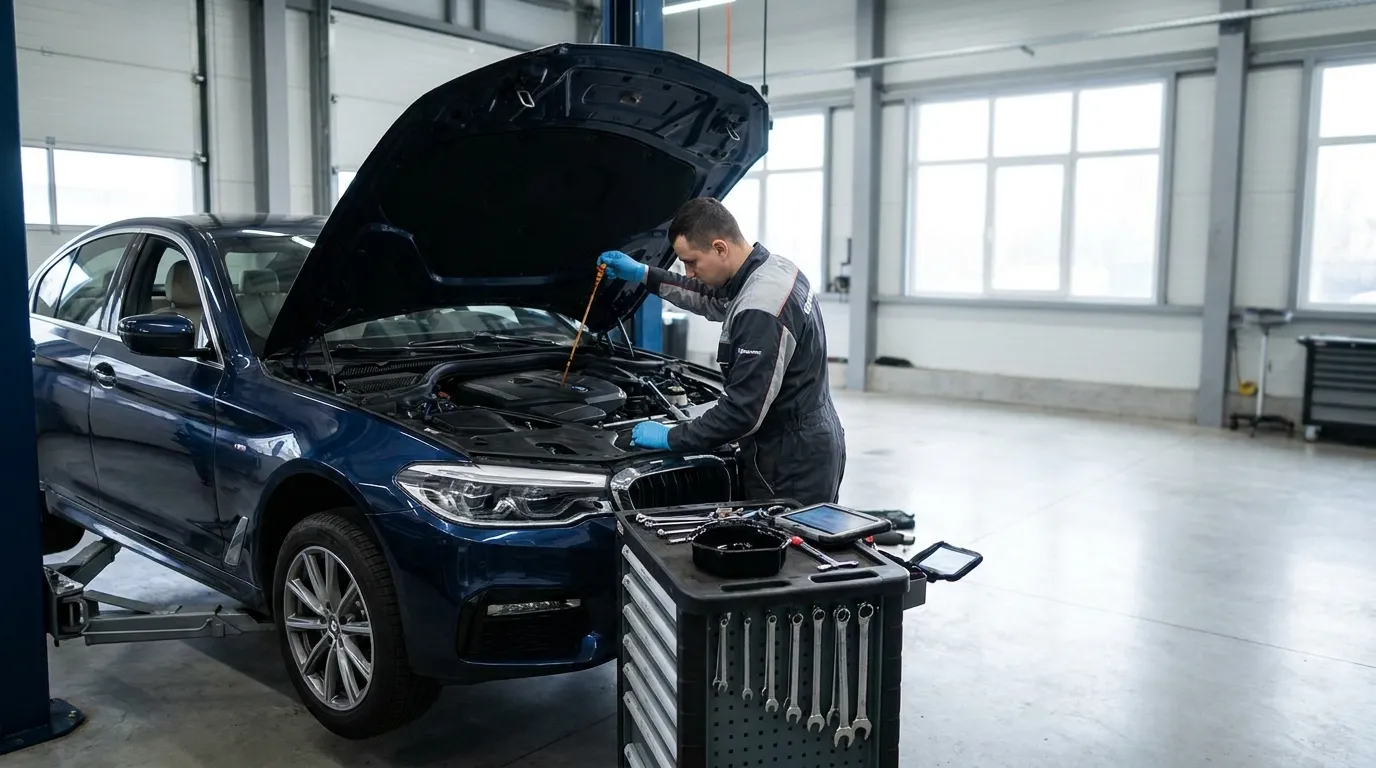
- Locate the dipstick if your vehicle has one, then check fluid level and color.
- Smell the fluid and look for particles.
- If in doubt or if the vehicle has no dipstick, get a professional inspection.
When to change
- Follow the recommended transmission fluid change interval from the manual.
- Change sooner if the fluid is dark, smells burnt, or shows particles.
- For used or high-mileage cars with unknown service history, change immediately to set a baseline.

PAA-style questions
What if my owner’s manual says “lifetime” fluid?
- “Lifetime” often means lifetime under normal use. For heavier use, use a shorter transmission fluid change interval.
Can I drive without changing transmission fluid?
- You can, but risk increases: degraded fluid causes overheating and premature wear. Changing at the right interval prevents damage.
Is synthetic better for extending the transmission fluid change interval?
- Synthetic fluids resist breakdown longer and can extend the transmission fluid change interval, but always match fluid specs.
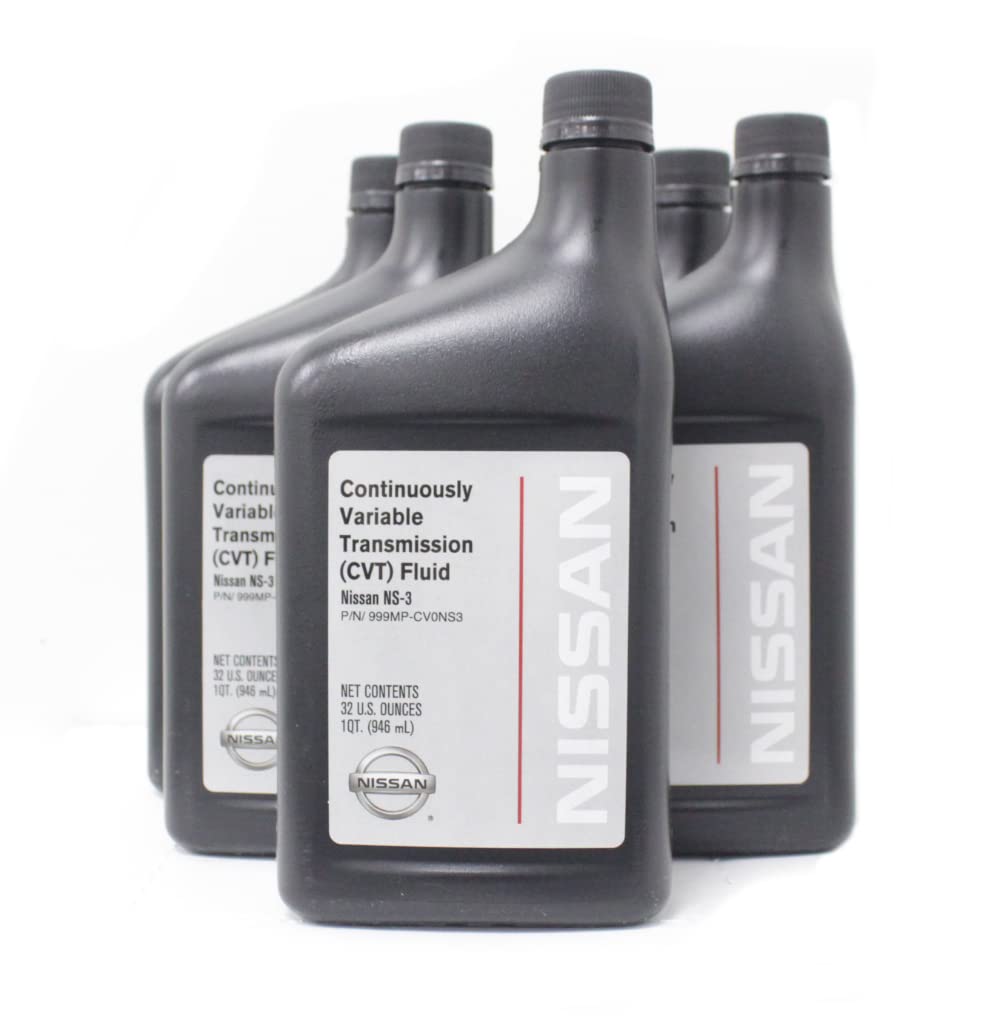
Source: bouldernissan.com
How to change transmission fluid: DIY vs professional service
Changing transmission fluid varies by transmission type. Follow the right method to avoid damage.
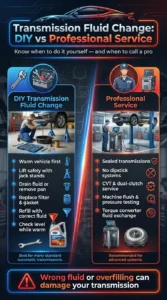
DIY approach for many automatics
- Warm the vehicle and lift it safely.
- Drain the fluid or remove the pan to access the filter.
- Replace the filter and gasket if present.
- Refill with the correct fluid and check the level while warm.
When to go professional
- Vehicles without a dipstick or with sealed transmissions often require a machine flush and pressure testing.
- CVTs and dual-clutch transmissions need expert service and specific fluids.
- Professional service can include a torque converter flush and fluid exchange under pressure, which some DIYers can’t perform.
Safety note: always use manufacturer-specified fluid and the correct capacity. Overfilling or using the wrong fluid can harm the transmission.
Costs, benefits, and risks around the transmission fluid change interval
Understanding costs and benefits helps set the right interval for your wallet and vehicle.
Costs
- DIY fluid change: low cost for fluid and filter, higher time investment.
- Professional service: higher cost but includes proper tools and inspection.
Benefits of timely changes
- Longer transmission life.
- Smoother shifts and better fuel economy.
- Lower repair costs over time.
Risks of changing too late
- Overheating, clutch wear, slipping, and internal damage.
Risks of changing too early - Minimal mechanical risk, but extra cost and potential waste if done unnecessarily.
From experience, replacing fluid on schedule prevents the majority of preventable transmission failures I’ve seen. It’s a small investment compared with a rebuild or replacement.
Signs your transmission fluid needs changing now
Watch for these signs to avoid urgent repairs. They often appear before major failure.
Common signs
- Delayed or rough shifts when accelerating.
- Slipping gears or sudden loss of drive power.
- Burning smell from under the hood.
- Dark, cloudy, or sludgy fluid on the dipstick.
- Unusual noises or whining from the transmission.
If you see these, check fluid immediately and follow up with a professional if problems persist. Acting early often saves money.
Common myths and mistakes about transmission fluid change intervals
There’s a lot of conflicting advice. Here are common misconceptions.
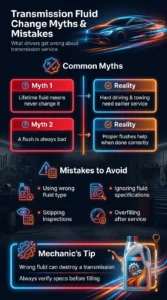
Myth: “Lifetime fluid means never change it.”
- Reality: Lifetime assumes normal use. Hard use calls for earlier changes.
Myth: “A flush is always bad.”
- Reality: A proper flush is beneficial when done correctly. Poorly done flushes can cause problems.
Mistakes to avoid
- Using the wrong fluid type or failing to match specifications.
- Skipping inspections because the manual suggests long intervals.
- Overfilling after service.
From hands-on experience, I’ve fixed cars ruined by the wrong fluid more than once. Always verify fluid specs and follow a smart transmission fluid change interval.
Frequently Asked Questions of transmission fluid change interval
How often should I change transmission fluid for my car?
Most cars should follow the owner’s manual, but typical ranges are 30,000 to 60,000 miles for many automatics and manuals; CVTs often need service sooner.
Is a transmission fluid flush necessary every time?
Not always. A flush is useful if the fluid is heavily contaminated or for sealed systems, but a drain-and-fill can suffice for routine changes.
Can I switch to synthetic to extend my transmission fluid change interval?
Yes, synthetic fluids resist breakdown and may extend the transmission fluid change interval, but always meet manufacturer specifications.
Will changing transmission fluid fix slipping gears?
It can fix slipping caused by degraded fluid or low level, but slipping from internal damage needs a mechanical repair.
Does heavy towing change the transmission fluid change interval?
Yes. Towing increases heat and stress, so shorten the interval to protect the transmission.
How long does a transmission fluid change take?
A simple drain-and-fill can take 30 to 60 minutes. A full flush or professional service may take one to two hours.
Can I check transmission fluid myself if my car has no dipstick?
If there’s no dipstick, most inspections require a lift and a fill plug check. A professional service is recommended.
Conclusion
A sensible transmission fluid change interval keeps your car shifting smoothly and avoids expensive repairs. Use the owner’s manual as your base, then shorten the interval for towing, heavy use, or older vehicles. Check fluid color, smell, and level regularly and act on warning signs early.
Takeaway: set a realistic transmission fluid change interval for your driving style, keep records, and don’t delay checks when you notice symptoms. If you found this helpful, try checking your fluid today, share your experience below, or subscribe for more practical car care tips.