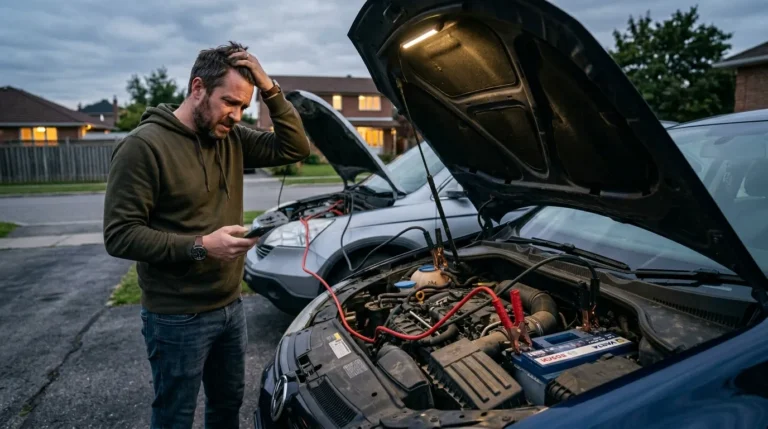
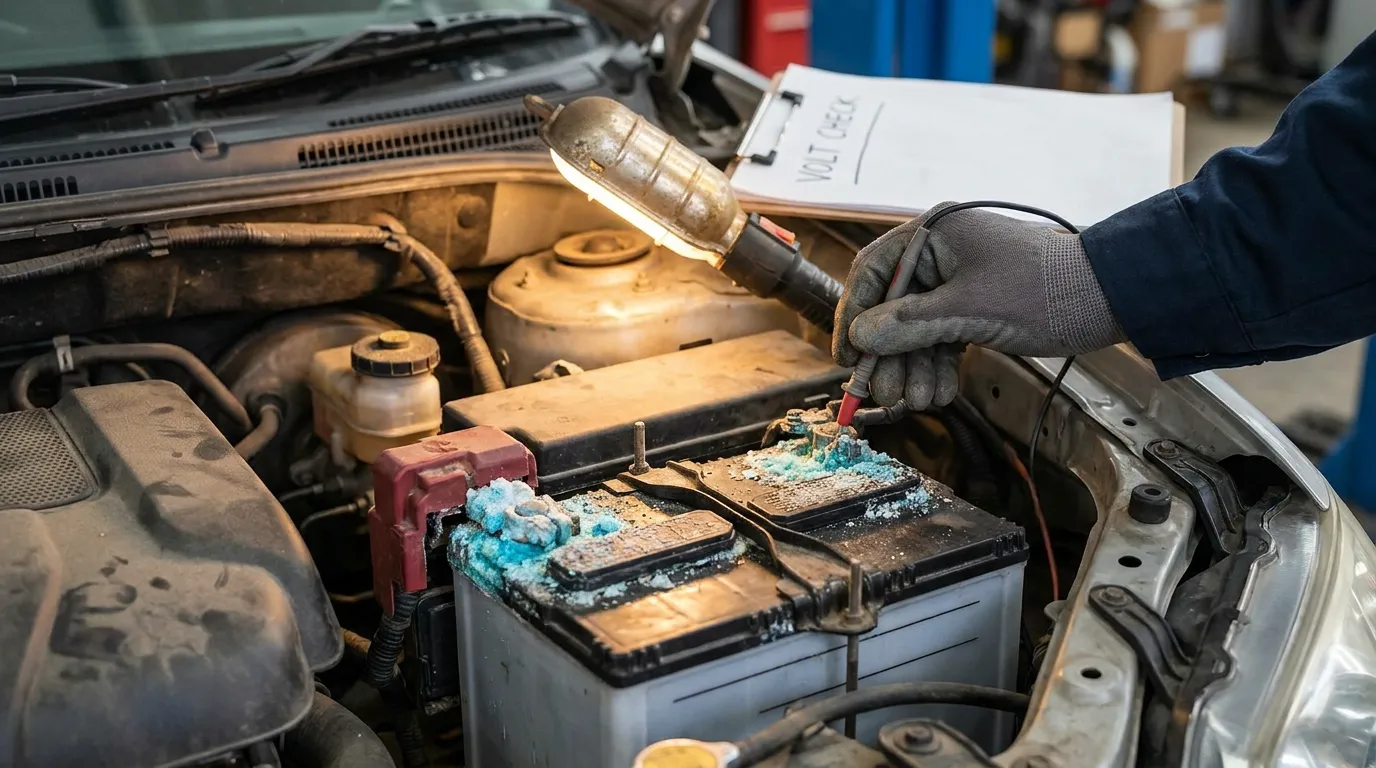
Battery corrosion is usually caused by electrolyte leaks, overcharging, poor sealing, and moisture exposure.
I’ve studied batteries and fixed many corroded terminals over the years. This article explains battery corrosion causes in clear, simple terms. You will learn how corrosion forms, why it matters, how to stop it, and when to replace a battery. Read on for practical tips you can use today.
Understanding what battery corrosion causes and why it matters
Battery corrosion causes metal to break down at terminals and contacts. Corrosion reduces electrical flow and shortens battery life. It can make devices fail, create safety hazards, and cause costly repairs. Knowing the common battery corrosion causes helps you prevent damage and save money.
Chemical mechanisms behind battery corrosion causes
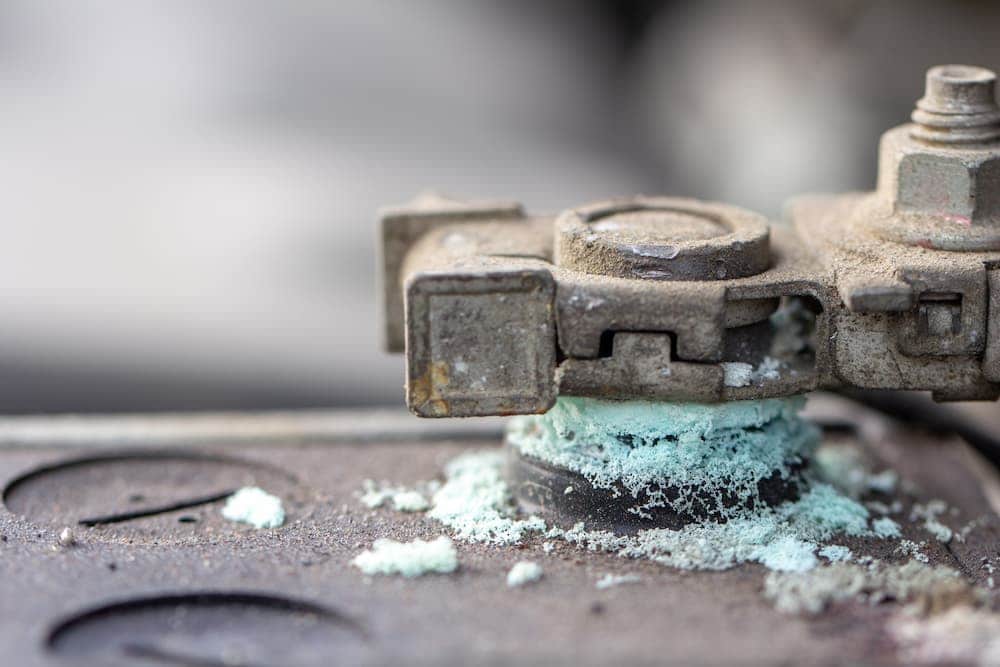
Battery corrosion causes start with chemical reactions between metal, electrolyte, and air. In lead-acid batteries, acid and metal react to make white or blue-green sulfate crystals. In alkaline cells, leakage creates a white, powdery potassium compound. Overcharging increases heat and gas. Heat and gas speed up oxidation and push electrolyte out. The result is crust, pitting, and poor contact.
Common battery corrosion causes by scenario
Different devices show corrosion for different reasons. Here are common real-world situations and the battery corrosion causes behind them.
- Car batteries
- Overcharging from a bad regulator or alternator can vent acid and corrode terminals.
- Loose clamps allow sparks and accelerate corrosion.
- Household devices (remotes, toys)
- Old batteries leak when their seals fail.
- Mixing new and old cells raises stress and leakage risk.
- Marine and outdoor equipment
- Salt air and moisture speed corrosion on exposed posts.
- Poor sealing and vibration wear down protective coatings.
- Industrial and backup batteries
- Heat, poor ventilation, and long float charging cause slow, steady corrosion.
- Incorrect maintenance schedules let corrosion grow unnoticed.
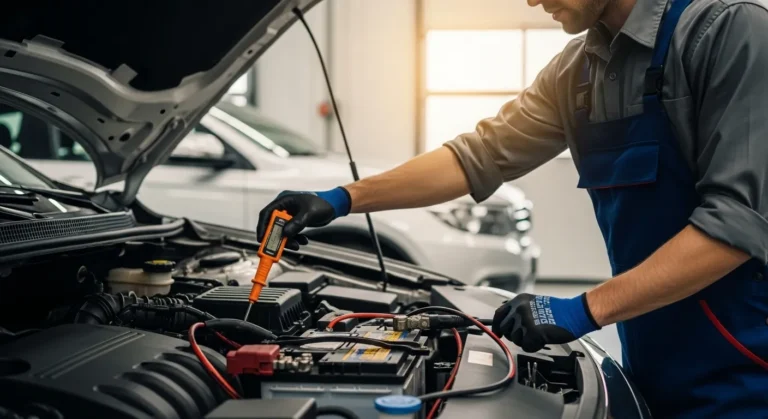
Each item shows typical battery corrosion causes you can check for during routine inspection.
Signs, risks, and short-term effects of battery corrosion causes
Spotting corrosion early saves work and money. Key signs include:
- Visible white, green, or blue crust around terminals.
- Reduced device runtime or intermittent power loss.
- Difficulty starting engines or poor electrical performance.
- Corrosion odor or swollen battery cases.
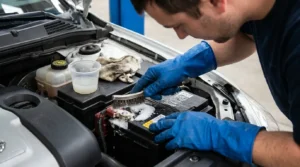
Risks include electrical shorts, acid burns, and irreparable cell damage. If you see these signs, act quickly to reduce further harm.
Preventing battery corrosion causes: practical steps
Prevention is easier than repair. Try these simple habits to reduce battery corrosion causes.
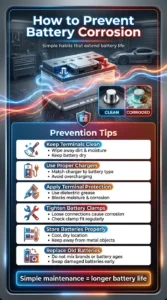
- Keep terminals clean and dry. Wipe them after use or exposure.
- Use proper chargers sized for the battery. Avoid overcharging.
- Apply a thin coat of dielectric grease or terminal protector. This blocks moisture.
- Tighten clamps correctly. Loose connections invite corrosion.
- Store batteries in a cool, dry place away from metal objects.
- Replace old or damaged batteries promptly; do not mix brands or ages.
These steps cut the main battery corrosion causes and extend device life.
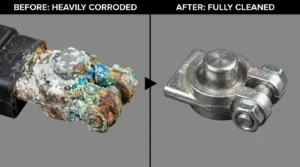
How to safely clean corrosion caused by batteries
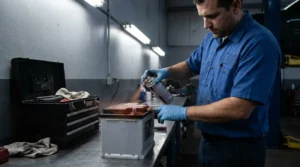
If corrosion already exists, you can often clean it safely. Follow these steps.
- Safety first
- Wear goggles and gloves.
- Work in a ventilated area.
- Disconnect power and remove the battery if possible.
- For alkaline battery leaks
- Use a damp cloth with a little white vinegar or lemon juice.
- Wipe the residue away and dry the area.
- Avoid metal tools that can short contacts.
- For lead-acid battery corrosion
- Mix baking soda with water to neutralize acid.
- Apply the paste, scrub gently with a brush, then rinse with distilled water.
- Dry terminals and apply protective grease.
Cleaning fixes many battery corrosion causes quickly. If the battery case is cracked, replace the battery instead of cleaning.
When to repair, and when to replace a corroded battery
Not all corrosion is fixable. Consider replacement if any of the following are true.
- The battery case is bulging, cracked, or leaking.
- Terminals are deeply pitted or metal is eroded away.
- The battery is old and no longer holds charge.
- Cleaning doesn’t restore reliable performance.
Repair only when damage is light and safety is assured. Otherwise replace the battery to avoid failure and hazards.
Tools, products, and best practices I recommend
From hands-on experience, a small kit helps every home and garage. Keep these items handy to fight battery corrosion causes.
- Protective gloves and safety glasses
- Baking soda, vinegar, or commercial battery cleaner
- Wire brush and toothbrush for scrubbing
- Distilled water for rinsing lead-acid cells
- Terminal protectors or dielectric grease
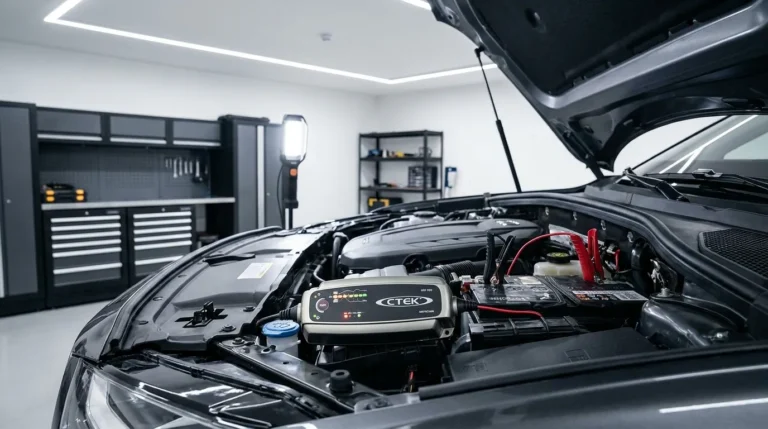
- Proper charger and a simple hydrometer for lead-acid batteries
- Replacement terminals and wrench set
Using the right tools makes cleaning faster and safer. I’ve saved many batteries by using a few of these items for timely maintenance.
Personal experience: lessons learned fixing corroded batteries
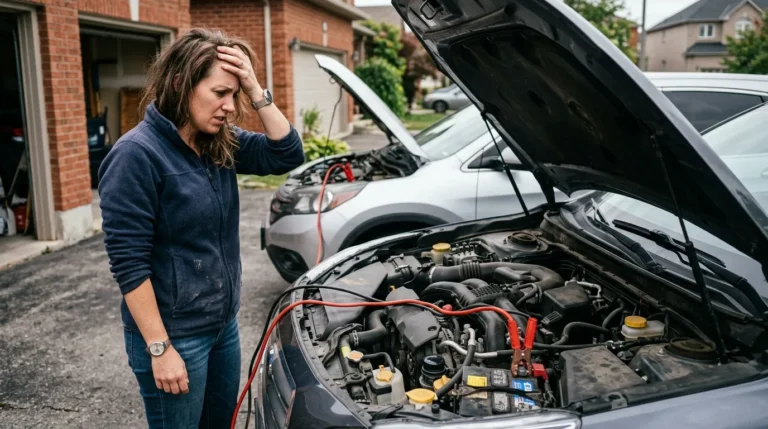
I once had a car fail on a cold morning. The battery terminals had heavy blue-green corrosion. I cleaned them with baking soda and tightened the clamps. The car started, but the alternator later failed too. Lesson learned: fixing visible corrosion is not enough. You must find root causes like bad chargers or loose fittings. Regular checks caught small corrosion before it turned into a dead battery.
Practical maintenance schedule to reduce battery corrosion causes
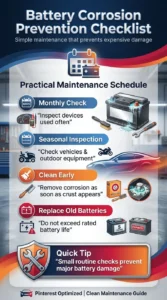
A simple routine prevents most problems. Try this checklist.
- Monthly check for devices you use often.
- Seasonal check for vehicles and outdoor gear.
- Clean terminals as soon as any crust appears.
- Replace batteries older than their rated life.
Small, regular checks address battery corrosion causes before major damage occurs.
Frequently Asked Questions of battery corrosion causes
What causes battery corrosion on car terminals?
Corrosion on car terminals comes from electrolyte fumes, overcharging, and moisture. Tight clamps and terminal protectors usually prevent it.
Can I mix different batteries without causing corrosion?
Mixing old and new cells can stress the older ones and increase leak risk. That imbalance is a common battery corrosion cause.
Is battery corrosion dangerous to touch?
Fresh acid or alkaline residue can irritate skin and eyes. Wear gloves and rinse the area if contact occurs.
Will cleaning terminals restore a dead battery?
Cleaning can restore contact and solve power delivery issues, but it won’t fix internal cell failure. Replace the battery if it won’t hold a charge.
How often should I inspect batteries for corrosion?
Inspect high-use or critical batteries monthly and others every season. Regular checks catch battery corrosion causes early.
Can environmental conditions accelerate battery corrosion?
Yes. Salt air, high humidity, and heat speed chemical reactions and worsen corrosion. Protect batteries in harsh environments.
Conclusion
Battery corrosion causes are predictable and preventable with simple care. Clean terminals, use correct chargers, apply protectors, and inspect batteries often to avoid damage. Start a quick maintenance habit today to save money and reduce failures. If you found this helpful, subscribe for more tips or leave a comment with your corrosion questions.