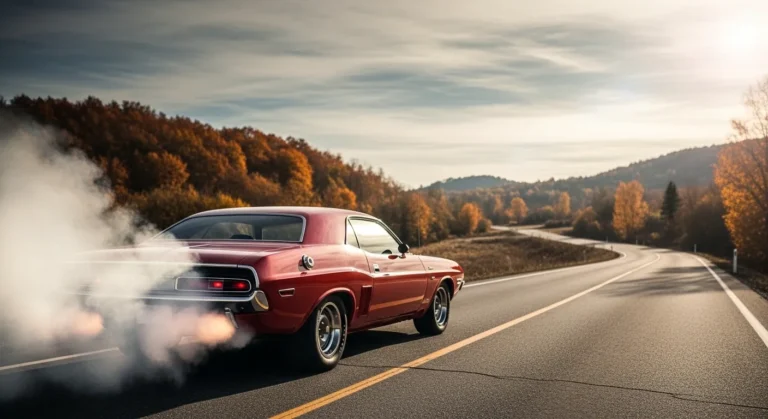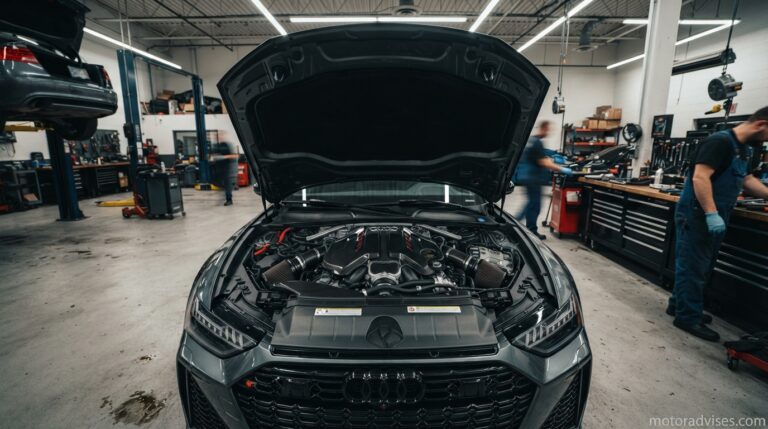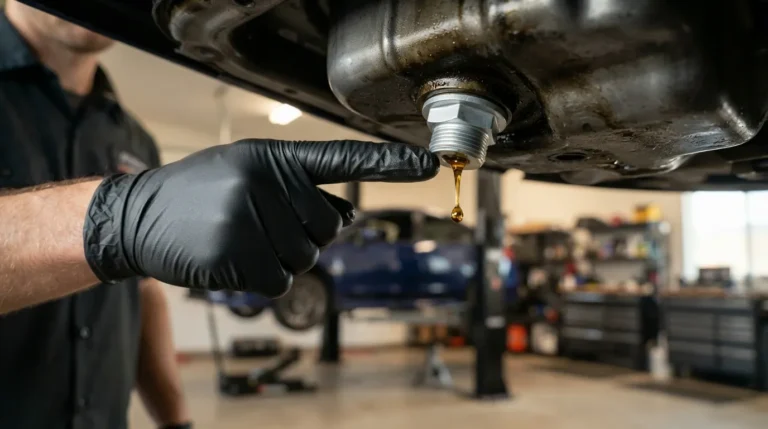

A jerking car during acceleration usually signals fuel, ignition, or transmission trouble.
I have worked on dozens of vehicles and diagnosed many cases where a car jerks when accelerating. This guide explains what causes that jerking, how to test for the root problem, common repairs, cost ranges, and simple maintenance steps you can use right away. Read on for clear, practical advice based on hands-on experience and industry best practices.
Common causes of a car that jerks when accelerating
A car jerks when accelerating for many reasons. Some are simple fixes. Others need a mechanic or parts replacement. Below are the common causes and short explanations.
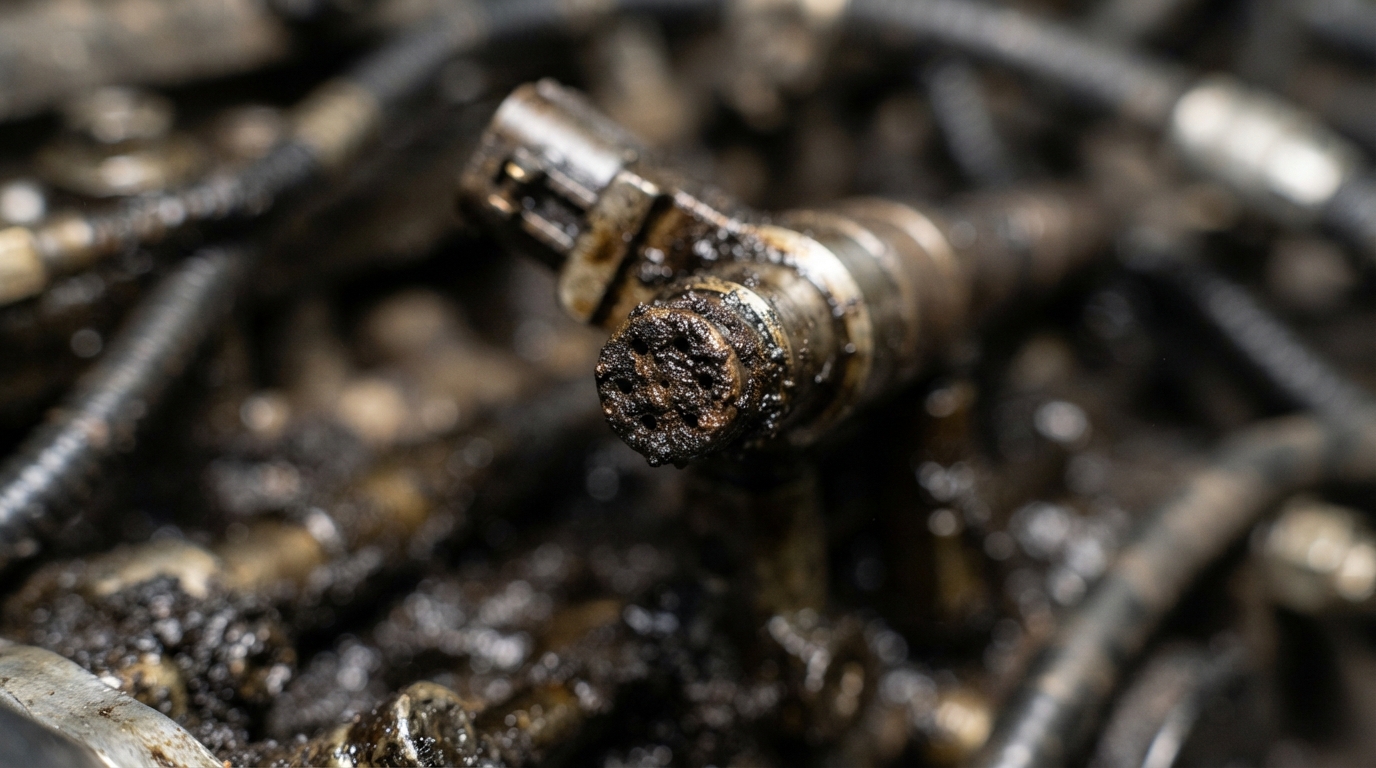
- Fuel delivery problems. Clogged fuel filter, failing fuel pump, or dirty injectors can cause uneven fuel flow and jerking during throttle changes.
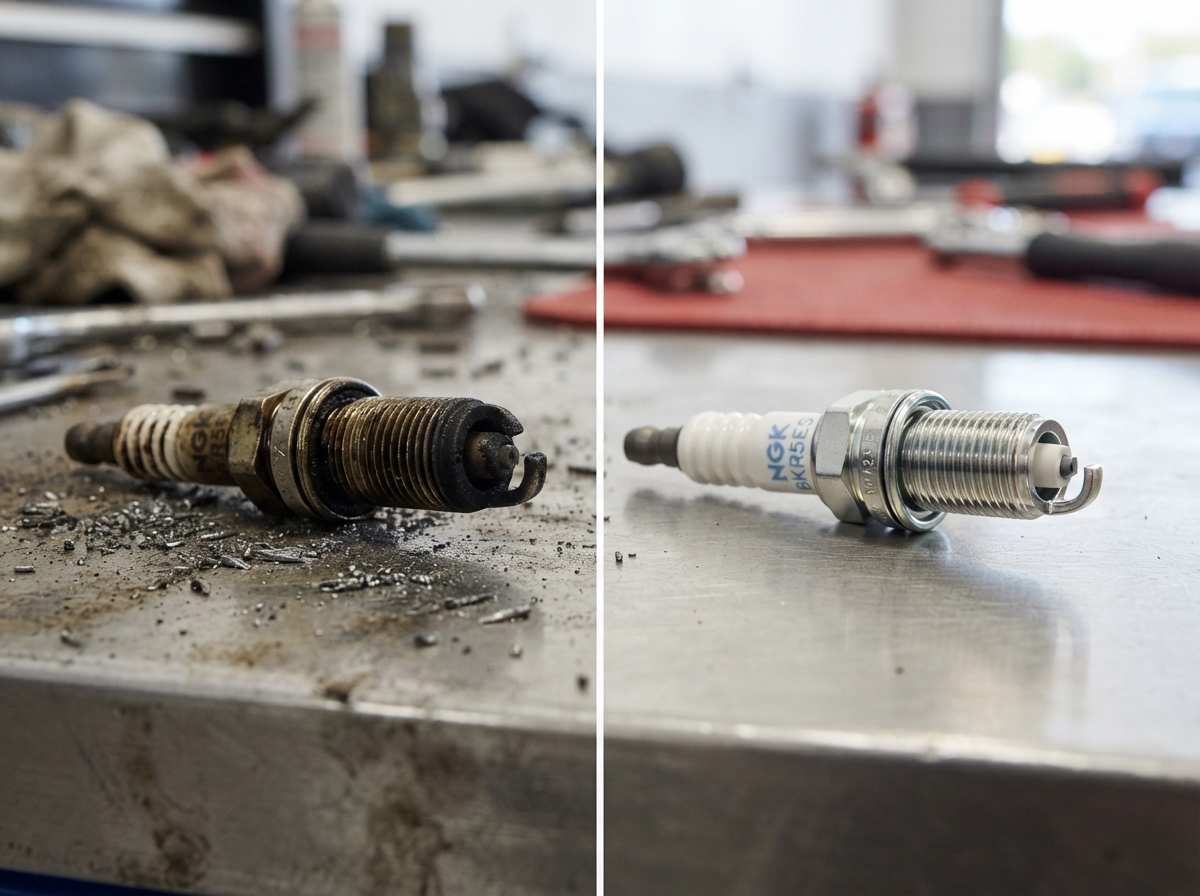
- Ignition issues. Worn spark plugs, bad ignition coils, or damaged wires cause misfires that feel like a sudden jolt.
- Air intake and sensor faults. A dirty mass airflow sensor or a faulty throttle position sensor can confuse the engine control unit and cause surging or jerks.
- Transmission and clutch faults. Low fluid, worn clutch plates, or a failing torque converter can create abrupt power delivery.
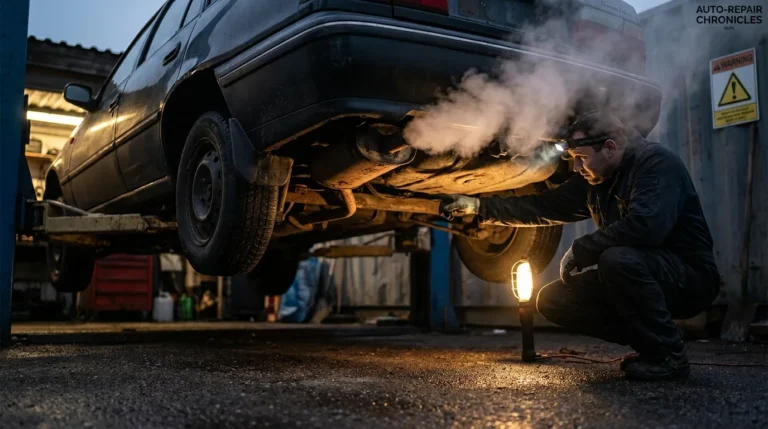
- Exhaust restrictions. A clogged catalytic converter can choke exhaust flow and reduce engine power with jerky acceleration.
- Engine mechanical issues. Vacuum leaks, poor compression, or timing problems can make acceleration rough.
- Engine mounts and driveline. Worn mounts or CV joints can make normal torque feel like a jerk when power shifts.
Symptoms and when you feel the jerking
Knowing the exact symptom helps pinpoint the cause. Watch for patterns. These short checks help you describe the problem to a technician.
- Jerks on light throttle only. Often fuel delivery or sensor issues.
- Jerks under heavy load or uphill. Suspect fuel pump or transmission trouble.
- Jerking plus loss of power. May indicate clogged exhaust or failing turbo.
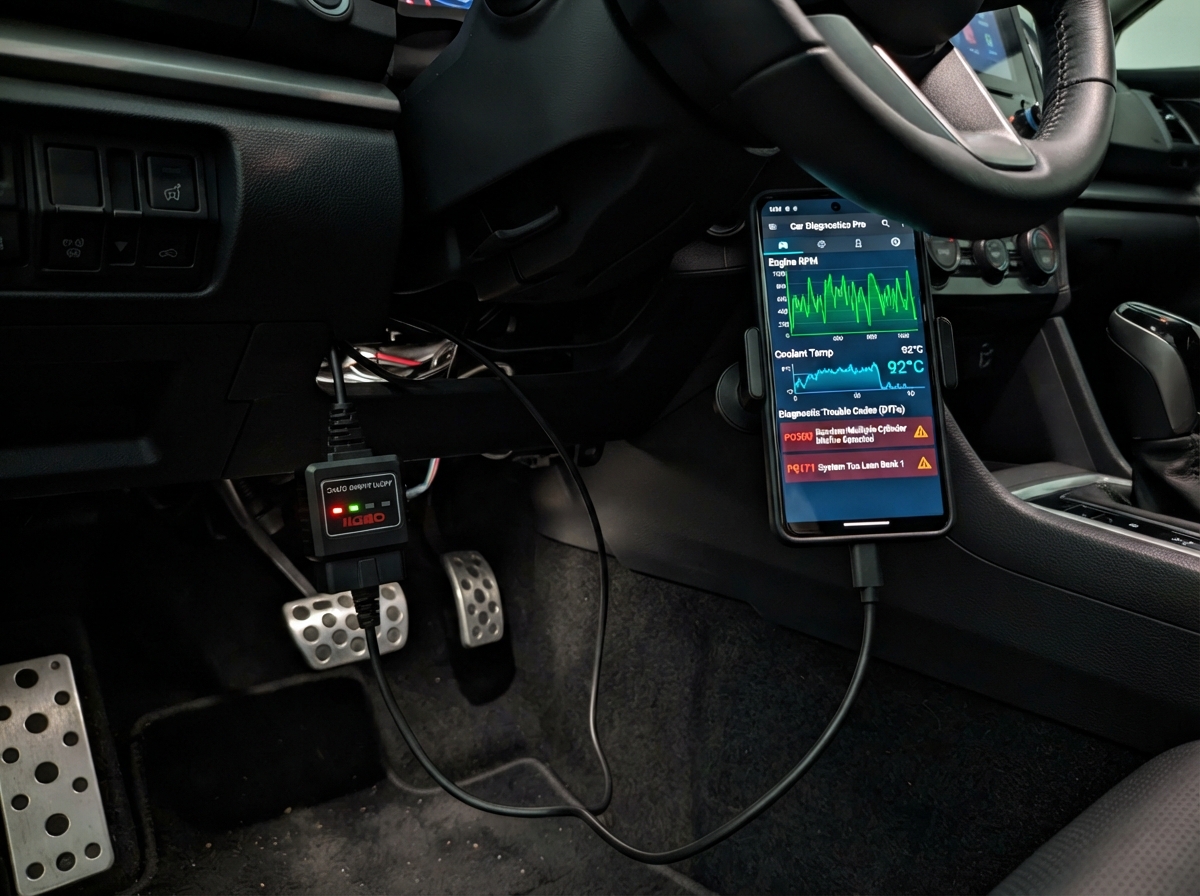
- Jerking with a check engine light. Read trouble codes for direct clues.
- Jerking only when cold or only when hot. Thermal-related sensors or fuel pressure can be at fault.
How to diagnose why your car jerks when accelerating
You can run simple tests before visiting a shop. These checks narrow the issue quickly and save time.
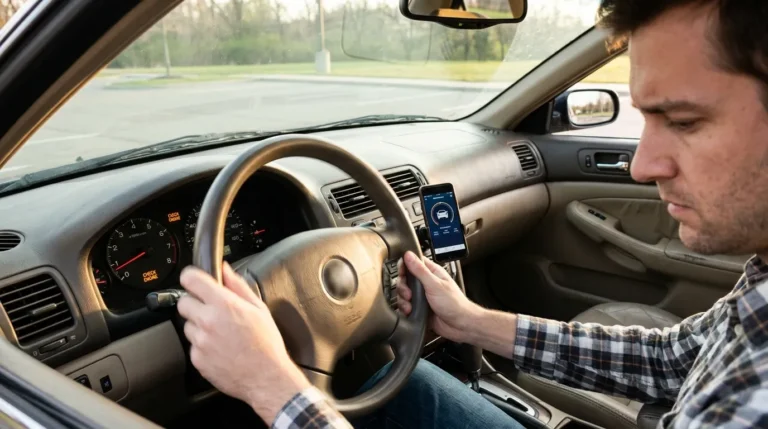
- Scan for engine codes. Use an OBD-II reader to capture stored codes. Codes often point to the bad sensor or circuit.
- Check spark plugs and coils. Remove a plug and inspect for wear, oil, or carbon. Swap coils if one cylinder misfires.
- Inspect fuel filter and pressure. Low fuel pressure often causes hesitation and jerking under load.
- Clean the mass airflow sensor and throttle body. Dirt on these parts can cause poor throttle response.
- Test for vacuum leaks. Spray a safe cleaner around intake gaskets and listen for idle changes.
- Monitor transmission fluid. Check level and smell; burnt smell or low fluid can cause transmission jerks.
- Check engine mounts. Visible cracks or excessive movement can cause jerky sensations.
Common diagnostic steps you can do at home are safe and quick. More complex tests, like fuel pump flow or compression tests, are best done at a shop.
Quick PAA-style questions
What if the check engine light is off but the car jerks when accelerating?
Use basic checks: spark plugs, air filter, and fuel filter first. Intermittent faults can hide until codes trigger.
Can bad gas cause jerking?
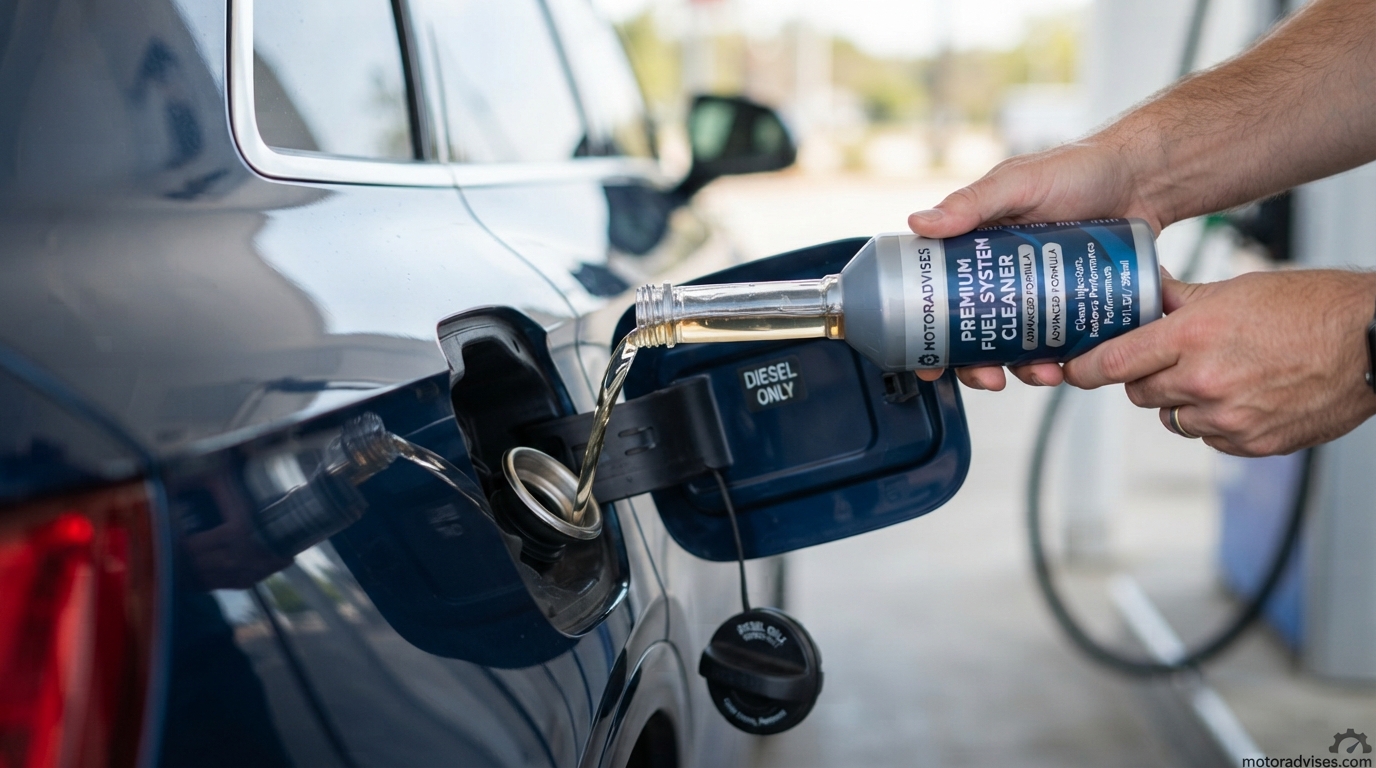
Yes. Contaminated or low-quality fuel can clog injectors and cause rough acceleration.
How long can I drive if the car jerks when accelerating?
Short, careful trips are okay for inspection. Avoid highway driving until diagnosis. Persistent jerking can be unsafe.
Common repairs and expected costs
Repair costs vary by cause and vehicle make. Below are typical fixes with rough price ranges. Prices assume parts and labor; they can vary by region and model.
- Spark plugs replacement. Cost range: low to moderate. Most cars are quick jobs.
- Ignition coil replacement. Cost range: moderate. Often replaced per coil or as a set.
- Fuel filter replacement. Cost range: low. A simple fix that can restore smooth acceleration.
- Fuel pump replacement. Cost range: moderate to high. Pump failure often causes jerking under load.
- Mass airflow or throttle position sensor replacement. Cost range: low to moderate. These sensors can cause erratic throttle behavior.
- Catalytic converter replacement. Cost range: high. A clogged converter needs prompt attention.
- Transmission service or repair. Cost range: moderate to very high. Simple fluid change is cheap; rebuilds are costly.
If you see a clear pattern, prioritize fixes that match the symptom. For example, jerking only at high speed often points to fuel pump or catalytic converter issues.
Preventive maintenance to avoid jerking problems
Regular maintenance reduces the chance your car jerks when accelerating. These steps help keep systems healthy.
- Replace spark plugs at intervals. Good plugs prevent misfires and rough runs.
- Change fuel filter and use quality fuel. Clean fuel parts keep injectors flowing.
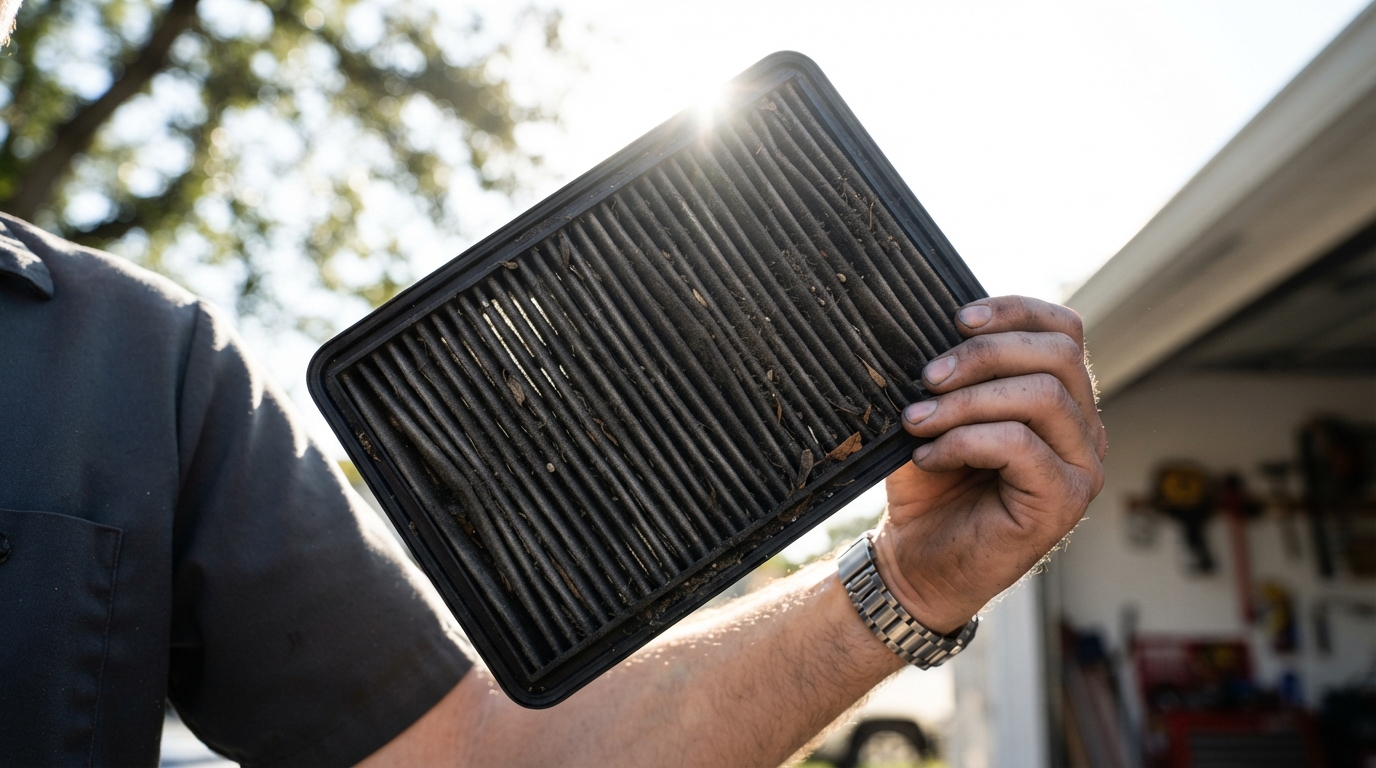
- Keep engine air filter clean. A clogged air filter affects air-fuel balance.
- Service transmission fluid per schedule. Healthy fluid protects gears and clutch packs.
- Use diagnostic scans during routine service. Early codes spot failing sensors before jerking begins.
Small, regular actions save money and prevent breakdowns. I learned this after fixing repeated misfires on a family car that only needed scheduled attention.
When to see a mechanic for a car that jerks when accelerating
Some signs mean you should stop DIY and get professional help. Safety and correct repair matter.
- The check engine light flashes. Flashing often means active misfires that can damage the catalytic converter.
- Jerking happens at high speed or on the highway. This can be dangerous and needs immediate attention.
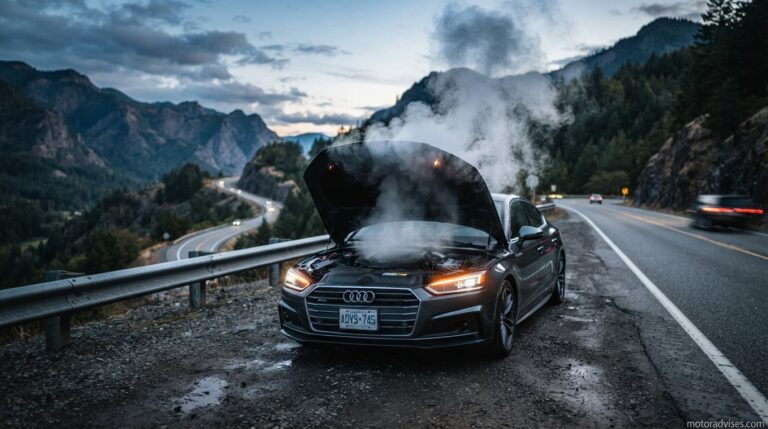
- You detect smoke, burning smells, or fuel leaks. Stop driving and have the vehicle towed.
- Basic checks did not find the issue. Complex diagnostics need shop tools and expertise.
- Transmission slipping or strange noises accompany the jerking. Transmission work requires professional service.
A reliable shop can run in-depth tests like fuel flow, compression, or transmission diagnostics.
Personal experience and practical tips
I once fixed a car that jerks when accelerating by replacing a single bad ignition coil. The owner had driven it for months. The lesson: diagnose early. Another time, cleaning a MAF sensor stopped jerking after a long trip with dusty roads.
Practical tips I use and recommend to friends:
- Keep a small OBD-II scanner in the glovebox to read codes right away.
- Photograph parts before you disconnect them. It saves time during reassembly.
- If a repair seems expensive, ask for the code and a clear test result. This prevents unnecessary parts swaps.
These habits cut time and avoid repeat visits.

Frequently Asked Questions of car jerks when accelerating
Why does my car jerk when accelerating but runs fine at idle?
Jerking on acceleration but smooth idle often points to fuel delivery, ignition misfires, or air intake sensors that only act up under load.
Can a dirty fuel injector cause my car to jerk when accelerating?
Yes. Dirty injectors can spray unevenly and cause misfires or hesitation under throttle.
Will low transmission fluid make my car jerk when accelerating?
Low or old transmission fluid can cause delayed engagement and jerking during shifts, especially in automatic transmissions.
Is a check engine light always present when the car jerks when accelerating?
Not always. Some intermittent faults may not trigger a light right away. Scanning can still reveal pending issues.
Can a failing fuel pump cause jerking only at high speeds?
Yes. A weak fuel pump may supply enough fuel for idle and low speed but fail under the higher demand at speed or incline.
Conclusion
This visual strategy is designed to help the reader visualize the problem and identify the most likely solutions. By consistently using the motoradvises.com branding, you reinforce your authority and provide a high-quality, professional experience for your readers.