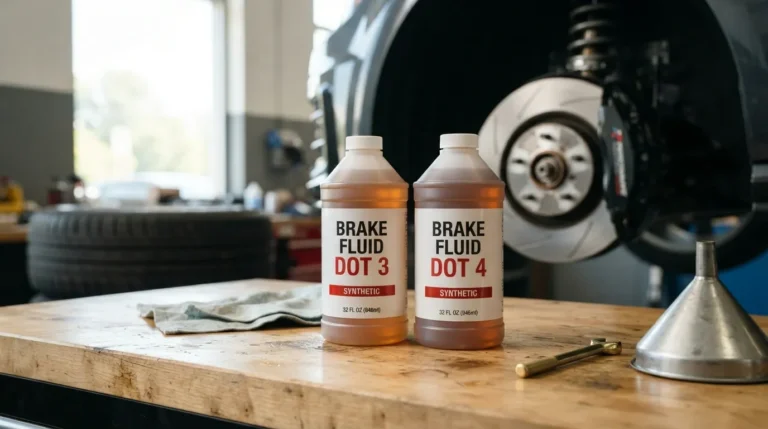
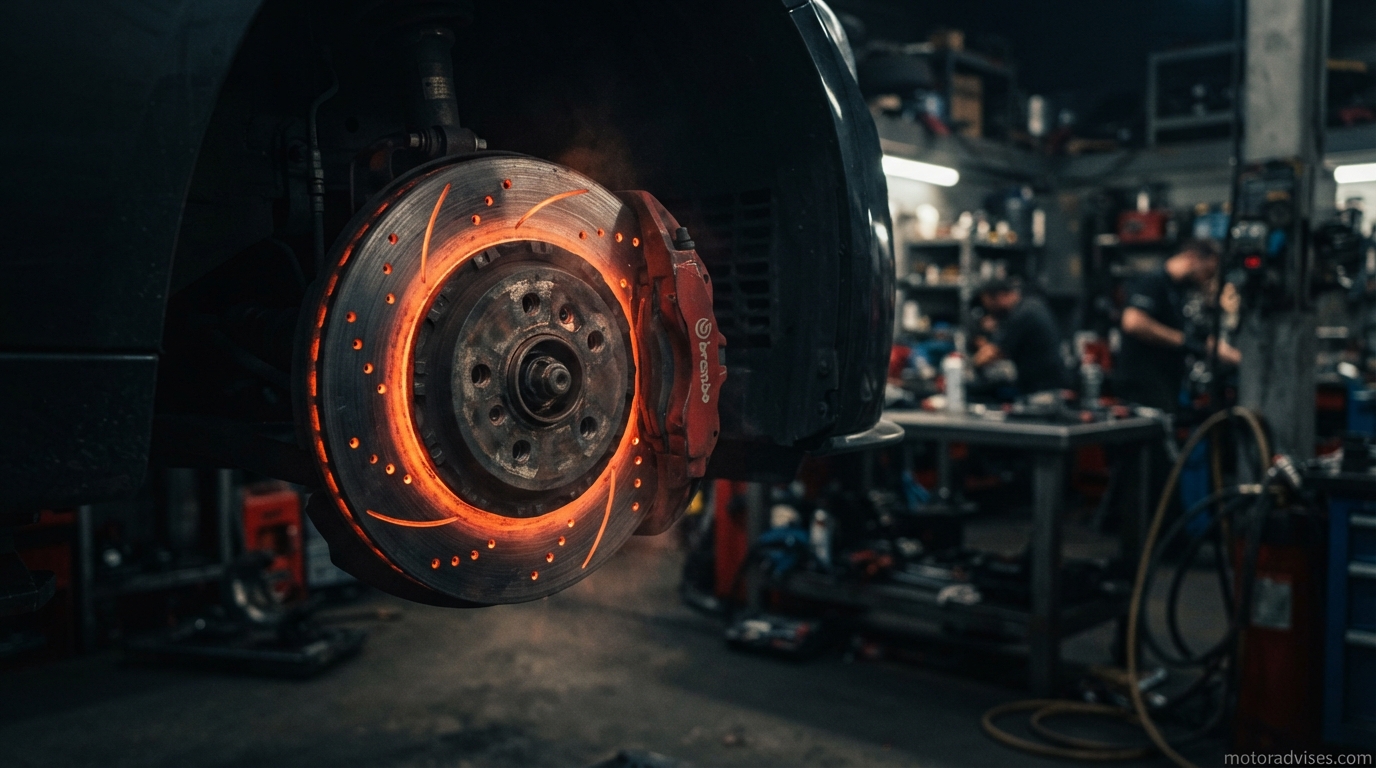
Brake rotor warping is mainly caused by uneven heat, heavy braking, and poor maintenance.
I’ve worked on cars and taught technicians for years, so I know the patterns that lead to brake rotor warping causes. This article breaks down what rotor warping is, the real reasons rotors distort, how to spot the problem, and clear steps to prevent and fix it. Read on for practical tips, real-world examples, and the exact checks I use in the shop.
What is brake rotor warping?
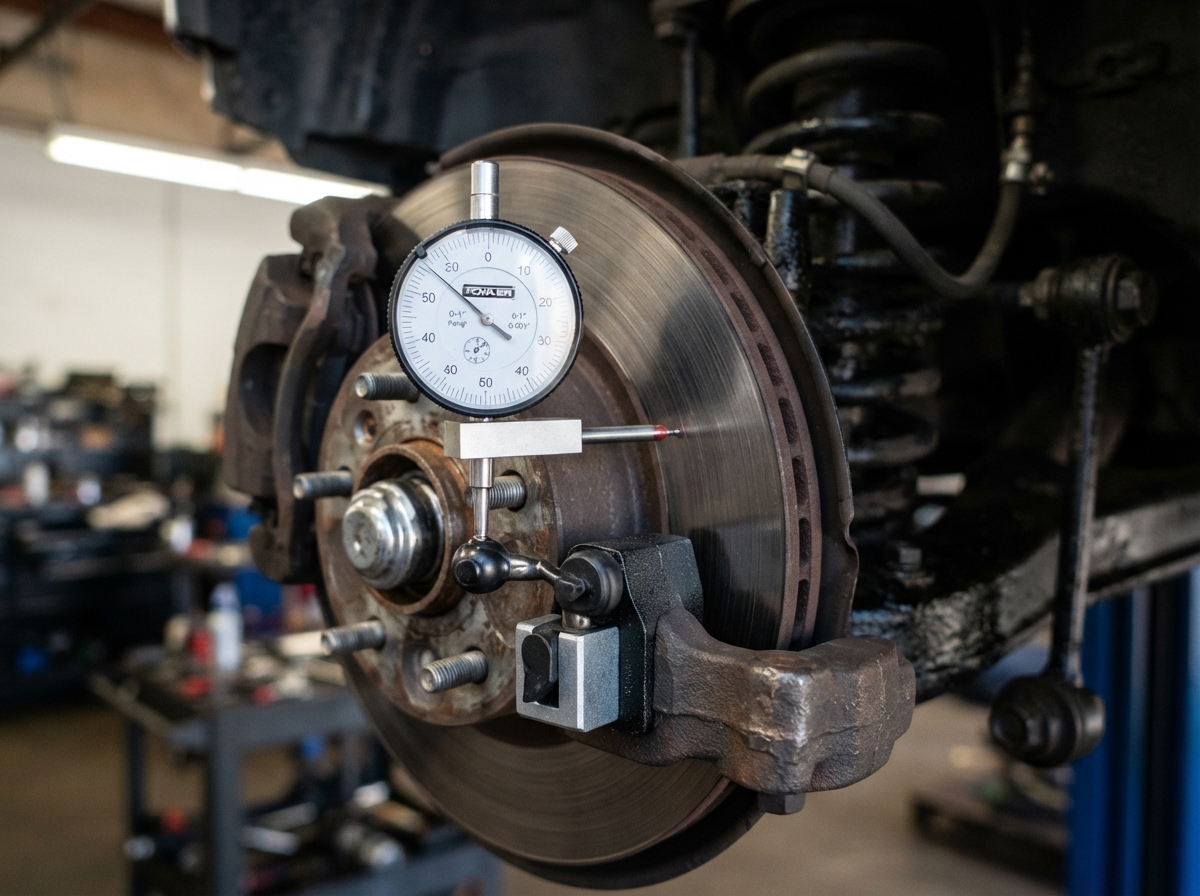
Brake rotor warping is a distortion of the rotor surface or shape. Rotors normally spin true and flat. When they warp, the wheel or pedal may pulse during braking. Warping reduces brake effectiveness and can make driving unsafe.
Rotors can develop hot spots, uneven thickness, or lateral runout. Any of those issues can cause brake rotor warping symptoms like vibration and pulsation. Understanding the underlying brake rotor warping causes helps you fix the real problem rather than chasing symptoms.
Common causes of brake rotor warping
Below are the main brake rotor warping causes you’ll see in real life. Each cause can appear alone or together.
Uneven heat distribution and thermal shock
- Heavy or repeated braking heats rotors unevenly.
- Rapid cooling, such as driving through water after hard stops, can cause thermal shock.
- Thermal stress makes rotors expand and contract irregularly, creating warpage.
Overheating from aggressive driving or towing
- Long downhill drives, track use, or towing create sustained high heat.
- Excess heat changes rotor metal and creates hotspots that distort the surface.
Improper bedding or break-in of pads
- New pads and rotors need correct bedding.
- Skipping bedding causes uneven pad deposits on the rotor.
- Deposit layers mimic warping and create pulsing and noise.
Poor-quality rotors or material defects
- Low-grade castings warp sooner under heat.
- Manufacturing defects can lead to uneven cooling during production and early warping.
Corrosion and rust buildup
- Rust pitting creates uneven surfaces.
- Pitted areas heat differently and cause local distortion under braking.
Loose or incorrectly torqued lug nuts and wheel runout
- Uneven lug nut torque pulls the rotor out of plane.
- A rotor mounted to a misaligned hub can show runout that mimics warping.
Improper resurfacing or machining
- Too much material removed or uneven machining causes uneven thickness.
- Resurfacing without proper checks can make rotors thinner than spec and warp quickly.
Sticking calipers or seized hardware
- A caliper that drags keeps one side of the rotor hotter.
- Continuous drag causes uneven wear and thermal stress.
Worn or contaminated brake pads
- Hard, glazed, or contaminated pads do not transfer heat evenly.
- Uneven pad pressure causes portions of the rotor to wear differently.
Each of these items is a valid brake rotor warping cause. When diagnosing, check multiple items, because problems often combine.
Symptoms and diagnosis
Common symptoms point to brake rotor warping. Look and feel for these signs.
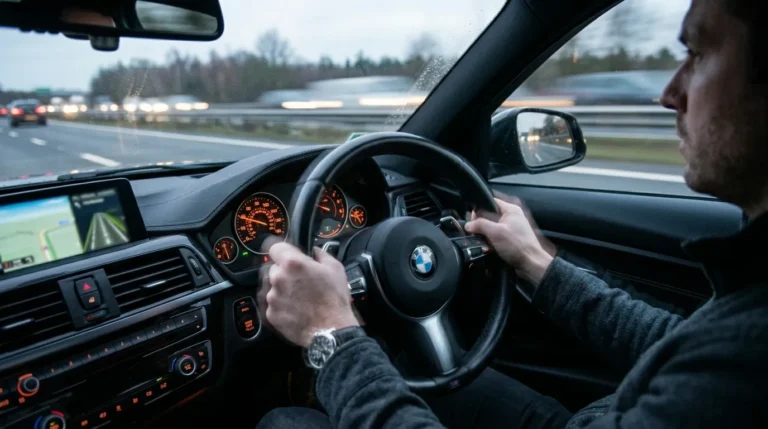
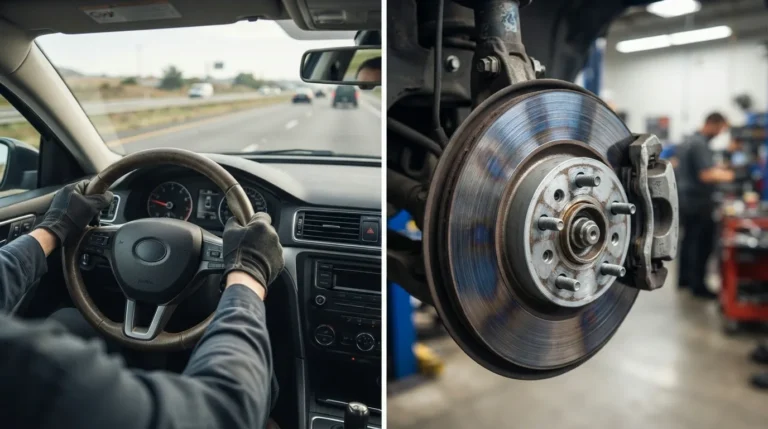
- Steering wheel or brake pedal vibration during braking.
- Pulsing feel at the pedal that starts at certain speeds.
- Uneven brake pad wear or feathered edges.
- Visible blueing, heat spots, or cracking on the rotor surface.
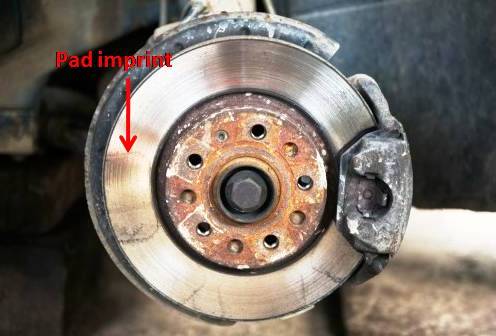
- Measurement shows lateral runout or thickness variation beyond spec.
How I diagnose warping in the shop:
- Check lug nut torque and wheel balance first.
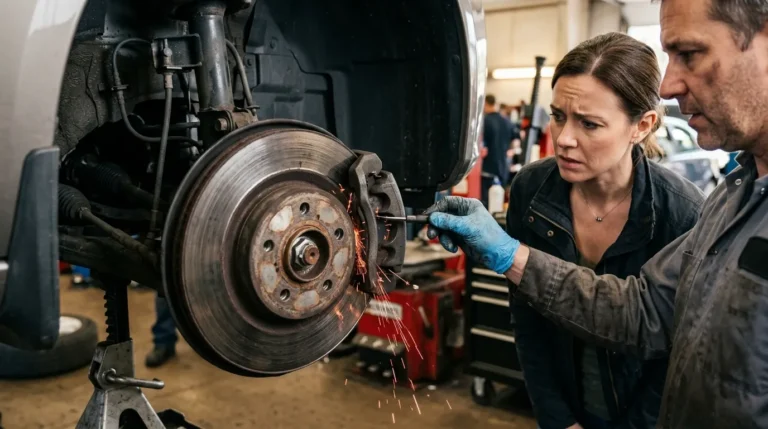
- Inspect rotors visually for heat spots and scoring.
- Measure lateral runout with a dial indicator at the rotor edge.
- Measure thickness variation across the rotor.
- Check caliper slide pins and pad condition.
If runout or thickness variation exceeds manufacturer limits, the rotor needs resurfacing or replacement. Often, what feels like warping is instead pad deposits, so cleaning and bedding sometimes fixes the issue.

Quick questions drivers ask (PAA-style)
Should I drive if my brakes vibrate?
If vibrations are mild and brief, drive carefully to a shop. Significant vibration or grinding means stop driving and inspect immediately.
Can warped rotors damage calipers or pads?
Yes. Warped rotors cause uneven pad wear and can stress caliper hardware over time.
How long do rotors last under normal use?
Typical rotors last 30,000–70,000 miles depending on driving, pad material, and conditions.

Preventing rotor warping: maintenance and best practices
Prevention is cheaper than repair. Use these practical steps to reduce brake rotor warping causes.
- Follow proper bedding procedures for new pads and rotors.
- Avoid repeated hard stops when possible; use engine braking on descents.
- Use correct lug nut torque and star-sequence tightening.
- Choose quality rotors and pads rated for your driving style.
- Replace pads before they wear thin to protect rotors from scoring.
- Check and service calipers, slide pins, and hardware regularly.
- Avoid driving through deep water immediately after heavy braking.
- If resurfacing, ensure the shop checks minimum thickness and runout.
These steps target the most common brake rotor warping causes. Simple, consistent maintenance makes a big difference.

Repair, resurfacing, and replacement
Deciding to resurface or replace depends on measurements and condition.
- Resurface only if the rotor thickness remains above the minimum spec after machining.
- Avoid resurfacing if heat cracks, deep scoring, or structural damage are present.
- Replacement is best when rotors are below minimum thickness, heavily cracked, or warped beyond repair.
- When replacing, change pads at the same time and bed them correctly.
- Match rotors and pads by quality and material to prevent premature wear.
I recommend replacing rotors rather than resurface for higher-mileage vehicles. Thin rotors heat up faster and may return to warping after resurfacing.
Real-world experience and tips
I once diagnosed a car with persistent brake pulsation after resurfacing. The shop had lapped the rotor unevenly and didn’t torque the wheel properly. Retorquing the lug nuts to spec and replacing the rotor with a quality unit solved the issue.
Lessons I learned:
- Always check wheel mounting surfaces for rust or debris.
- Measure runout before and after any machining.
- Use a torque wrench and follow the vehicle’s lug torque pattern.
- Ask for rotor runout and thickness readings if a shop resurfaces your rotors.
These small steps prevent many brake rotor warping causes I’ve seen in real life.
Common misconceptions about rotor warping
Addressing myths helps prevent wrong repairs.
- Myth: “All vibrations mean warped rotors.” Reality: Pad deposits, calipers, wheel balance, and tires can cause vibration.
- Myth: “Resurfacing always fixes warping.” Reality: If the rotor is below thickness spec or cracked, resurfacing is unsafe.
- Myth: “Only cheap rotors warp.” Reality: Even premium rotors can warp under extreme or abusive conditions.
- Myth: “Tightening lug nuts more prevents warping.” Reality: Over-torquing can distort the rotor; follow torque specs.
Understanding the true brake rotor warping causes helps you make the right repair decision.
Frequently Asked Questions of brake rotor warping causes
What exactly causes rotors to warp after resurfacing?
Uneven machining, removing too much material, or failing to measure runout can leave the rotor thin or uneven, causing it to distort under heat.
Can improper lug nut torque cause rotor warping?
Yes. Uneven or over-torqued lug nuts can pull the rotor off plane and create lateral runout that feels like warping.
Are drilled or slotted rotors more prone to warping?
Drilled and slotted rotors manage heat better for many applications, but poor quality or improper use can still lead to warping.
How do I know if vibration is from rotors or tires?
Check vibrations while braking and while coasting. If the vibration appears only during braking, rotors or brake components are likely; if it occurs at speed without braking, check tires and balance.
Is it safe to keep driving on slightly warped rotors?
Mild issues may be tolerable for short trips, but continued driving can worsen heat damage and reduce braking performance; have them inspected promptly.
Can bedding pads fix pad deposit-related warping symptoms?
Yes. Proper bedding can even out pad transfer and sometimes eliminate pulsation caused by deposits.
How often should rotors be inspected?
Inspect rotors at every pad change or at least every 12,000 miles, and after any event that causes heavy braking or overheating.
Conclusion
This visual strategy is designed to educate the reader on both the “why” and the “how” of brake rotor maintenance. By consistently using the motoradvises.com branding, these images will function as high-quality, custom assets that enhance your website’s authority and professional appearance.