Regular checks, pad swaps, fluid care, and timely repairs keep brakes safe and reliable.
I’ve spent years working on cars and training drivers, so I know what truly keeps stopping power strong. This guide covers practical, experience-backed brake maintenance tips you can use today. Read on for clear explanations, step-by-step checks, and real-world advice that saves money and keeps you safe on the road.
Why brake maintenance matters
Brakes are the single most important safety system in any vehicle. Proper brake maintenance tips reduce crash risk, extend part life, and lower repair bills.
Neglect leads to worn pads, warped rotors, and fluid contamination. Regular attention prevents those costly failures and keeps stopping distances short.
From my garage work, simple checks usually catch problems early. Small issues fixed quickly rarely become expensive emergencies.
Basic brake components explained
Understanding parts makes maintenance easier. Here are the core parts to know and why they matter.
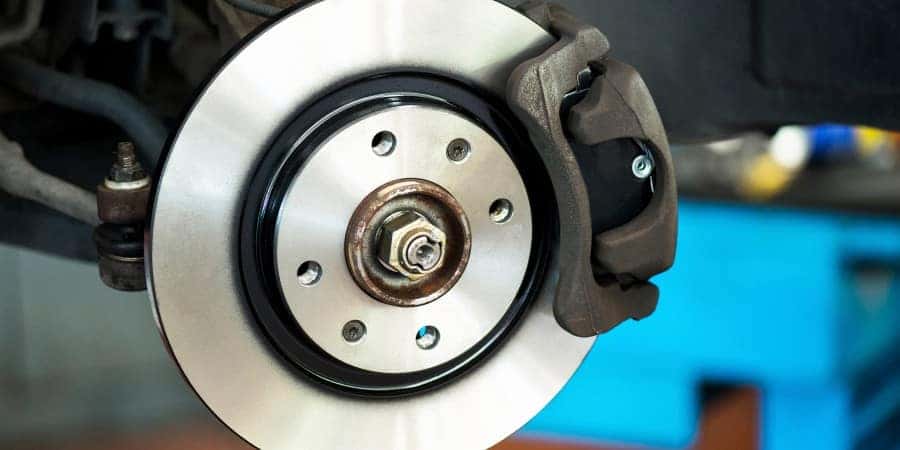
- Brake pads: Friction material that presses on rotors. Worn pads reduce stopping power and damage rotors.
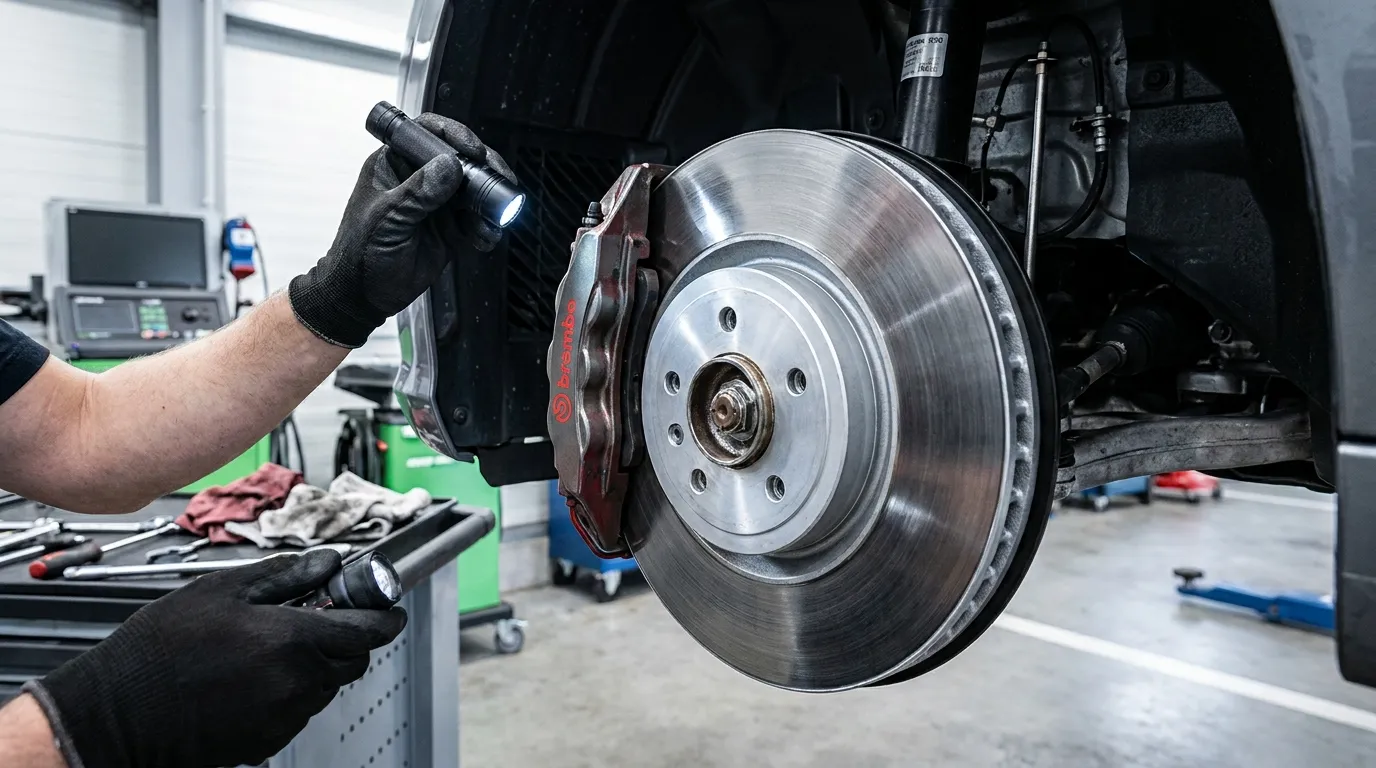
- Rotors (discs): Smooth metal surfaces the pads clamp onto. Warped rotors cause vibration and uneven wear.
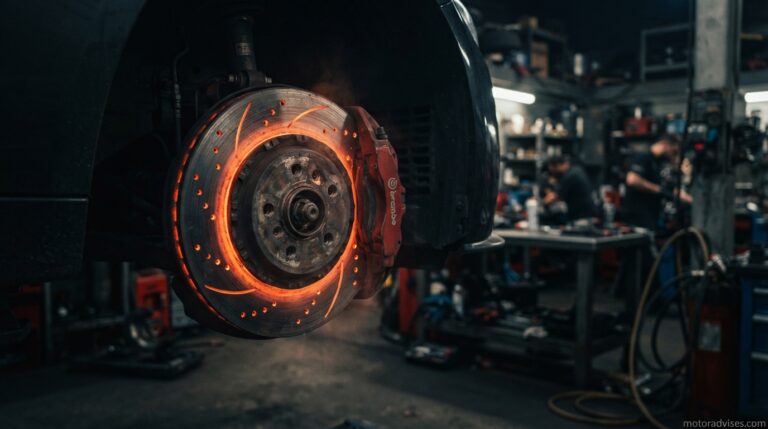
- Brake calipers: Hold pads and squeeze them onto rotors. Sticking calipers lead to drag and hot brakes.
- Brake shoes and drums: Found on some rear wheels. Shoes press outward inside a drum to stop the wheel.
- Brake fluid and lines: Transfer hydraulic force. Contaminated fluid or leaks reduce braking performance.
- ABS (anti-lock braking system): Helps avoid wheel lock-up. ABS needs diagnostic tools for some repairs.
Knowing these parts makes the brake maintenance tips below easier to follow.
Routine brake maintenance checklist
A clear checklist helps you stay on top of care. Use this checklist monthly, or during oil changes.
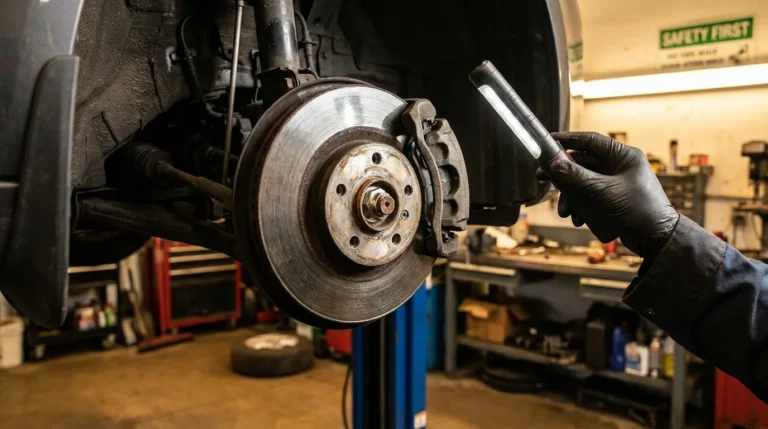
- Visual pad check: Inspect pad thickness through the wheel or by removing the wheel. Replace when pads are thin (under 3–4 mm).
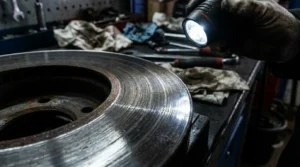
- Rotor look: Check for deep grooves, rust build-up, or warping. Resurface or replace if damaged.
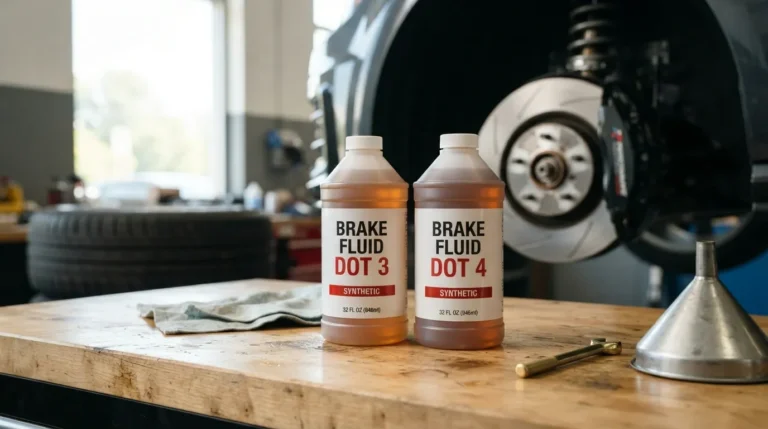
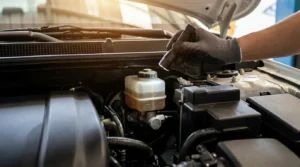
- Fluid level: Check the brake fluid reservoir monthly. Top to the proper mark with recommended fluid.
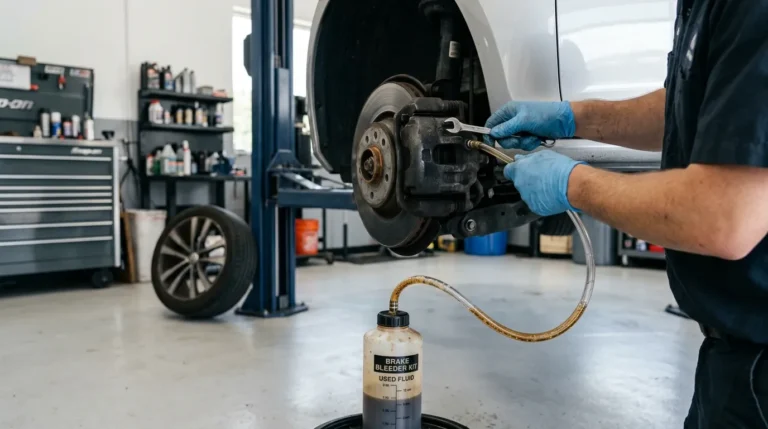
- Fluid change: Replace brake fluid every 1–2 years or per manufacturer. Old fluid absorbs moisture and reduces boiling point.
- Brake lines: Look for cracks, bulges, or leaks along lines and hoses. Replace any damaged lines immediately.
- Test pedal feel: A soft or spongy pedal often means air in the lines or old fluid. Firm and consistent pedal is healthy.
- Brake warning lights: Never ignore dashboard warnings. They indicate system faults that need diagnosis.
- Wheel bearings and hardware: Ensure caliper pins move freely and hardware is intact to prevent uneven pad wear.
Applying these brake maintenance tips regularly keeps stopping power consistent and predictable.
How to inspect brakes yourself (step-by-step)
You don’t need to be a pro to do basic checks. Follow these steps safely.
- Park on level ground and set the parking brake. Use wheel chocks for extra safety.
- Remove the wheel to access pads and rotor. Always loosen lug nuts before jacking up the car.
- Measure pad thickness visually or with a caliper rule. Less than 3–4 mm means replace soon.
- Spin the rotor by hand and feel for roughness or rubbing. Listen for scraping or grinding sounds.
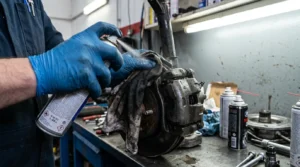
- Check caliper pins and guide bolts for free movement and signs of corrosion. Clean and lubricate if needed.
- Inspect brake fluid color in the reservoir. Dark or cloudy fluid signals contamination and a fluid change.
- Reassemble wheels, torque lug nuts to spec, and test drive at low speed for unusual noises or vibration.
These simple steps form the core of most brake maintenance tips. If you find anything concerning, stop and consult a pro.
When to seek professional help
Some issues need trained eyes and tools. Know when to let a shop handle it.
- ABS or traction control lights are on. These systems need diagnostic equipment.
- Brake pedal sinks to the floor or you lose braking power. That suggests a serious fluid leak or master cylinder fault.
- Severe vibration or pulsation under braking that resurfacing doesn’t fix. This can be warped rotors or suspension issues.
- Complex hydraulic repairs, like line replacement or master cylinder service, require pressure testing and bleeding tools.
- You lack tools or confidence to safely complete an inspection or repair. Safety comes first.
A professional can diagnose hidden problems and ensure repairs meet safety standards.
Source: eldoradomazda.com
Common brake problems and causes
Recognizing patterns helps prevent repeat repairs. Here are frequent issues and likely causes.
- Squealing or squeaking: Often worn pads or glazing on pad surface. Replace pads and clean hardware.
- Grinding noise: Metal-on-metal contact from fully worn pads. Rotors are likely scored and may need turning or replacement.
- Soft pedal: Air in the lines or low fluid. Bleeding the system and topping fluid usually fixes it.
- Pulling to one side: Sticking caliper, uneven pad wear, or hose collapse. Inspect caliper movement and replace faulty parts.
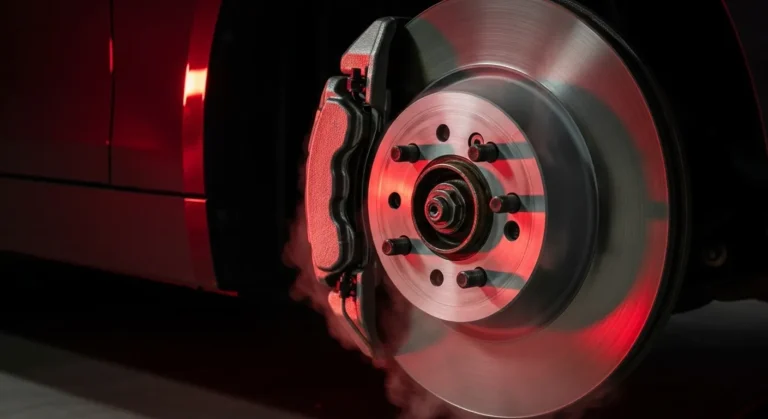
- Brake fade: Overheated pads and fluid can cause fade. Use high-quality fluid and avoid excessive braking on long descents.
In my experience, most drivers ignore squeals until they hear grinding. Addressing squeaks early saves rotors and money.

Brake maintenance for different vehicles
Different vehicles need tailored brake maintenance tips. Know what applies to your ride.
- Passenger cars: Follow manufacturer service intervals and monitor pads and fluid regularly. Lighter vehicles often wear pads slower.
- Light trucks and SUVs: Heavier loads increase wear. Inspect more frequently if you tow or carry heavy cargo.
- Motorcycles: Brake checks must include both front and rear systems. Brake fluid changes are critical for small bore systems.
- Electric vehicles: Regenerative braking reduces pad wear but still needs periodic inspection and fluid care for hydraulic brakes.
- Older vehicles with drum brakes: Shoes require routine adjustment and inspection as drums can hide wear.
Tailor your brake maintenance tips to vehicle use and load. Trucks and towing duty deserve extra attention.
Costs, frequency, and budgeting
Plan for maintenance to avoid surprise bills. Typical ranges and timing help.
- Pad replacement: Expect parts and labor to vary widely. Costs depend on vehicle and pad quality. Budget for replacement every 25,000–70,000 miles based on use.
- Rotor service: Resurfacing or replacement can cost more. Replace rotors when thickness is below spec or when warped.
- Fluid change: Brake fluid service is relatively inexpensive and prevents more costly repairs later. Aim for every 1–2 years.
- Major repairs: Caliper replacement, lines, or master cylinder can be pricier. Early small fixes keep these larger costs down.
A small yearly maintenance budget reduces the chance of urgent, expensive brake repairs.
Safety tips and precautions
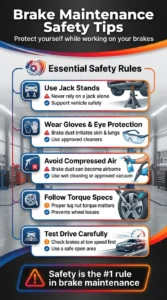
Work safely and protect yourself during maintenance tasks. Follow these safety rules.
- Use jack stands: Never rely on a jack alone when a wheel is off.
- Wear gloves and eye protection: Brake dust can irritate skin and lungs. Clean parts with recommended cleaners.
- Avoid compressed air on brake dust: It can become airborne. Use wet cleaning methods or approved vacuums.
- Follow torque specs: Proper lug nut torque prevents wheel issues.
- Test drive carefully: After any brake work, test at low speeds and in a safe area before regular driving.
Safety is the top priority when applying any brake maintenance tips.
Frequently Asked Questions of brake maintenance tips
How often should I check my brakes?
Check basic brake items like pads and fluid monthly or at every oil change. Do a full inspection at least once a year or sooner if you drive aggressively or tow.
What is the lifespan of brake pads?
Brake pad life depends on driving style and vehicle weight. Expect anywhere from 25,000 to 70,000 miles; check pads more often if you tow or drive in stop-and-go traffic.
Can I change brake fluid myself?
Yes, if you have the right tools and know-how. Improper bleeding can introduce air, so consider a professional if you’re unsure.
Do electric vehicles need brake maintenance?
Yes. Regenerative braking reduces pad wear but hydraulic systems still need fluid checks and periodic inspections. Follow the EV manufacturer’s schedule.
What does a soft brake pedal mean?
A soft or spongy pedal often indicates air in the brake lines or old, water-laden fluid. Bleeding the system and a fluid change usually restore firmness.
Is grinding always an emergency?
Grinding usually means metal-on-metal contact and should be repaired promptly to avoid rotor damage. It’s best treated as a high-priority issue.
Conclusion
Good brake maintenance tips are practical, regular, and safety-focused. Small checks and timely fluid changes prevent most failures, save money, and keep you confident on the road. Start with the checklist, do simple inspections, and call a pro when systems like ABS or the master cylinder are involved. Try one brake check this week, and subscribe or comment with your own brake-care stories to keep the conversation going.