Timing belts are quieter and cheaper; timing chains last longer but cost more if they fail.
As an engine tech and long-time car owner, I’ve wrestled with the timing belt vs timing chain question on many vehicles. This article gives a clear, expert-backed comparison of timing belt vs timing chain systems, so you can pick the right one for your car, budget, and maintenance habits. Read on for definitions, pros and cons, maintenance tips, real-world examples, and clear guidance to make a confident choice. interference engine

Understanding timing belt vs timing chain
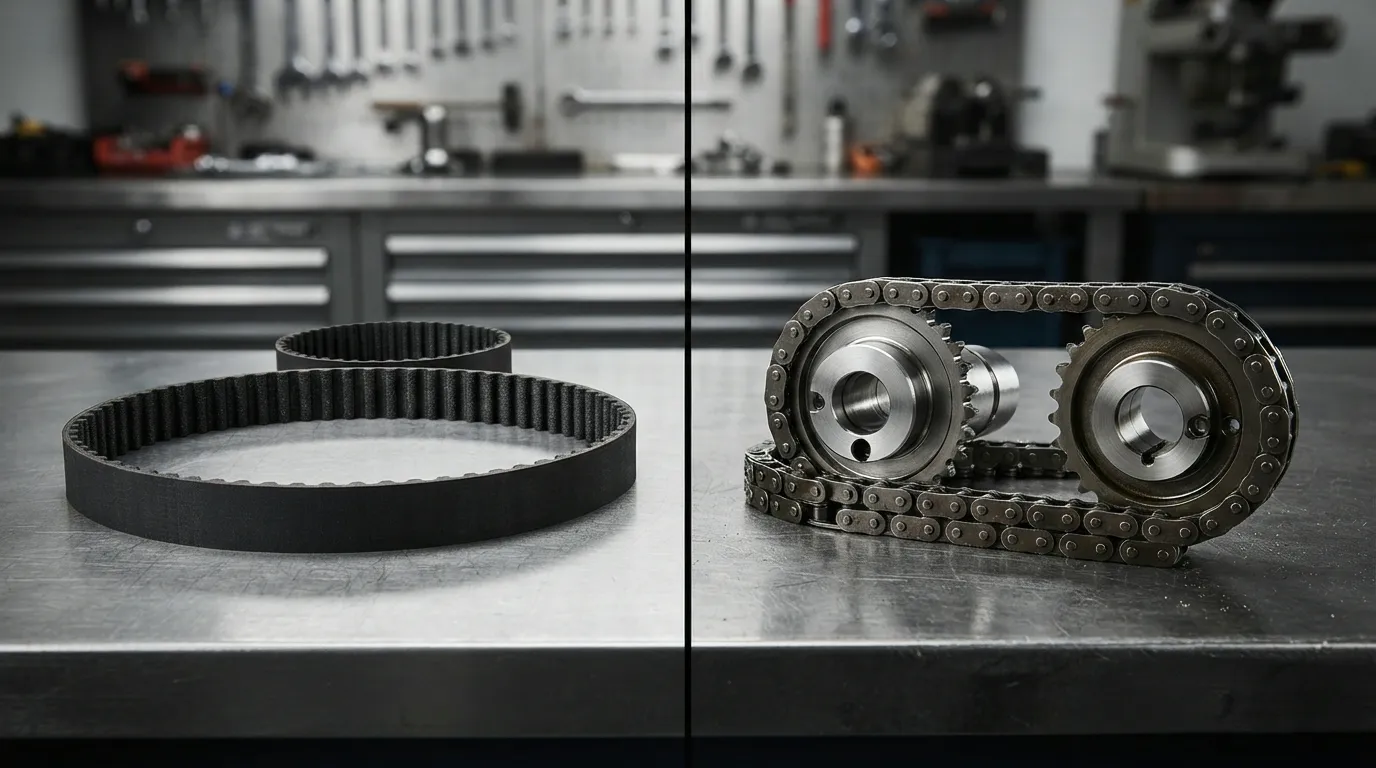
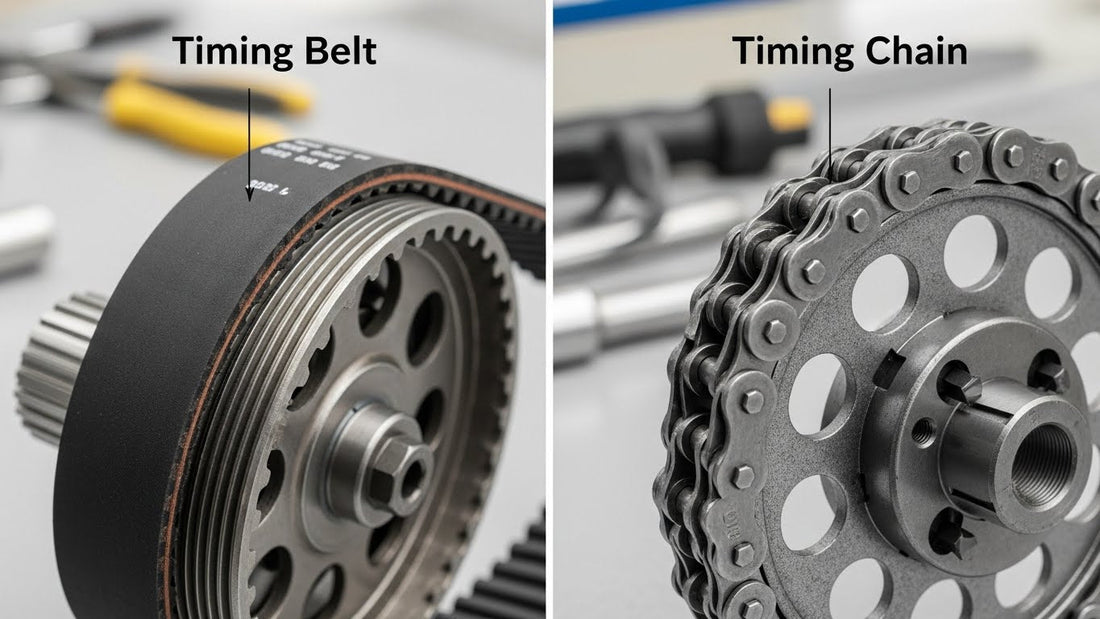
A timing belt is a toothed rubber belt that links the crankshaft and camshaft. It keeps engine valves opening and closing in sync with the pistons.
A timing chain is a metal chain that does the same job. It runs inside the engine, usually lubricated with oil.
Both control valve timing. Both affect engine performance and safety. The main differences are materials, durability, cost, and maintenance needs. This is the heart of the timing belt vs timing chain debate. Follow the vehicle maker’s schedule.

How each system works and why it matters
Timing belt
- Uses reinforced rubber and fibers.
- Runs outside or partly inside the engine.
- Often paired with plastic tensioners and idlers.
Timing chain
- Uses hardened steel links.
- Runs inside the engine and is oil-lubricated.
- Uses metal guides, tensioners, and sprockets.
Why it matters
- If a belt fails on an interference engine, valves can hit pistons and cause major engine damage.
- Chains can stretch over time and cause timing drift. If ignored, they can break or damage the engine too.
- Repair approach differs: belts are replaced on a schedule. Chains are inspected and serviced when needed.
Pros and cons: clear side-by-side for timing belt vs timing chain
Timing belt – pros
- Quieter operation.
- Lower initial cost to manufacture and replace.
- Lighter weight, which can help fuel efficiency.
Timing belt – cons
- Finite life; usually 60,000 to 100,000 miles.
- Must be replaced on schedule.
- Can cause catastrophic engine damage if it snaps.
Timing chain – pros
- Longer service life; often lasts 150,000+ miles.
- Lower chance of sudden failure when properly maintained.
- Generally considered more durable for high-mileage engines.
Timing chain – cons
- Noisier when worn.
- Higher repair cost if failure occurs.
- Can require complex labor to access and replace.
The timing belt vs timing chain choice is mostly trade-offs between upfront cost, noise, longevity, and maintenance style.

Lifespan, maintenance intervals, and replacement cost
Typical lifespans
- Timing belt: 60,000 to 100,000 miles, depending on make and model.
- Timing chain: 150,000 miles or more with good oil care.
Maintenance tips
- Follow the vehicle maker’s schedule for belt replacement.
- For chains, change engine oil at the recommended interval to reduce wear.
- Replace tensioners, guides, and water pump with a belt service when recommended.
Cost ranges
- Belt replacement: Usually lower parts cost, higher frequency. Typical range US$300–$800.
- Chain issues: If chain tensioner or guide fails, repairs can be US$700–$2,500 or more due to labor.
These numbers vary by vehicle and local labor rates. Budget accordingly based on ownership plans. Timing Belt Vs Timing Chain: Which Is Better?

Common symptoms of timing belt or chain problems and inspection tips
Timing belt symptoms
- Squealing or slapping noises from the front of the engine.
- Engine misfires or rough idle.
- Oil contamination on the belt (from leaks).
Timing chain symptoms
- Rattling noise at startup or idle.
- Check engine light with timing-related codes.
- Poor performance or misfires, especially at higher miles.
Inspection tips
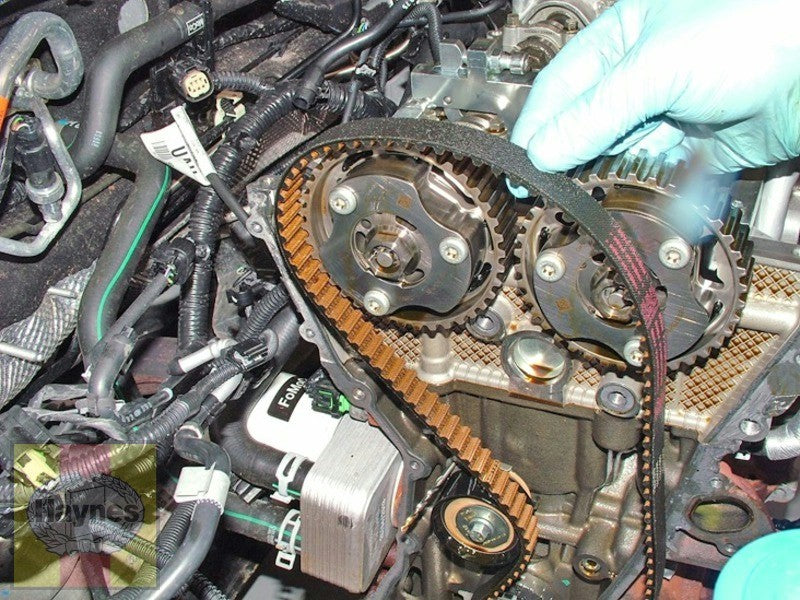
- Visually inspect belts for cracks, glazing, or missing teeth.
- Listen for rattles on cold start for chain wear.
- Use scan tools to check cam/crank correlation codes.
- When in doubt, have a mechanic measure chain slack or inspect belt condition during service.
Which is better for you? Choosing based on needs and vehicle type
Choose a timing belt if
- You prefer lower repair bills up front.
- You own a vehicle with scheduled belt service and will follow it.
- You value quiet engine operation.
Choose a timing chain if
- You keep cars for many years or high miles.
- You want less frequent scheduled replacements.
- You prefer a setup that handles high stress and torque.
Consider the vehicle
- Many modern European and Asian cars used belts for years but now favor chains.
- Trucks and performance cars often use chains for durability.
- Check your owner manual. The manufacturer’s choice guides the right maintenance path.

My hands-on experience, mistakes, and practical tips
I once missed a belt swap on an older sedan and had it snap on the highway. Repair cost was far higher than planned. Lesson learned: preventive replacement saves money and stress.
Practical tips from my shop work
- Replace the water pump and tensioners with the belt. It saves labor later.
- For chains, don’t ignore oil changes. Dirty oil accelerates wear.
- If buying used, check service records for belt replacement dates or ask about chain inspections.
If you drive infrequently, time-based belt changes still matter. Age cracks rubber, even with low miles. For chains, watch for telltale noises and erratic timing codes.
Frequently Asked Questions of timing belt vs timing chain
What happens if a timing belt breaks while driving?
A broken timing belt can cause valves and pistons to collide on interference engines, leading to major engine damage and costly repairs.
How often should I replace a timing chain?
Timing chains have no universal interval but are commonly inspected after 100,000 miles and replaced if signs of stretch or wear appear.
Can I switch from a timing belt to a timing chain on my car?
Converting a belt engine to a chain is usually impractical and costly because it requires major engine redesign and parts that the car wasn’t built for.
Is a timing chain noisier than a timing belt?
Yes, a worn timing chain often makes a rattling noise, while timing belts run quieter when new or healthy.
Which is more common in modern cars: timing belt or timing chain?
Many newer cars favor timing chains for longevity, but some models still use belts for cost and noise advantages.
Conclusion
Both timing belt vs timing chain solutions work when maintained correctly. Belts cost less upfront and run quietly but need scheduled swaps. Chains last longer and can be more robust, but when they fail the repairs are often heavier. Choose based on how long you plan to keep the car, your maintenance habits, and your budget.
Takeaway: check your owner’s manual, keep up with oil and scheduled service, and address any unusual noises or codes right away. If this guide helped, leave a comment, share your experience, or subscribe for more practical car care tips.