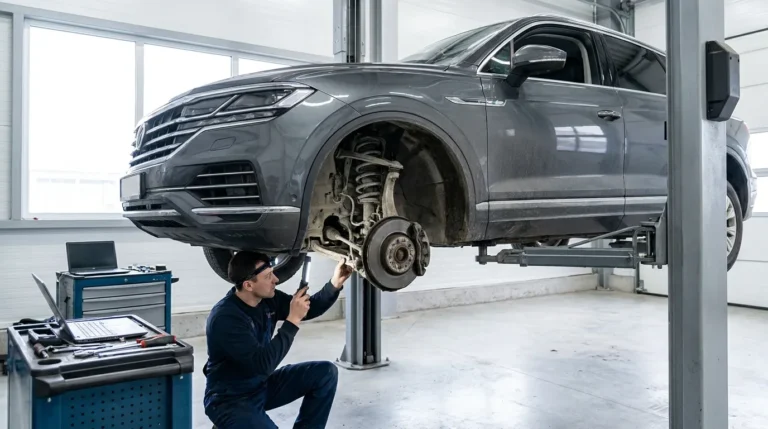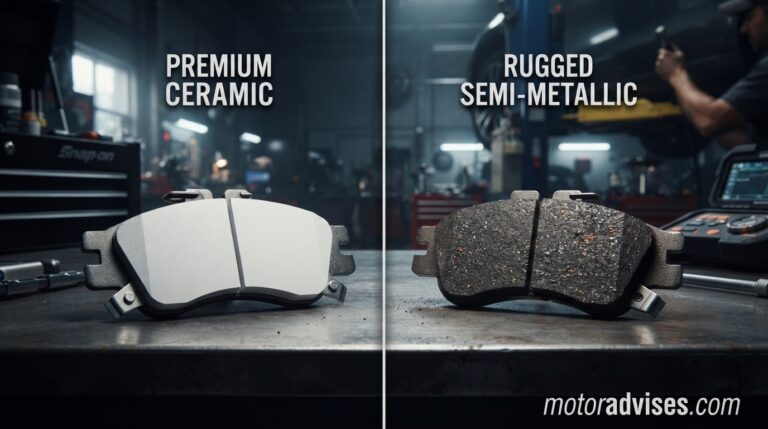
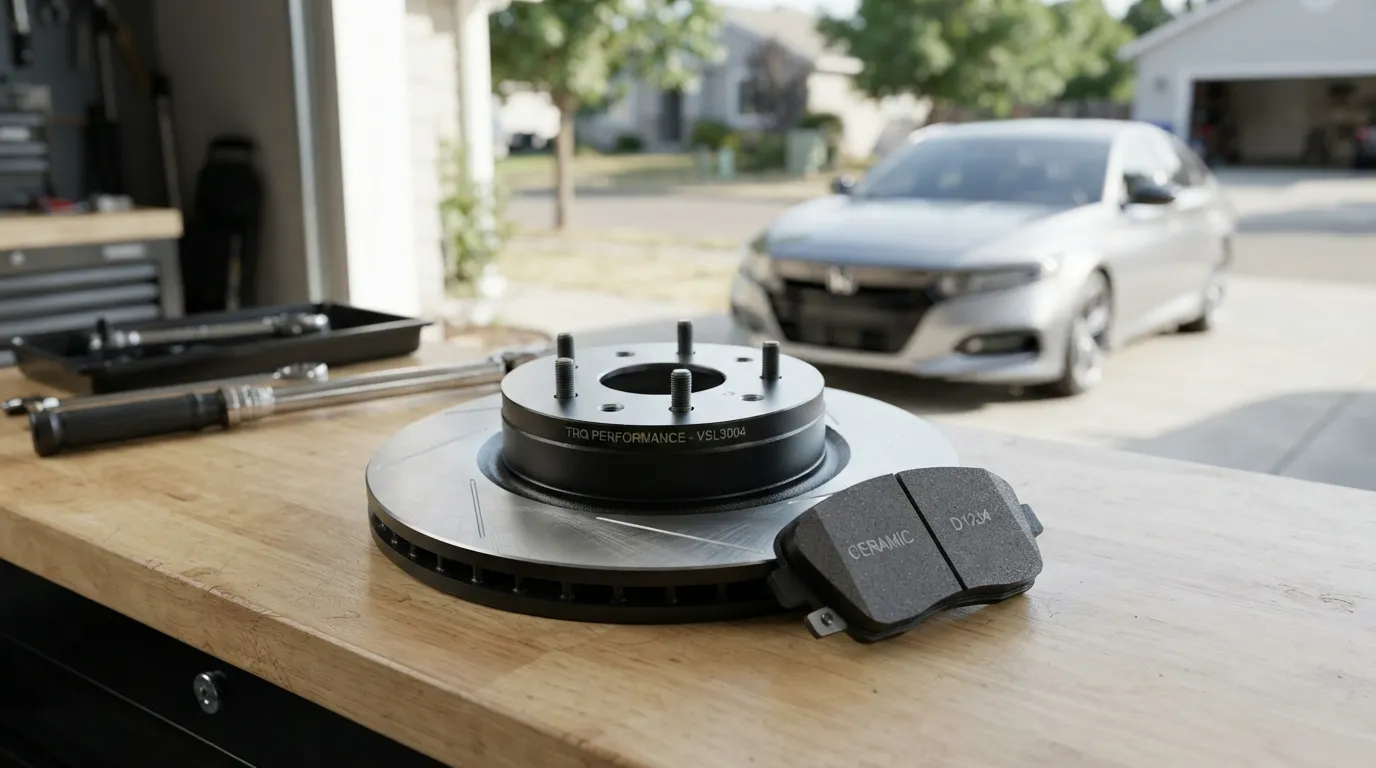
Best daily-driving rotors: OEM-style iron or lightly slotted rotors from trusted brands for quiet, long life.
I’ve spent years fixing brakes, testing parts, and advising drivers. This guide explains the best brake rotors for daily driving. You’ll learn which rotor types fit everyday use, why they matter, how to pick them, and which models I trust from hands-on experience. Read on for clear advice, practical tips, and mistakes to avoid so you can choose rotors that give quiet, safe braking every day.
Why rotor choice matters for daily driving
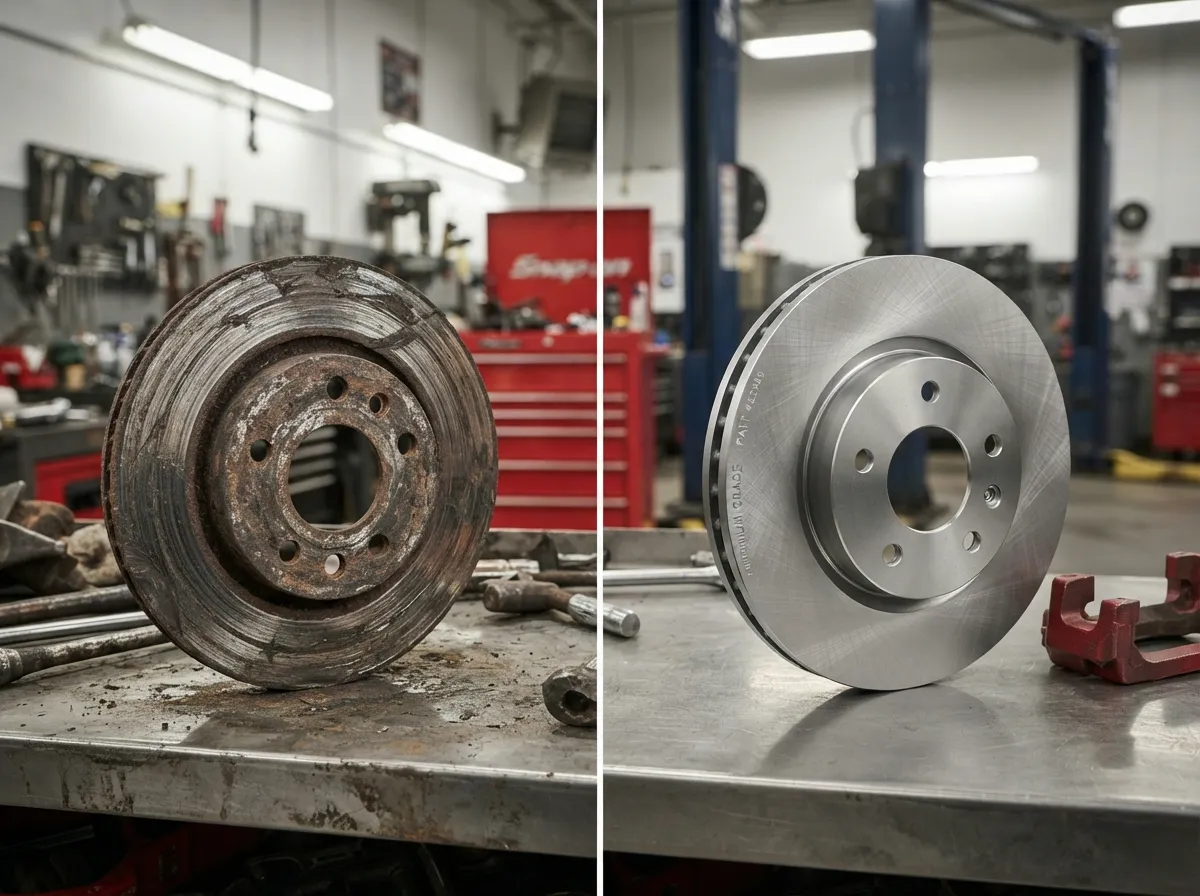
Brake rotors turn the pedal press into stopping power. For daily driving, you need rotors that are quiet, stable, and long lasting. The wrong rotor can cause noise, pulsation, or faster wear of pads and tires.
Daily driving stresses differ from track use. You want steady performance in morning commutes, city stops, and occasional highway runs. This means rotors that resist warping, shed heat well enough, and work smoothly with common pads.
From my shop work, I’ve seen daily drivers come in with warped rotors after poor installs or cheap parts. Good rotors save time, stress, and money. The best brake rotors for daily driving keep your car calm, predictable, and safe.
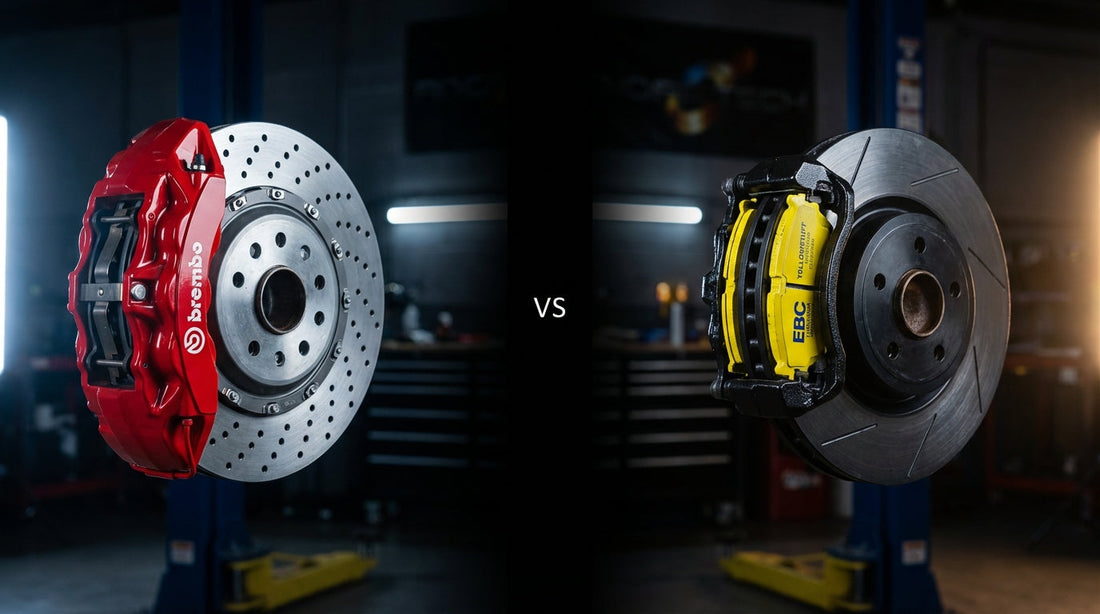
Rotor types and what they mean for daily driving
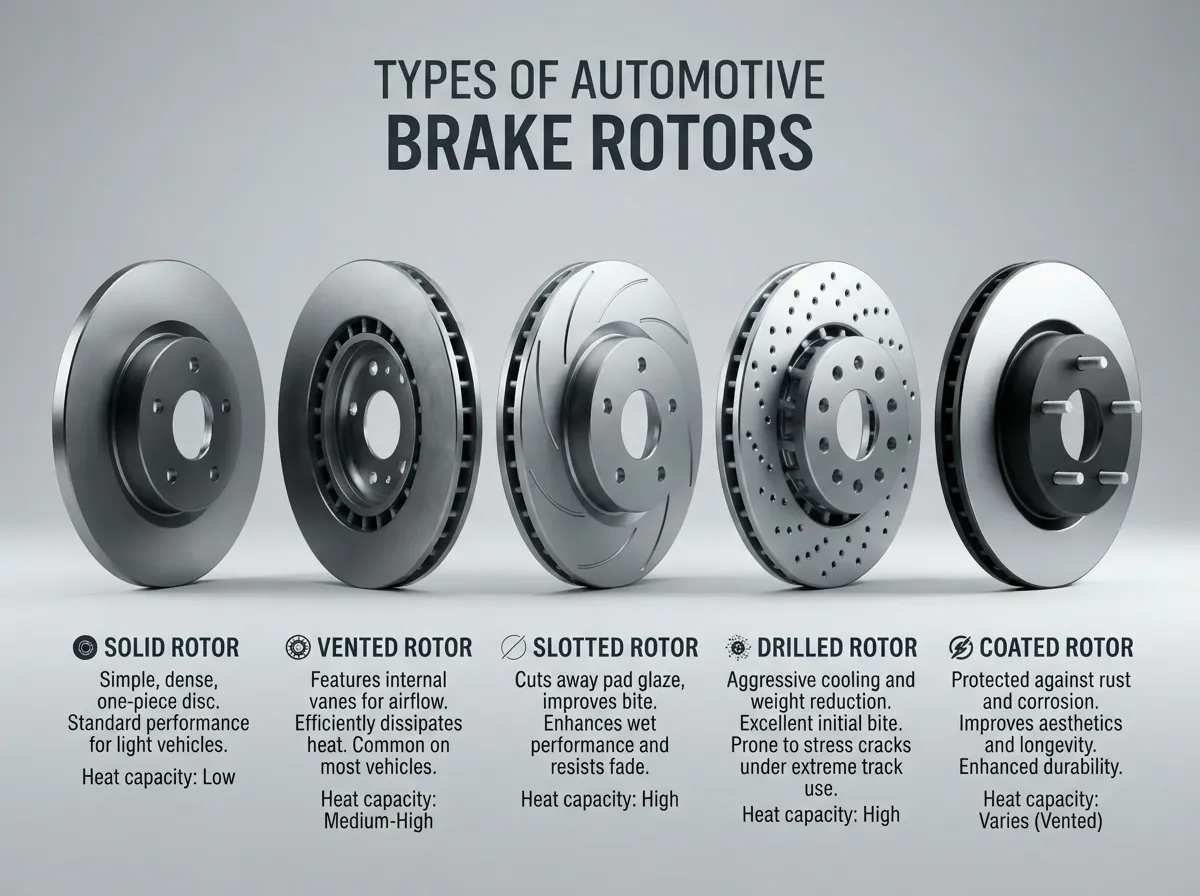
Understanding rotor types helps you pick wisely. Here are the main types and how they fit daily use.
- Solid rotors: A single flat surface. Best for front or rear on small cars. They are quiet and cheap. Good for light daily use.
- Vented rotors: Two plates with vanes between them. They cool faster than solid rotors. Ideal for most daily drivers, especially heavier cars and SUVs.
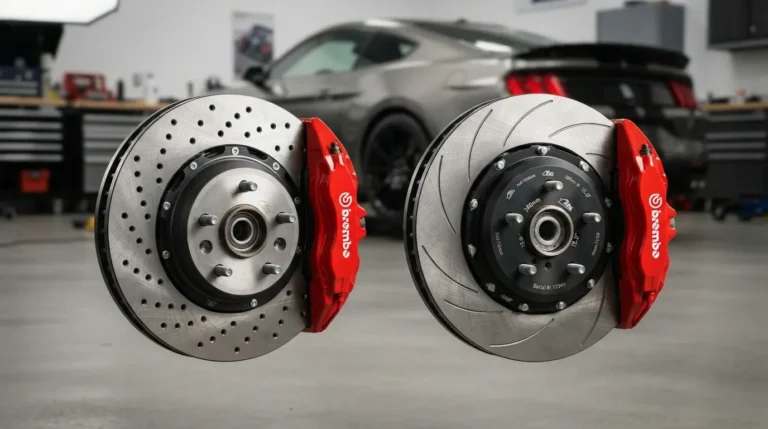
- Slotted rotors: Grooves on the surface. They help clear gas and dust from the pad face. Useful if you want cleaner contact area without aggressive noise.
- Drilled rotors: Holes through the rotor. They help cool and evacuate water. They can crack under heavy stress and often make noise. Not generally needed for normal daily driving.
- Coated rotors: Corrosion-resistant finish on the hat and edges. Great for long life and aesthetics for daily drivers in wet or salty climates.
For daily driving, vented or slotted vented rotors with a durable coat are usually the best compromise between comfort and performance. The best brake rotors for daily driving often use vented and lightly slotted designs.
Top features to look for in the best brake rotors for daily driving
When shopping, focus on a few key features. These features give the best balance of cost, comfort, and safety.
- Material quality: Look for high-grade cast iron. It resists wear and stays stable with heat.
- Manufacturing process: Balanced and precision-machined rotors reduce vibration and pedal pulsation.
- Coating and rust protection: A good coating prevents rust on visible surfaces and increases rotor life.
- Slot or drill choice: Light slots are fine for daily drivers. Avoid heavy drilling that can weaken the rotor.
- Direct fit vs. universal: Choose direct-fit rotors that match your vehicle’s specs for easier install and better performance.
I once replaced low-cost drilled rotors on a commuter car. The owner complained of noise and faster pad wear. After switching to OEM-style vented rotors, the car was quieter and the pads lasted longer. That taught me how important fit and simple design are for daily use. The best brake rotors for daily driving keep things simple.
Best rotor brands and models for daily driving (practical picks)
Here are rotor types and models I recommend based on experience and test results. These fit most daily driving needs.
- OEM-style vented rotors
- Description: Matched to factory specs. Quiet and proven.
- Why choose: Best compatibility and predictable wear.
- Lightly slotted vented rotors from reputable makers
- Description: Adds a small slot to help pad contact.
- Why choose: Slightly cleaner pad face and improved wet performance without noise.
- Coated vented rotors
- Description: Rust-resistant finish on non-mating areas.
- Why choose: Best for coastal or winter climates where salt causes corrosion.
I recommend sticking to known, tested models that list fitment for your vehicle. Avoid exotic choices meant for track days. For most drivers, the best brake rotors for daily driving are either OEM replacements or lightly slotted vented rotors with a good coating.
How to choose the right rotor for your car — step by step
Choosing is simple when you follow a plan. Use this checklist.
- Verify fitment
- Check year, make, model, trim, and axle position.
- Choose direct-fit rotors where possible.
- Pick the rotor type
- Vented for most front positions.
- Solid or vented for rear, depending on vehicle.
- Select finish and features
- Choose coated for rust protection.
- Choose light slots if you want slightly better pad cleaning.
- Match pads to rotors
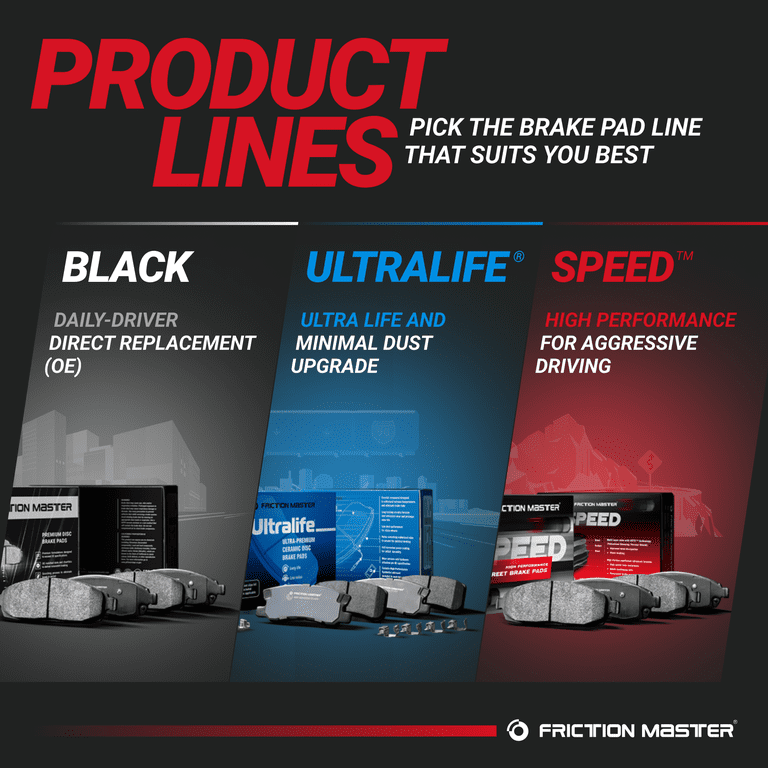
- Use pads recommended by rotor maker or OEM.
- Avoid pairing track pads with daily-use rotors.
- Consider budget vs. life
- Spending a bit more on quality can double rotor life and reduce noise.
I keep a simple rule from shop days: if the car is used daily, choose durability over flashy features. The best brake rotors for daily driving are the ones that last, stay quiet, and fit perfectly.
Installation and maintenance tips for long rotor life
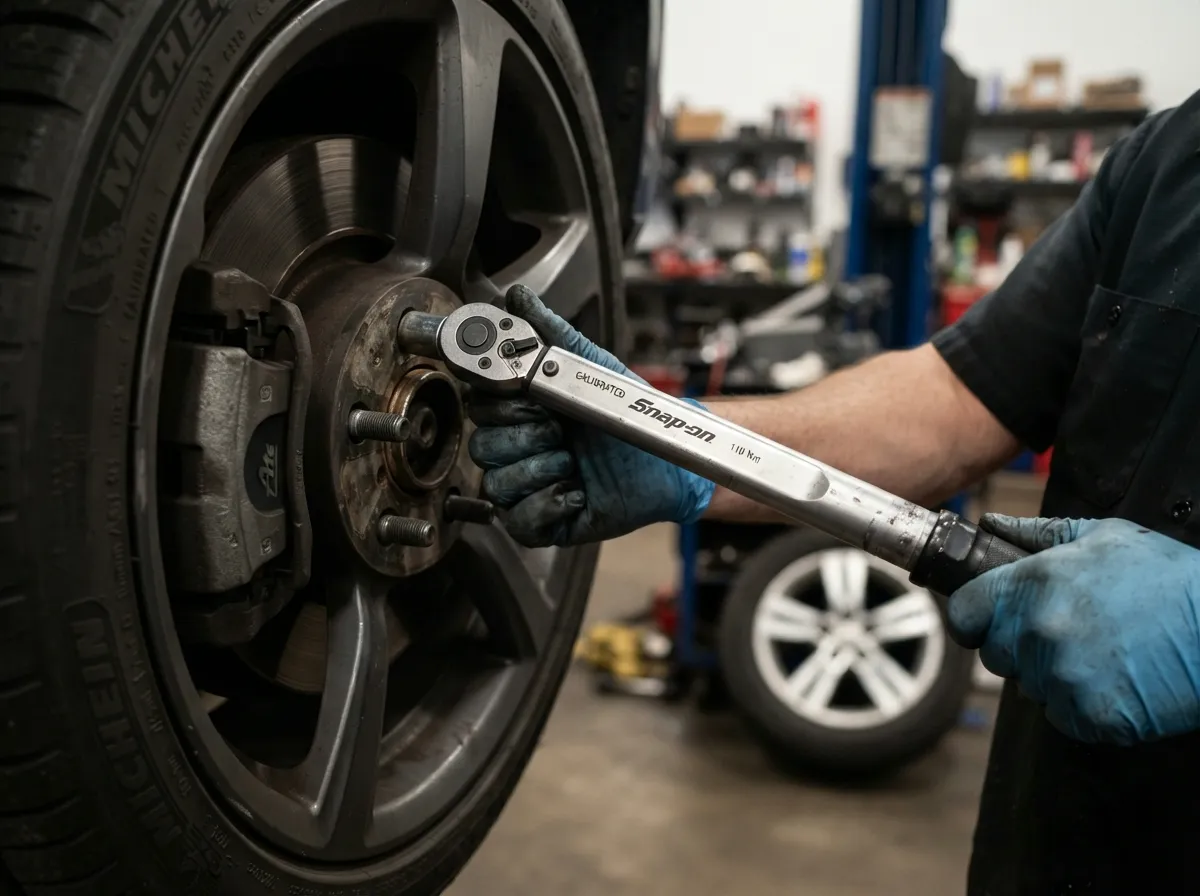
Correct install and regular checks make rotors last. Here are practical tips that I use.
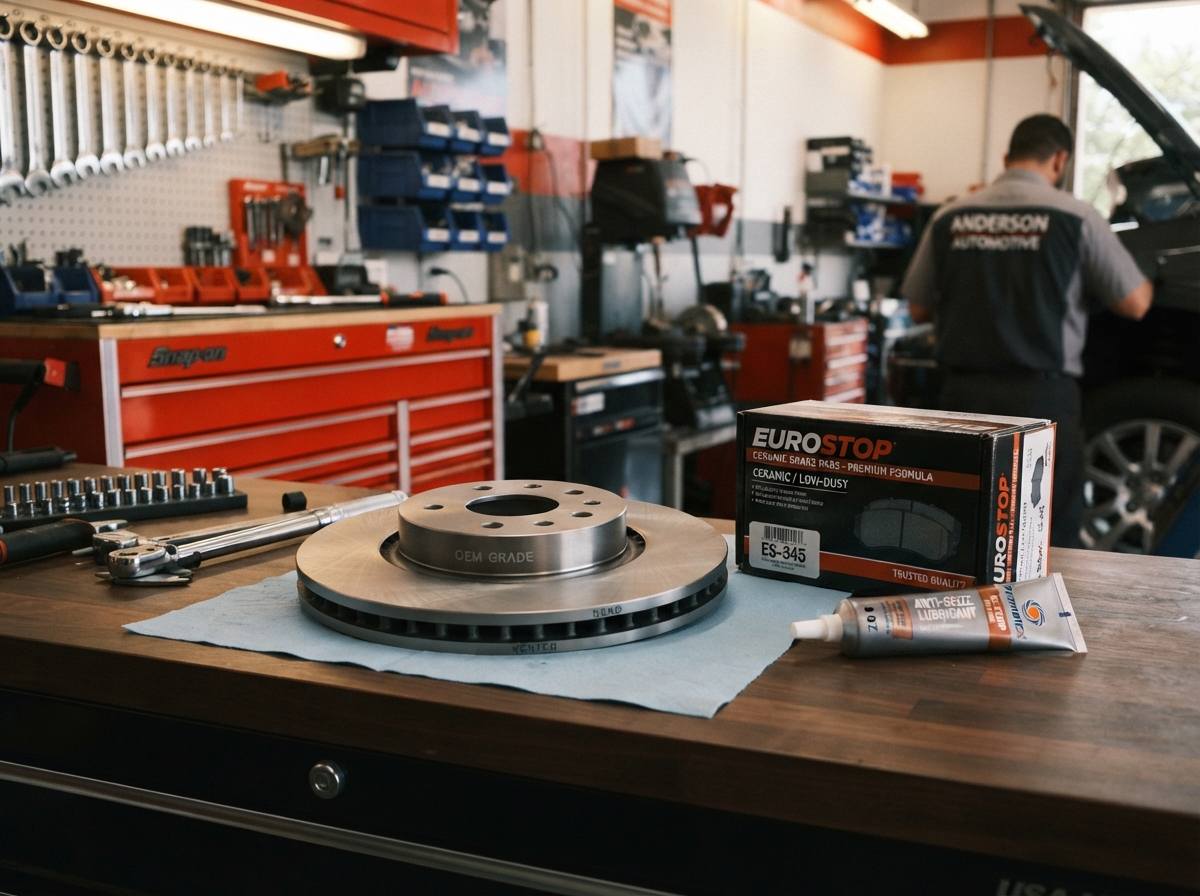
- Always clean the hub and use a thin layer of anti-seize where recommended to prevent rust and misalignment.
- Torque caliper bolts and wheel lug nuts to spec. Uneven torque can warp rotors.
- Replace pads when they reach 3–4 mm thickness to prevent rotor damage.
- Bed new rotors and pads with repeated moderate stops, not hard panic stops.
- Inspect for runout and lateral wobble during routine service.
A failed rotor often comes from bad installation or letting pads wear to the metal. Keep an eye on pad thickness and wheel vibration. These small steps help the best brake rotors for daily driving remain smooth and quiet.
Common mistakes and how to avoid them
Avoid these frequent errors I saw in the shop.
- Mixing cheap rotors with premium pads
- Problem: Increases noise and wear.
- Fix: Use matching quality parts.
- Reusing old hardware
- Problem: Corroded bolts cause misalignment.
- Fix: Replace mounting bolts and clips when needed.
- Overlooking alignment and suspension
- Problem: Worn suspension can create braking noise and uneven wear.
- Fix: Inspect suspension during brake service.
Fix these and your rotors will last longer. The best brake rotors for daily driving perform well when the whole brake system is healthy.
PAA-style questions (common quick answers)
Are slotted rotors better for daily driving?
Slotted rotors can help clear dust and gas from the pad face. For daily driving, light slots offer benefits without the noise and cracking risk of heavy performance slots.
Do coated rotors really prevent rust?
Yes, a quality coating shields exposed surfaces from salt and moisture. It slows rust on the hat and edge but does not stop wear where the pad contacts the rotor.
How often should rotors be replaced for a daily driver?
Many drivers replace rotors every 50,000 to 70,000 miles, depending on driving style and conditions. Heavy city stop-and-go traffic can shorten that life, while highway driving usually extends it.
Can cheaper rotors cause brake vibration?
Poorly machined rotors can cause pedal pulsation and vibration. Proper machining and balancing prevent most issues, so choose quality over the lowest price.
Is it okay to resurface rotors instead of replacing them?
Resurfacing is fine if rotor thickness and structural integrity remain within spec. Many shops prefer replacement for modern thin rotors to ensure safety and reliability.
Frequently Asked Questions of best brake rotors for daily driving
What makes a rotor best for daily driving?
A rotor best for daily driving is durable, quiet, and matched to your vehicle. It will control heat well enough for normal stops and resist rust in everyday use.
Should I choose drilled or slotted rotors for commuting?
Choose slotted rotors if you want a small performance gain without noise. Drilled rotors are not necessary for commuting and can crack under stress.
Can I use performance rotors on a daily driver?
You can, but they may be noisier and wear pads faster. Performance rotors shine on track days, not in routine stop-and-go traffic.
How do I know if my rotor is warped?
You will feel pulsing in the pedal or steering wheel during braking. A shop can measure runout to confirm and advise on resurfacing or replacement.
Do coated rotors require special pads?
No, most standard pads work fine with coated rotors. Just avoid abrasive track-only pads that speed wear in everyday use.
Is it better to replace rotors in pairs?
Yes. Replacing rotors in pairs keeps braking balanced and reduces uneven wear. Replace both front or both rear rotors at the same time when possible.
Conclusion
Choosing the best brake rotors for daily driving means picking reliable, well-made rotors that match your car and driving habits. Focus on vented or lightly slotted designs, good material, and a protective coating. Match rotors with the right pads, install them correctly, and perform simple maintenance checks to keep brakes quiet and safe.
Take action: inspect your current rotors, check pad thickness, and choose a direct-fit rotor from a reputable maker. If you liked this guide, try the recommended checks during your next service, subscribe for more car-care tips, or leave a comment with your make and model for personalized advice.