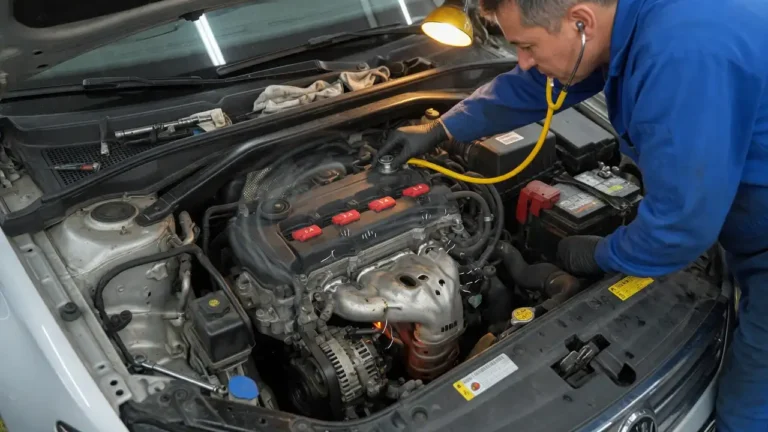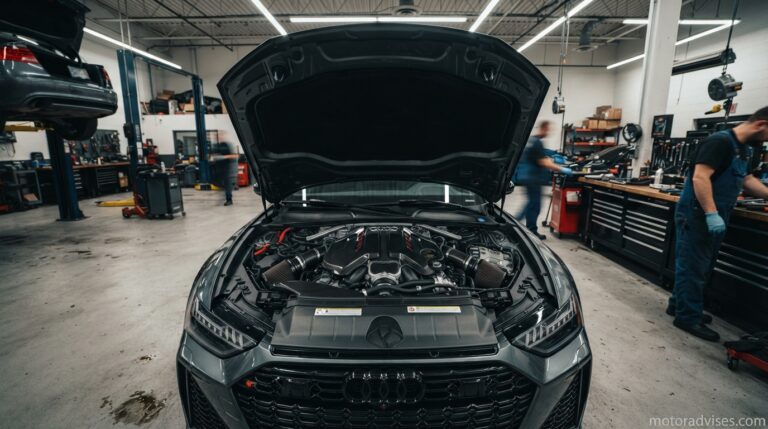
Engine timing issues cause misfires, rough idle, poor power, and risk severe engine damage.
I write and work on engines daily, and I’ve seen how small timing faults turn into big repairs fast. This guide explains engine timing issues clearly, shows how to spot them, and gives practical steps to diagnose and fix problems while sharing lessons from real shop experience. Read on to learn how to protect your engine and save money.
Understanding engine timing issues
Engine timing issues happen when valve and piston movement fall out of sync. Precise timing lets intake, compression, power, and exhaust strokes happen at the right moments. When timing is off, engines run rough, lose power, and can suffer internal damage.
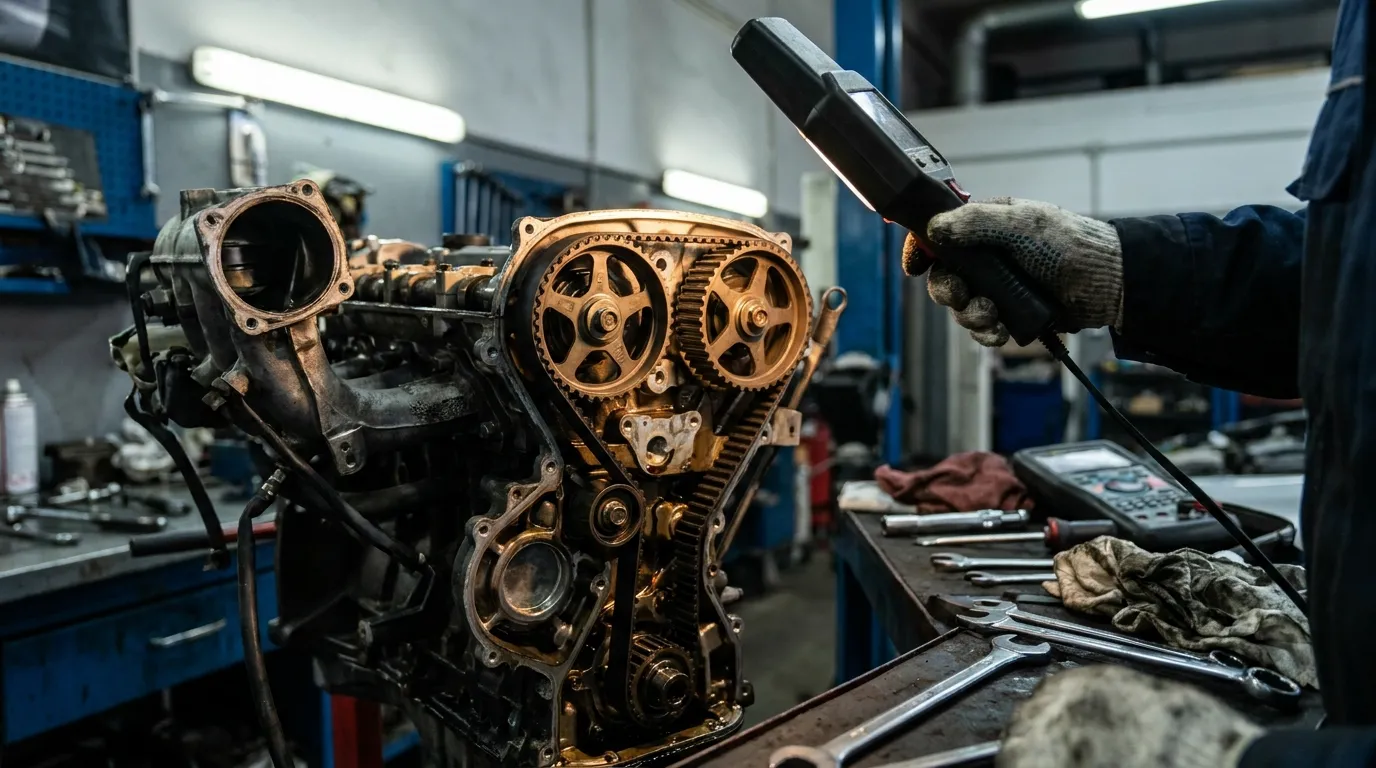
Timing depends on parts and sensors working together. A belt, chain, gears, camshaft, crankshaft, and sensors must match their positions every rotation. I’ll show how each piece can fail and what to do about it.
Common causes of engine timing issues
Engine timing issues come from a handful of common failures. Knowing the cause helps you decide whether you can fix it or need a pro.
- Timing belt wear or snapping. Belts age and fail on schedule if not replaced.
- Timing chain stretch or guide failure. Chains can skip teeth or stretch over time.
- Failed camshaft or crankshaft position sensor. Bad sensors give wrong timing signals.
- Improper timing after repairs. Incorrect installation can shift timing marks.
- Timing belt or chain tensioner failure. Loss of tension lets components jump.
- Oil sludge or poor maintenance. Dirty oil can clog tensioners and guides.
- Mechanical damage from skipped timing. Bent valves or piston damage after a failure.
- Variable valve timing actuator faults. VVT issues change timing unexpectedly.
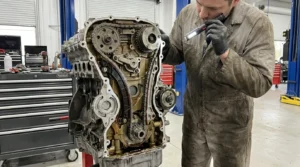
Symptoms and how to spot them
Recognize early signs so you can act before major damage.
- Rough idle and misfires. The engine shakes and misfires when timing is wrong.
- Loss of power and poor acceleration. The car feels weak climbing hills or during passes.
- Check engine light on. Codes often point to cam/crank correlation or misfires.
- Unusual noises. Ticking, rattling, or slapping sounds may indicate a loose chain or worn tensioner.
- Hard starting or no start. Severe timing faults can prevent the engine from starting.
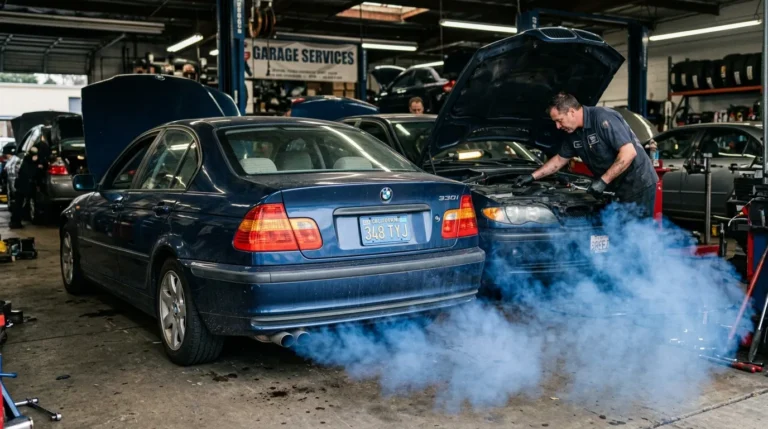
- Fuel smell and smoke. Poor combustion can make exhaust smell like raw fuel.
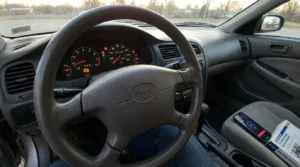
What does a timing belt failure sound like?
A failing timing belt often makes a loud snapping or slapping noise and the engine may stall suddenly. If you hear a sudden loud noise and the car dies, stop immediately.
Can engine timing issues cause the check engine light?
Yes. Timing faults trigger misfire codes and cam/crank correlation codes on OBD-II systems. A scan usually points you to timing-related trouble codes.
Will a car start with bad timing?
Minor timing drift might still allow starting, but severe timing failure often prevents start or causes immediate stalling. Do not keep cranking a badly timed engine to avoid damage.
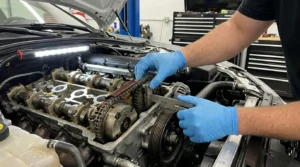
Diagnosing engine timing issues
Start with the simplest checks and work to the complex ones. Diagnosis saves money when you avoid unnecessary parts replacement.
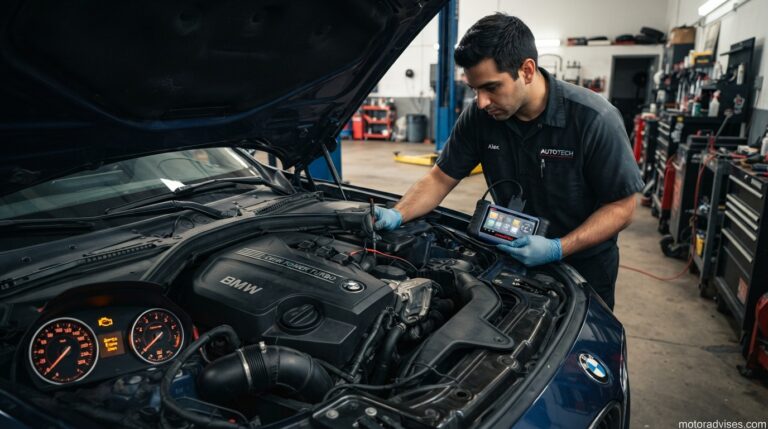
- Scan for OBD-II codes.
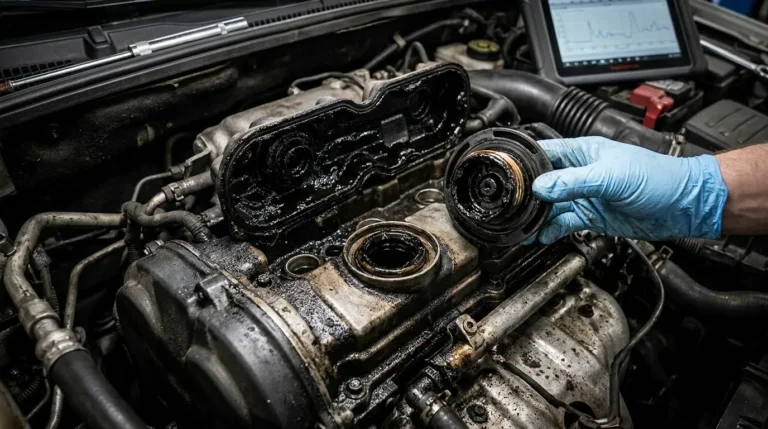
- Inspect timing cover for oil leaks, belt debris, or missing teeth.
- Use a timing light for some engines to verify ignition timing.
- Check camshaft and crankshaft position sensor signals with a scan tool or oscilloscope.
- Perform a compression test to detect bent valves or lost compression.
- Remove valve cover to check cam timing marks if safe and accessible.
- Confirm tensioner and guide condition visually for chains and belts.
Practical tip: I once found a skipped timing caused by a loose lower bolt on the water pump. Visual checks often reveal surprises before deep teardown.

Common repairs and expected costs
Repair choices depend on the root cause. Prices vary by engine type, region, and labor rates.
- Timing belt replacement. Includes belt, tensioner, and water pump if recommended. Typical cost range: moderate to high for labor.
- Timing chain guide or tensioner replacement. Can be costly if chain removal is needed.
- Cam/crank position sensor replacement. Lower parts cost and moderate labor.
- Valve and head repairs after a snapped belt. Very high cost if valves or pistons are damaged.
- VVT actuator replacement or solenoid service. Moderate cost for parts and labor.
Estimate ranges: Belt jobs often run from a few hundred to over a thousand dollars. Chain jobs can be pricier if the chain is internal and requires major disassembly. Always get a written estimate and check if the manufacturer recommends replacing other parts at the same time.

Source: reddit.com
Preventive maintenance and best practices
Routine care prevents many engine timing issues. Simple actions cut risk and extend engine life.
- Follow manufacturer timing belt or chain intervals precisely.
- Change oil on schedule to protect tensioners and guides.
- Use quality parts from reputable brands for replacements.
- Inspect belts, chains, and tensioners during major services.
- Replace related components together: water pump, seals, and tensioners when changing the belt.
- Avoid delaying repairs when the check engine light or unusual noises appear.
From my experience, replacing a timing belt early saved an engine that otherwise would have needed expensive valve work. Prevention is the most cost-effective strategy.
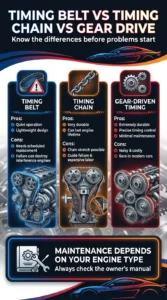
Timing belt vs timing chain vs gear-driven timing
Different engines use different systems. Each has pros and cons for wear and maintenance.
- Timing belt
- Quiet and lightweight.
- Requires periodic replacement.
- Failure can cause catastrophic engine damage in interference engines.
- Timing chain
- Durable and often lasts the engine life.
- Can stretch or have guide failures and make noise.
- Repairs can be more expensive due to labor.
- Gear-driven timing
- Very durable and precise.
- Rare in modern passenger cars due to cost and noise.
- Long-lasting with minimal maintenance.
Choosing the right maintenance plan depends on which system your engine uses. Always check the owner’s manual.
My experience: real-world cases and lessons learned
I’ve diagnosed dozens of timing issues in varied cars and trucks. One memorable case was a late-model sedan with intermittent misfires. A scan showed cam/crank correlation codes, and visual inspection revealed a worn timing chain guide. Replacing the guide solved the problem without engine teardown.
Lessons learned:
- Always scan first; codes often save time.
- Inspect visually; missing bolts or oil leaks are common culprits.
- Don’t ignore odd noises; they usually get louder and more expensive to fix.
- Keep records of timing services to protect resale value.
When to seek professional help
Some signs mean you should stop driving and get help.
- Loud snapping noise and instant engine stall.
- Severe misfire with loss of power on the highway.
- Repeated unsuccessful starting attempts.
- Heavy vibration and new knocking sounds.
If you suspect a timing failure, avoid driving. Towing to a trusted shop prevents extra damage and keeps repair costs down.
Frequently Asked Questions of engine timing issues
What is engine timing and why does it matter?
Engine timing is the coordination of the camshaft and crankshaft so valves open and close at the right moments. It matters because correct timing ensures efficient combustion and prevents interference between valves and pistons.
How often should timing components be replaced?
Replace timing belts per the vehicle manufacturer’s interval, usually between 60,000 and 100,000 miles. Timing chains may last longer but should be inspected if you hear noise or have timing-related codes.
Can a bad sensor mimic timing problems?
Yes. Faulty camshaft or crankshaft position sensors can mimic mechanical timing issues by sending wrong signals to the engine control unit. Diagnosis should include both sensor checks and mechanical inspection.
Is it safe to drive with slight timing drift?
Minor timing drift may not immediately damage the engine but can reduce efficiency and increase wear. Address small timing issues quickly to avoid larger failures.
What happens if a timing belt breaks while driving?
If a timing belt breaks on an interference engine, valves may contact pistons, causing bent valves, damaged pistons, and costly repairs. Stop driving and tow the vehicle to a repair facility.
How much can I save by diagnosing timing problems myself?
You can save on diagnostic fees if you have the proper tools and skills. However, incorrect diagnosis or repairs can lead to greater costs, so evaluate your experience before attempting major timing work.
Conclusion
Engine timing issues affect performance, safety, and repair costs, but they are manageable with prompt diagnosis and proper maintenance. Watch for early signs, follow manufacturer intervals, and use quality parts to reduce risk. Take action at the first sign of trouble, learn from maintenance records, and when in doubt, consult a trusted mechanic. Leave a comment with your timing story, subscribe for more repair guides, or share this article with someone facing timing issues.